Lupus & Vasculitis Program (Pediatric)
Lupus & Vasculitis Program (Pediatric)
The Lupus & Vasculitis Program at C.S. Mott Children's Hospital treats children with combined rheumatologic and kidney diseases, such as lupus.
Our Approach
The program is jointly staffed by physicians in Pediatric Nephrology and Pediatric Rheumatology at C.S. Mott Children's Hospital. We use an interdisciplinary approach to evaluate and treat all children with these combined diseases, offering them access to the latest treatments and clinical trials.
Who We Treat
Although the majority of the children seen in this program have lupus or lupus with lupus nephritis, we also specialize in other diseases that cause blood vessel inflammation including:
- Wegener's granulomatosis – an uncommon disorder in which inflammation affects several different tissues in the body
- Polyarteritis nodosa – inflamed blood vessels that may be related to infection with Hepatitis B virus
- Henoch-Schoenlein purpura – blood vessel inflammation that causes bleeding in the capillaries of the skin, kidneys and other organs, also known as HSP
We also co-manage side effects of treatments for other diseases, including children with primary rheumatologic diseases who develop high blood pressure.
Services
Patients from the program are seen in our Interdisciplinary Systemic Inflammation Clinic, which allows patients to see providers from both rheumatologic and kidney specialties at one clinic visit. The team of specialists collect a thorough patient history, perform a physical examination, and order blood and urine tests.
At the end of the visit, the team — which also includes a dedicated nurse, a dietician and a social worker – presents a plan to the family that often includes a variety of medications as well as lifestyle changes that can help you and your child to manage their disease.
Appointment Information
Schedule an appointment by calling us at 734-764-2224.
Research
The University of Michigan Health lupus research group is dedicated to learning more about what causes lupus, how flares can be reduced or prevented, how to predict disease progression and activity, and how to prevent permanent organ damage. By learning more about the development of and risk factors for lupus it may be a step towards finding new prevention and treatment strategies. Clinical trials are available for eligible patients, including investigational drug therapies.
Locations
-
Pediatric Systemic Inflammation Clinic | C. S. Mott Children's Hospital 1540 E Hospital Dr
Floor 8 Reception B
Ann Arbor, MI 48109-4259Get Directions
Doctors
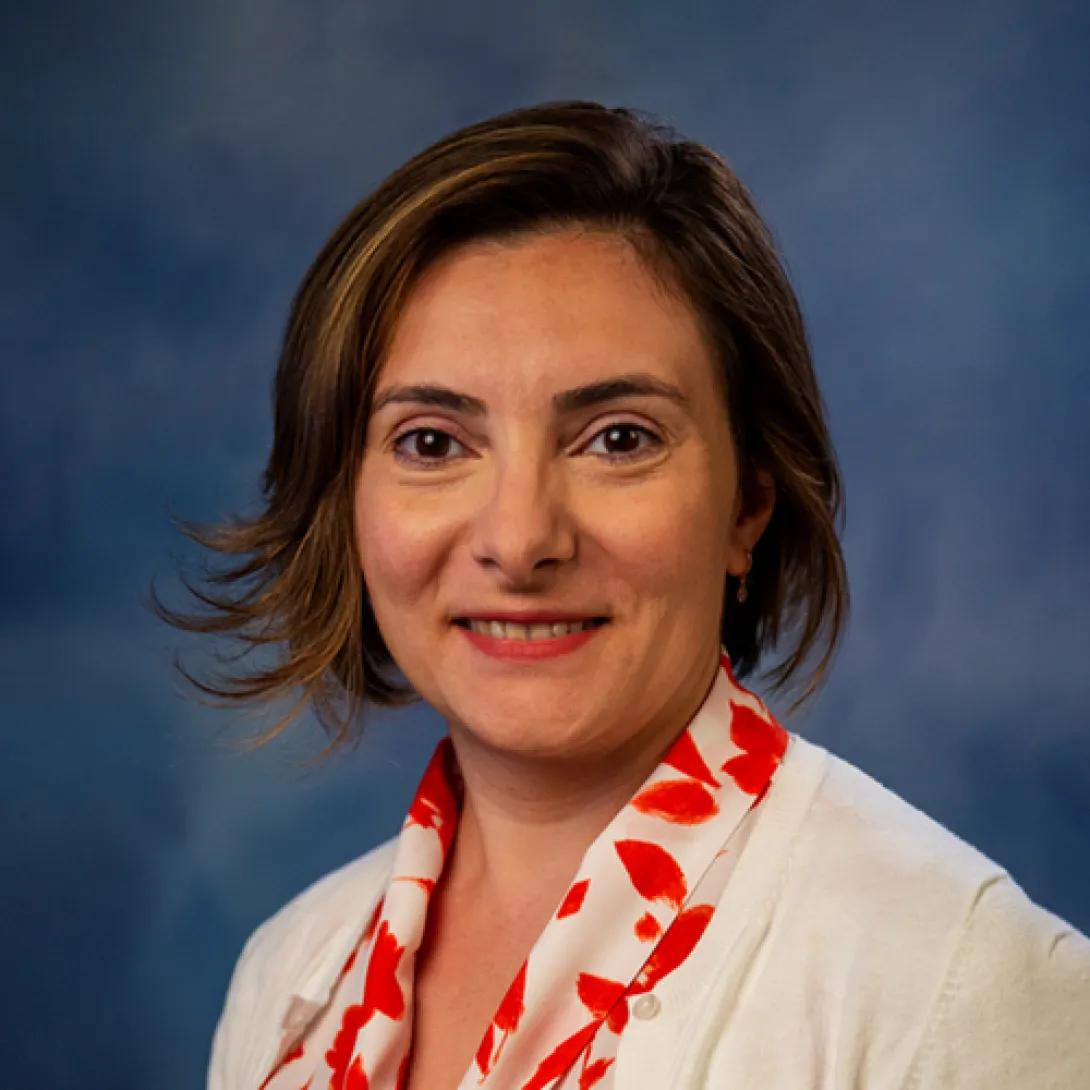
Atiye Olcay Bilgic Dagci, MD
Clinical Assistant Professor
Pediatric Rheumatology

Brendan David Crawford, MD
Clinical Associate Professor
Pediatric Nephrology
Andrew Grim, MD
Clinical Assistant Professor
Pediatric Rheumatology, Pediatrics

Clare Joan Lindner, MD
Clinical Assistant Professor
Pediatric Nephrology, Pediatrics

Smriti Mohan, MD
Clinical Assistant Professor
Pediatric Rheumatology, Pediatrics

Christine Siqi Wang, MD
Clinical Assistant Professor
Pediatric Rheumatology, Pediatrics
Providers
Luke Kirkpatrick Turnier, PsyD
Clinical Assistant Professor
Clinical Child & Adolescent Psychology, Clinical Psychology
News & Stories

A metabolic “switch” that could help reset scar-producing cells in scleroderma

A pediatric epilepsy fundraiser that changes lives

Pain, psychological factors and physical function closely linked in people with systemic sclerosis

Rheumatologist finds contentment and community through family farm
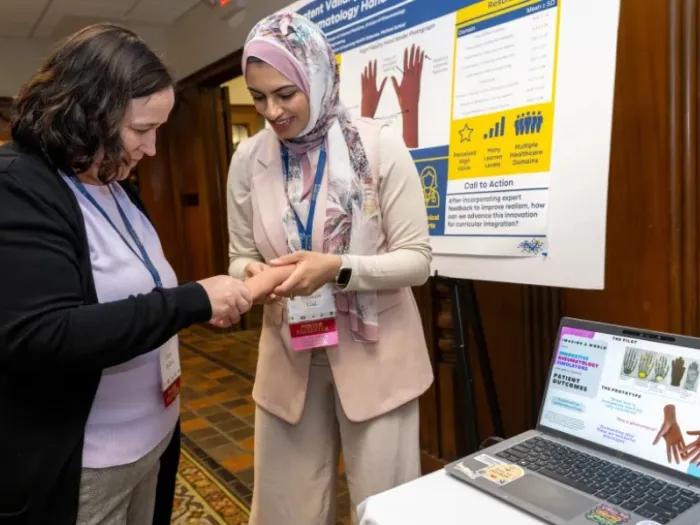
Rethinking how clinicians learn to feel disease