Gynecologic Oncology Program


The U-M Health Rogel Cancer Center's Gynecologic Oncology Program is a team of fellowship-trained gynecologic oncologists providing comprehensive, personalized cancer care. We follow National Comprehensive Cancer Network (NCCN) guidelines to develop treatment plans tailored to each patient’s diagnosis, stage, and goals. As an NCCN founding member institution, we offer access to the latest evidence-based treatments and the most clinical trials available for each disease.
Our Approach
- New treatments that offer hope: We meet you where you are with fresh perspectives and customized treatment plans, including clinical trials.
- Comprehensive gynecologic cancer care: Our board-certified gynecologic cancer specialists meet regularly to share their expertise with one another. We bring our experts together to focus on one goal: your care and comfort. We don’t take a one-size-fits-all approach to treatment — your care is always thorough and personalized to you.
- Comfort and convenience: Your team makes sure you have what you need to feel comfortable throughout diagnosis, treatment and follow-up care. We offer educational tools and virtual appointments.
- Support Services and Resources for Gastrointestinal Gynecologic Cancers: You never face cancer alone at Rogel Cancer Center. We have Patient and Family Support Services which offer a variety of information, assistance and other types of supportive care. Our cancer center partners with local and national organizations to help you get the support you need.
- Leading-edge research: Our focus on academic research means you have access to the latest treatments. We offer clinical trials for eligible patients to receive promising new therapies not widely available. And we continuously track patient outcomes to make sure we’re delivering the highest-quality care.
Services
Our gynecologic oncology surgical services include a full range of gynecologic procedures, including:
Outpatient services for evaluation and treatment of pre-invasive vulvar, vaginal and cervical diseases include colposcopy (a follow-up exam for an abnormal Pap smear), laser and loop electrosurgical excision (to test abnormal cervix tissue) procedures. Should you have abnormal Pap smears, dysplasia, vaginal intraepithelial neoplasia, cervical intraepithelial neoplasia or squamous intraepithelial lesion, carcinoma in situ, condyloma (genital warts) or human papilloma virus (HPV), you could be seen in our Colposcopy Clinic.
We also offer the latest chemotherapy research processes that use both investigational and approved medications for a wide range of gynecologic malignancies.
Learn more in our Online Patient Library.
Conditions
When treating cervical cancer, our plan of action includes a number of treatment options, as appropriate for the stage and grade of your cancer. Our treatments include:
- Surgery
- Chemotherapy
- Radiation therapy
- Targeted therapy
- Immunotherapy
Advanced Cervical Cancer
We are a referral center for advanced cervical cancer, offering specialized interstitial brachytherapy — a highly focused form of radiation delivered directly to the tumor. This advanced treatment is available at very few hospitals in Michigan. Your physician will discuss whether this option is appropriate for you.
Clinical Trials
We prioritize clinical trials and have access to the most trials open for cervical cancer. Ask your physician if a clinical trial may be right for you. Learn more about clinical trials by visiting our Clinical Trials for Cancer Patients webpage.
Gestational trophoplastic disease (GTD) is a group of tumors that develop from the abnormal growth of cells inside the uterus (womb) that would normally develop into the placenta (the organ that passes nutrients from the mother to the fetus) during pregnancy.
All types of GTD can be treated and treatment often results in a complete cure. The treatment for GTD depends on the specific type of tumor, stage, and other factors.
Ovarian and tubal cancers are treated as a single disease. Our physicians use a combination of the following approaches based on the stage and type of your cancer:
- Surgery, including cytoreductive (debulking) surgery
- Minimally invasive surgery (laparoscopy/robotics), when appropriate
- Heated Intraperitoneal Chemotherapy (HIPEC) — chemotherapy delivered directly into the abdomen during surgery
- Chemotherapy
- Targeted therapy
- Immunotherapy
- Endocrine (hormonal) therapy
- Fertility preservation options for carefully selected patients
Clinical Trials
We prioritize clinical trials and have access to the most trials open for cervical cancer. Ask your physician if a clinical trial may be right for you. Learn more about clinical trials by visiting our Clinical Trials for Cancer Patients webpage.
Our approach to endometrial and uterine cancer is guided by the stage and grade of disease determined by our expert pathologists. Treatments include:
- Minimally invasive surgery (laparoscopy/robotics) — prioritized when appropriate
- Chemotherapy
- Targeted therapy
- Antibody-drug conjugates
- Hormonal therapy
- Fertility preservation options for carefully selected patients
Clinical Trials
We prioritize clinical trials and have access to the most trials open for cervical cancer. Ask your physician if a clinical trial may be right for you. Learn more about clinical trials by visiting our Clinical Trials for Cancer Patients webpage.
All treatment decisions follow NCCN guidelines.
We utilize a combination of surgery, chemotherapy, and radiation therapy as appropriate for the stage and grade of your vulvar cancer. Our treatments include:
- Surgery
- Chemotherapy
- Radiation therapy
- Targeted therapy
- Immunotherapy
Clinical Trials
We prioritize clinical trials and have access to the most trials open for cervical cancer. Ask your physician if a clinical trial may be right for you. Learn more about clinical trials by visiting our Clinical Trials for Cancer Patients webpage.
Appointment Information
If you've been diagnosed with a gynecologic cancer, or suspect you may have one, please call 734-647-8902.
If you're referring a patient, please contact M-Line 800-962-3555.
Support our Research
If you wish to support our mission, please consider a gift to the Women’s Cancer Fund for Biology, Treatment, and Cure through the University of Michigan Rogel Cancer Center.
Gifts to this fund are crucial to advancing science at the bedside as discovery continues to provide improved outcomes for people diagnosed with a gynecologic cancer, as well as hope that diseases unique to women will someday be eliminated.
Locations
-
Gynecologic Oncology Clinic | Rogel Cancer Center 1500 E Medical Center Dr
Floor 1
Ann Arbor, MI 48109-5902Get Directions -
Oncology Clinic | Brighton Center for Specialty Care 7500 Challis Rd
Entrance1, Level 1
Brighton, MI 48116-9416Get Directions
Doctors

Stefany Acosta-Torres, MD
Clinical Assistant Professor
Gynecological Oncology, Obstetrics & Gynecology

Sarah Grace Bell, MD
Clinical Assistant Professor
Gynecological Oncology, Obstetrics & Gynecology

Melissa Wylie Brackmann, MD
Clinical Assistant Professor
Gynecological Oncology, Obstetrics & Gynecology

Richard William Lieberman, MD
Clinical Professor
Obstetrics & Gynecology, Anatomic Pathology
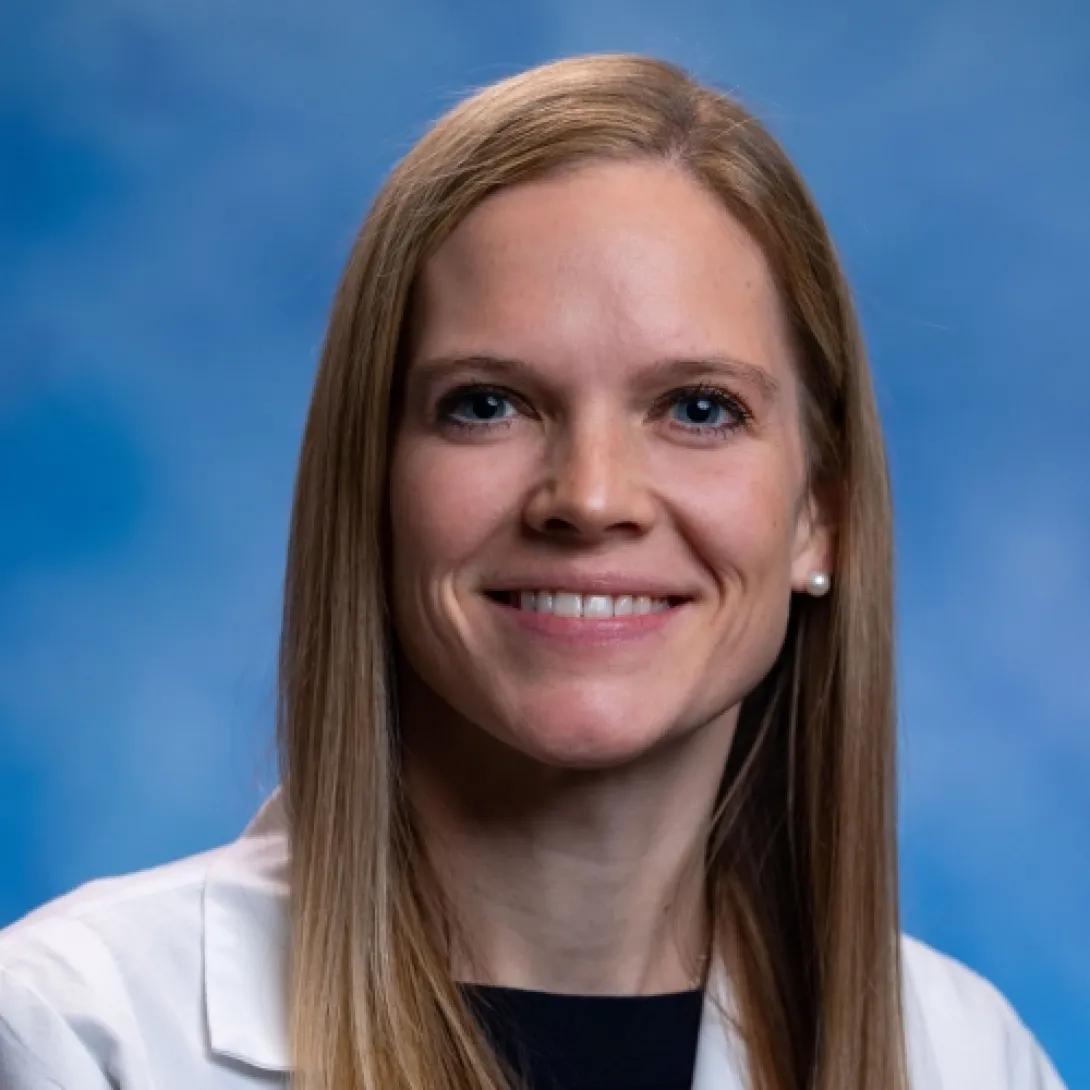
Aimee Marie Rolston, MD
Clinical Assistant Professor
Gynecological Oncology, Obstetrics & Gynecology

Shitanshu Uppal, MBBS, MBA
Clinical Professor
Gynecological Oncology, Obstetrics & Gynecology
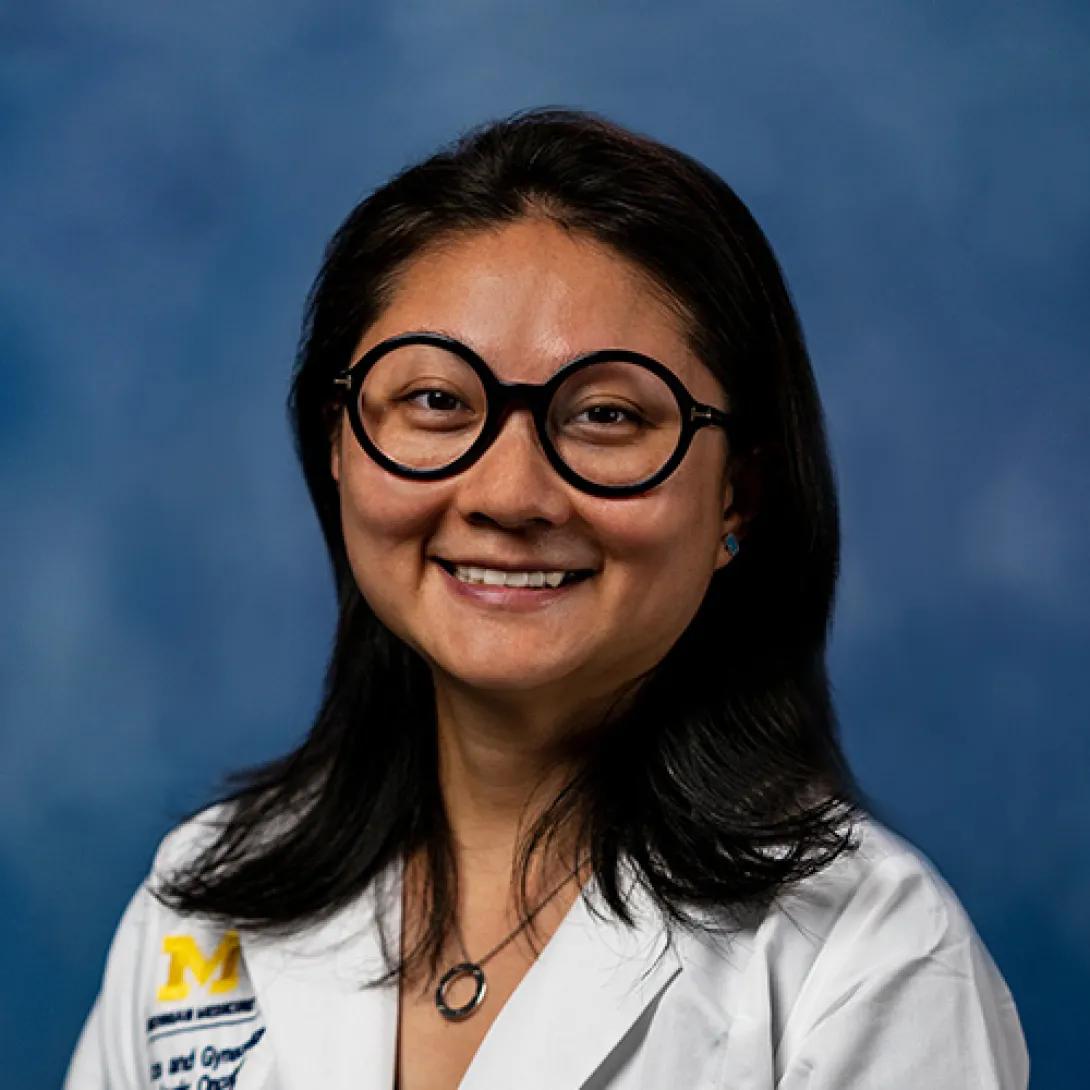
Zhen Ni Zhou, MD, PhD
Clinical Assistant Professor
Gynecological Oncology, Obstetrics & Gynecology
Providers

Olivia Anna De Bear, PA-C
Physician Assistant
Physician Assistant
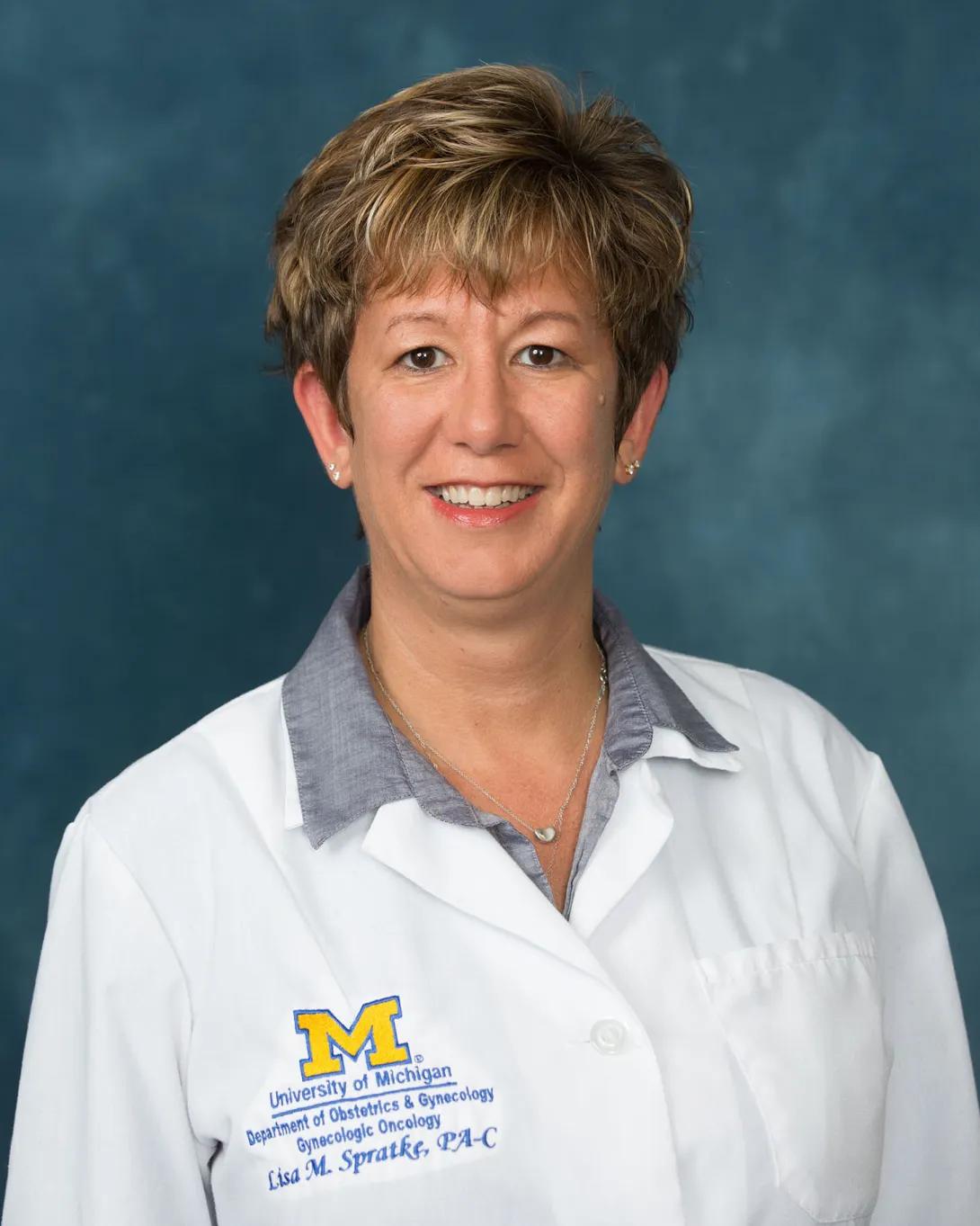
Lisa Marie Spratke, PA-C
Physician Assistant
Physician Assistant

Cynthia Ann Stroup, PA-C
Physician Assistant
Physician Assistant

Christine Wisniewski Willacker, PA-C
Physician Assistant
Physician Assistant
News & Stories
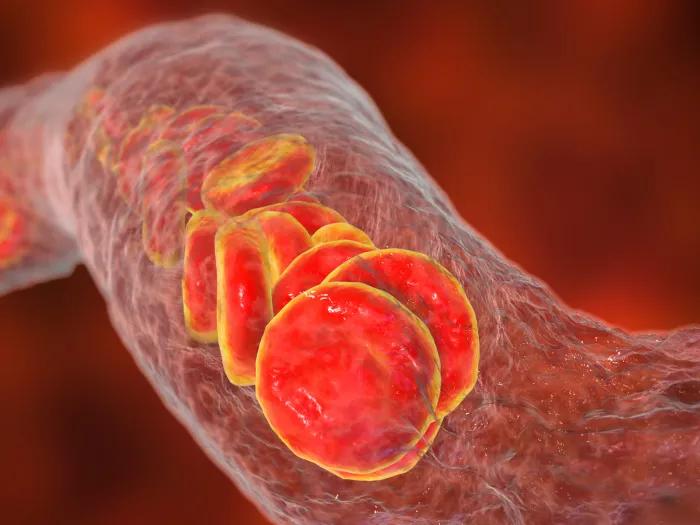
FDA-approved drug offers hope for patients with polycythemia vera, a rare bone marrow disorder

Pediatric patient treated for rare kidney cancer

Rare cancer diagnosis inspires community of support

U-M alumni return from Central Asia to seek treatment for their child at Mott

Specialized care helps patient navigate rare liposarcoma diagnosis