
Myelodysplastic Syndrome
Myelodysplastic Syndrome
What is myelodysplastic syndrome?
Myelodysplastic syndromes (MDS) are diseases of the blood and bone marrow. According to the Aplastic Anemias & MDS Foundation approximately 13,000 people in the United State are diagnosed with MDS each year. It is rare to find MDS in people younger than 40, and most people who are diagnosed with MDS are over 60. It seems to occur most often in men.
In myelodysplastic syndromes, the blood stem cells do not mature into healthy red blood cells, white blood cells, or platelets. The immature blood cells, called blasts, do not function normally and either die in the bone marrow or soon after they enter the blood. This leaves less room for healthy white blood cells, red blood cells, and platelets to develop in the bone marrow. When there are fewer blood cells, infection, anemia, or easy bleeding may occur.
What does the term "myelodysplastic" actually mean?
Appointment Information
The Adult Hematology Oncology Program offers diagnosis and treatment for those with blood cancers. To make an appointment or for more information:
Healthcare professionals, please contact our M-LINE service: 800-962-3555.
Patients, please call 734-647-8902.
What are the symptoms of myelodysplastic syndrome?
Myelodysplastic syndromes often do not cause early symptoms and are sometimes found during a routine blood test. Other conditions may cause the same symptoms. A doctor should be consulted if any of the following problems occur:
- Shortness of breath.
- Weakness or feeling tired.
- Easy bruising or bleeding.
- Petechiae (flat, pinpoint spots under the skin caused by bleeding).
- Fever or frequent infections.
- Bone pain.
How is myelodysplastic syndrome diagnosed?
- Physical exam and history:
An exam of the body to check general signs of health, including checking for signs of disease, such as lumps or anything else that seems unusual. A history of the patient’s health habits and past illnesses and treatments will also be taken. - Complete blood count (CBC) with differential:
A procedure in which a sample of blood is drawn and checked for the following:- The number and types of red blood cells and platelets.
- The number and type of white blood cells.
- The amount of hemoglobin (the protein that carries oxygen) in the red blood cells.
- Bone Marrow biopsy and aspiration
- Bone Marrow has both a solid and liquid part, the bone marrow biopsy or aspiration is the removal of a small amount of solid tissue and fluid using a needle
- These samples are then analyzed to determine the percentage of red cells, white cells, platelets and blasts that are in the bone marrow
How is myelodysplastic syndrome treated?
Treatment options for patients with myelodysplastic syndromes range from supportive care that helps relieve symptoms to aggressive treatment that may slow or prevent progression of the disease.
Three types of standard treatment are used:
Chemotherapy:
In myelodysplastic syndromes, chemotherapy is a treatment that uses drugs to stop the growth of immature blood cells, either by killing the cells or by stopping them from dividing. When chemotherapy is taken by mouth or injected into a vein or muscle, the drugs enter the bloodstream and can reach cancer cells throughout the body (systemic chemotherapy). When chemotherapy is placed directly into the cerebrospinal fluid, an organ, or a body cavity such as the abdomen, the drugs mainly affect cancer cells in those areas (regional chemotherapy). The way the chemotherapy is given depends on the disease being treated.
Supportive Care:
Supportive care is given to lessen the problems caused by the disease or its treatment. Supportive care may include the following:
- Transfusion Therapy
- Growth Factor Therapy
- Drug Therapy
Chemotherapy with Stem Cell Transplant.
Stem cell transplant is a method of giving chemotherapy and replacing blood-forming cells destroyed by the treatment. Stem cells (immature blood cells) are removed from the blood or bone marrow of a donor and are frozen for storage. After the chemotherapy is completed, the stored stem cells are thawed and given back to the patient through an infusion. These reinfused stem cells grow into (and restore) the body's blood cells.

Questions about cancer?
Contact our Cancer AnswerLine™ at 800-865-1125. You'll talk to a nurse with years of experience in cancer care.
Locations
-
Classical Hematology Clinic | Rogel Cancer Center 1500 E Medical Center Dr
Floor B1 Reception A
Ann Arbor, MI 48109-5911Get Directions
Doctors
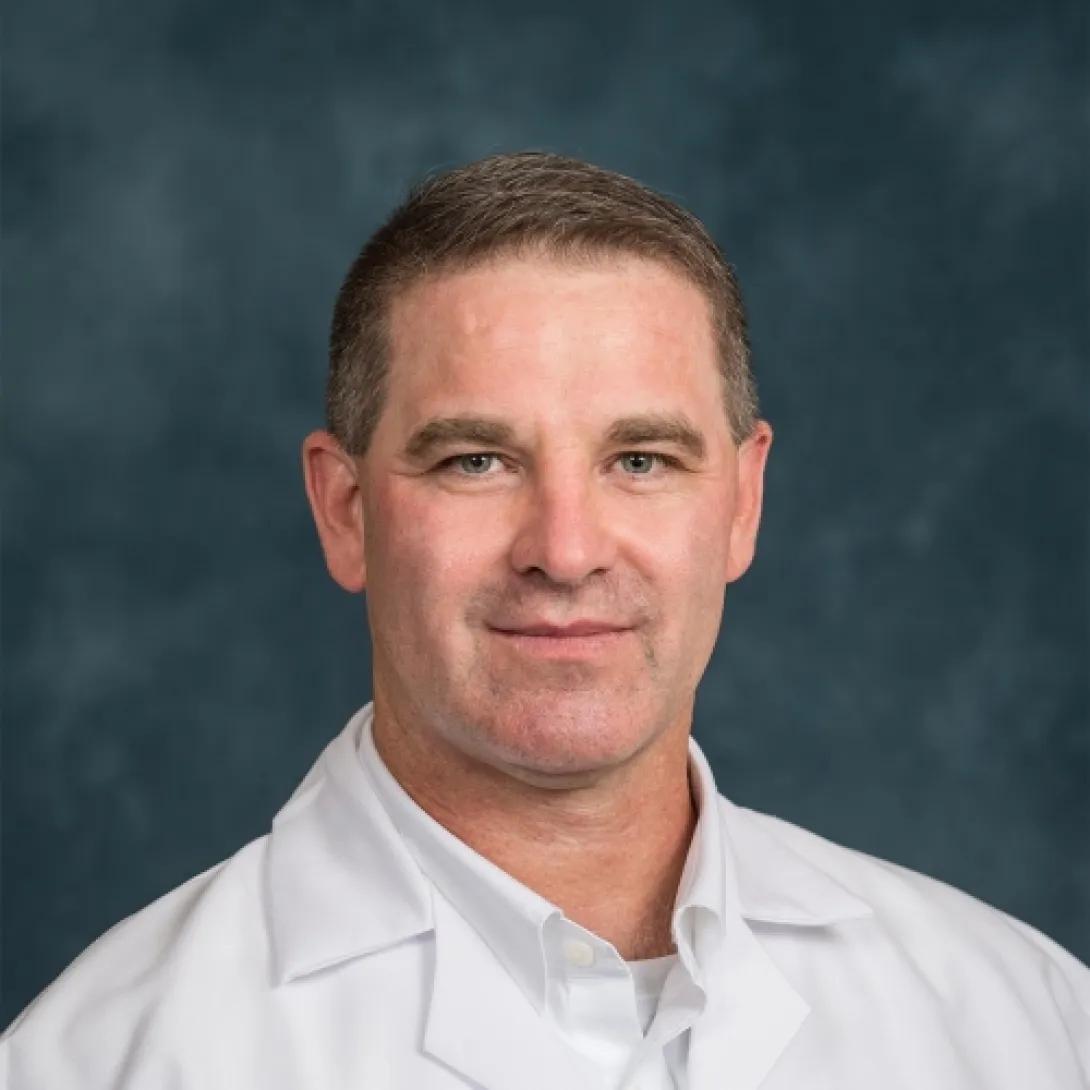
Dale Lee Bixby, MD, PhD
Clinical Professor
Hematology, Medical Oncology, Internal Medicine

Patrick William Burke, MD
Clinical Associate Professor
Hematology, Medical Oncology, Internal Medicine
