TRAM Flap Breast Reconstruction
TRAM Flap Breast Reconstruction
What is TRAM flap reconstruction?
Once you have decided that breast reconstruction surgery is right for you, you and your plastic surgeon will discuss which surgery options may be best for you. Some reconstruction options are flap procedures, which use tissue from a different area of your body to recreate the breast.
In the TRAM flap procedure, the skin, fat and muscle of the lower abdomen are used to recreate the breast. This is some of the same tissue that is taken during a tummy tuck procedure.
Appointment Information
If you are ready for a consultation about your breast reconstruction options, call 734-998-6022 to schedule an appointment with one of our plastic surgeons.
How does the TRAM flap procedure work?
A TRAM flap procedure is done by using skin, fat and muscle from the lower abdomen. There are two ways this tissue can be taken:
- Tunneling (pedicle) method: Tissue is separated from its original location without being completely disconnected, turned upwards and tunneled under the abdomen. It is brought up and out through the mastectomy site and sculpted to look as much like the other breast as possible. In the case of a double mastectomy, the tissue on the lower abdomen may be used to make two breasts
- Free flap (microsurgical) method: This method uses the same tissue as the tunneling method, but the tissue is completely removed from the body instead of keeping it attached. The tissue is transferred to the mastectomy site, along with an artery and vein to supply blood to the flap tissue to connect it to the circulation of the breast.
What are the outcomes of TRAM flap reconstruction?
Since TRAM flap reconstruction uses your natural tissue, the reconstructed breast will be able to change alongside your natural breast, like during weight changes. As a free flap reconstruction, surgeons can shape the flap and outcomes tend to be more in line with your specific goals. Some surgeons prefer the free flap method to the tunneling method because they may be better able to sculpt the tissue to the shape of a normal breast
Recovery
After surgery, you will remain under close observation for three to five days so that your surgical team can closely monitor blood flow to the newly constructed breast and ensure that the flap is healthy.
Drains placed in the breast and donor area of the abdomen stay in place for two to three weeks while the patient recovers at home, and are taken out during an office visit. Within six weeks, patients may return to driving, some work (depending on job requirements) and light exercise. Most patients are back to their regular routines and full activities in eight weeks. Because TRAM flap reconstruction takes a section of the muscle wall, you will not be able to lift heavy weights during recovery.
What are the risks of the TRAM procedure?
The main concern about the free TRAM procedure is that the reconstruction depends upon the newly attached blood vessels to the flap tissue. If these fail, then there can be flap death and the new breast will be lost, which is a similar risk with DIEP flap reconstruction. Unlike in DIEP flap reconstruction, the TRAM flap procedure can potentially have a negative effect on the muscle wall in the abdomen because a section of the muscle is taken away.
Your surgeon will be able to discuss any potential risks and concerns you may have related to your body type, health, lifestyle and personal reconstruction goals.
Locations
-
Plastic Surgery Clinic | Domino's Farms 24 Frank Lloyd Wright Dr Ste A1200
Lobby A
Ann Arbor, MI 48105-9484Get Directions
Doctors

Paul Stephen Cederna, MD
Professor
Plastic Surgery

Jessica Jen-Tau Hsu, MD
Clinical Associate Professor
Plastic Surgery

Jeffrey Hall Kozlow, MD
Clinical Professor
Plastic Surgery, Surgery

Theodore Alexander Kung, MD
Clinical Professor
Plastic Surgery

Paige Myers, MD, MPH
Clinical Associate Professor
Plastic Surgery
Rajiv Parikh, MD
Clinical Associate Professor
Plastic Surgery
Noah Saad, MD
Clinical Assistant Professor
Plastic Surgery, Surgery
News & Stories

Lower firework age restrictions leads to increase in pediatric hand injuries

Breast cancer patient encourages women to commit to their health
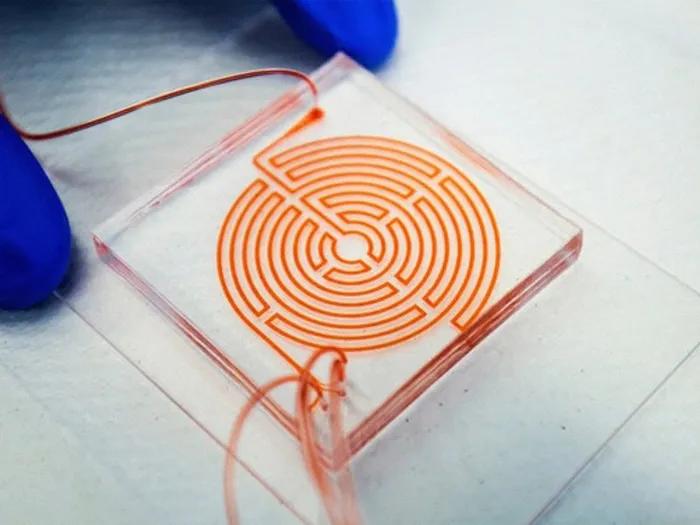
Capturing cancer cells from blood could help doctors choose the right breast cancer treatment
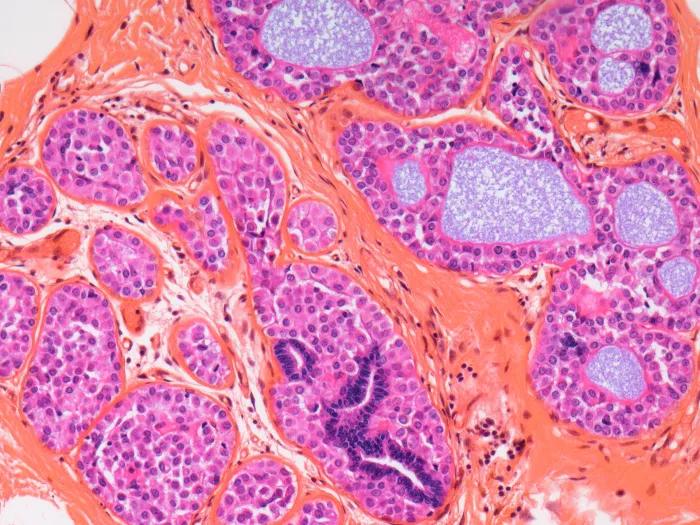
What is ductal carcinoma in situ breast cancer?
Patients are opting in for 10 years of breast cancer treatment