Beginning Recovery After ICU Neurorehabilitation (BRAIN) Clinic
Beginning Recovery After ICU Neurorehabilitation (BRAIN) Clinic
The Beginning Recovery After ICU Neurorehabilitation (BRAIN) Clinic includes specialists from pediatric neurology, physical medicine and rehabilitation, and neuropsychology working together to ensure that the patient experiences the best medical, physical and psychological outcomes possible while recovering from a serious neurologic condition.
Our Approach
Our multidisciplinary approach ensures that your child receives care that starts in the intensive care unit and continues recovery beyond their hospital discharge. Located at the Pediatric Rehabilitation Center, your child will see three specialists focused on maximizing recovery after neurologic injury. The BRAIN clinic can also connect families to support through rehabilitation therapies, social work, case management, and our experienced nurse to ensure we are addressing your child’s recovery needs across all aspects of life after an ICU stay.
Who We Treat
Our clinic is designed to care for infants and children who recently experienced a serious neurologic condition requiring hospitalization in an intensive care unit.
Example conditions may include, but are not limited to:
- Traumatic brain injury
- Stroke
- Brain bleeds
- Blood vessel malformations impacting the brain
- Infection of the brain or spinal cord
- Neuropathy or myopathy from critical illness
- Autoimmune encephalitis
- Brain injury from cardiac arrest
- Neonatal hypoxic-ischemic brain injury
- Demyelinating disease
- Disorders of consciousness
- Guillain-Barre Syndrome
- Seizures including status epilepticus
- Spinal cord injury
- Genetic and metabolic disorders impacting the brain
Appointment Information
Referrals to the clinic usually come from the C.S. Mott Children’s Hospital care team. Outside referrals should be marked “BRAIN clinic” and sent to Pediatric PM&R and Neuropsychology. Patients and families should expect to spend about two hours at this appointment.
Locations
-
Pediatric Rehabilitation Center 2205 Commonwealth Boulevard
Ann Arbor, MI 48105Get Directions
Doctors
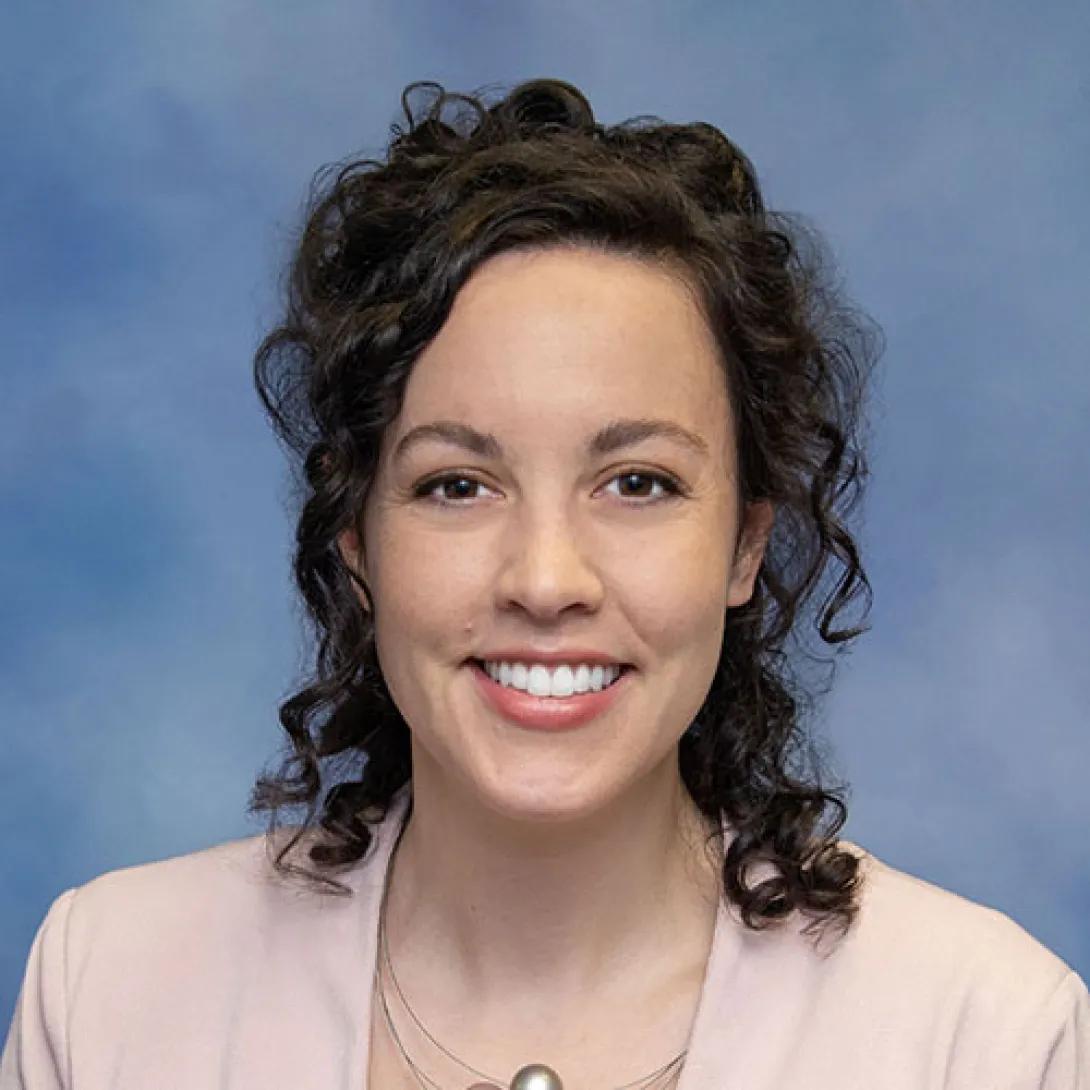
Giulia Marian Benedetti, MD
Clinical Associate Professor
Epileptologists, Neurology, Pediatrics
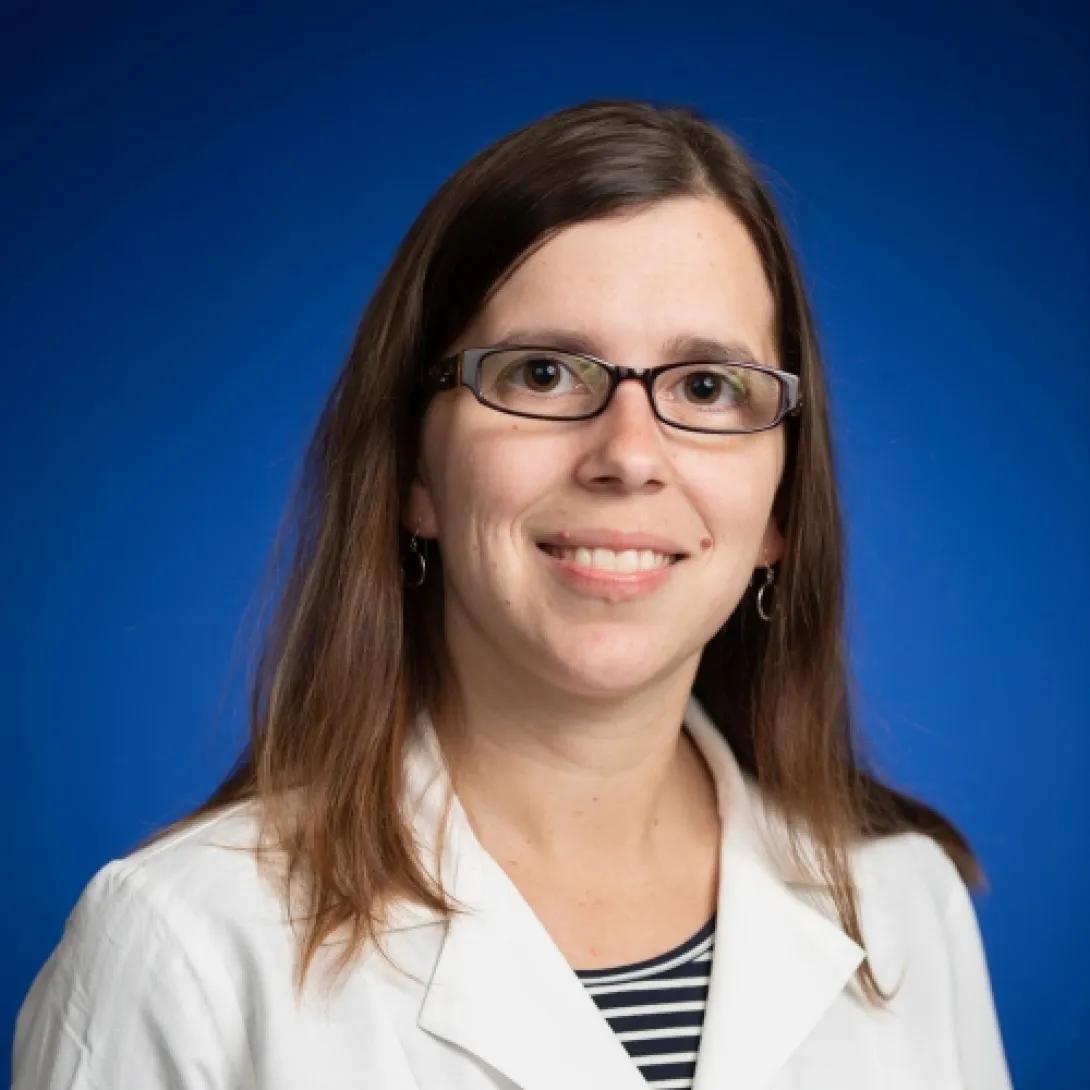
Alecia Kupser Daunter, MD
Clinical Associate Professor
Pediatric Rehabilitation Medicine, Physical Medicine & Rehabilitation
Angad Kochar, MD
Clinical Assistant Professor
Child Neurology, Pediatrics
Taryn-Leigh Surtees, MD
Clinical Assistant Professor
Child Neurology
Providers
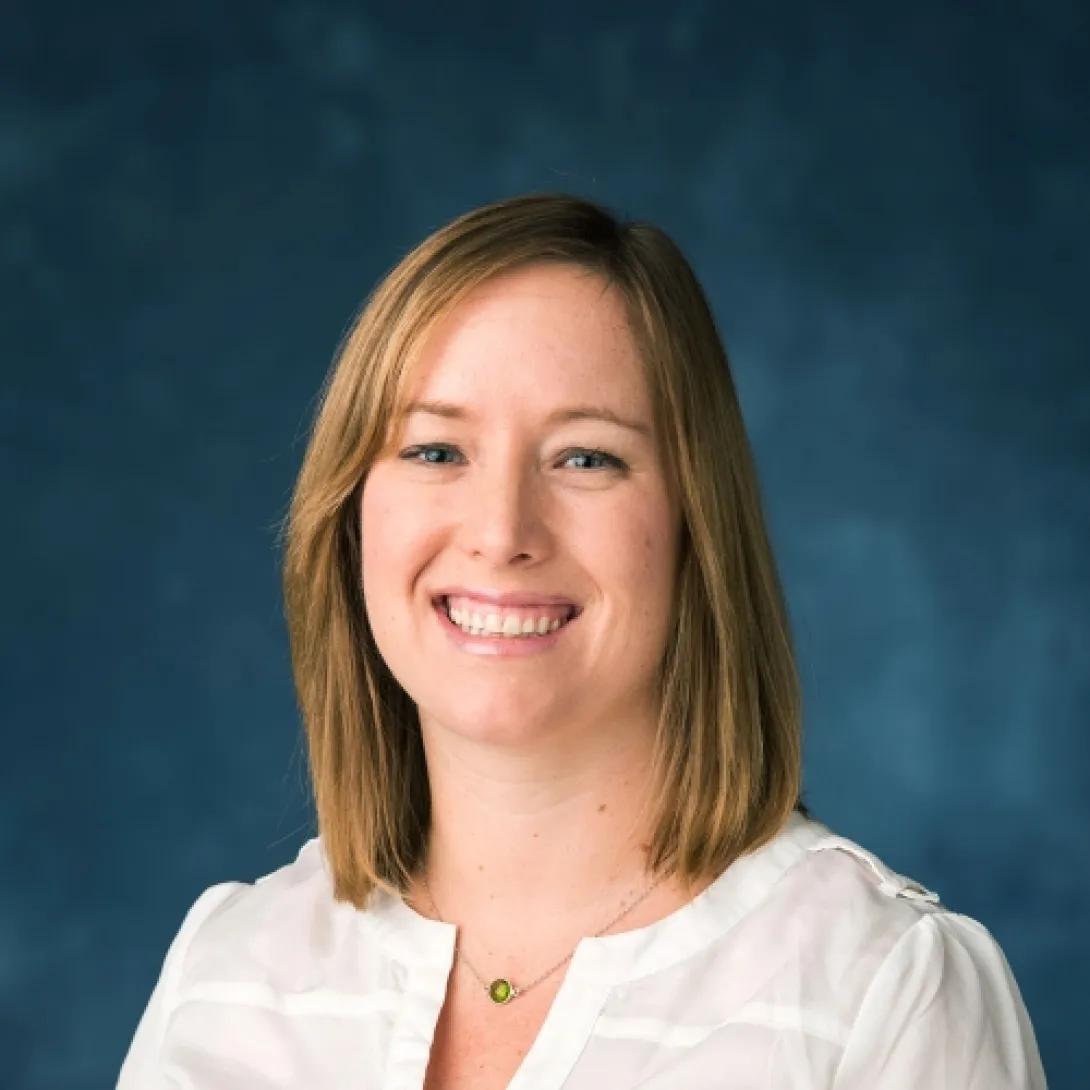
Abigail Ruth Johnson, PhD
Clinical Associate Professor
Clinical Psychology, Clinical Neuropsychology
Marie Vantubbergen, PhD
Clinical Associate Professor
Clinical Psychology, Clinical Neuropsychology, Rehabilitation Psychology
News & Stories
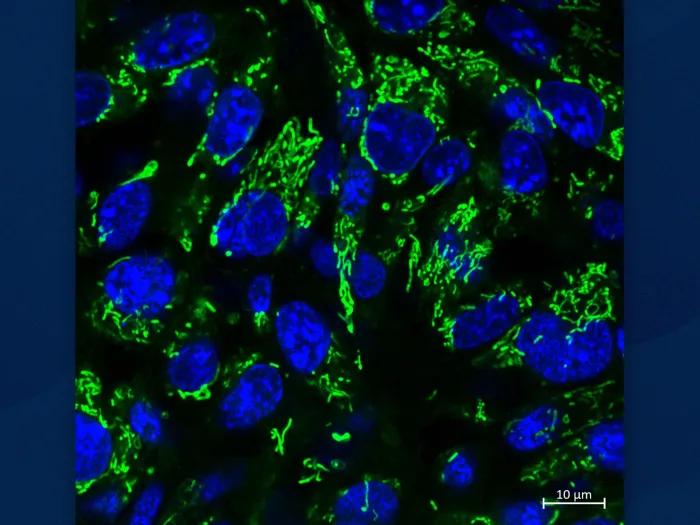
Engineered nanoparticles sensitize gliomas to radiotherapy
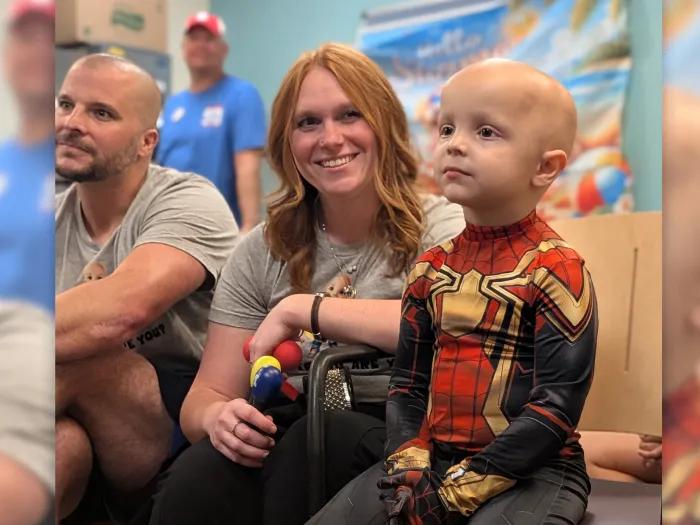
Talent show brings joy to kids at children’s hospital
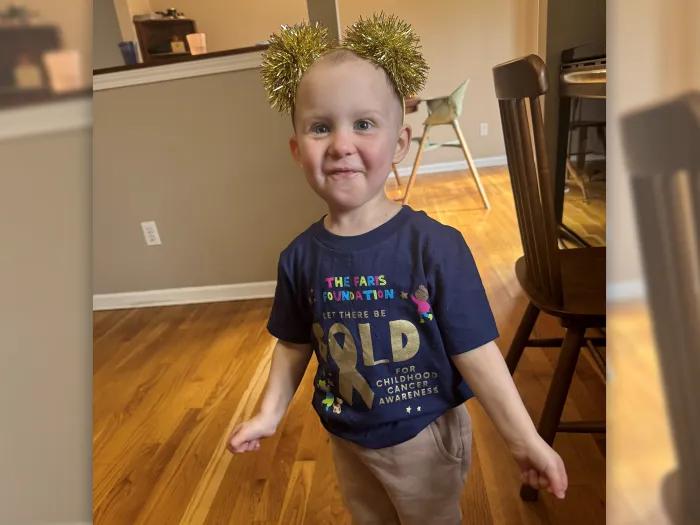
U-M alumni return from Central Asia to seek treatment for their child at Mott
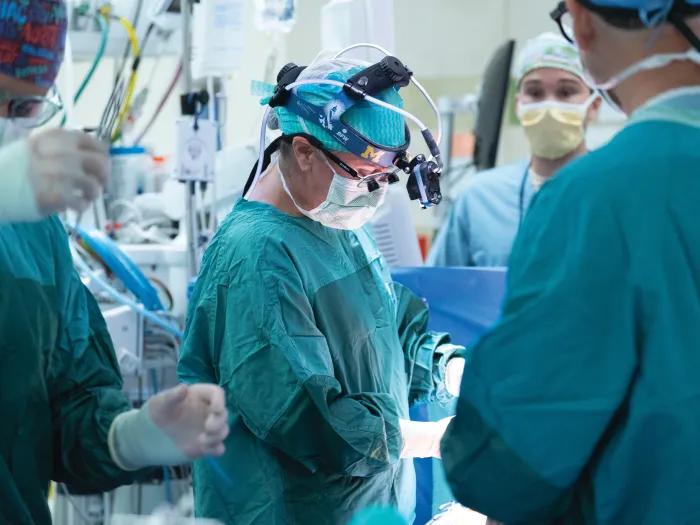
C.S. Mott Children’s Hospital first in country to implant expandable heart valve during FDA review phase
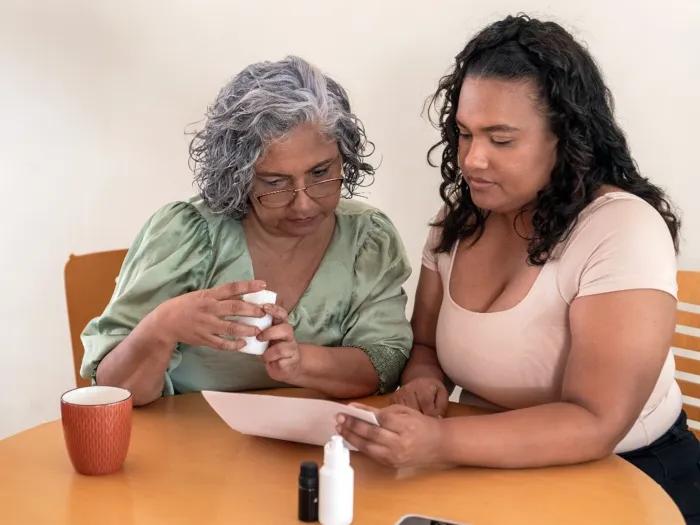
First person-centered measure of dementia caregiving styles improves partner, patient outcomes