STEPS Autism Treatment Program
STEPS Autism Treatment Program
The U-M Health STEPS Autism Treatment Program provides individualized treatment for children with autism in a small group setting and/or a combined speech and occupational therapy setting. The goals are to improve a child’s language, social and cognitive skills. Our clinicians incorporate evidence-based treatment methods with theme-based learning in motivating environments to help children develop these skills and apply their learning across multiple contexts.
Children between the ages of 2-4 years with an autism diagnosis are eligible to enroll in the STEPS program. For more information, or to determine eligibility for the STEPS Autism Program, request a referral for a Speech Language Pathology evaluation from your pediatrician.
Our Approach
The group schedule is similar to a preschool model and includes circle time, snack, art, music, gym and play time. Intervention approaches (for example: Pivotal Response Teaching) are embedded into each activity to target individual goals and core features of autism spectrum disorders. Naturalistic approaches target similar goals and are embedded into play time. Behavioral principles are used continuously throughout each session. Least-to-most prompting hierarchies are used to avoid prompt dependency. Data are collected on each child’s goals during each session to monitor progress and update goals as they are met.
Some of the approaches include:
- Discrete Trial Training (DTT)
- Behavior Modification - Antecedent-Based Intervention & Extinction
- Functional Behavior Assessment
- Pivotal Response Training (PRT)
- Social Narratives
- Joint Action Routines (JAR)
- Enhanced Milieu Teaching (EMT)
- DIR (Developmental Individual differences & Relationship-based model)/Floor time
- Picture Exchange Communication System (PECS)
- Visual Supports
- Joint Attention Symbolic Play Engagement Regulation (JASPER)
Services
Program Components
- 90-120 minute group treatment session twice each week or three individual co-treat sessions with occupational therapy and speech therapy with family immersion components
- All group treatment sessions are led by a certified speech language pathologist
- Minimum of two staff per three children in a group with one-to-one instruction within each session
- Parent training including educational materials and worksheets, as well as individual consultation
- Interaction with peers and children with differing developmental disabilities
Treatment
- Consideration of each child’s individual strengths
- Utilization of multiple treatment methods
- Immersion within a highly visual environment
- Emphasis on self-initiation with minimization of rote-learning
- Routine-based learning with generalization incorporated during emerging concepts (before mastery)
- Application of low-tech augmentative and alternative communication (AAC) to promote language and increase awareness of expectations
Appointment Information
For appointments, please call 734-232-7513.
Visit the Appointment page for more information.
Doctors
Martha Diane Carlson, MD, PhD
Clinical Associate Professor
Child Neurology, Pediatrics
Barbara True Felt, MD, MS
Clinical Professor Emeritus
Pediatrics-Developmental/Behavioral, Pediatrics
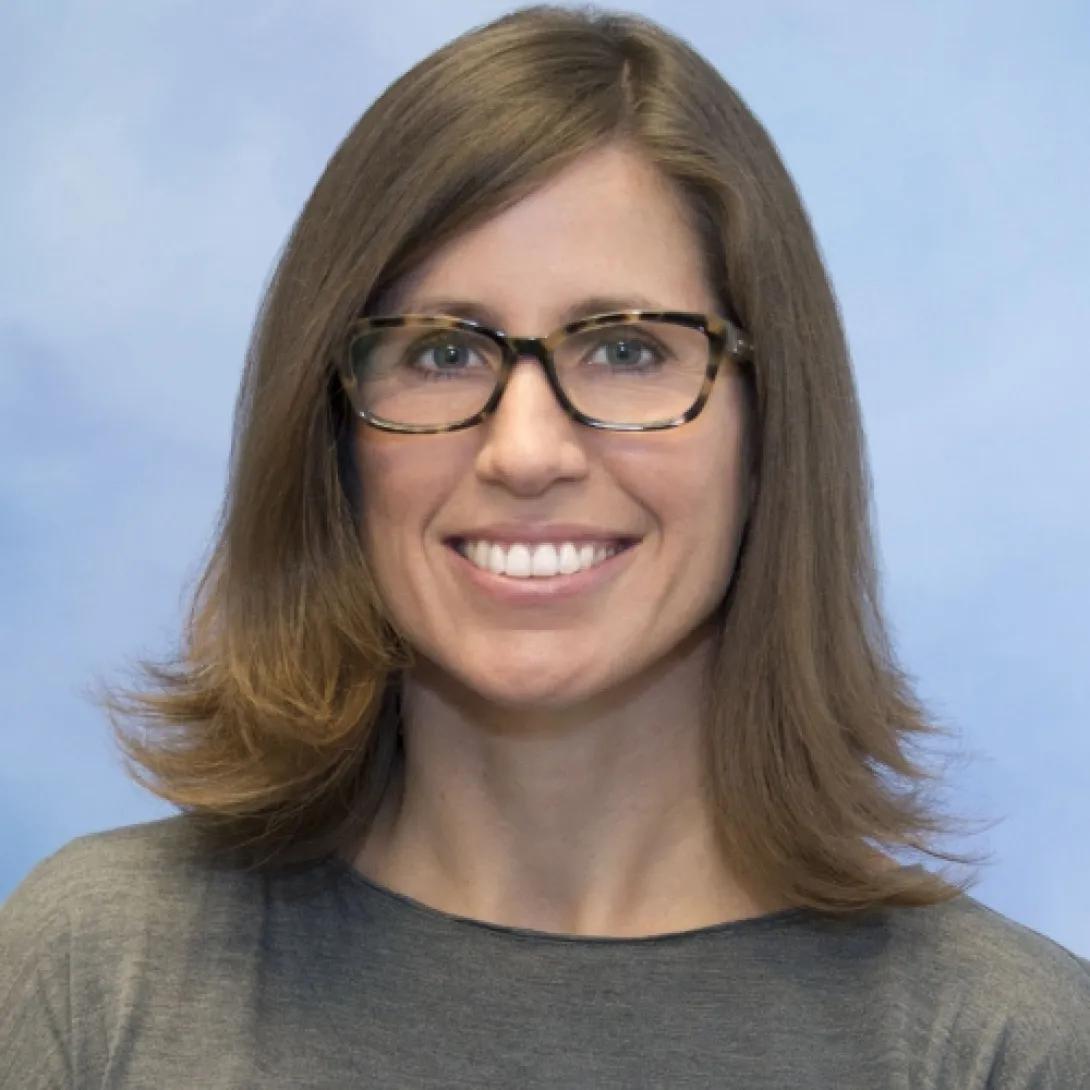
Jenny Stillwaggon Radesky, MD
Associate Professor
Pediatrics-Developmental/Behavioral, Pediatrics
News & Stories

Foundation gift inspires additional gifts to strengthen youth mental health care

Many parents face challenges getting kids to eat a healthy breakfast before school
Back-to-school anxiety: 6 ways to fight the fear

Helping kids with ADHD thrive in school
More leucovorin prescribed to kids after federal officials touted its unproven benefits for autism