Pediatric Neuroimmunology Clinic
Pediatric Neuroimmunology Clinic
The Pediatric Neuroimmunology Clinic specializes in diagnosing and treating autoimmune disorders affecting the central nervous system in children and adolescents. Our multidisciplinary team provides comprehensive care for various neuro-immune diseases - such as multiple sclerosis, NMOSD, and autoimmune encephalitis - ensuring personalized treatment plans and support for each patient.
Our Approach
We will ask several questions regarding your child’s medical and neurological history as well as complete a thorough neurological exam. We will discuss whether your child has features of a neuro-immunological disease and whether there is further testing needed to make a diagnosis. We will also discuss options for treatment and plan for disease monitoring.
Services
Types of demyelinating diseases include:
- Multiple Sclerosis (MS)
- Myelin Oligodendrocyte Glycoprotein Antibody-Associated Disease (MOGAD)
- Neuromyelitis Optica Spectrum Disorder (NMOSD)
- Transverse Myelitis
- Optic Neuritis
- Acute Disseminated Encephalomyelitis (ADEM)
- Clinically Isolated Syndrome (CIS)
- Radiologically Isolated Syndrome (RIS)
Outside of demyelinating disorders, there are other neuro-immunological disorders such as:
- Autoimmune Encephalitis
- Opsoclonus-Myoclonus-Ataxia Syndrome (OMAS/OMS)
- Central Nervous System Vasculitis/Primary Angiitis of the Central Nervous System (PACNS)
- Lupus Cerebritis
- Neurosarcoidosis
- Hashimoto’s Encephalopathy
- Neuro-Behcet’s
- Neuro-Sjogren’s
- Acute Flaccid Myelitis - This is an infectious disorder, not a neuro-immune disorder, but the Pediatric Neuroimmunology Clinic is still typically involved in the evaluation and management of this disorder.
Testing may include:
- MRIs of the brain or spinal cord
- Blood tests
- Lumbar puncture (spinal tap)
- Neuro-ophthalmology exam
- Electroencephalogram (EEG)
The type of and length of treatment will depend on the disease and its severity. These options will be discussed in detail at your child’s clinic visit and discussions will continue at every subsequent visit.
Appointment Information
To learn more or to schedule an appointment, please call 734-936-4179.
Locations
-
Pediatric Neurology Clinic | C. S. Mott Children's Hospital 1540 E Hospital Dr
Floor 6 Reception C
Ann Arbor, MI 48109-4234Get Directions
Doctors
Maysa Hamade, MD
Assistant Professor
Neurology
News & Stories
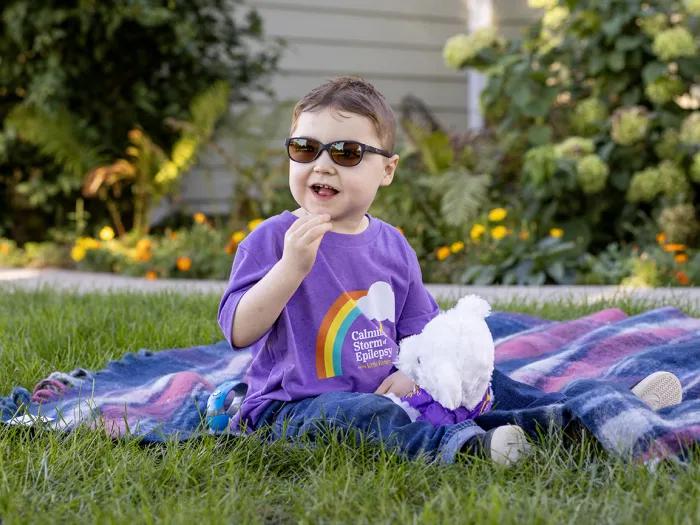
A pediatric epilepsy fundraiser that changes lives
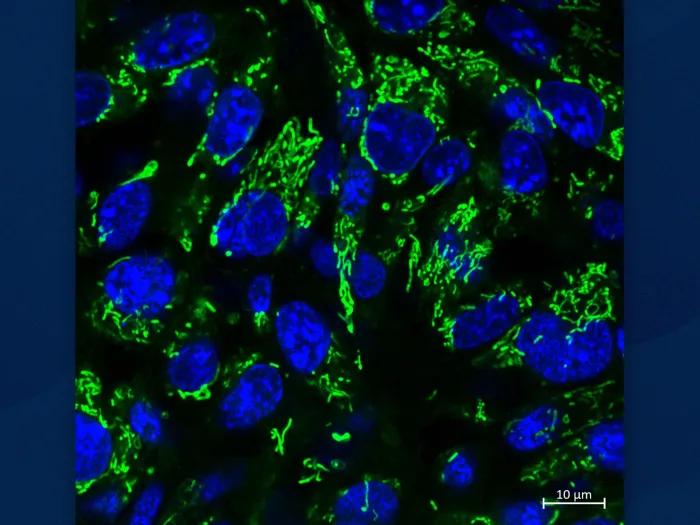
Engineered nanoparticles sensitize gliomas to radiotherapy
A first-of-its-kind treatment for mastocytosis
Block Out Cancer: From a crisis abroad to answers at Mott
Trial focuses on duration of therapeutic hypothermia for out-of-hospital cardiac arrests