Liver Cancer
Liver Cancer
What is liver cancer?
Liver cancer is the growth of abnormal cells in the liver. Liver cancer may spread to nearby tissues or to other parts of the body, such as the lungs or bones. The most common type of liver cancer is hepatocellular carcinoma.
Primary liver cancer
Cancer that begins in the liver is primary liver cancer. These cancers include:
- Bile duct cancer: Bile duct cancer begins in the lining of tubes that carry bile from the liver to the gallbladder (small bile ducts). Bile duct cancer inside the liver is also known as cholangiocarcinoma.
- Hepatocellular carcinoma: Hepatocellular carcinoma is the most common type of liver cancer. Cancer cells may form a single tumor or may be spread throughout the liver.
Our liver cancer experts also treat gallbladder cancer. Gallbladder cancer occurs when cells in the lining of the gallbladder grow in ways they shouldn’t.
Metastatic liver cancer
Metastatic, or secondary, liver cancer is cancer that began somewhere else in the body and spread to the liver. Many types of cancer can spread to the liver, including colon cancer, pancreatic cancer and stomach cancer.
Appointment Information
The Liver Cancer Program evaluates and treats patients with known or suspected liver and bile duct cancer. If you've been diagnosed with bile duct cancer, or suspect you may have it, please call 734-647-8902.
If you're referring a patient, please contact M-Line 800-962-3555.
For people with questions, please call our Cancer AnswerLine at 800-865-1125.
What are the symptoms of liver cancer?
You might not notice any liver cancer symptoms in the early stages of cancer. But symptoms can include:
- Abdominal fullness, pain or swelling
- Decreased appetite or unexplained weight loss
- Feeling full right away when eating
- Itching
- Nausea and vomiting
- Yellow skin or eyes (jaundice)
How is liver cancer diagnosed?
We typically diagnose liver cancer using imaging tests. The skilled radiologists on our gastrointestinal (GI) cancers team are experts in taking and interpreting abdominal images. We use:
- Computed tomography (CT) scan: Specialists use X-rays to take detailed images of your abdomen. We use these images to locate and assess liver tumors.
- Magnetic resonance imaging (MRI): Our experts use a test that creates images with radio waves and magnets. We interpret these images to determine tumor size, location and type. We also look for blocked blood vessels in or near the liver.
- Ultrasound: Specialists move a probe (transducer) over the skin of the abdomen. This probe uses sound waves to create detailed pictures of the liver and any liver tumors that are present.
Occasionally, our specialists may recommend a liver biopsy. We take a small sample of liver tissue for our pathology experts to examine under a microscope to look for cancer.
How is liver cancer treated?
The liver cancer experts at Rogel Cancer Center specialize in treating the most complex liver cancers. We get to know you so we can understand your goals before developing a treatment plan.
Our expert surgeons develop plans to remove even the most challenging liver tumors. Surgeries we use include:
- Partial hepatectomy: Experts remove the part of the liver containing cancer in healthy people with good liver function.
- Liver transplant: We remove the entire diseased liver and replace it with a healthy liver from a donor. Experts consider tumor size and location, your liver health and overall health in determining if liver transplant is right for you.
Ablation therapy
When surgery isn’t possible, our experts may use ablation techniques to shrink tumors. We use different types of energy to target and destroy cancerous tissue, including:
- Irreversible electroporation: Specialists insert multiple thin probes into the liver to destroy cancer cells without excessive heat. This permits ablation of tumors that are close to other critical structures in the liver.
- Microwave ablation: Experts insert a thin probe into liver tumors to burn cancer cells with electromagnetic waves.
Interventional oncology
Interventional oncologists use techniques known as trans-arterial therapies to remove and shrink liver tumors. These therapies include:
- Trans-arterial chemoembolization: Specialists insert a thin flexible tube (catheter) into one of the liver’s main blood vessels (hepatic artery). They inject tiny beads, seeds or pellets that contain chemotherapy drugs to deliver the drug close to the tumor.
- Trans-arterial embolization: Experts use a catheter to inject tiny particles into the hepatic artery near the tumor. These particles block blood supply to the tumor, causing it to shrink.
Radiation oncology
Our radiation oncology specialists use advanced radiation techniques to shrink liver tumors. Experts employ these techniques when surgery isn’t possible to provide palliative care and help manage cancer symptoms. We also shrink larger liver tumors so they can be removed surgically or undergo other therapies. We offer:
- External beam radiation therapy: We use a machine to aim energy beams directly at liver tumors to destroy cancer cells.
- Stereotactic body radiotherapy (SBRT): Experts deliver strong, precise radiation doses to liver tumors using an image-guided system.
- Yttrium-90: Experts inject radioactive microspheres into the hepatic artery. The beads stay in the blood vessel and give off radiation near the tumor. Yttrium-90 helps shrink liver tumors by guiding the radiation very precisely into the tumor.
Systemic therapy
Our experts use certain medications that you take orally (pills) or through a flexible tube placed in a vein (intravenously). We may use:
- Chemotherapy: Drugs that circulate through your bloodstream and kill cancer cells
- Immunotherapy: Drugs that tell your immune system to destroy cancer cells
- Targeted therapy: Drugs that attack specific cancer cells while sparing healthy cells
Hepatic artery infusion pump (HAIP) therapy
For some cancers that are widespread throughout the liver, our experts may use hepatic artery infusion pump (HAIP) therapy. Specialists implant a small device under the skin of the abdomen and insert a thin flexible tube (catheter) into the hepatic artery. The pump delivers a high dose of floxuridine, a chemotherapy drug, directly to the liver.
Your doctor may have you receive HAIP for two weeks and then take two weeks off. You may have HAIP in addition to systemic chemotherapy. This therapy helps improve survival rates in people with liver cancer.
Histotripsy
Histotripsy is a non-invasive treatment performed under general anesthesia. Patients typically go home the same day. The treatment works by using targeted ultrasound waves to form microbubbles within the tumor. The forces created as those bubbles form and collapse cause the mass to break apart, killing tumor cells and leaving the debris to be cleaned up by the immune system.

Questions about cancer?
Contact our Cancer AnswerLine™ at 800-865-1125. You'll talk to a nurse with years of experience in cancer care.
Locations
-
Multidisciplinary Liver Clinic | Rogel Cancer Center 1500 E Medical Center Dr
Floor B1 Reception E
Ann Arbor, MI 48109-5912Get Directions
Doctors

Anum Aslam, MBBS
Clinical Associate Professor
Diagnostic Radiology

Daniel Tandel Chang, MD
Professor
Radiation Oncology

Clifford Suhyun Cho, MD
Professor
Surgery

Jared A Christensen, MD
Clinical Associate Professor
Vascular & Interventional Radiology, Diagnostic Radiology

OXANA V Crysler, MD
Clinical Assistant Professor
Medical Oncology, Internal Medicine

Kyle Clifford Cuneo, MD
Clinical Professor
Radiation Oncology
Thomas M Enzler, MD, PhD
Clinical Assistant Professor
Medical Oncology, Internal Medicine

Benjamin David Ferguson, MD PhD
Clinical Assistant Professor
Surgical Oncology, Surgery

Evan Scott Glazer, MD
Clinical Professor
Surgery, Complex General Surgical Oncology

Hero Kamal Hussain, MD
Professor
Diagnostic Radiology









Providers

Ashleigh Nora Gamalski, PA-C
Physician Assistant
Physician Assistant
Taleen Anoush Long, PA-C
Physician Assistant
Physician Assistant
News & Stories

Exceptional response to immunotherapy gives patient with liver cancer more milestones to celebrate
Diagnosed with pancreatic cancer: Now what?
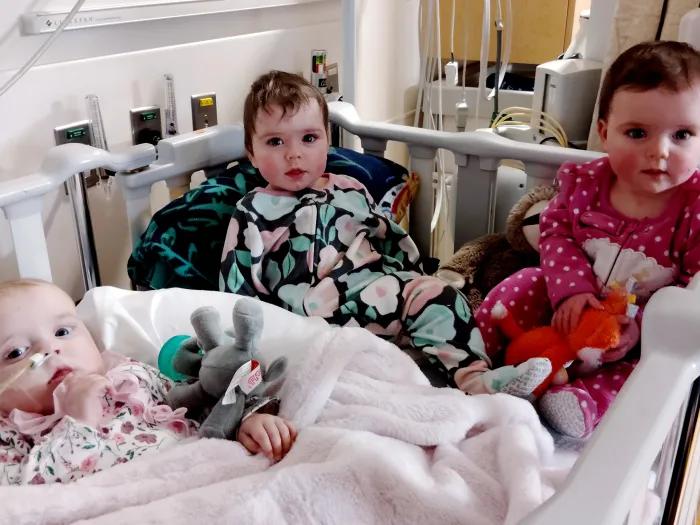
Rare infant triplet overcomes one-in-a-million type of liver cancer
Understanding Prostate Biopsy
Focal therapy for prostate cancer