
News & Stories from the Rogel Cancer Center
Health Lab
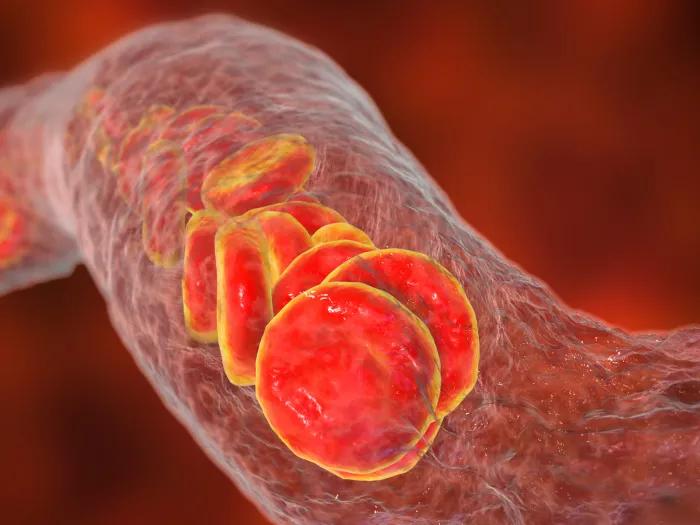
FDA-approved drug offers hope for patients with polycythemia vera, a rare bone marrow disorder
FDA-approved rusfertide offers new hope for polycythemia vera patients by reducing phlebotomy dependence, easing symptoms, and improving daily life.

Health Lab
Pediatric patient treated for rare kidney cancer
When 18-month-old Maria was diagnosed with an exceptionally rare kidney cancer, specialists at C.S. Mott Children's Hospital created a customized treatment plan that saved her life.
Health Lab
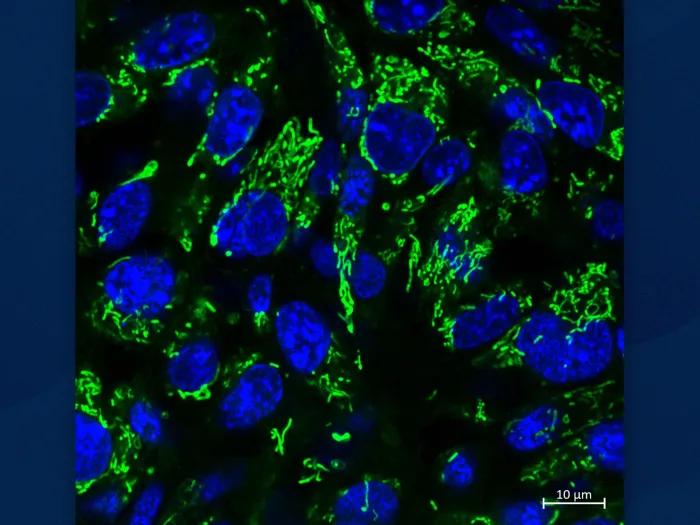
Engineered nanoparticles sensitize gliomas to radiotherapy
University of Michigan researchers discovered a new pathway that sensitizes mIDH1 gliomas to radiation in human and mouse mIDH1 glioma cells and mouse models, paving the way for phase 1 clinical trials in humans

News Release
Histotripsy research center launches to advance sound-wave-based cancer treatment
Expanding use of a non-invasive, ultrasound-based cancer treatment is the ultimate goal of the new University of Michigan Histotripsy Center, a first-of-its-kind facility launched Sept. 10.

Health Lab
Talent show brings joy to kids at children’s hospital
A weekly talent show at University of Michigan Health C.S. Mott Children's Hospital helps pediatric cancer patients and families find support, healing and happiness through music, magic, and creative expression.
News Release
Max Wicha set to retire after 46 years
After 46 years of service, Max S. Wicha, MD, founding director of the University of Michigan Rogel Cancer Center, will retire from the University of Michigan and move to emeritus status.

Health Lab
U-M alumni return from Central Asia to seek treatment for their child at Mott
After a leukemia diagnosis overseas, a young girl returned to Michigan for expert pediatric cancer care at C.S. Mott Children’s Hospital.

Health Lab
Specialized care helps patient navigate rare liposarcoma diagnosis
Specialized care helps a Michigan Medicine patient navigate a rare liposarcoma diagnosis.

Health Lab
Blood-based multi-cancer screening tests: Ready for primetime?
Blood-based multi-cancer screening tests may hold promise, but U-M experts recommend proven cancer screening methods and genetic risk assessment first.

Health Lab
New oral nanomedicine boosts effectiveness of cancer immunotherapies
University of Michigan researchers developed an oral drug that can increase the ability of T cells to attack tumors. The drug uses the microbial metabolite 3,4-dihydroxybenzoic acid, which is derived from dietary fiber.

News Release
Rogel Cancer Center names Kaffenberger to deputy director role
The University of Michigan Rogel Cancer Center has named Samuel Kaffenberger, MD, as deputy director for cancer clinical services.
Health Lab
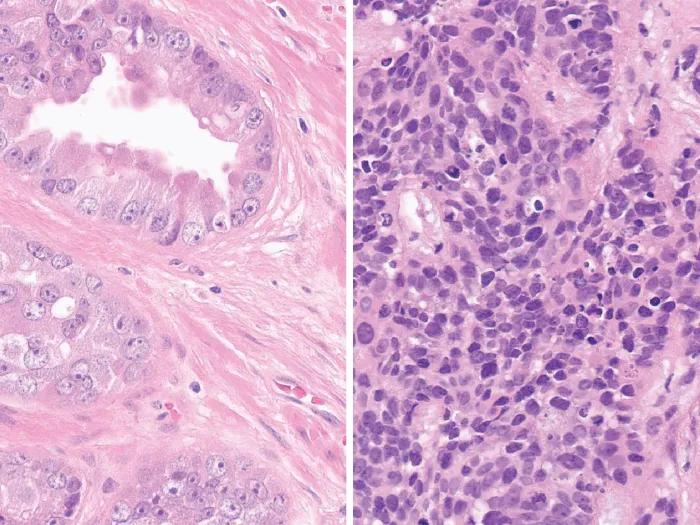
New drug combination may help treat advanced prostate cancer
University of Michigan researchers found that combining BET bromodomain and DNMT inhibitors may slow the growth of treatment-resistant prostate cancer by targeting transdifferentiated tumors.
