Oral Cancer
Oral Cancer
What is oral cancer?
Oral cancer (also known as mouth cancer) forms in the tissues of the lip or mouth. This includes the front two thirds of the tongue, the upper and lower gums, the lining inside the cheeks and lips, the bottom of the mouth under the tongue, the bony top of the mouth, and the small area behind the wisdom teeth.
Appointment Information
The Head & Neck Oncology Program offers diagnosis and treatment for those with mouth cancer. To make an appointment, call 734-936-8051.
Healthcare professionals, please contact our M-LINE service: 800-962-3555.
What are the symptoms of oral cancer?
Symptoms of oral cancer include sores or lumps on the lips or in your mouth. Talk with your doctor if you have any of these signs:
- A sore on your lip or in your mouth that bleeds easily and doesn't heal
- A lump or thickening on your lips, gums, cheek, or in your mouth
- A white or red patch on your gums, your tongue, tonsils, or the lining of your mouth
- A sore throat or a feeling that something is caught in your throat
- Unexplained difficulty chewing, swallowing, speaking, or moving your jaw or tongue
- Numbness or pain in your tongue or other areas of your lips or mouth
- Swelling in your jaw that makes your teeth loose or your dentures fit poorly
- Changes in your voice
- Dry mouth
How is oral cancer diagnosed?
Your dentist or doctor may look closely at your lips, mouth, or throat to check for signs of oral cancer. Other tests may be needed if there are possible signs of cancer. These tests may include a biopsy, an X-ray, or an MRI.
Head & Neck Cancer Program
The Head and Neck Oncology Program follows a team approach to care. Our patients with oral cancer have their case discussed not only by our head and neck oncologists, but also by team surgeons and pathologists. By having everyone involved, a personalized treatment plan is developed. In most cases, this discussion happens the same day as the appointment.
Support
Undergoing treatment for cancer -- particularly head and neck cancer -- is a difficult and sometimes painful process. Since our program is part of the U-M Health Rogel Cancer Center, our patients have access to a range of Patient Support Services.
Locations
-
Head and Neck Oncology Clinic | Rogel Cancer Center 1500 E Medical Center Dr
Floor B1 Reception E
Ann Arbor, MI 48109-5912Get Directions -
Otolaryngology Clinic | Taubman Center 1500 E Medical Center Dr
Floor 1 Reception A
Ann Arbor, MI 48109-5312Get Directions
Doctors
Marisa Rae Buchakjian, MD, PhD
Clinical Assistant Professor
Otolaryngology
Keith Andrew Casper, MD
Clinical Associate Professor
Otolaryngology
David WA Forner, MD, MSc, FRCSC
Clinical Assistant Professor
Otolaryngology
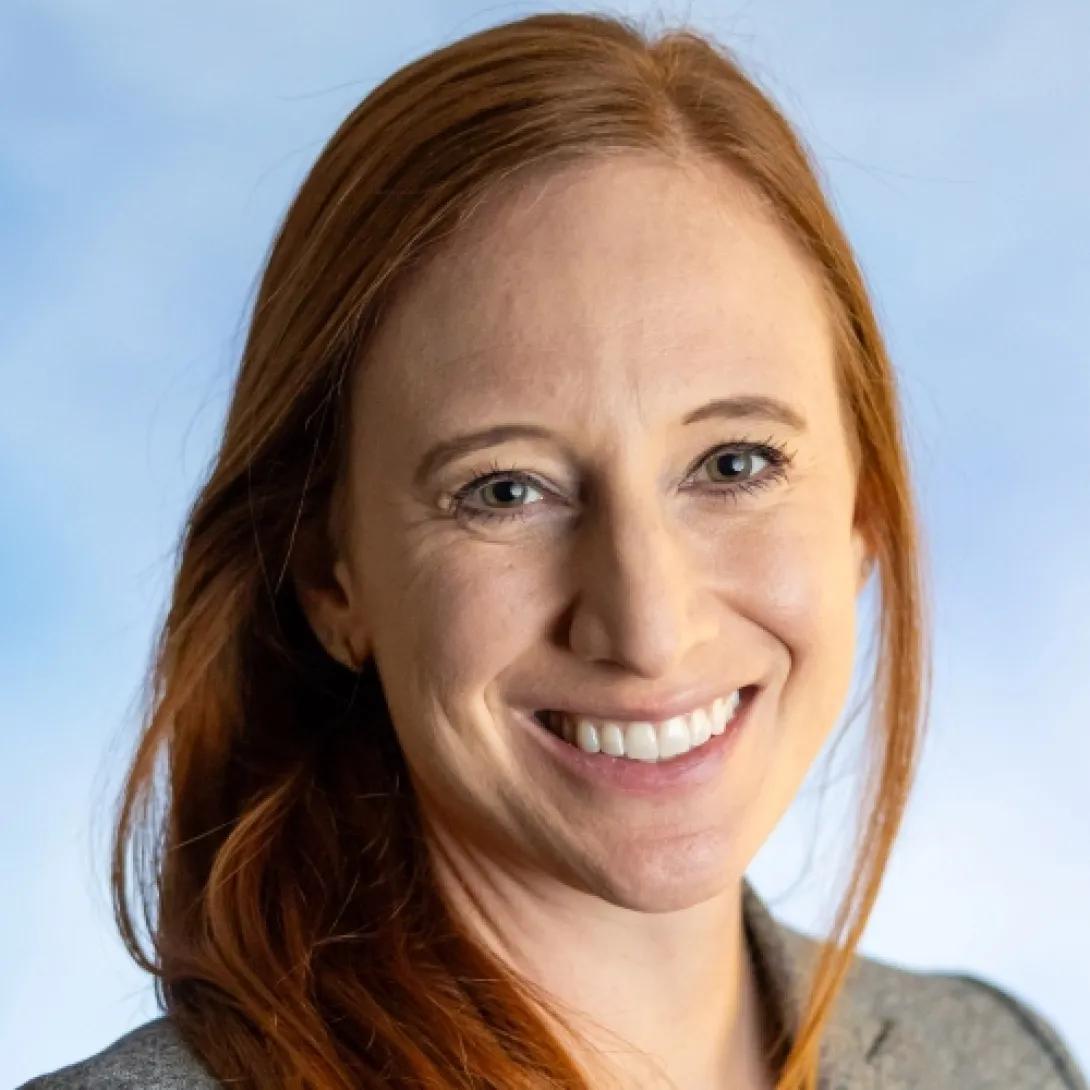
Molly Elaine Heft Neal, MD
Clinical Assistant Professor
Otolaryngology
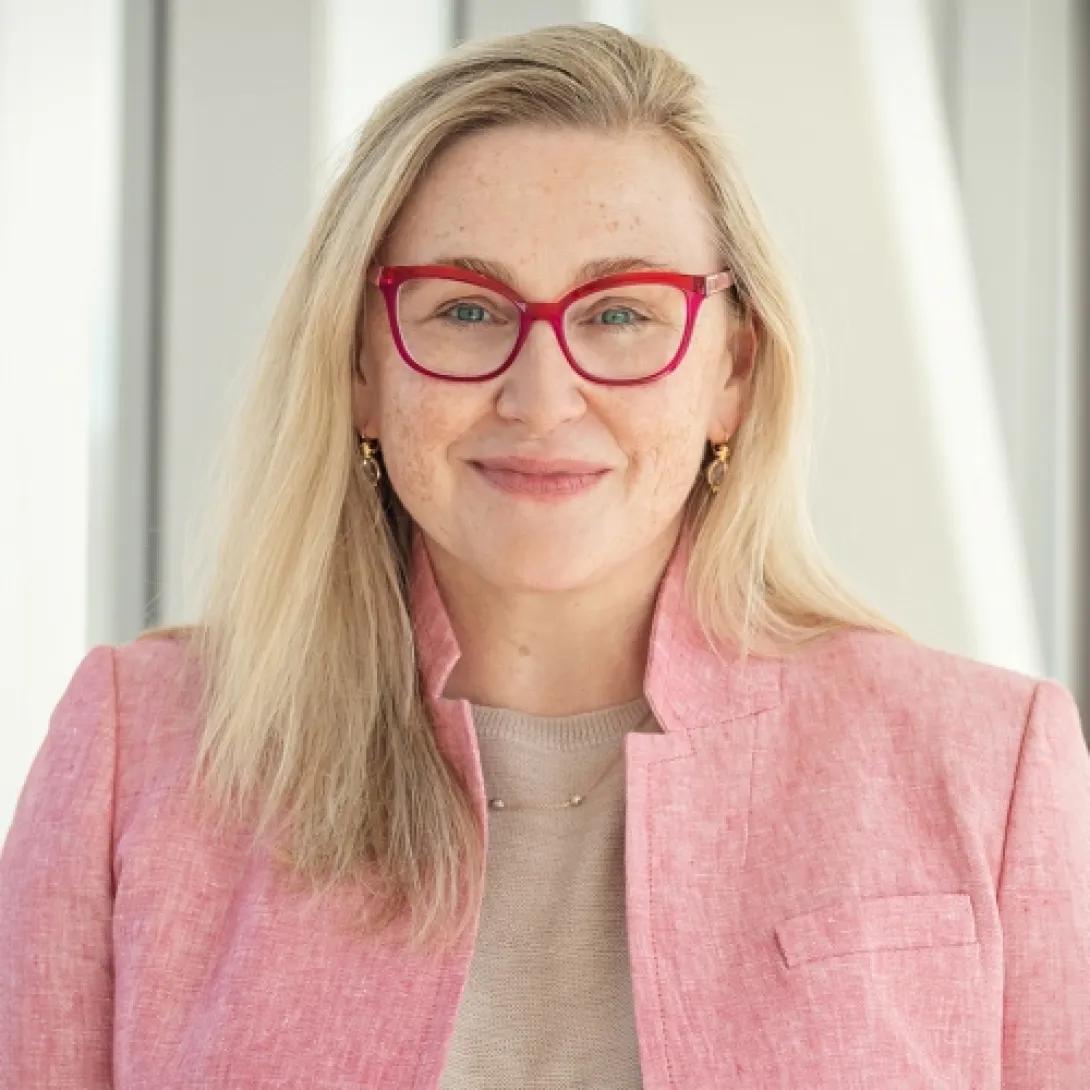
Kelly Michele Malloy, MD
Clinical Professor
Otolaryngology
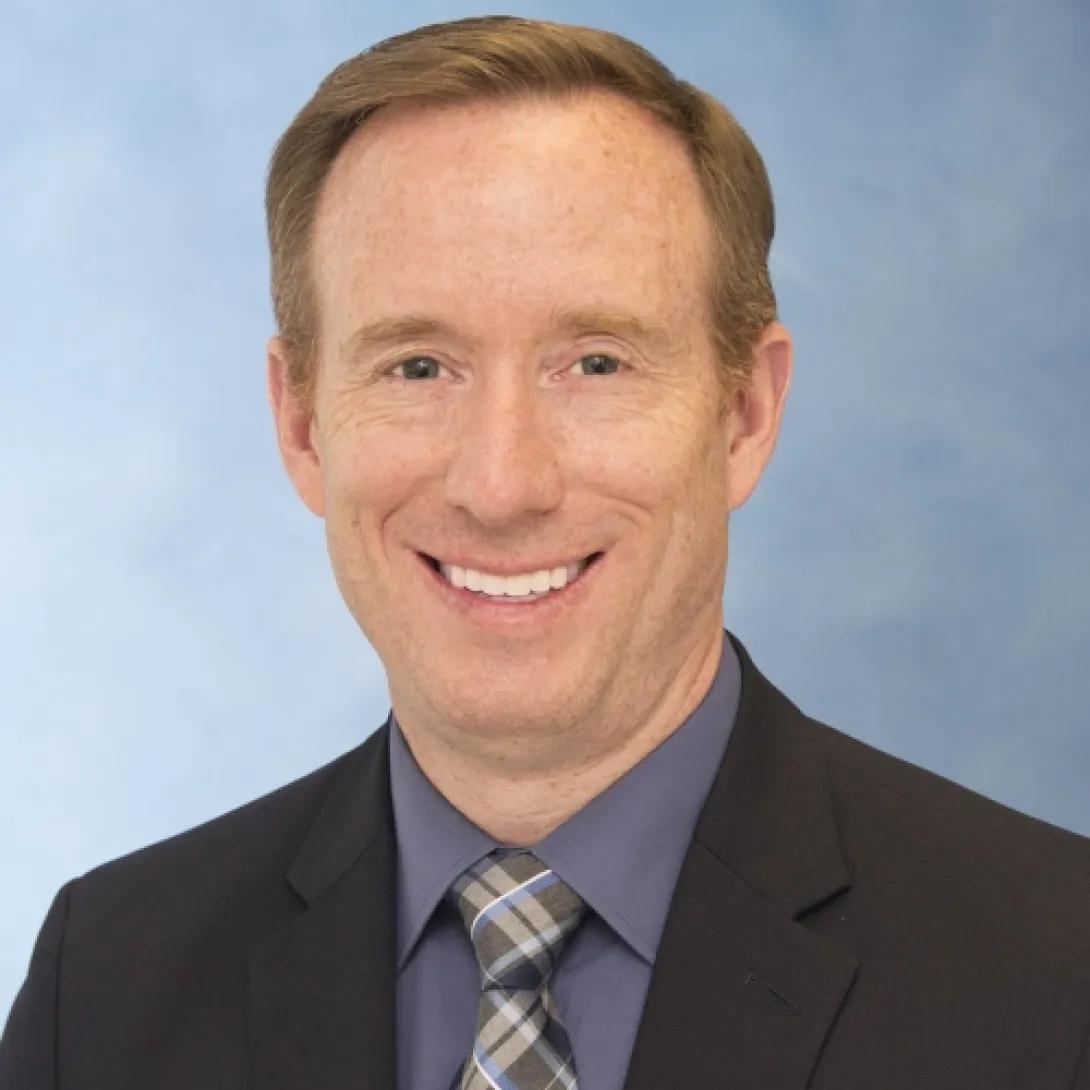
Scott Alan Mclean, MD, PhD
Clinical Associate Professor
Otolaryngology, Facial Plastic Surgery
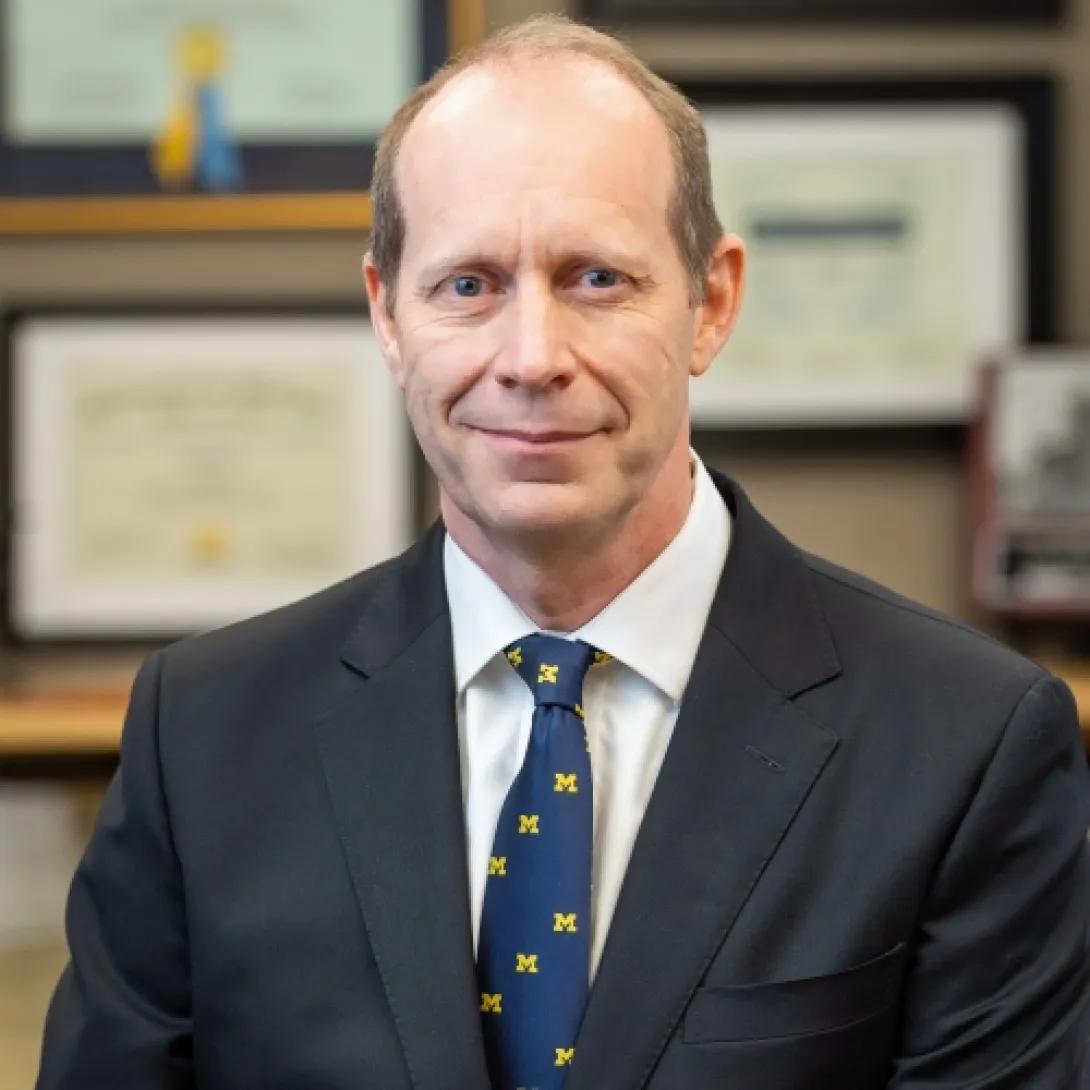
Mark Edward P Prince, MD
Professor
Otolaryngology
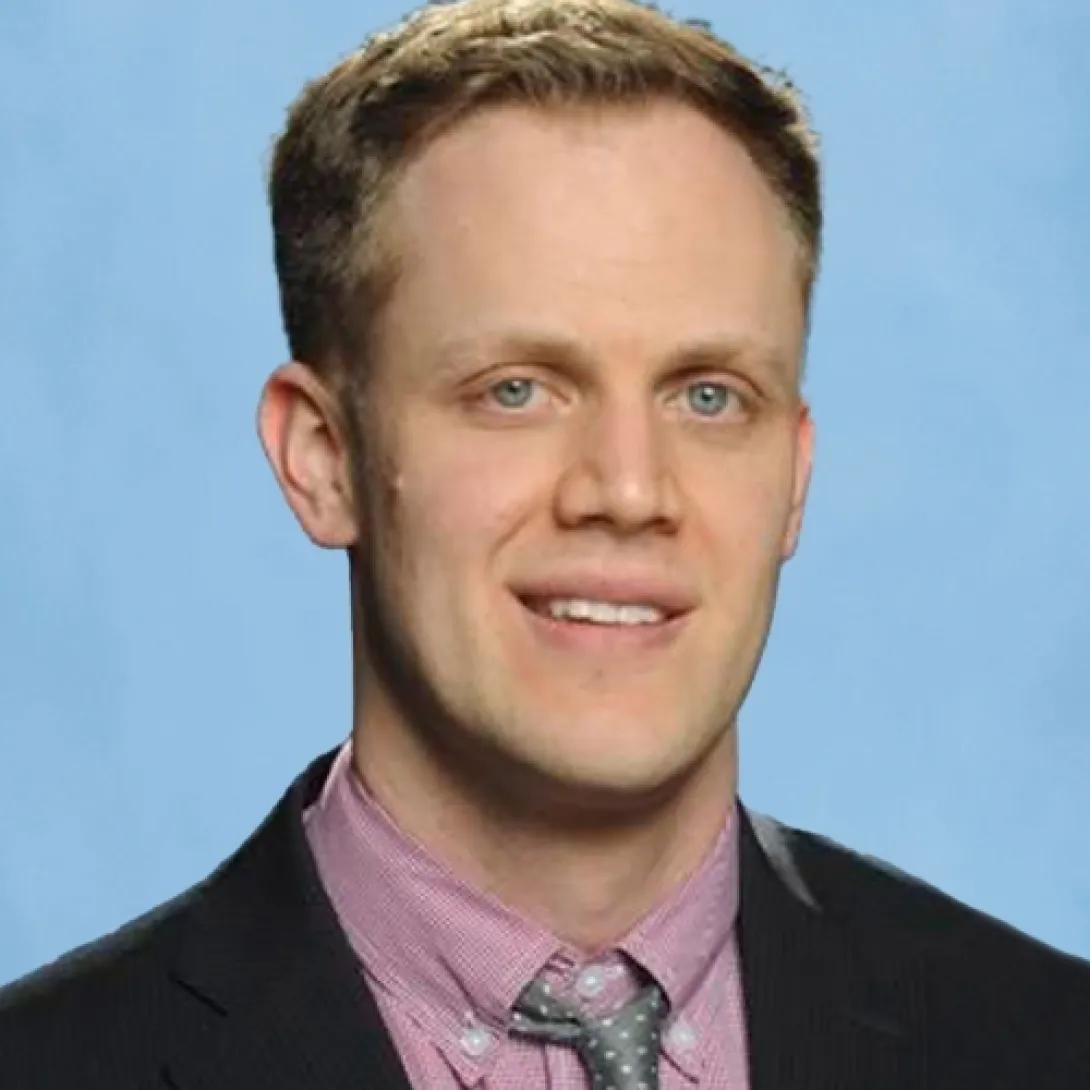
Paul L Shivers, MD, DMD
Clinical Instructor
Oral and Maxillofacial Surgery, Oral & Maxillofacial Surgery
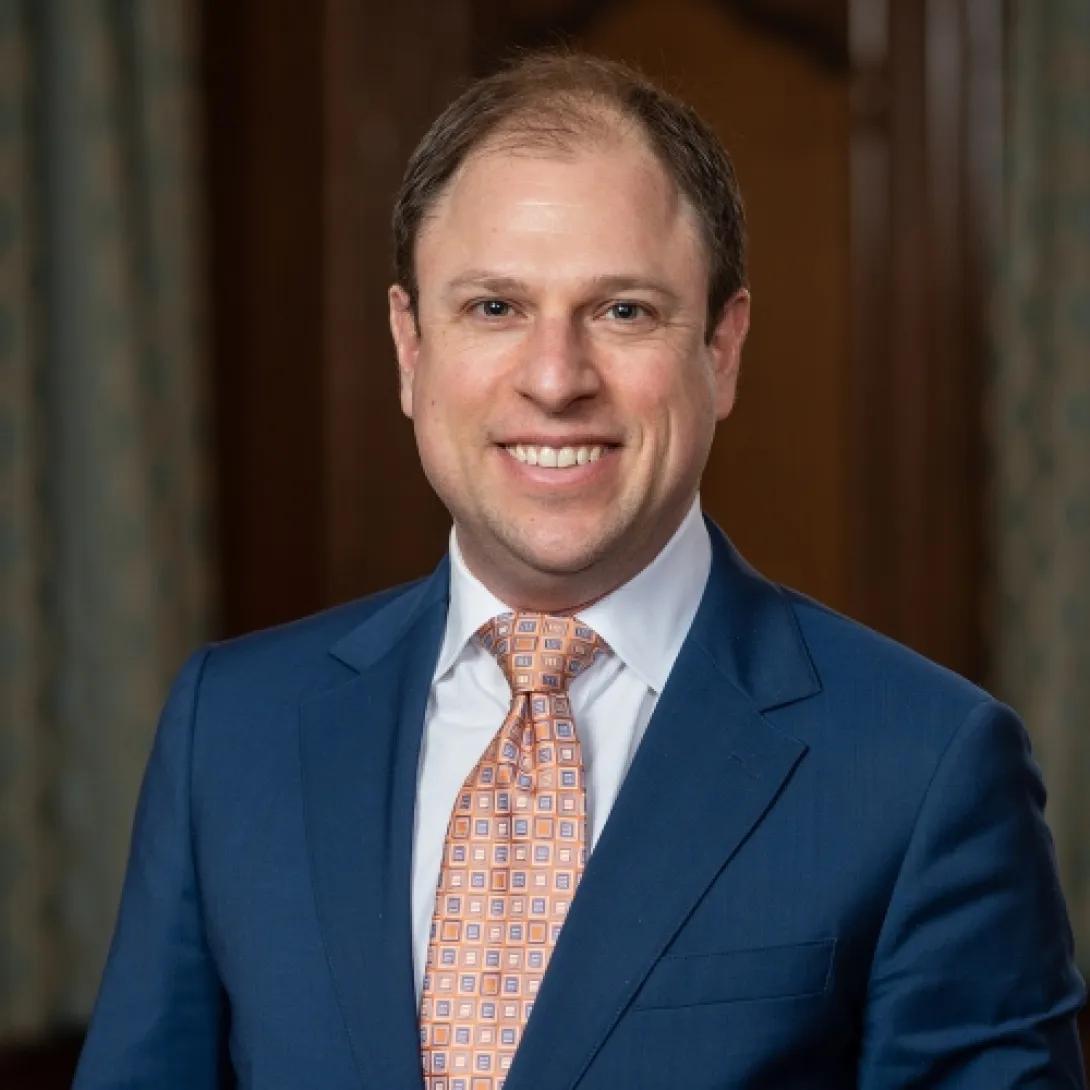
Andrew Gregg Shuman, MD
Professor
Otolaryngology
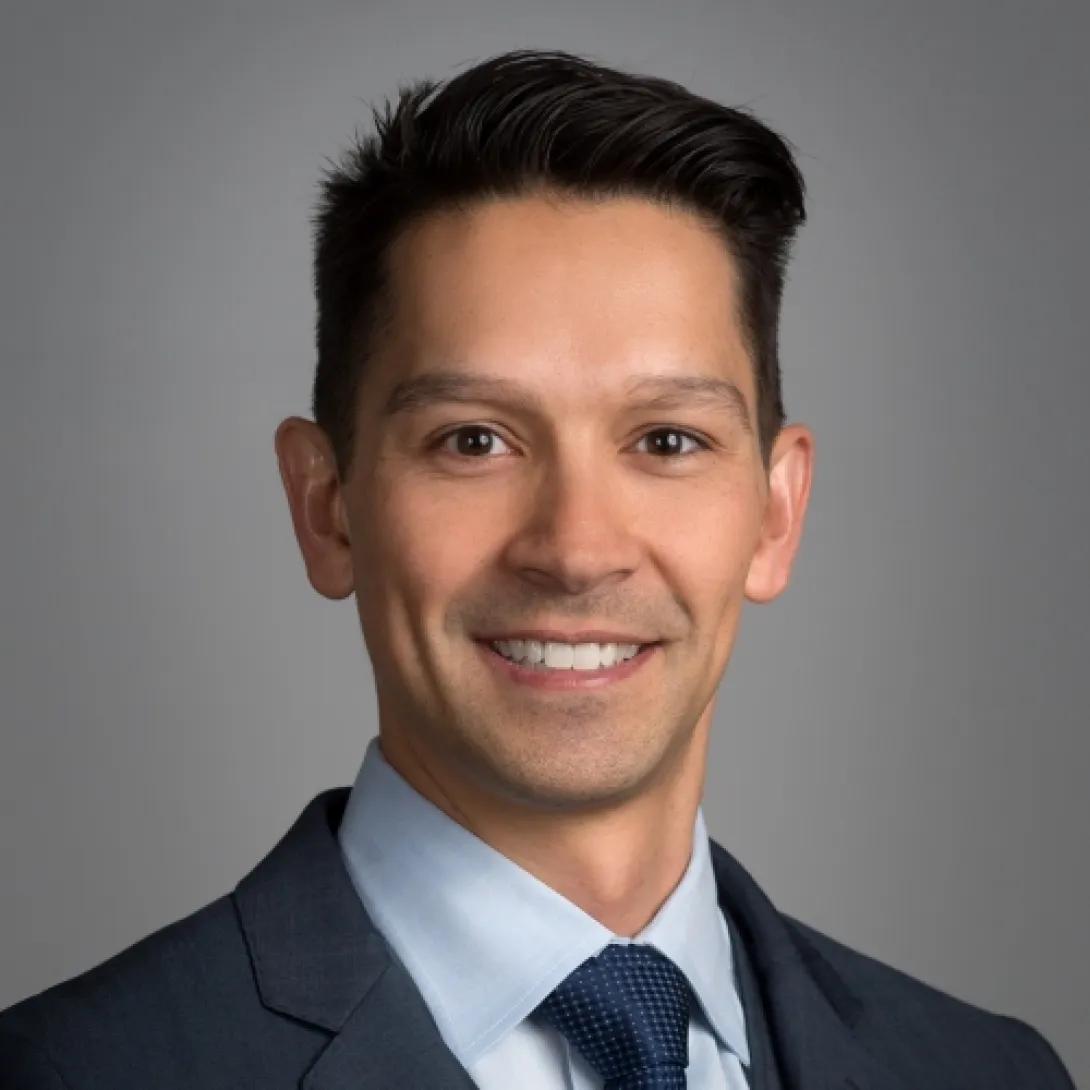
Chaz Luke Stucken, MD
Clinical Associate Professor
Facial Plastic Surgery, Otolaryngology, Plastic Surgery-Head & Neck