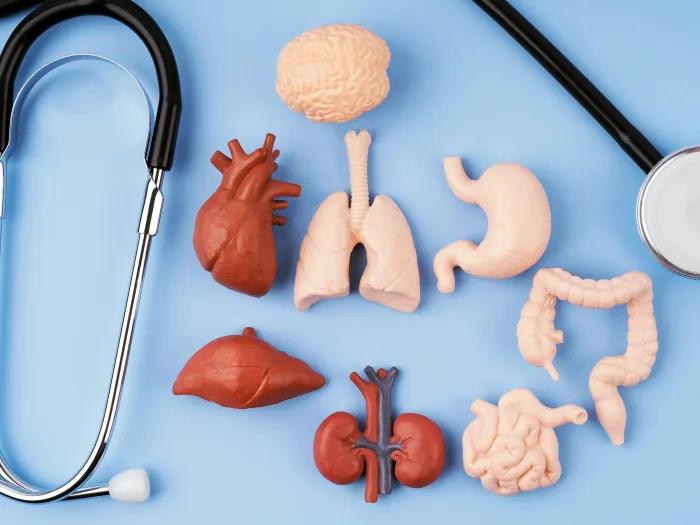
Living Donor Liver Transplant
Living Donor Liver Transplant
What is a living donor liver transplant?
The human body has only one liver. But that remarkable liver — the body’s largest solid organ — is the only organ capable of regenerating itself. That means that if a portion of a liver is removed, the body can replace the missing section, actually growing new, functioning liver in its place.
Liver regeneration makes living donor liver transplantation possible. A person can donate a portion of his or her liver – up to 60 percent of it – to be transplanted into another person. In only about six weeks, the transplanted liver section grows into a normal-sized, fully functioning liver in the recipient, and the donor’s remaining liver regenerates to replace the transplanted section.
Our Approach
U-M Health performed our first living donor liver transplant in a pediatric patient — the first of its kind in the state — more than 20 years ago. Our center was part of a landmark study establishing the safety of the procedure. The expertise and dedicated team we have built make us one of only about 70 U.S. centers offering living donor liver transplantation. Living donor transplants currently make up about seven percent of liver transplants nationwide, and about 10 percent of the liver transplants we perform. That percentage is increasing yearly, and we have the capacity to do many more.
Appointment Information
To make an appointment for a liver transplant evaluation, call our patient representative at 1-800-333-9013.
About the Transplant Center
The opportunity for a new life occurs every day at the University of Michigan Health Transplant Center. And since 1964, more than 13,000 patients have benefited from our devotion to the individual.
What To Expect
Most liver transplants are performed with livers from deceased donors. But the demand for donated livers far exceeds their supply. With about 15,000 Americans on the waiting list for a new liver, a scoring system based on a recipient’s level of sickness is used to prioritize patients, with donor organs going to only the most critically ill. One result is that patients must wait a long time – and grow progressively sicker – to reach the top of the list. By that time, many are no longer good transplant candidates. Living donor patients can receive transplants sooner, when their disease is advanced but not yet life-threatening. This puts the patient in a better position for long term survival.
- Living donors tend to donate healthier livers - Extensive prescreening and preparation precede a living donor transplant, ensuring the best possible liver from the healthiest possible donor.
- While not without risks, the long-term outcomes of living donor liver transplantation are as good as or better than those of traditional liver transplantation. Every organ transplant involves risk. Because a living donor transplant involves only part of a liver, the procedure to implant it is more intricate, and may take more time. Fortunately, organ rejection is less common and less serious in liver transplantation than in other transplants. The extent of the patient’s illness at time of surgery is a more worrisome risk factor, so the ability to operate sooner is a clear advantage of living donor transplantation.
Patient Resources
View our expert videos if you are considering becoming a living donor, or are a patient who wants to know more about living donation.
Individuals who wish to be considered for liver donation can begin the donor process by submitting our Liver Transplant Donor Interest Form (for donors)
FAQs
During the procedure, a portion of the donor’s liver (as much as 60 percent) is removed, leaving the “plumbing” like bile ducts and blood vessels, intact. Over a period of about 6 weeks, both the donor’s and recipient’s livers will regenerate, growing to their normal size.
- Because the procedure to remove the liver section is delicate and technically precise, it usually takes 4 to 6 hours.
- Most donors will spend 3 to 5 days in the hospital.
- Within 3-4 weeks, donors can return to normal activities and work (not strenuous physical work).
- In order to allow the incision to heal properly, donors are discouraged from heavy lifting or strenuous activities for 6-8 weeks.
While it is major surgery, afterward the donor can expect a return to normal metabolism, liver function and life expectancy.
- The risk of a life-threatening complication is 1 in 500. While very rare, the risk of death is still considered significant for a procedure not essential for the donor.
- The risk of bleeding is minimal; only 1-2 percent of donors require a blood transfusion.
- Our screening/preparation process ensures that an adequate volume of liver is left behind to regenerate, minimizing any chance of long term liver dysfunction.
While we strive to guarantee the best possible organ match for the patient, every step in the evaluation process prioritizes the safety of the donor.
Both the patient and the potential donor undergo a range of compatibility tests:
- Detailed screening explores the donor’s current health and health history to confirm that he or she has no medical conditions that might compromise the safety of the operation or a successful recovery.
- Imaging is performed to confirm that the size and anatomy of the portion of liver to be removed is optimal, and that a sufficient amount of the organ is left behind to retain liver function as it regrows.
- In general terms, donors must meet the following requirements:
- Adults age 21-55: As the body ages, liver regeneration is less efficient
- Body Mass Index of 30 or less: This minimizes both surgical and liver function risks
- No major medical problems, with any chronic conditions well-managed
Because this is a major procedure, and a need for a donor may arise quickly, most donors have a close tie with their recipient. However, anyone who wishes to be considered as a potential donor can be evaluated.
Doctors
Frederick K Askari, MD, PhD
Clinical Associate Professor
Gastroenterology, Internal Medicine, Clinical Molecular Genetics
Hari Sree Conjeevaram, MD, MSc
Professor
Gastroenterology, Internal Medicine
Robert John Fontana, MD
Professor
Gastroenterology, Internal Medicine, Transplant Hepatology
Ammar Zahid Hassan, MBBS
Adjunct Clinical Assistant Professor
Gastroenterology, Internal Medicine, Transplant Hepatology

Hellan Kang Kwon, MD
Clinical Associate Professor
Gastroenterology, Internal Medicine, Transplant Hepatology

Alisa Likhitsup, MD, MPH
Clinical Associate Professor
Gastroenterology, Internal Medicine, Transplant Hepatology
John C Magee, MD
Professor
Surgery, Transplant Surgery
Nikhilesh Ray Mazumder, MD, MPH
Assistant Professor
Transplant Hepatology, Gastroenterology, Internal Medicine
Neehar Parikh, MD, MS
Associate Professor
Gastroenterology, Internal Medicine, Transplant Hepatology
Ponni Perumalswami, MD
Clinical Professor
Gastroenterology, Transplant Hepatology



News & Stories
Alcohol-Related Liver Disease clinic gives patient new hope
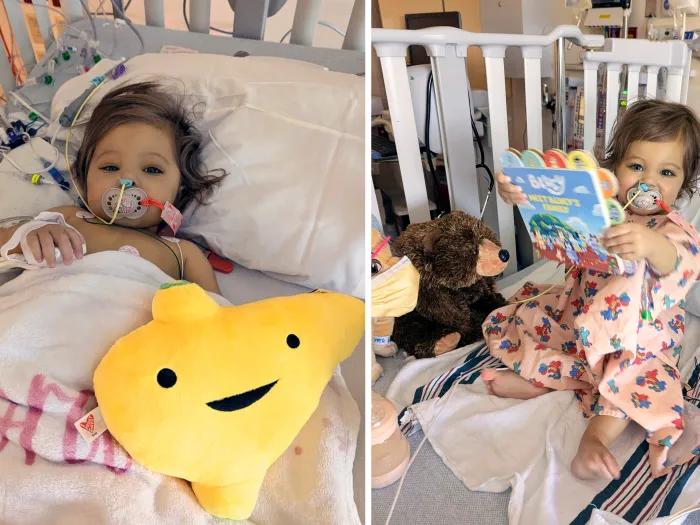
2-year-old thrives after liver transplant for biliary atresia
Doctors perform first liver transplant in Michigan for colon cancer
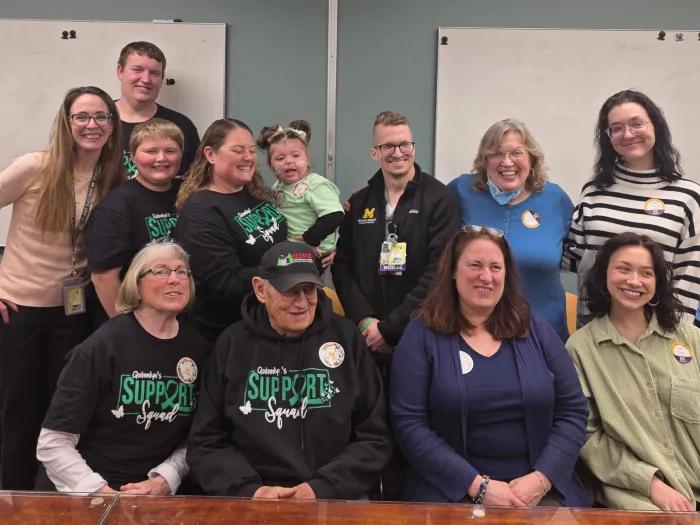
Pediatric surgical nurse donates liver to 2-year-old patient
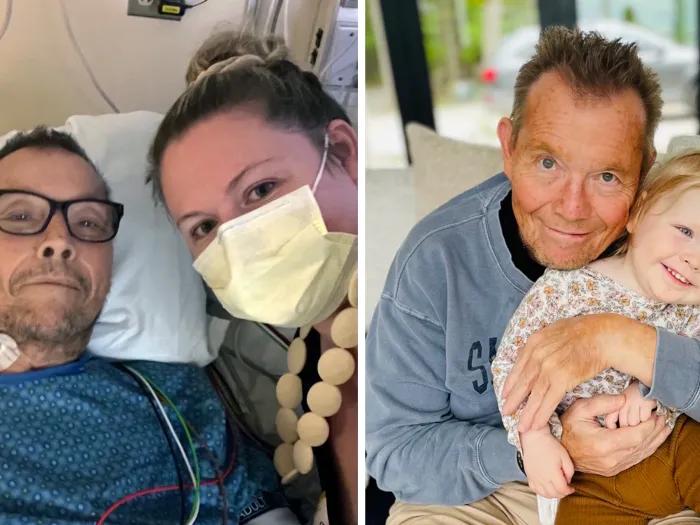
Liver transplant bonds 3 Michigan families