Venous Disease
Venous Disease
What is venous disease?
Venous disease is the impairment of blood flowing to the heart and is a common condition affecting men and women of all ages and activity levels. While many cases of venous disease are genetic, they can also be caused by environmental risks, pregnancy and other factors.
Venous disease can range from cosmetic concerns to life-threatening conditions, including:
- Spider and reticular veins: Small veins that occur under the skin but can be seen on the surface
- Varicose veins: Visible veins in the leg that bulge and bleed, clot or cause discomfort
- Deep vein thrombosis (DVT): A clot in the deep veins of the body
- Swollen or painful legs due to chronic venous insufficiency: Veins that do not work properly due to damaged valves or blockages within the veins
- Superficial thrombophlebitis: A blood clot in the surface veins of the body
- Pulmonary embolism: A blood clot in the lungs
- May-Thurner syndrome: An anatomical abnormality that causes left leg blood clots, pain or swelling
Our Approach
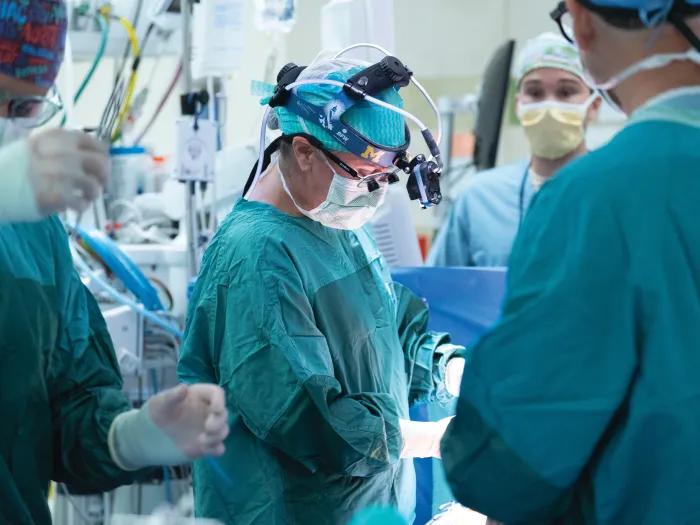
The University of Michigan Vascular Surgery team handles all varieties of venous problems, regardless of complexity. We also provide the most advanced medical, endovascular (minimally invasive treatment within the vein) and open surgical treatments.
Our team is trained to recognize and treat problems ranging from cosmetic procedures for spider/varicose veins, radiofrequency/laser/chemical ablation of superficial veins to complex open surgery for complications of Inferior Vena Cava (IVC) filters.
We are involved in numerous clinical trials and basic investigations, ranging from basic science research on blood clots to clinical trials on IVC filters. This type of research ensures our patients have access to the most up-to-date medications and treatments available.
Appointment Information
To schedule an evaluation with a Frankel Cardiovascular Center physician, call 888-287-1082 or visit the Make a Cardiovascular Appointment page.
How is venous disease diagnosed?
Non-invasive diagnostic testing is available to evaluate venous disorders. Venous duplex ultrasound examines blood vessels and blood flow. Air plethysmography measures blood flow or air volume to check for blood clots. Other tests may include CT or MRI scans. A venogram, which uses X-ray and contrast dye to look at the veins, may be ordered if other tests are not definitive.
How is venous disease treated?
Treatment options for venous disease vary depending on the diagnosis and can range from medical therapies and compression stockings to surgical correction. Michigan Medicine venous health experts offer a full complement of endovenous (within the vein) and surgical treatments, including clinical trials.
Sclerotherapy: A series of injections to chemically ablate abnormal veins such as varicose or spider veins. This office based procedure is offered at Northville Health Center, Brighton Center for Specialty Care, and East Ann Arbor Medical Procedures Unit to treat spider, reticular and varicose veins.
Venous ablation: Venous ablation is a minimally invasive treatment option to treat patients suffering from varicose veins or chronic venous insufficiency. We offer a variety of procedures including laser, radiofrequency (RFA, VNUS procedure), chemical injections (VenaSeal, Varithena) and pharmacomechanical ablation (ClariVein). A catheter is inserted into the diseased vein to cause the vein to shrink and close. The blood then reroutes itself to other healthy veins.
Open phlebectomy: An outpatient procedure to remove surface varicose veins in which a needle is used to make a puncture next to the vein. A small hook is then inserted into the needle hole and the vein is removed.
Thrombolysis: A minimally invasive procedure in which a catheter is inserted in the leg and threaded through the vein until it reaches the site of a blood clot. A clot-dissolving drug is then infused to break up the clots.
Perforator treatment: An outpatient surgery to treat incompetent perforator veins through laser ablation, chemical injection or open ligation.
Patient Resources
Locations
-
Venous Management Clinic | Frankel Cardiovascular Center 1425 E Ann St
Floor 3 Reception B
Ann Arbor, MI 48109-5856Get Directions
Doctors
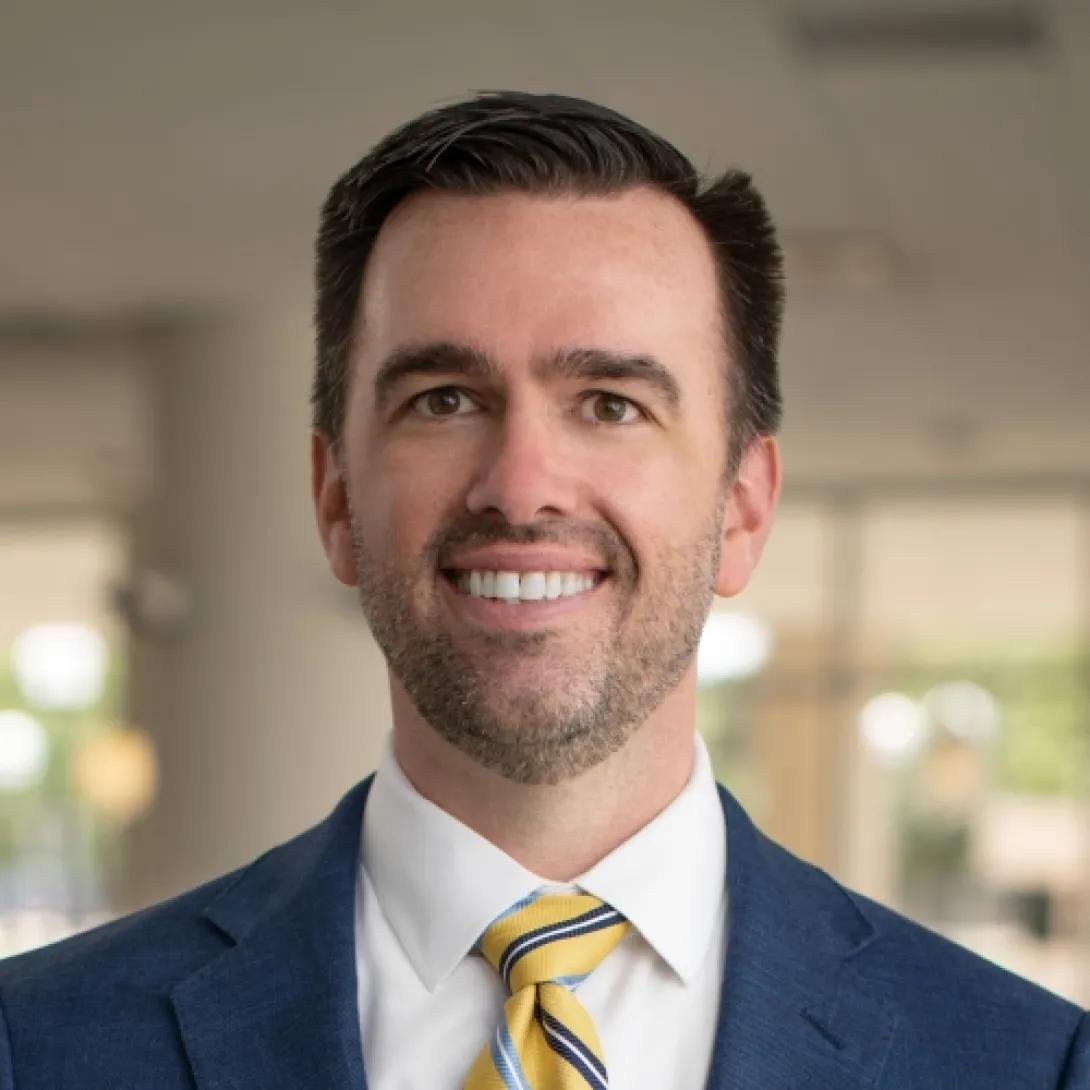
Geoffrey Douglas Barnes, MD, MSc
Associate Professor
Cardiovascular Disease, Internal Medicine
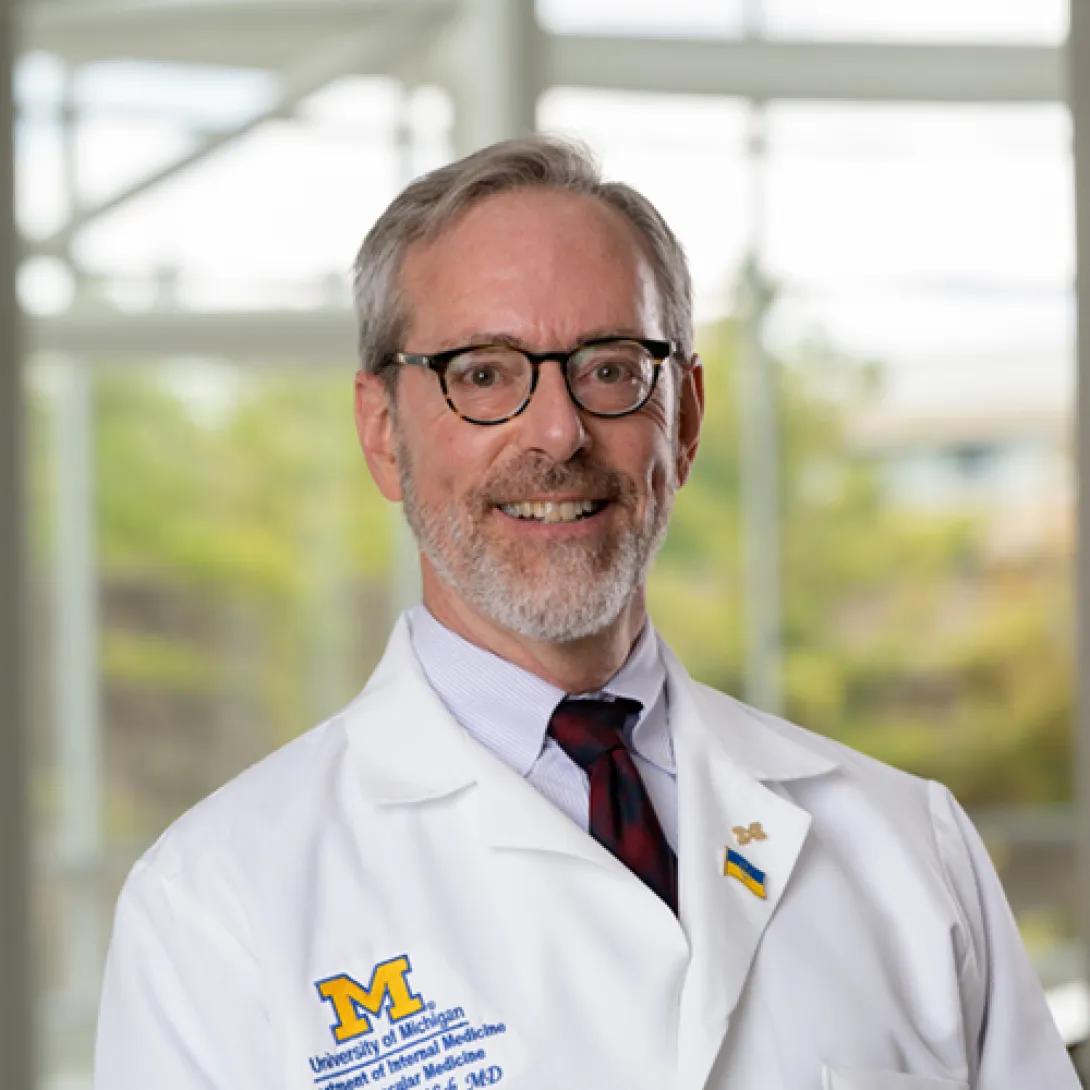
James Barklow Froehlich, MD
Clinical Professor
Cardiovascular Disease, Internal Medicine

Minhajuddin Syad Khaja, MD
Clinical Professor
Vascular & Interventional Radiology, Diagnostic Radiology, Interventional Radiology & Diagnostic Radiology

Xhorlina Marko, MD
Clinical Assistant Professor
Vascular & Interventional Radiology, Diagnostic Radiology

Andrea Tara Obi, MD
Associate Professor
Vascular Surgery, Surgery
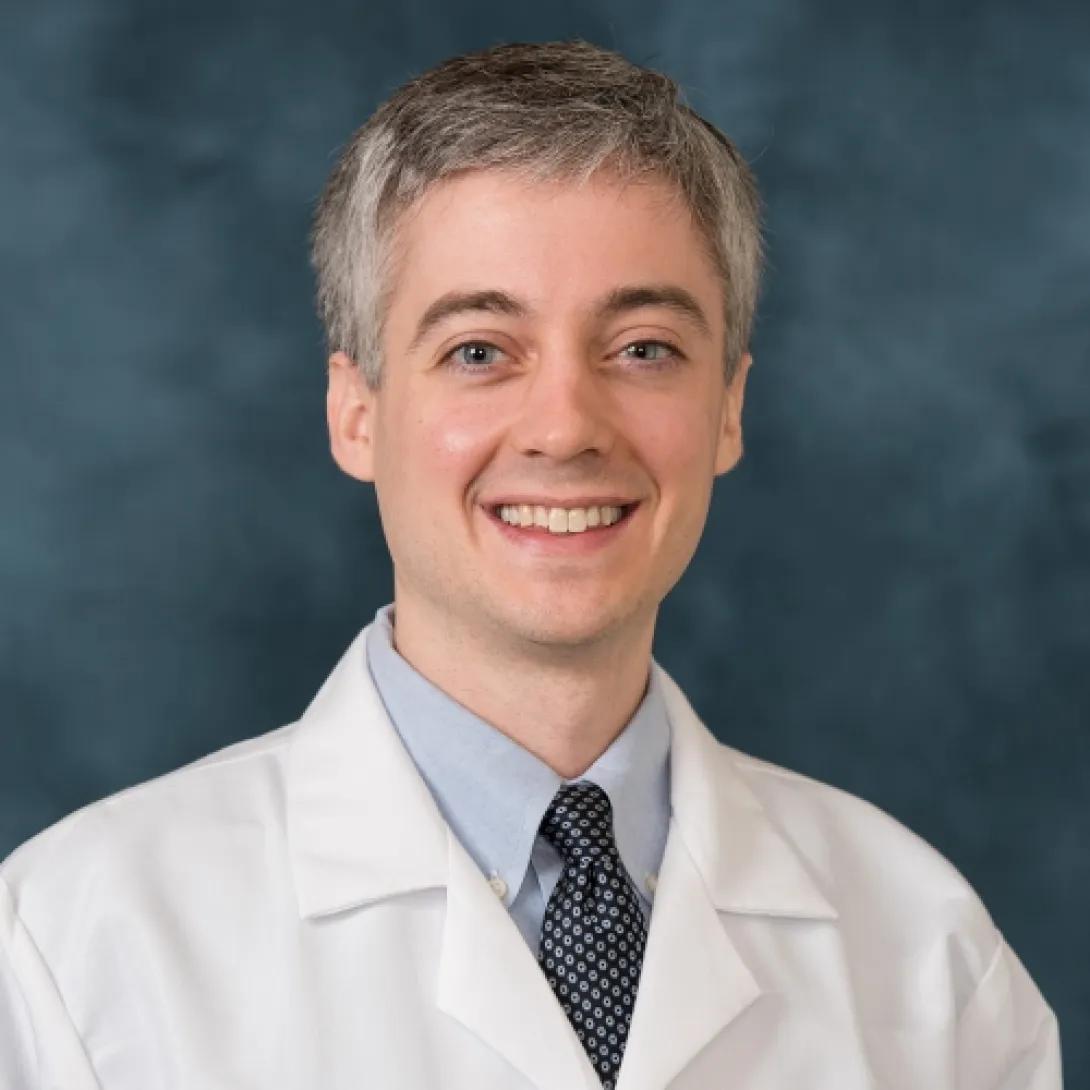
William McKay Sherk, MD
Clinical Assistant Professor
Vascular & Interventional Radiology, Diagnostic Radiology
Providers

Christine Elizabeth Edwards, NP, DNP
Advanced Practice Nurse
Nurse Practitioner
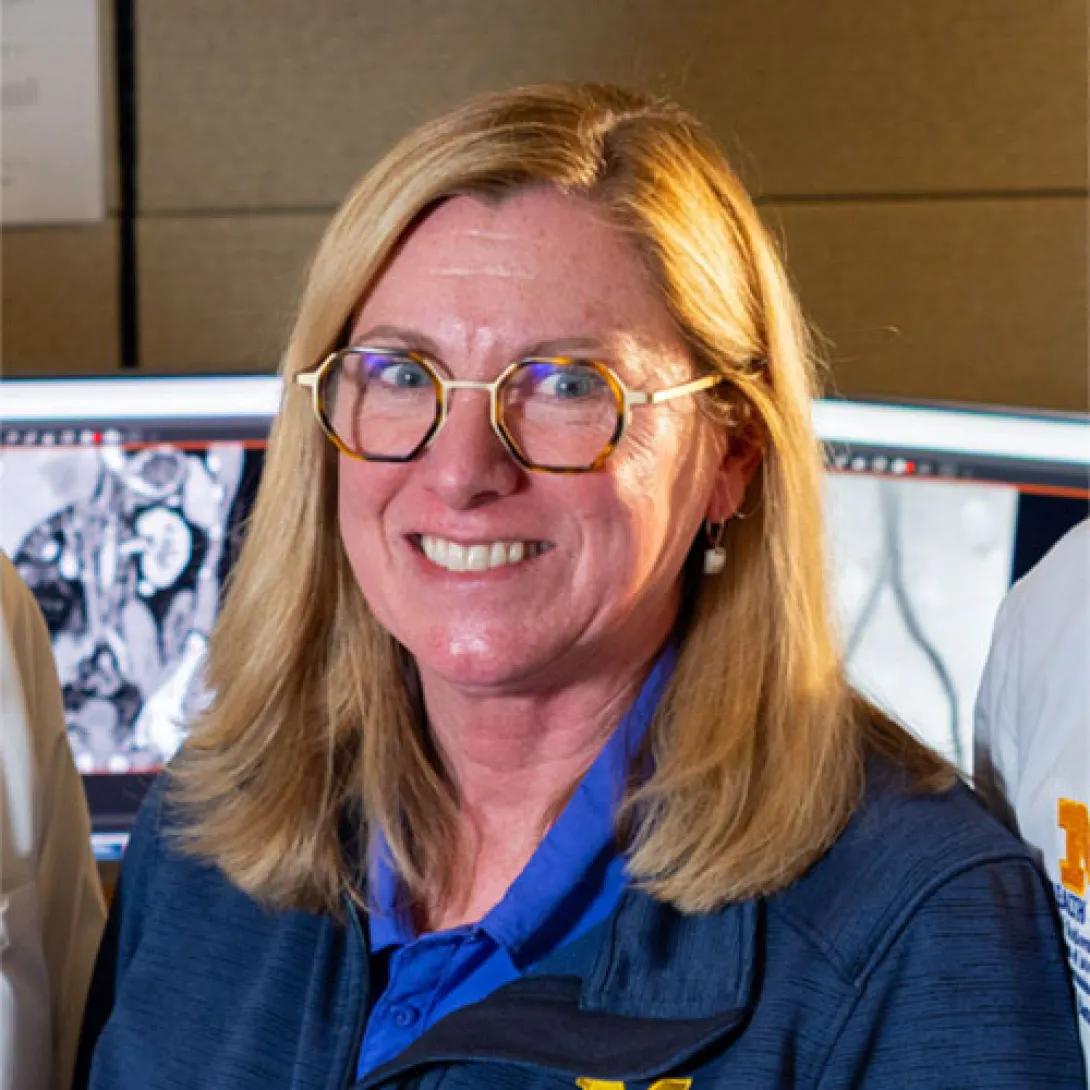
Clare Helen Harris, NP
Advanced Practice Nurse
Nurse Practitioner, Nurse Practitioner - Primary Care, Nurse Practitioner - Adult Health
News & Stories

Gene editing is coming for common diseases. Are we ready?

Young father survives aortic dissection after delayed diagnosis
C.S. Mott Children’s Hospital first in country to implant expandable heart valve during FDA review phase

Born with half a heart, headed to college with a full life

Treating a rare coronary artery aneurysm without open heart surgery