High Blood Pressure (Hypertension)
High Blood Pressure (Hypertension)
What is high blood pressure (hypertension)?
Hypertension, better known as high blood pressure, has been called a silent killer because most people don’t recognize they have it since there are generally no symptoms or warning signs. Blood pressure is a measure of how hard the blood pushes against the walls of your arteries as it moves through your body. It’s normal for blood pressure to go up and down throughout the day, but if it stays up, you have high blood pressure. When blood pressure is high, it starts to damage the blood vessels, heart and kidneys, which can lead to heart attack, stroke and other problems.
It’s estimated that 1 in 3 adults has high blood pressure. And most of the time, the cause is unknown. However, hypertension is treatable. At the Hypertension Clinic, our specialists serve as consultants for your physician to get you the proper diagnosis and individualized treatment program to get your blood pressure under control.
While often it can be difficult to find the exact cause of hypertension, a variety of factors can raise blood pressure, including:
- Being overweight
- Too much alcohol
- Too much salt
- Aging
- Family history of high blood pressure
Appointment Information
To schedule an appointment to discuss concerns about your high blood pressure or any other cardiovascular condition, call us at 888-287-1082 or visit our Make a Cardiovascular Appointment page.
How is high blood pressure diagnosed?
To diagnose hypertension, we conduct urine and blood tests. We order an electrocardiogram to look for organ damage, and an ultrasound to look for hardening of the heart muscle.
We also offer 24-hour ambulatory blood pressure monitoring, which is a way of determining when patients experience hypertension, especially during sleep time. We attach it for you, and then you bring it back the next day so our technician can scan it. There can be as many as a few hundred blood pressures measured during that 24-hour period. From that, we can see your average blood pressure and heart rate, which helps us to formulate a proper treatment program for you.
About 85% of the patients we see have had a hypertension diagnosis for some time. However, their physicians want their patients seen by us either because they haven’t reached their goals or are intolerant to medications. They may also require further diagnostic testing to see if their hypertension is treatable by surgery or other procedures, such as an angioplasty.
How is high blood pressure treated?
Your therapeutic strategy may mean lifestyle changes and medication. For severe hypertension, you may need surgical intervention. In a small number of patients surgery is necessary to remove hormone secreting tumors that cause hypertension, and in some the hypertension is cured or improved by doing an angioplasty or surgery on the arteries leading to the kidney.
Education is key to controlling high blood pressure. Accurately taking and tracking your blood pressure at home is more valuable for treatment decision making than relying on pressure readings during physician visits. Understanding drug information, learning about proper salt intake, and finding approaches for lowering anxiety and stress are also important pieces of the education process. Our multidisciplinary team will make sure you are armed with all the information you need to successfully handle your hypertension at home. We can also provide you with an individualized weight-loss program, if necessary.
Locations
-
Cardiovascular Medicine Clinic | Domino's Farms 24 Frank Lloyd Wright Dr. Ste 1300
Lobby A
Ann Arbor, MI 48106-0363Get Directions
Doctors
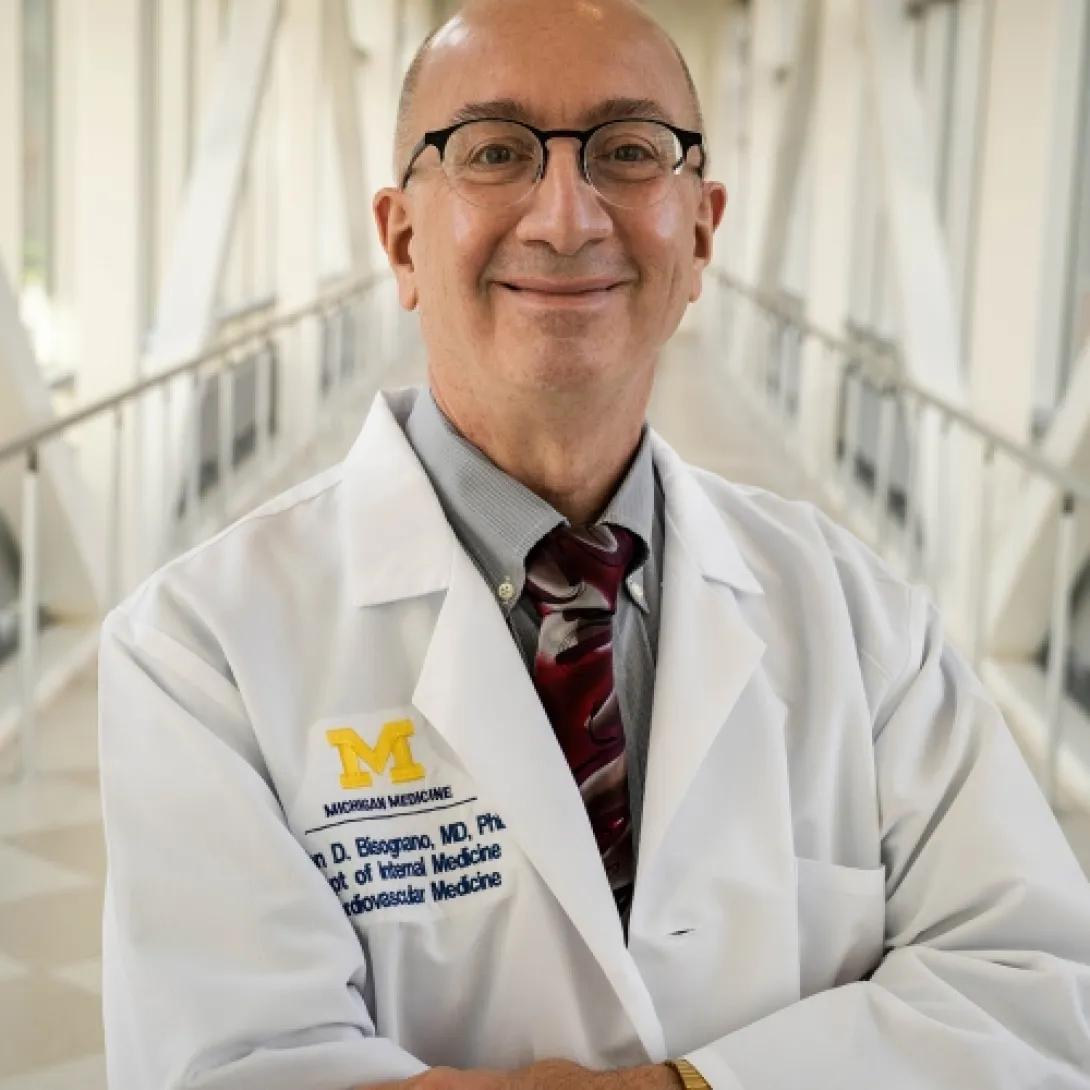
John David Bisognano, MD, PhD
Clinical Professor
Cardiovascular Disease, Advanced Heart Failure & Transplant Cardiology, Internal Medicine, Cardiology
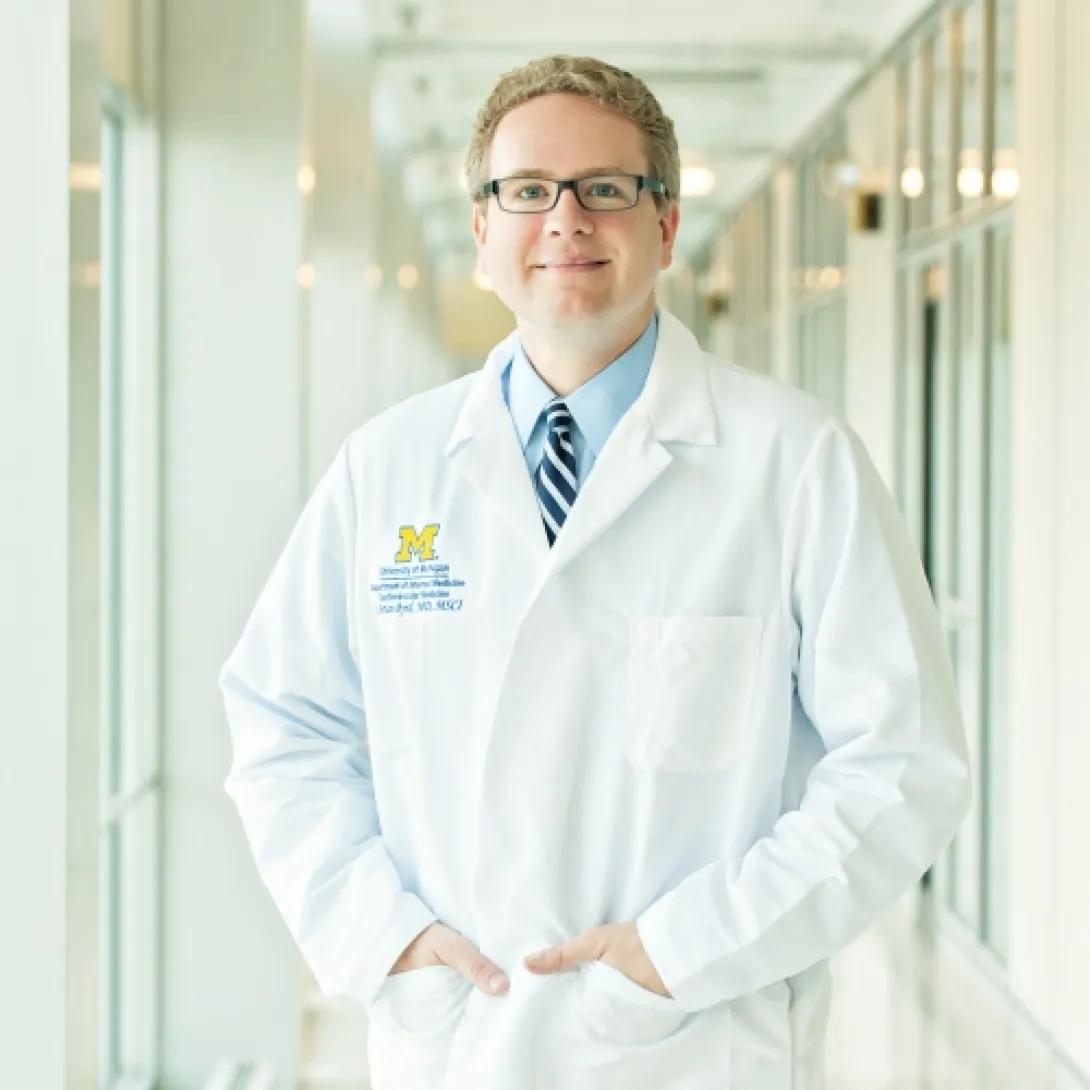
James Brian Byrd, MD, MS
Associate Professor
Cardiovascular Disease, Internal Medicine, Cardiology
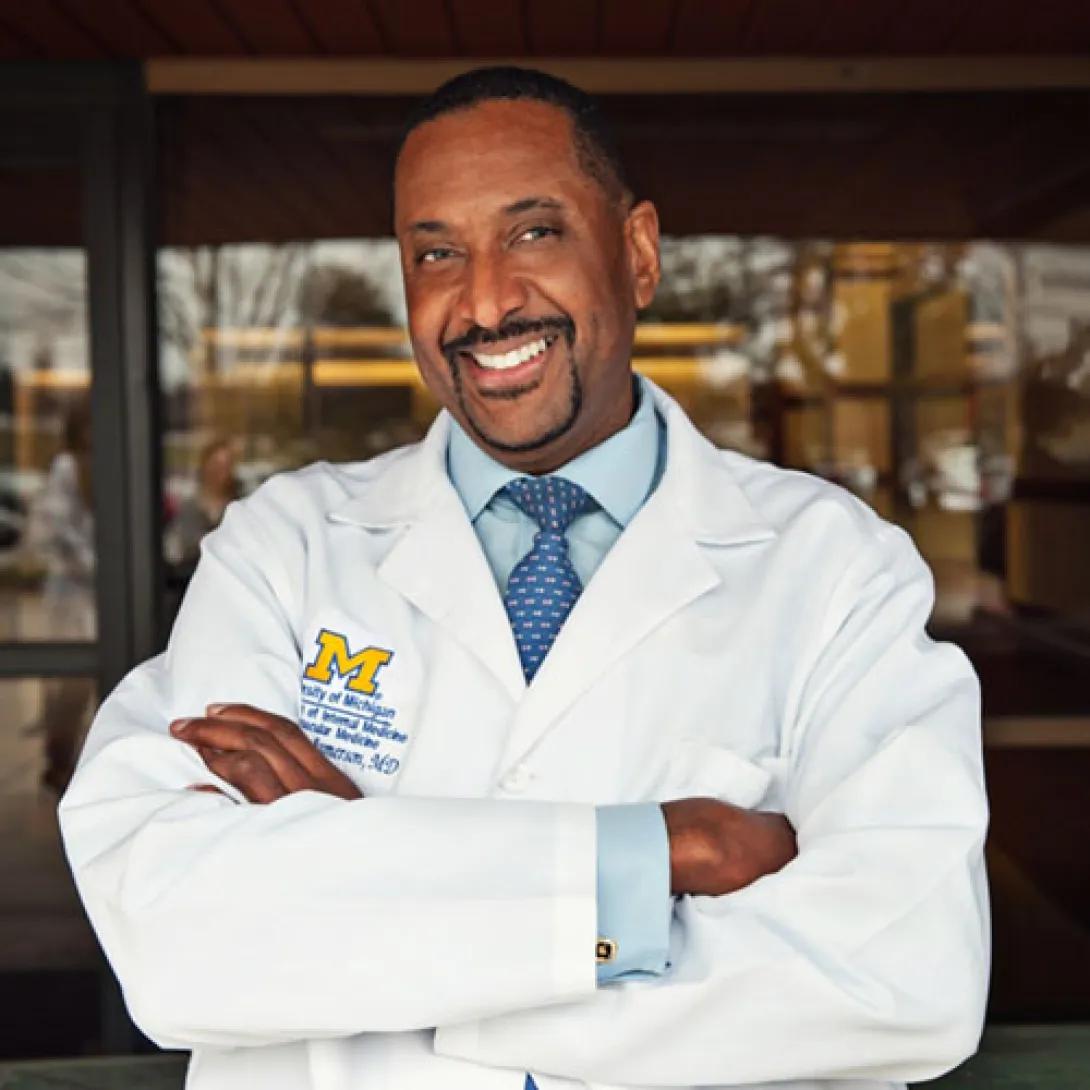
Kenneth Alan Jamerson, MD
Professor
Internal Medicine, Hypertension
News & Stories

Michigan’s aging brains need more protection, poll shows
Could preeclampsia become a thing of the past?

A heart attack 9 days after giving birth: Mother of 4 shares her SCAD experience

A night of two national titles for U-M, as scientists and basketball players both triumph
2 heartbeats, 1 future: Why pregnancy is a critical window for women’s heart health