Aortic Arch Aneurysm
Aortic Arch Aneurysm
What is an aortic arch aneurysm?
The aortic arch is located within the chest, just after the ascending aorta (the main trunk of the aorta that rises upward from the heart) and before the descending aorta (the portion that descends down the chest and abdomen). It has a distinctive curved shape, resembling an arch, and contains several major branches that arise from its curvature. These branches supply blood to the head and arms.
An aortic arch aneurysm is a medical condition characterized by an abnormal and potentially dangerous enlargement or bulging of the aortic arch. It means that this segment of the aorta has weakened and expanded beyond its normal size. If left untreated, an aortic arch aneurysm can continue to grow, potentially leading to serious and life-threatening complications such as rupture, dissection, and compression of nearby structures.
Causes
There are many potential causes of an aortic arch aneurysm, including:
- Genetics and family history of aneurysms
- Connective tissue disorders, such as Marfans syndrome, Vascular Ehlers-Danlos syndrome, and Loeys-Dietz syndrome
- High blood pressure
- Smoking (leading to injury of the wall of the aorta)
- Age
- Atherosclerosis (hardening of the arteries)
- Bicuspid aortic valve, a congenital heart condition
- Infections affecting the aorta
- Trauma or injury to the aorta
Appointment Information
To request an appointment or to get more information, please call 734-936-9010 and a team member will get back to you within two business days.
What are the symptoms of aortic arch aneurysm?
Aortic arch aneurysms often have no symptoms. Some possible aneurysm symptoms are:
Dull chest pain
- Chest pain during exercise
- Shortness of breath
Symptoms of a dissected or ruptured aortic arch aneurysm include:
- Sharp chest pain, sometimes also felt in the back.
- Extreme shortness of breath
- Trouble swallowing
- Fainting/loss of consciousness
How is aortic arch aneurysm diagnosed?
Aortic arch aneurysms are typically diagnosed using the following imaging tests:
- Echocardiogram (ultrasound of the heart): An echocardiogram uses sound waves to create a picture of the heart and blood vessels.
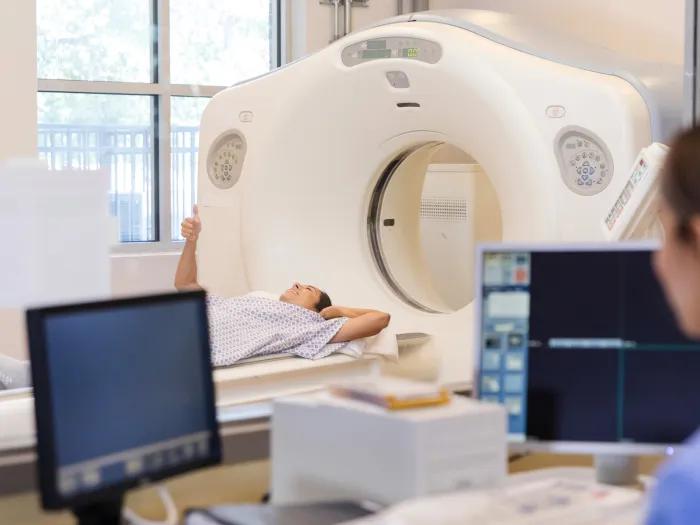
- Computed tomography (CT) scans use X-rays and computer technology to produce detailed images of the aorta.
- Magnetic resonance angiography (MRA) scans are a type of MRI that looks specifically at the body’s blood vessels.
How is aortic arch aneurysm treated?
In this procedure, the damaged portion of the aortic arch is removed and replaced with a synthetic graft. The extent of removal depends on the specific condition and may include the ascending aorta and aortic valve as well. This requires open heart surgery.
Medical management of an aortic arch aneurysm includes regular monitoring of the aneurysm’s size and shape and taking steps to prevent it from growing or rupturing. Monitoring typically involves regular imaging tests, such as CT scans, MRA, or ultrasound, to track the size and shape of the aneurysm. The frequency of these tests will be determined by your doctor based on the size and rate of growth of the aneurysm.
Medical management of an aortic arch aneurysm also involves managing underlying health conditions, such as high blood pressure or smoking, that can contribute to aneurysm growth. If appropriate, your healthcare provider may prescribe medications such as beta-blockers or angiotensin receptor blockers. It is essential to modify your risk for rupture by controlling high cholesterol and high blood pressure, and avoiding tobacco use. In some cases, surgical intervention may be necessary to repair or remove the aneurysm.
It is important to follow your provider’s recommendations and attend all scheduled appointments and tests to ensure proper monitoring and management of an aortic arch aneurysm.
Certified genetic counselors are healthcare professionals with specialized training in genetics and counseling. They are available to discuss the potential role of genetics in the development of aortic aneurysms. The genetic counselor will review your personal and family medical history and may perform genetic testing to identify any potential genetic mutations that increase the risk of developing aortic aneurysms. If a mutation is found, the genetic counselor will discuss the implications for you and your family members, including the risks of inheriting the condition and the potential for future generations to be affected. They will also provide information about available screening and monitoring options and the importance of regular check-ups.
Genetic counselors work with you and your family to discuss:
- The inheritance pattern, including the role of genetic and environmental factors.
- The potential risks for the individual and their family members, including the likelihood of developing the condition and the potential impact on their health and daily life.
- The available genetic testing options, including the benefits, limitations, and results of genetic testing for a thoracic aortic aneurysm.
- The management options for an aortic aneurysm, including medical, surgical, and lifestyle interventions.
- The psychological and emotional impact of an aortic aneurysm and the importance of support and resources for individuals and families affected by the condition.
Locations
-
Cardiac Surgery Clinic | Frankel Cardiovascular Center 1425 E Ann St
Floor 3 Reception C
Ann Arbor, MI 48109-5856Get Directions -
Cardiology Clinic | Frankel Cardiovascular Center 1425 E Ann St
Floor 3 Reception C
Ann Arbor, MI 48109-5856Get Directions -
Vascular Surgery Clinic | Frankel Cardiovascular Center 1425 E Ann St
Floor 3 Reception B
Ann Arbor, MI 48109-5856Get Directions
Doctors

Gorav Ailawadi, MD, MBA
Professor
Thoracic Surgery, Surgery

Geoffrey Douglas Barnes, MD, MSc
Associate Professor
Cardiovascular Disease, Internal Medicine

Robert John Beaulieu, MD
Clinical Associate Professor
Vascular Surgery

Craig Stanton Brown, MD
Clinical Assistant Professor
Vascular Surgery

Frank Michael Davis, MD
Assistant Professor
Vascular Surgery

Kim Allen Eagle, MD, MACC
Professor
Cardiovascular Disease, Internal Medicine

Jonathan Lee Eliason, MD
Professor
Vascular Surgery, Surgery
James Barklow Froehlich, MD
Clinical Professor
Cardiovascular Disease, Internal Medicine

Shinichi Fukuhara, MD
Clinical Assistant Professor
Thoracic Surgery, Surgery
Barbara Hamilton, MD, MS
Clinical Assistant Professor
Thoracic Surgery, Cardiac Surgery







News & Stories

Young father survives aortic dissection after delayed diagnosis

Treating a rare coronary artery aneurysm without open heart surgery
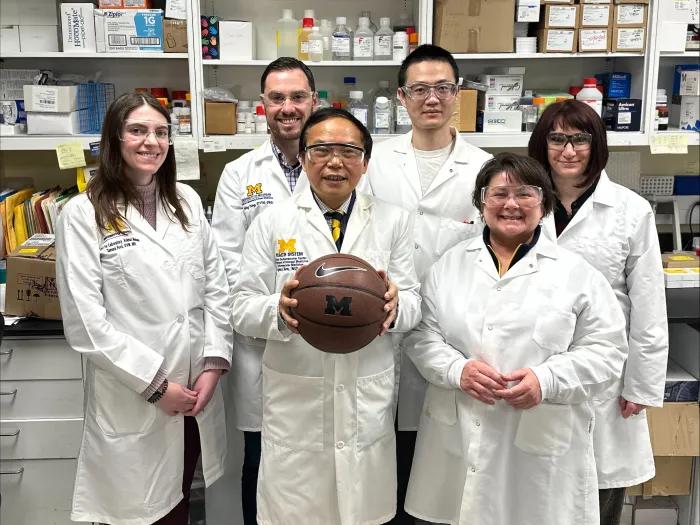
A night of two national titles for U-M, as scientists and basketball players both triumph

Six U-M medical research teams picked for virtual science tournament
Delays in Heart Surgery for Women due to One-Size-Fits-All Criteria