Chiari Malformation
Chiari Malformation
What is Chiari Malformation?
Chiari malformation is a commonly seen anomaly of the brain that is often diagnosed during childhood. It is characterized by a protrusion of a small part of the brain through the bottom of the skull (the foramen magnum) and into the spinal canal. The portions of the cerebellum that protrude into the spinal canal are called the "cerebellar tonsils" because they resemble the tonsils. Although there are several types of Chiari Malformations, most individuals have a Type I Chiari malformation. Type II Chiari Malformation is associated with spina bifida, is much less common than Type I, and is usually diagnosed at birth along with an associated spinal cord anomaly.
Our Approach
In C.S. Mott Children's Hospital's Pediatric Chiari Malformation Program, our physicians work with a full complement of pediatric sub-specialists to determine an individualized treatment plan for each patient, involving the family in the decision process each step of the way.
We hope that our patients will benefit from our vast experience with treating this disorder both surgically as well as non-surgically. Furthermore, it is our hope that patients around the world will benefit from our many ongoing research protocols on this condition.
What are the symptoms of Chiari Malformation?
In many cases, patients diagnosed with Chiari Malformation Type I are asymptomatic. For some individuals, however, the Chiari Malformation may be associated with symptoms such as headaches (especially with exertion), dizziness, numbness, swallowing difficulties, and difficulties with balance and coordination. If a Chiari Malformation does not cause symptoms or affect a person's daily life, it generally will not require treatment. If your child has associated symptoms that are ongoing (chronic) or associated with damage to the spinal cord, your child may need surgery.
How is Chiari Malformation treated?
If a Chiari Malformation does not cause symptoms or affect a person's daily life, it generally will not require treatment. If your child has associated symptoms that are ongoing (chronic) or associated with damage to the spinal cord, your child may need surgery.
Locations
-
Pediatric Neurosurgery Clinic | C. S. Mott Children's Hospital 1540 E Hospital Dr
Floor 3 Reception B
Ann Arbor, MI 48109-4219Get Directions -
Pediatric Neurosurgery Clinic | Northville Health Center 39901 Traditions Dr
Floor 2
Northville, MI 48168-9493Get Directions -
Pediatric Neurosurgery Clinic | UM Health-Sparrow Professional Building 1200 E Michigan Avenue
Ste 340
Lansing, MI 48912Get Directions
Doctors

Hugh James Lauriston Garton, MD
Professor
Neurological Surgery

Suresh Natesh Magge, MD
Clinical Professor
Neurological Surgery
News & Stories
Continuing the legacy of a doctor’s doctor
A pediatric epilepsy fundraiser that changes lives
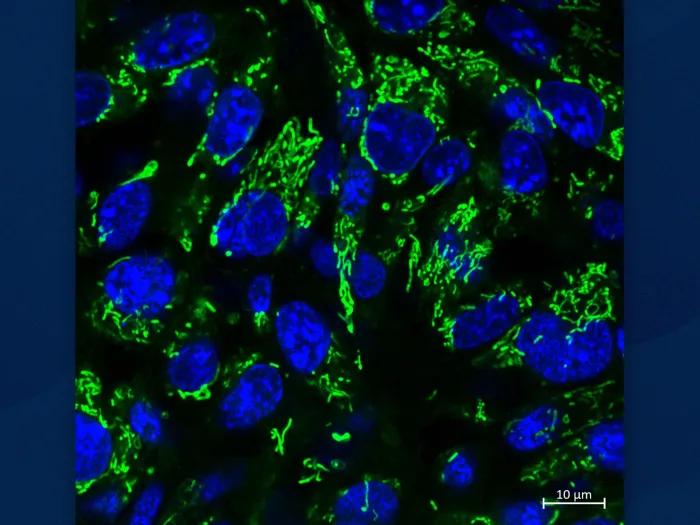
Engineered nanoparticles sensitize gliomas to radiotherapy

A concussion expert and football father discusses why he values teamwork over zero-risk
Block Out Cancer: From a crisis abroad to answers at Mott