Pediatric Rheumatology (Autoimmune Diseases)
Pediatric rheumatologists use advanced testing and specialized expertise to diagnose, treat and manage autoimmune and inflammatory conditions that affect a child's joints, muscles, bones and internal organs.
Your Michigan Answer for Pediatric Autoimmune & Inflammatory Conditions
When your child is facing joint pain, muscle weakness or a rare autoimmune or inflammatory condition, where you seek care makes all the difference. At U-M Health C.S. Mott Children's Hospital, our pediatric rheumatology experts care for children with even the rarest autoimmune and inflammatory disorders. We offer specialized programs for conditions such as juvenile lupus, juvenile dermatomyositis, scleroderma, vasculitis, and other complex rheumatic diseases.
Every child’s condition is unique, which means their care needs to be, too. That’s why our team works with specialists across pediatrics to build a personalized treatment plan tailored to your child’s symptoms, growth, development, and long-term health needs. With advanced diagnostic tools, onsite pediatric laboratory services, imaging designed specifically for children, and access to the newest treatment approaches, we provide the most comprehensive care available for young patients.
If your child is living with an autoimmune or inflammatory condition, C.S. Mott Children's Hospital offers the expertise, support and answers your family can rely on.
Looking for a Doctor or Location?
Give to Pediatric Rheumatology
Your gift to Pediatric Rheumatology helps us provide the care children need for improved quality of life and healthier futures.
Our Expertise Includes
News & Stories

A metabolic “switch” that could help reset scar-producing cells in scleroderma
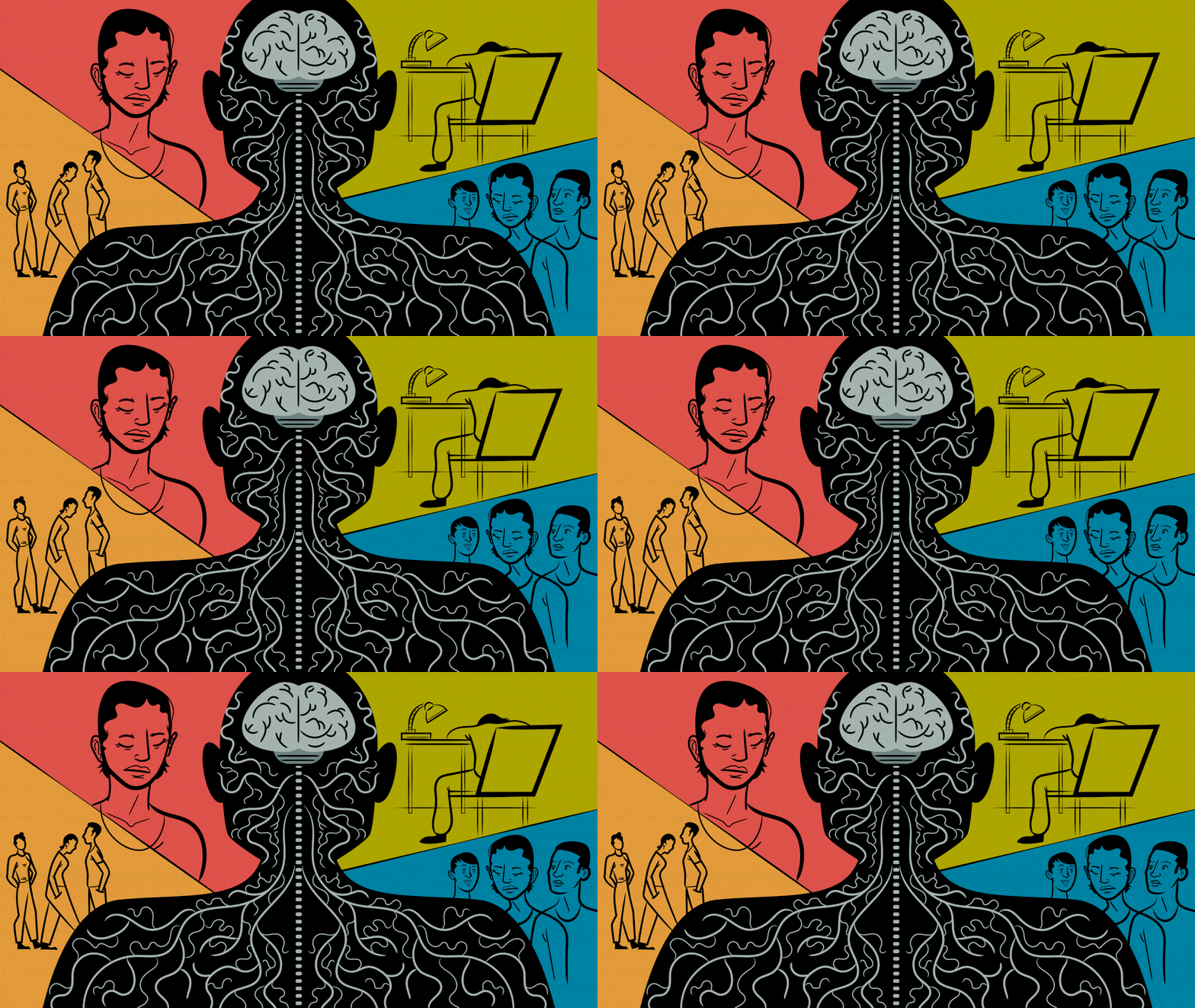
Pain, psychological factors and physical function closely linked in people with systemic sclerosis

Rheumatologist finds contentment and community through family farm
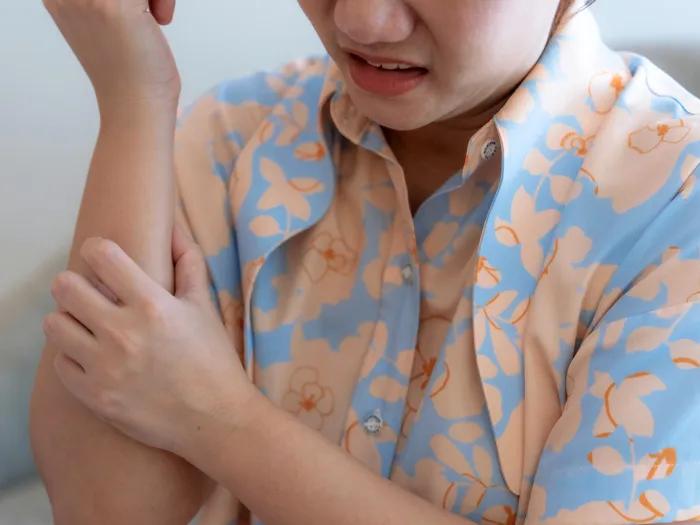
A first-of-its-kind treatment for mastocytosis
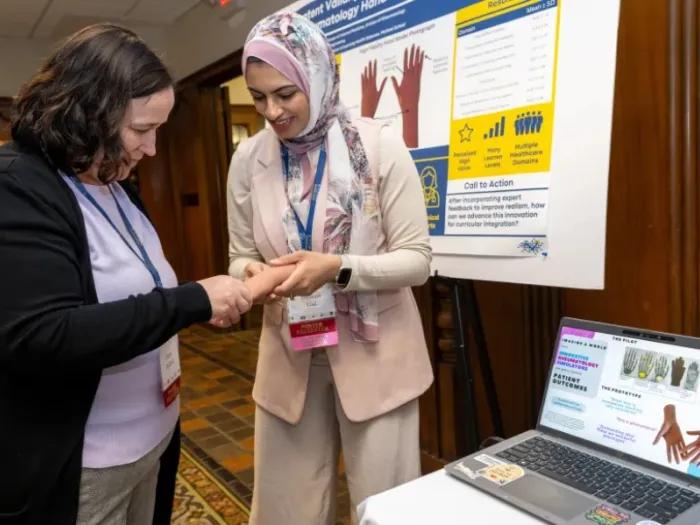
Rethinking how clinicians learn to feel disease