Valve-in-Valve TAVR
Valve-in-Valve TAVR
What is valve-in-valve TAVR?
A valve-in-valve transcatheter aortic valve replacement is a minimally invasive option for replacing tissue valves. Over time (approximately 10 to 15 years), tissue heart valves (or bioprosthetic valves) degenerate and eventually fail, requiring the need for replacement.
A tissue valve can fail in one of two ways:
- It can become narrowed due to scarring.
- One of the leaflets in the valve can fail to close, allowing blood to leak back into the heart.
Transcatheter aortic valve replacement (TAVR) technology offers a minimally invasive procedure to patients who previously underwent open-heart surgery for a bioprosthetic valve. This option is especially beneficial for high-risk patients as it allows them to recover in less time — typically one week versus three months.
What are the benefits of valve-in-valve TAVR?
Bioprosthetic heart valves are often preferred over mechanical valves because they have a lower risk of thrombosis, but they don’t last as long. The standard treatment for a failed valve that has stenosed or is regurgitant has been surgery, but repeat cardiac surgery carries significant risk, especially for older patients, making valve-in-valve surgery a good option.
The TAVR option is often chosen because it offers a minimally invasive procedure to patients who previously underwent open-heart surgery for a tissue valve. Using the less invasive “valve-in-valve” procedure, a new transcatheter valve is tightly placed into the orifice of the failed surgical valve, pushing the old valve leaflets aside. With the TAVR procedure, the total time of recovery in an ambulating, moderate- to high-risk patient is about a week.
Be sure to talk to your doctor to find out if a minimally invasive TAVR procedure is right for you as you near the lifespan of your tissue valve.
Appointment Information
To schedule an evaluation with a Frankel Cardiovascular Center physician, call 888-287-1082. Or visit the Make a Cardiovascular Appointment page to learn what to expect when you call us.
Locations
-
Cardiac Surgery Clinic | Frankel Cardiovascular Center 1425 E Ann St
Floor 3 Reception C
Ann Arbor, MI 48109-5856Get Directions -
Cardiology Clinic | Frankel Cardiovascular Center 1425 E Ann St
Floor 3 Reception C
Ann Arbor, MI 48109-5856Get Directions
Doctors
Gorav Ailawadi, MD, MBA
Professor
Thoracic Surgery, Surgery

Steven Fredric Bolling, MD
Professor
Thoracic Surgery, Surgery
Stanley Joseph Chetcuti, MD
Clinical Professor
Interventional Cardiology, Cardiovascular Disease, Internal Medicine
George Michael Deeb, MD
Professor
Thoracic Surgery, Surgery
Shinichi Fukuhara, MD
Clinical Assistant Professor
Thoracic Surgery, Surgery
Paul Michael Grossman, MD
Clinical Professor
Interventional Cardiology, Cardiovascular Disease, Internal Medicine

Sarah Kathrine Gualano, MD
Clinical Associate Professor
Cardiovascular Disease, Interventional Cardiology
Robert Bruce Hawkins, MD, MSc
Assistant Professor
Thoracic Surgery
Daniel Stephen Menees, MD
Clinical Professor
Interventional Cardiology, Cardiovascular Disease, Internal Medicine

Himanshu Jagdish Patel, MD
Professor
Thoracic Surgery, Surgery
News & Stories

Young father survives aortic dissection after delayed diagnosis
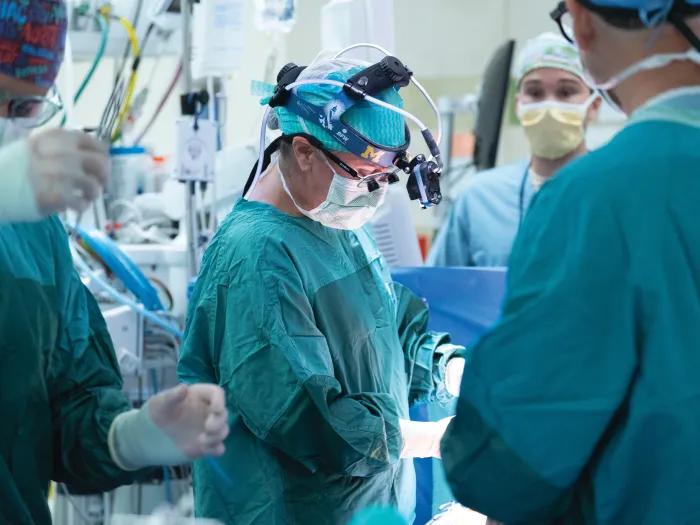
C.S. Mott Children’s Hospital first in country to implant expandable heart valve during FDA review phase
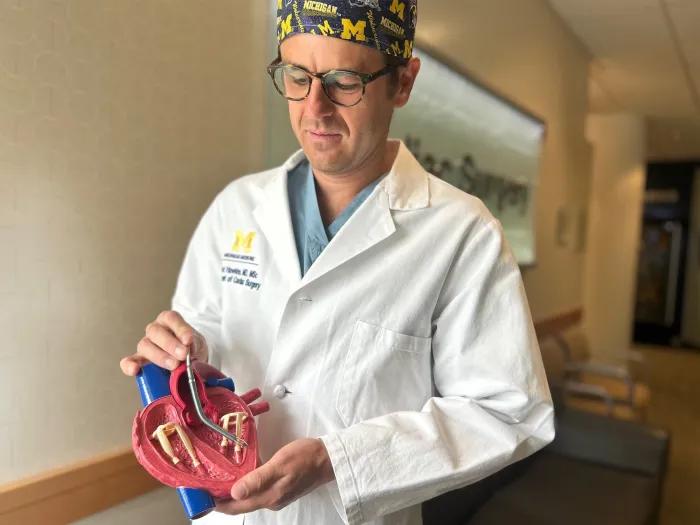
How a temporary heart pump can support high risk cardiac surgery
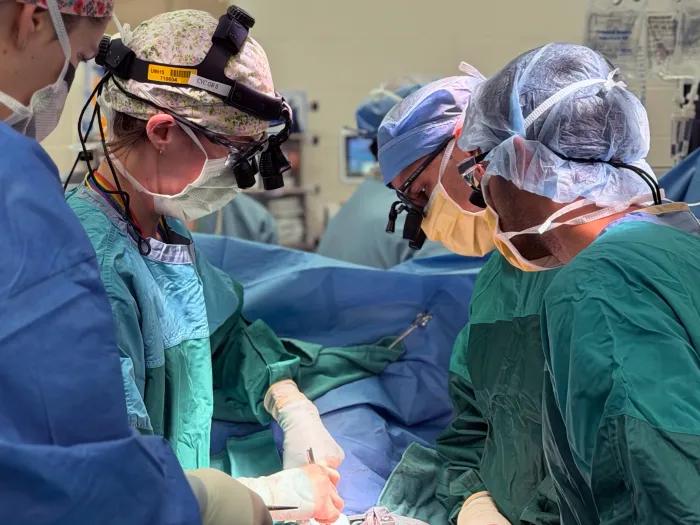
Failed TAVR? Heart surgeons explain TAVR explant, options and risks
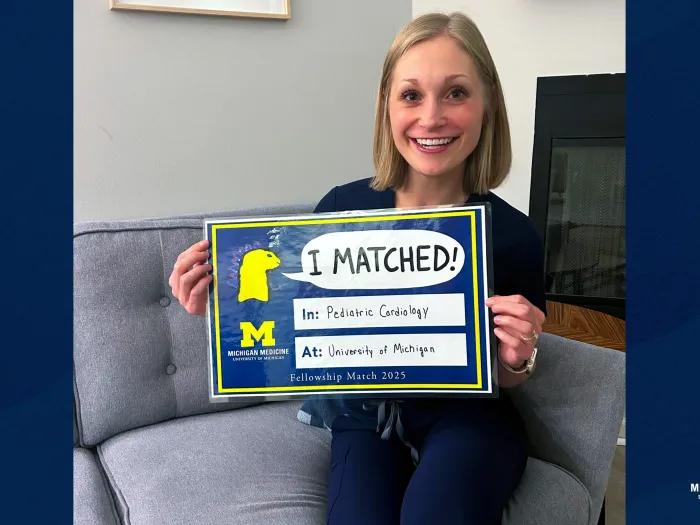
Fontan patient inspires as pediatric cardiology fellow