Bone Sarcomas (Pediatric)
Bone Sarcomas (Pediatric)
What is a bone sarcoma?
There are two types of sarcomas: osteosarcoma and Ewing's sarcoma. They're tumors that begin in the bone or tissue around the bone. While the tumor can be located anywhere in the body, they often are found in the long bones of the arms and legs and less frequently in the pelvis, spine or ribs. Ewing’s sarcoma and osteosarcoma primarily occurs in children and young adults but most often appears during the teen years, when bones are quickly growing. Bone tumors can spread (metastasize) to other parts of the body, most often the lungs and other bones. Ewing’s sarcoma can also spread to the bone marrow.
Our Approach
At the Solid Tumor Oncology Program, part of C.S. Mott Children’s Hospital at U-M Health, we provide comprehensive, multidisciplinary care for children with Bone sarcomas. Our dedicated team of specialists evaluates your child in a single visit and will create a customized treatment plan and begin your individualized treatment plan immediately. We are one of the first in the nation to offer this type of collaborative care for children with cancer. We are also one of the nation’s largest multidisciplinary programs caring for children with solid tumors and have the largest pediatric oncology research effort in the state.
Our Tumor Board meets weekly to discuss the care and treatment of children who are newly diagnosed with cancer, those currently on therapy, and families seeking a second opinion. Pediatric oncologists, orthopedic oncologists, pediatric surgeons, radiation oncologists, pathologists, diagnostic as well as interventional radiologists and nuclear medicine physicians attend the Tumor Board, allowing for our collective expertise to provide thorough, comprehensive approach to the care of children with bone sarcomas.
Appointment Information
Schedule an appointment by calling us at 734-936-9814.
What are the symptoms of a bone sarcoma?
Symptoms will vary depending on tumor size and whether or not the cancer has spread. Symptoms can include:
- Pain at the site of the tumor
- Swelling at the site of the tumor
- Broken bone from a minor injury or no injury
- Fever
How are bone sarcomas diagnosed?
Diagnosis of Ewing’s sarcoma and osteosarcoma begins with a thorough health history and a comprehensive physical examination. Some testing will be required and may include blood work, an x-ray, a CT scan, an MRI, bone scan or PET scan. A biopsy to confirm the diagnosis is performed by removing a small piece of tissue from the tumor for examination under a microscope. A bone marrow biopsy may also be required to determine if the cancer has spread to the bone marrow in Ewing’s sarcoma.
How are bone sarcomas treated?
Every child’s treatment plan is individualized, based on the patient’s needs and the specific tumor, utilizing cutting-edge technology and the latest research. Treatment options include:
- Surgery: when possible, surgery is used to remove the primary tumor. An orthopedic oncologist performs surgery to remove the bone containing the tumor and can usually reconstruct the bone to preserve function. Surgery to remove tumors is performed by our renowned orthopedic oncology team and pediatric general surgery team, each of whom specializes in minimally invasive approaches to tumor resection whenever possible.
- Chemotherapy: in general, chemotherapy is required before surgery (to shrink the tumor and/or control spreading) and/or after surgery (to eliminate any cancerous cells still present). Chemotherapy is the treatment of cancer with drugs that can destroy cancer cells. Chemotherapy includes a variety of drugs that are given in a variety of ways.
- Radiation: radiation therapy is the use of high-energy radiation – primarily X-rays – to kill cancer cells. When radiation treatments are given for cancer, special care is taken to ensure that as much normal tissue as possible is spared from radiation exposure. The radiation dose is precisely measured and carefully aimed to kill as many cancer cells as possible while sparing normal tissue. Radiation therapy is used more often in Ewing’s sarcoma than in osteosarcoma.
Research
Our specialists are at the center of developing new therapies for cancer. In fact, C.S. Mott Children’s Hospital is one of only a few pediatric centers in the country providing patients access to Phase 1 clinical trials. Phase 1 clinical trials give patients at University of Michigan access to pivotal early-stage studies, connecting families to novel treatment therapies to patients before they are widely available. At any time, you can ask your doctor or any of our health care professionals about clinical trial participation opportunities.
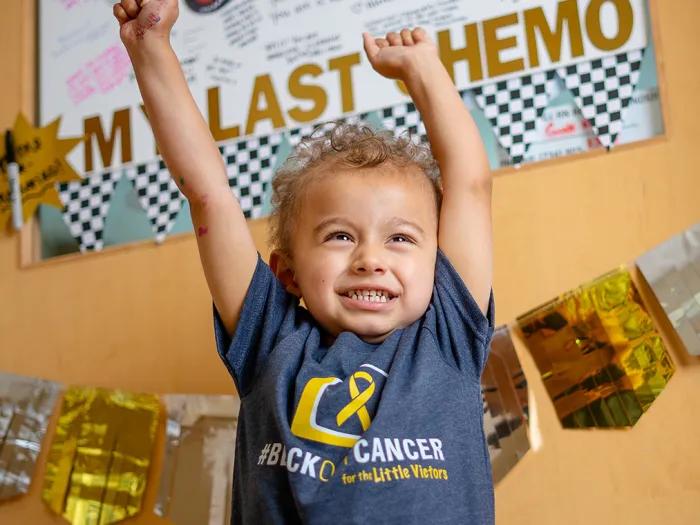
Block Out Cancer
Learn how you can be part of our efforts to #BlockOutCancer.
Locations
-
Solid Tumor Oncology Program | C. S. Mott Children's Hospital 1540 E Hospital Dr
Floor 4 Reception B
Ann Arbor, MI 48109-4217Get Directions
Doctors

Sean Peter Edwards, MD, DDS
Clinical Professor
Oral and Maxillofacial Surgery, Surgery, Oral & Maxillofacial Surgery, Dentistry
Peter F Ehrlich, MD
Professor
Pediatric Surgery, Surgery

Patrick Joseph Grohar, MD, PhD
Professor
Pediatric Hematology-Oncology, Pediatrics

Amer Heider, MD
Clinical Professor
Pathology, Cytopathology, Pediatric Pathology

Rajen Mody, MBBS
Clinical Professor
Pediatric Hematology-Oncology, Pediatrics

Erika Adams Newman, MD, MBA, FAAP, FACS
Professor
Pediatric Surgery, Surgery
Robin Theresa Petroze, MD
Clinical Associate Professor
Pediatric Surgery, Surgery
Raja Rabah, MD
Clinical Professor
Anatomic Pathology, Pediatric Pathology

Rama Jasty Rao, MBBS
Clinical Associate Professor
Pediatric Hematology-Oncology, Pediatrics
Laura Kimberly Sedig, MD
Clinical Assistant Professor
Pediatric Hematology-Oncology, Pediatrics
Providers
Lauren Ashley Bishop, NP
Advanced Practice Nurse
Nurse Practitioner
Amy Marie Edmonds, NP
Advanced Practice Nurse
Nurse Practitioner
Tammy Lynn Hilkert Stoll, PA-C
Physician Assistant
Physician Assistant
News & Stories
Comprehensive DNA sequencing reveals hidden drivers of cancer
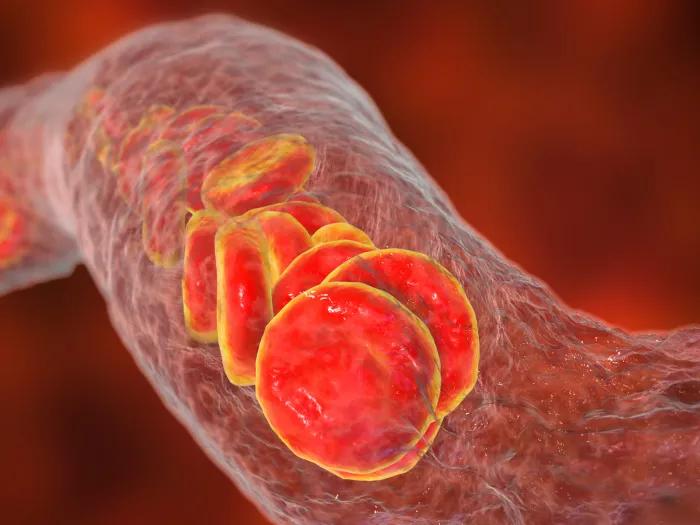
FDA-approved drug offers hope for patients with polycythemia vera, a rare bone marrow disorder
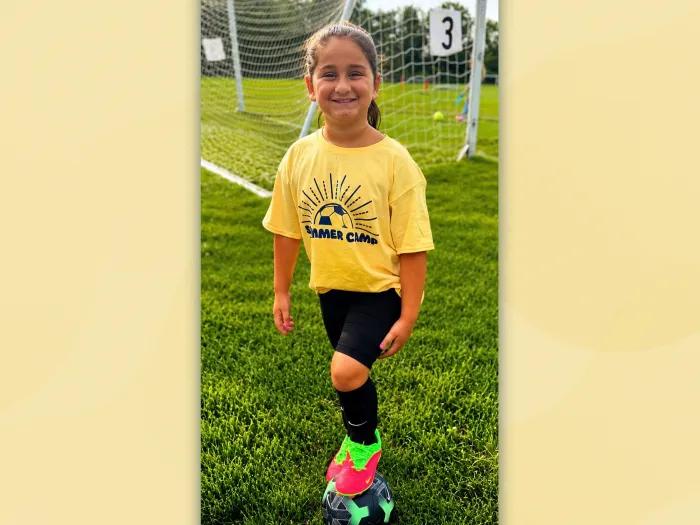
Pediatric patient treated for rare kidney cancer

Rare cancer diagnosis inspires community of support
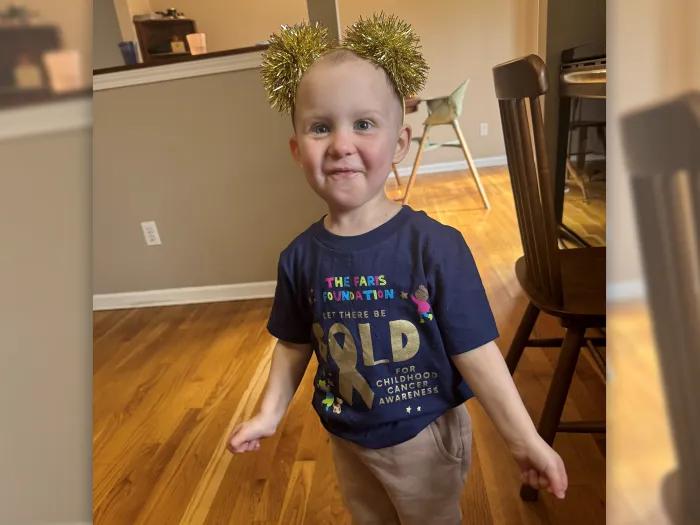
U-M alumni return from Central Asia to seek treatment for their child at Mott
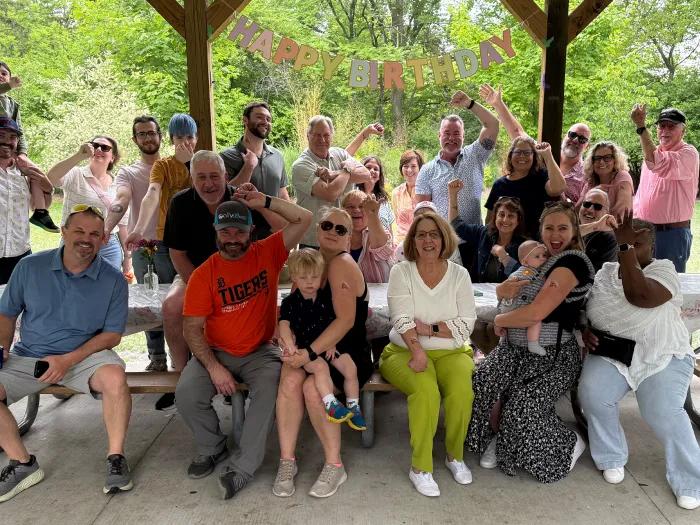
Specialized care helps patient navigate rare liposarcoma diagnosis
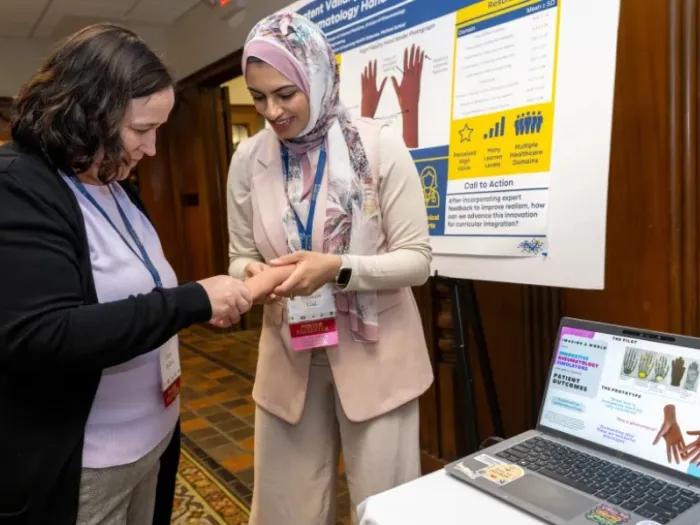
Rethinking how clinicians learn to feel disease
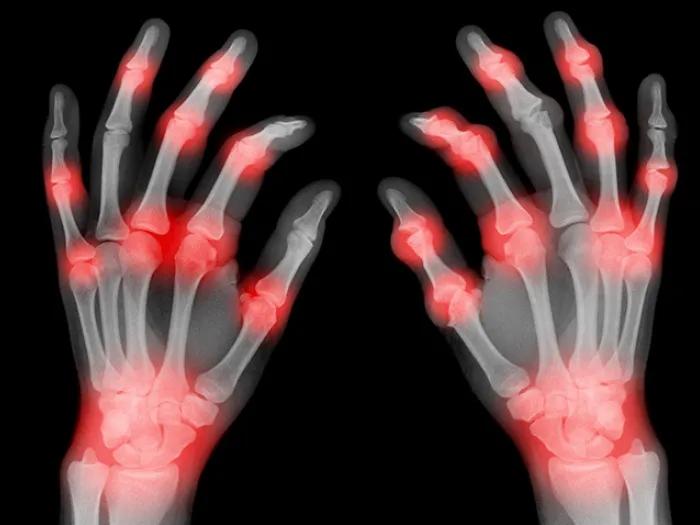
Treating arthritis of the hands

$40 million gift supports Michigan Medicine’s new specialty care facility in Troy and mental health research
Sam’s Michigan Answer: A medical school that sees him as a champion

Physical and Occupational Therapy Helps Patient with Cancer Walk Again

5 Facts About Cleidocranial Dysplasia, ‘Stranger Things’ Actor’s Condition
Sam’s Michigan Answer: A medical school that sees him as a champion
Talent show brings joy to kids at children’s hospital
U-M alumni return from Central Asia to seek treatment for their child at Mott
Specialized care helps patient navigate rare liposarcoma diagnosis

Block Out Cancer: From a crisis abroad to answers at Mott
Path forward for glioblastoma treatment