Vestibular Physical Therapy
Vestibular Physical Therapy
What is vestibular physical therapy?
Vestibular Rehabilitation is a special kind of physical therapy that focuses on exercises to decrease dizziness and improve balance. Vestibular Physical Therapists at University of Michigan Health have advanced training in this area.
It is natural to avoid movement when you are dizzy. However, it is very important to move so your body can heal, and you can return to all of your usual daily activities. By doing specific exercises and increasing movement and activity, your brain will make up for or compensate for an inner ear problem. These exercises can also help with the communication between your eyes, inner ear, and sensory information from your feet.
Goals for physical therapy
- Decrease dizziness or vertigo
- Decrease visual symptoms like blurred or bouncing vision
- Improve balance and walking stability
- Improve fitness and endurance
- Learn how to manage your symptoms
- Prevent falls
- Improve your quality of life
- Help you safely return to your usual daily activities
Sports Medicine at U-M Health
Do you have a sports injury that's affecting your performance or ability to play? Learn more about our sports medicine care and how to make an appointment with one of our experts.
Appointment Information
Our specialized, dedicated team is happy to provide you with comprehensive evaluation and individualized treatment. Schedule an appointment by calling us at 734-936-8051, then press option 2.
What to Expect
Your physical therapist will provide you with a home exercise program specific to your needs. Some of the different kinds of exercises include:
- Coordinated eye and head movements aimed at decreasing dizziness
- Strengthening exercises
- Balance exercises
- Walking or aerobic exercise program
Research shows that doing the exercises 3 times each day results in the best outcome. The goal of each exercise is to stimulate your brain by making you feel a little dizzy, then giving your brain and body a chance to recover. These exercises train your brain to tolerate activities. Your therapist with give you written exercise handouts and tell you how often the exercises should be done.
Some exercises may make your symptoms seem worse at first. This is normal and it is important to be patient and continue the exercises. Many patients do have significant improvement in their symptoms with the help of Vestibular PT. Often patients are able to return to their normal day-to-day activities. Your home exercise program is a key part of your recovery. It is very important that you give your exercise program your best effort.
- Your symptoms may be worse when you are tired or under stress. Getting good rest and managing stress and anxiety is important.
- Staying physically active is also important. Walking daily can be very helpful.
- Avoid taking anti-dizziness medications like meclizine (Antivert). These medications may help you control your symptoms for the first few days of a severe dizziness attack. However, taking these medications for more than a few days can lengthen your recovery because they delay the process of central compensation. This means your brain won’t compensate as quickly and your symptoms will last longer.
Vestibular problems affect each person differently. The way you think, feel, and react can have either a positive or negative impact on your physical health and your ability to recover. Anxiety and depression may contribute to your dizziness and may result in slower progress with your vestibular rehabilitation program. Managing anxiety and depression are important to your recovery.
Providers
- Nidhi Doshi, MSPT
- Melissa Grzesiak, DPT
- Marta Jensen, DPT, NCS
Locations
-
Michigan Balance Clinic | Med Inn Building 1500 E Medical Center Dr
Floor 1 Room C166A
Ann Arbor, MI 48109-5816Get Directions
News & Stories

Expanding camp adventure for all
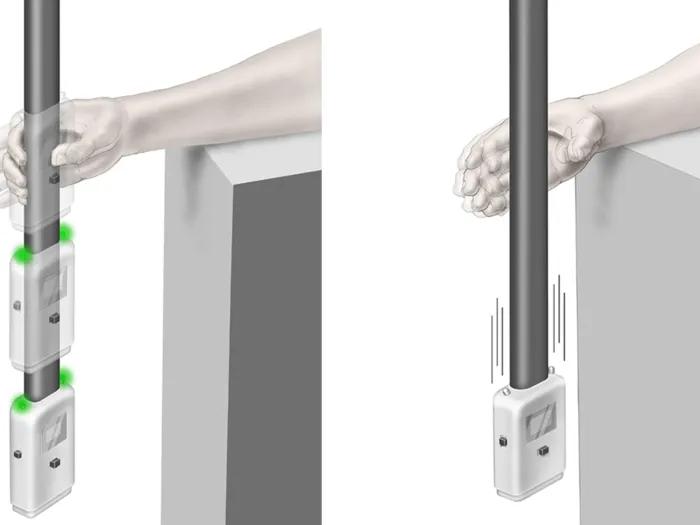
A method to prevent falls before they happen
Giving with gratitude: planned gifts support nursing, research, and patient care

A smarter helmet for the smallest patients

To reduce chronic pain, a new digital program could help