
CAR T-cell Therapy
CAR T-cell Therapy
CAR T-cell is a type of cellular therapy. We take immune cells out of a patient’s body, and then we modify these cells so that they can target and kill cancer cells. Then we reinfuse these cells into the patient. The cells go into the patient, find their target on the cancer cell surface and kill those cells.
At the Rogel Cancer Center, we use the power of your immune cells to fight multiple myeloma and B-cell lymphomas with CAR T-cell therapy.
Our Approach
The Rogel Cancer Center has been on the front lines of this therapy for the past several years, participating in the pivotal trials that led to the approval of the first FDA-approved CAR T-cell therapy in 2017. Our cancer center is the first site in Michigan to offer both currently FDA-approved CAR T-cell therapies: Kymriah™ (Novartis) and Yescarta™ (Kite).
Michigan Medicine has one of the leading transplant programs in the country, recognized for our innovative clinical research and clinical care. Our clinicians have 30 years of cell therapy experience and extensive experience managing side effects that can occur from this therapy.
As a research institution, we’re always looking for new ways to help patients through clinical research. Our multidisciplinary team of specialists is working to find new uses for this technology, and clinical trials are in development for multiple other blood and solid tumor cancers.
Dr. Monalisa Ghosh discusses the future of cell & gene therapies
Appointment Information
If you are a patient who has been advised you may benefit from CAR T-cell Therapy, please call 734-647-8902.
Healthcare professionals looking to refer a patient, please call M-LINE 800-962-3555.
For more information about CAR T-cell Therapy at U-M Health, please call Cancer Answerline 800-865-1125.
What types of cancers is treated with CAR T-cell Therapy?
CAR T-cell Therapy has been approved by the U.S. Food and Drug Administration for:
adult patients with relapsed or refractory large B-cell lymphomas whose cancer has progressed after receiving at least two prior treatment regimens.
children and young adults up to age 25 with B-cell acute lymphoblastic leukemia (ALL) that does not respond to treatment or has relapsed two or more times.
adult patients with multiple myeloma that is not responding to treatment (refractory).
adult patients with multiple myeloma that has returned after treatment (relapsed).
What should patients know about the CAR T-cell therapy process?
Once a patient is referred to the University of Michigan Rogel Cancer Center, they will be evaluated to see if they are eligible for the CAR T-cell treatment. This could involve a series of exams and tests, including blood tests, a bone marrow aspirate / biopsy, spinal tap (for leukemia patients), X-rays, and other scans.
Next, a patient’s T-cells will be removed through a blood draw process called apheresis, in which the T-cells are “siphoned” from the blood stream over a two to three-hour period. The process only removes a small fraction of your T-cells, leaving the remainder of your immune system intact. Once collected, the T-cells are then manufactured into the final CAR-T product through a two to four-week process, in which your T-cells are genetically modified – or “trained” – to target your cancer cells.
The final CAR T-cell product is small, typically less than an ounce in volume. The CAR T-cells are given to patients by intravenous infusion, the infusion lasting less than 10 minutes. Once the CAR T-cells are in the patient’s body, they begin to multiply and attack the cancer cells they have been programmed to destroy. On the average, patients will be admitted to the hospital for two to four weeks following the CAR T-cell infusion, so that the medical team can closely monitor for CAR T-cell side effects during this period. One major side effect of CAR T-cells is the potential development of a condition called ‘cytokine release syndrome (CRS)’, in which the immune system is “revved up” to target the tumor cells. CRS is commonly associated with fevers, shakes, chills, and fluid retention, all signs that the immune system has been activated to attack the cancer cells. CRS typically develops within the first 1-2 weeks after the CAR T-cell infusion, with symptoms ranging from mild to severe (even life threatening) in some patients. The medical team will monitor patients closely during this period, with special treatment required for severe forms of CRS given, if it occurs.
Once a patient has been discharged, they will need to stay within a 60-mile radius of the University of Michigan for up to 8 weeks (after the infusion) so that our clinicians can continue to monitor them closely and respond quickly to any side effects.
Services Information
Michigan Medicine established a clinical cellular therapy program with a multidisciplinary team of experts that manages our patients. The team has developed clinical practice guidelines and standard operating procedures and meets weekly to specifically discuss the patients in our care who are receiving CAR T-cell therapy.
As part of the Rogel Cancer Center, we offer Patient & Family Support Services, which includes support groups, counseling services, art and music therapy and more.
Patient Resources
The following videos may help explain CAR T-cell Therapy for both adult and pediatric patients.
Locations
-
Bone Marrow Transplant & Leukemia Clinic | C. S. Mott Children's Hospital 1540 E Hospital Dr
Floor 7 Reception B
Ann Arbor, MI 48109-4257Get Directions
Doctors

Ghada Ahmed Yousif Abusin, MD
Clinical Associate Professor
Pediatric Hematology-Oncology, Pediatrics
Sarah Marie Anand, MD
Clinical Assistant Professor
Hematology, Medical Oncology, Internal Medicine
Sung Won Choi, MD
Professor
Pediatric Hematology-Oncology, Pediatrics
Monalisa Ghosh, MD
Clinical Associate Professor
Medical Oncology, Internal Medicine
Darren Patrick King, MD
Clinical Assistant Professor
Hematology, Medical Oncology, Internal Medicine
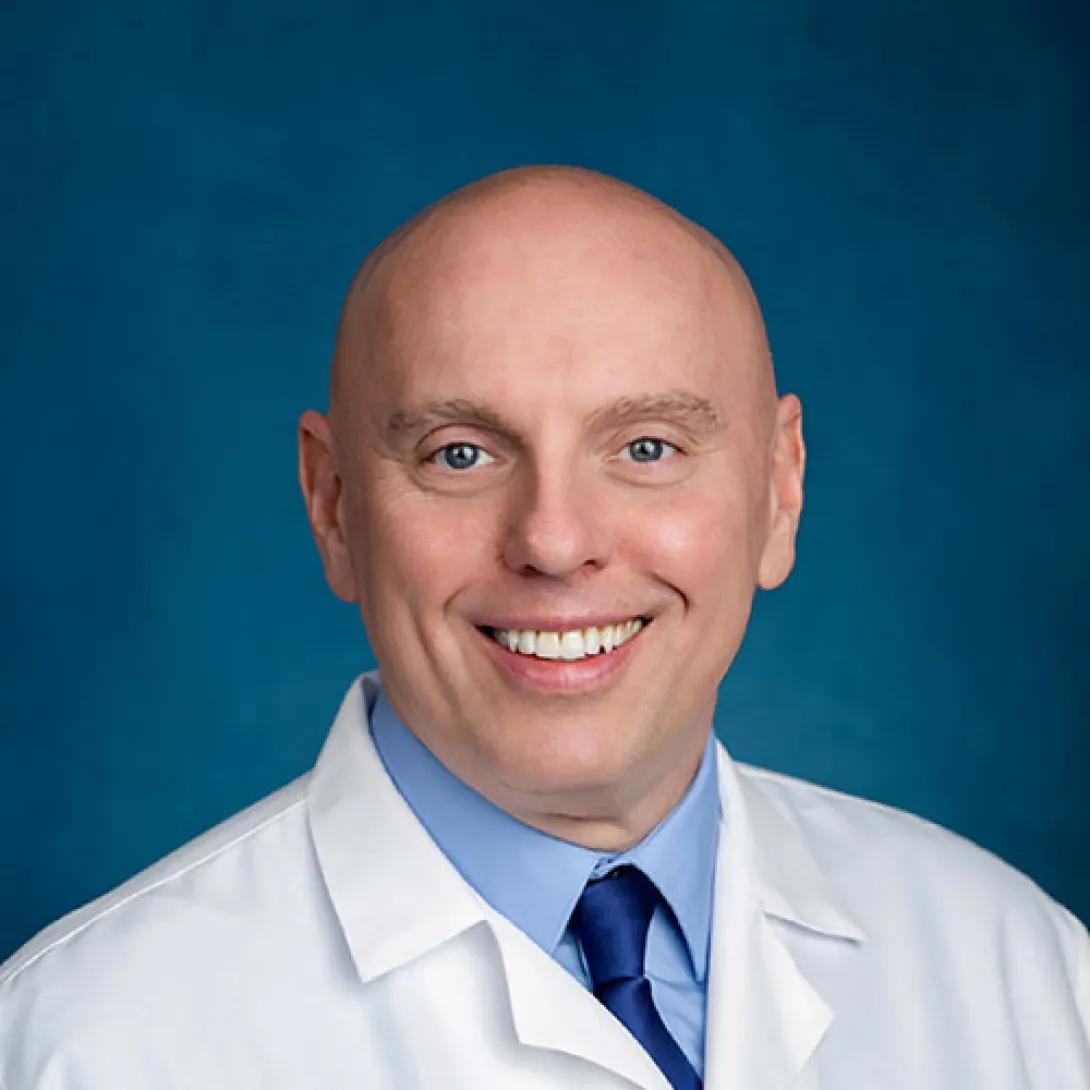
John Joseph Maciejewski, MD, PhD
Clinical Assistant Professor
Hematology, Internal Medicine
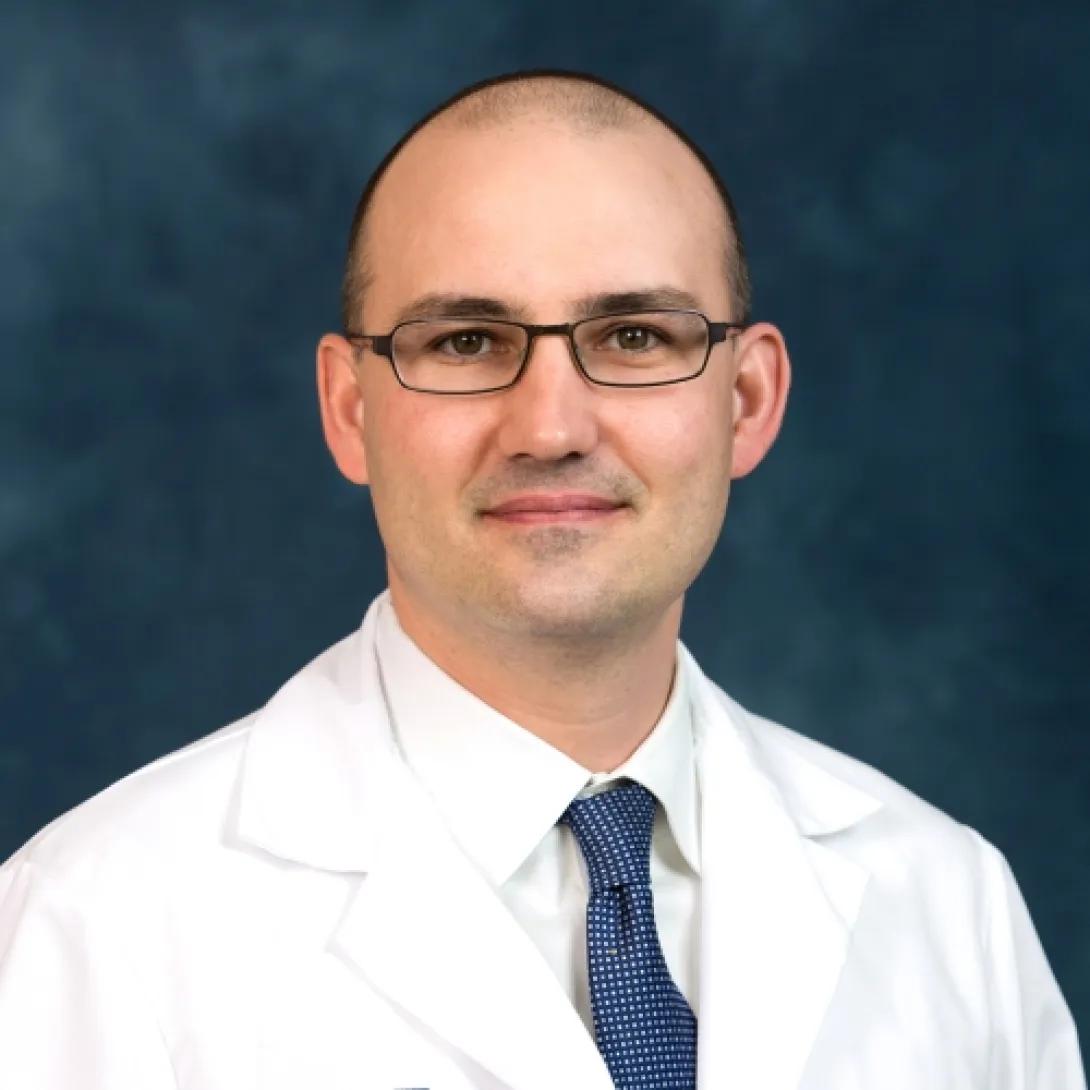
John Martin Magenau, MD
Clinical Professor
Hematology, Internal Medicine, Medical Oncology
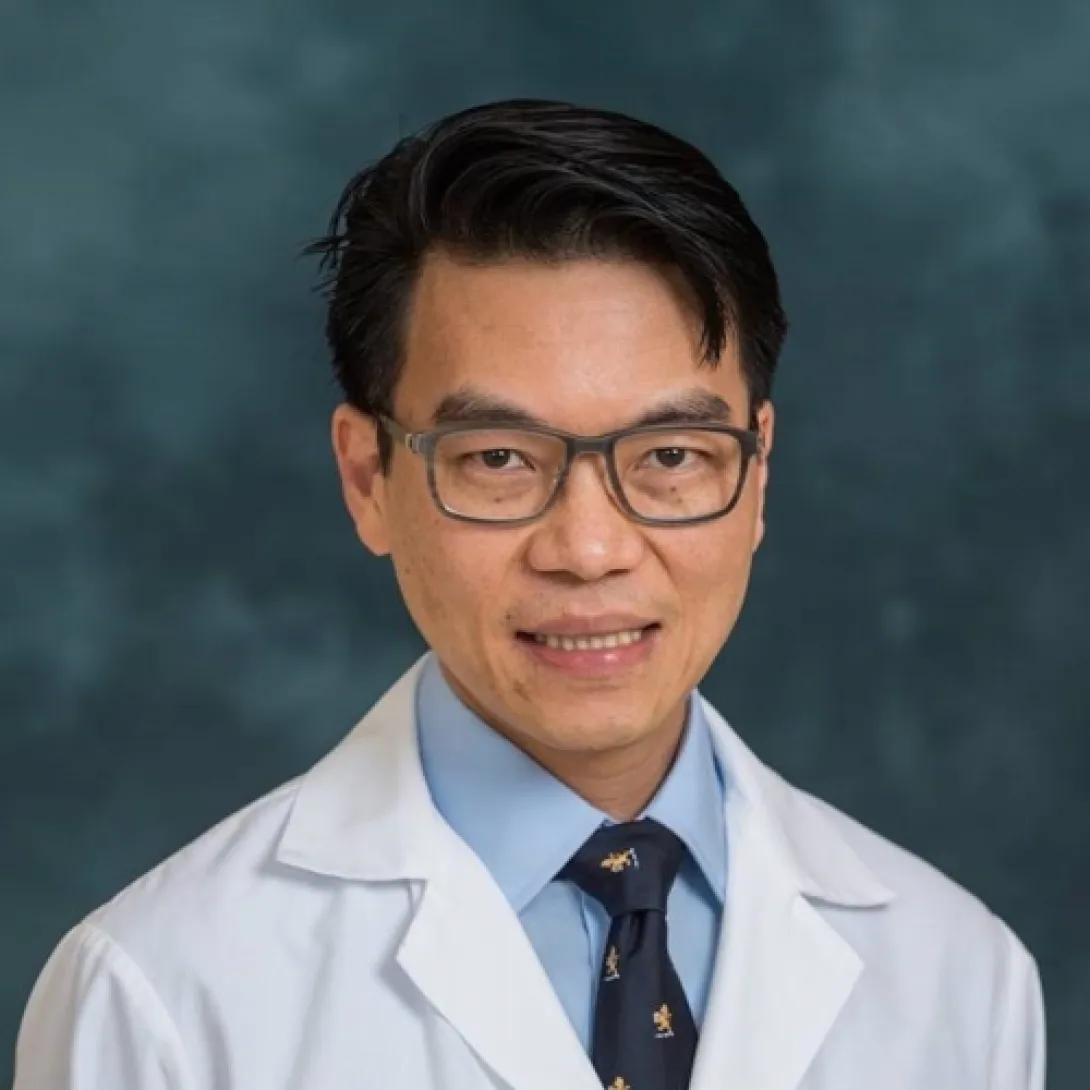
Attaphol Pawarode, MD
Clinical Associate Professor
Hematology, Internal Medicine, Medical Oncology
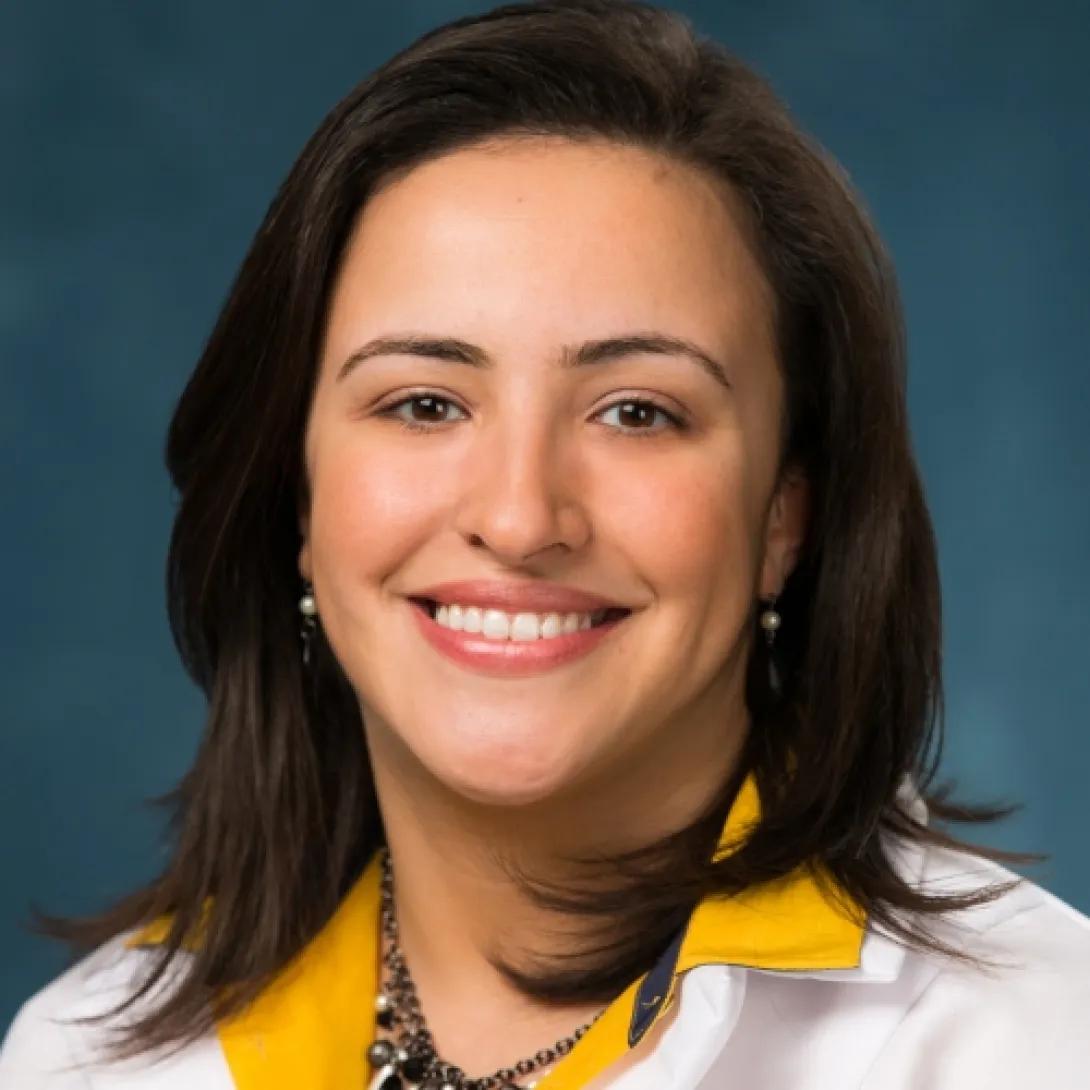
Mary Mansour Riwes, DO
Clinical Assistant Professor
Medical Oncology, Internal Medicine, Hematology
Mark Thomas Vander Lugt, MD
Clinical Associate Professor
Pediatric Hematology-Oncology, Pediatrics
Providers
Kari Zureki Castillo, NP
Advanced Practice Nurse
Nurse Practitioner - Primary Care, Nurse Practitioner
Timothy Michael Higgins, PA-C
Physician Assistant
Physician Assistant
Bethany Ann Laurio, NP
Advanced Practice Nurse
Nurse Practitioner
Mary Genevieve Mathews, NP
Advanced Practice Nurse
Nurse Practitioner
Kadee Jo Raser, PA-C
Physician Assistant
Physician Assistant
News & Stories

The Future of Cell and Gene Therapies

Researchers find promising new approach to stop intestinal problems caused by immune cells

