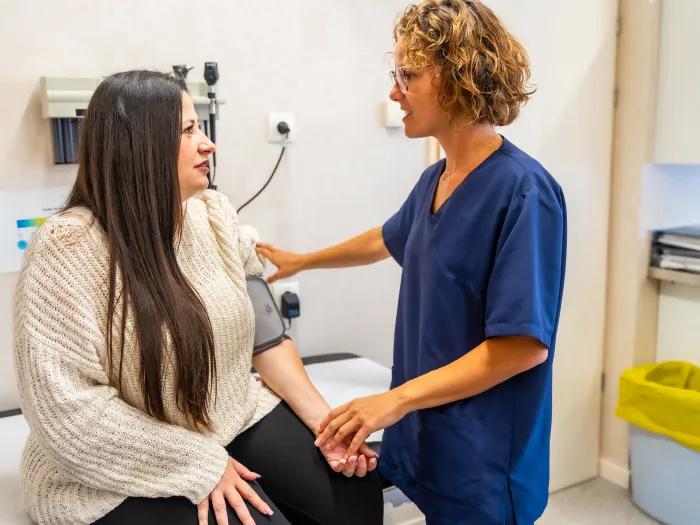
Lateral Collateral Ligament (LCL) Injuries
Lateral Collateral Ligament (LCL) Injuries
What are Lateral Collateral Ligament (LCL) injuries?
The lateral collateral ligament (LCL) is a thin band of tissue that runs along the outside of the knee. Thousands of people every year have LCL injuries, including stretches, partial tears or complete tears. An LCL injury is usually a result of the knee joint being pushed from the inside of the leg during an accident, sports or a fall
Our Approach
At University of Michigan Health, we have the expertise to diagnose and treat your condition with a variety of non-surgical and surgical options. As one of the oldest and most well-regarded orthopaedic units in the country, we have spent thousands of hours treating LCL injuries such as yours. We use an integrated multidisciplinary approach that will result in an individualized treatment plan just for you -- making sure to include all areas of U-M Health that are involved in your care. Our goal is to improve the quality of your life. Note: If you have injured your knee, you should seek medical attention soon so that you don't do more harm to any of the ligaments.
Sports Medicine at U-M Health
Do you have a sports injury that's affecting your performance or ability to play? Learn more about our sports medicine care and how to make an appointment with one of our experts.
Appointment Information
Selecting a health care provider is a very important decision. Because we are highly experienced in successfully treating all types of knee injuries, we would like to help you explore your options. Our staff will be glad to talk with you about your options and how we can help.
- MedSport: 877-877-9333 or 734-930-7400
- Orthopaedics: 734-936-5780
- Physical Medicine & Rehabilitation (PMR): 734-936-7175
What are the symptoms of an LCL injury?
A doctor should make the diagnosis, but typical symptoms include:
- Knee gives way or feels like it is going to give way
- Knee swelling
- Locking or catching of the knee with movement
- Numbness or weakness in the foot if the peroneal nerve (near the ligament) is stretched during the injury or is pressed by swelling in the surrounding tissues
- Pain along the outside of the knee
How is an LCL injury diagnosed?
We will take your medical history, ask you about your pattern of symptoms and conduct a physical exam. We can diagnose an LCL during a physical exam. We may conduct tests such as X-rays and may order an MRI. Then we will use all of this information to develop an individualized treatment plan for you.
How is an LCL injury treated?
Your doctor may recommend treatments such as:
- Applying ice to the area
- Non-steroidal anti-inflammatory drugs (NSAIDs)
- Raising the knee above heart level
- Physical therapy
- Wearing a lightweight cast, brace or splint
Surgical Treatment
Surgery is often not needed when only the LCL has been torn. However, this ligament is often injured during significant trauma such as a knee dislocation, which may require surgery. It is also common for LCL injuries to occur along with other ligament injuries, including ACL tears, PCL tears and other damage within the knee. This increases the need for surgery. Where surgery is necessary, it may include repair of the torn ligament (sewing it back together) or reconstructing the ligament with an autograft or allograft tendon.
Locations
-
Orthopaedic Sports Medicine Clinic | Northville Health Center 39901 Traditions Dr
Floor 1
Northville, MI 48168-9493Get Directions -
Orthopaedic Sports Medicine Program | Domino's Farms 24 Frank Lloyd Wright Dr Ste 1000
Lobby A
Ann Arbor, MI 48105-9484Get Directions -
Orthopaedic Surgery Clinic | Brighton Center for Specialty Care 7500 Challis Rd
Entrance 1, Level 1
Brighton, MI 48116-9416Get Directions -
Orthopaedic Surgery Clinic | Northville Health Center 39901 Traditions Dr
Floor 1
Northville, MI 48168-9493Get Directions -
Pediatric Rheumatology Clinic | Northville Health Center 39901 Traditions Dr
Floor 2
Northville, MI 48168-9493Get Directions -
Rheumatology Clinic | Northville Health Center 39901 Traditions Dr
Floor 1
Northville, MI 48168-9493Get Directions
Doctors
Andrea Lynn Aagesen, DO
Clinical Associate Professor
Physical Medicine & Rehabilitation, Sports Medicine
Asheesh Bedi, MD
Professor
Orthopedic Surgery, Sports Medicine

James Ely Carpenter, MD, M.H.S.A.
Professor
Orthopedic Surgery, Sports Medicine

Eileen Aidan Crawford, MD
Clinical Associate Professor
Orthopedic Surgery, Sports Medicine

John Andrew Grant, MD
Clinical Associate Professor
Orthopedic Surgery, Sports Medicine

Ann Therese Laidlaw, MD
Clinical Assistant Professor
Physical Medicine & Rehabilitation, Electrodiagnostic Medicine, Sports Medicine

Bruce Scott Miller, MD
Professor
Orthopedic Surgery, Sports Medicine

David Parker Patterson, MD
Clinical Assistant Professor
Orthopedic Surgery, Sports Medicine

Edward Michael Wojtys, MD
Professor
Orthopedic Surgery, Sports Medicine
News & Stories
Rethinking how clinicians learn to feel disease
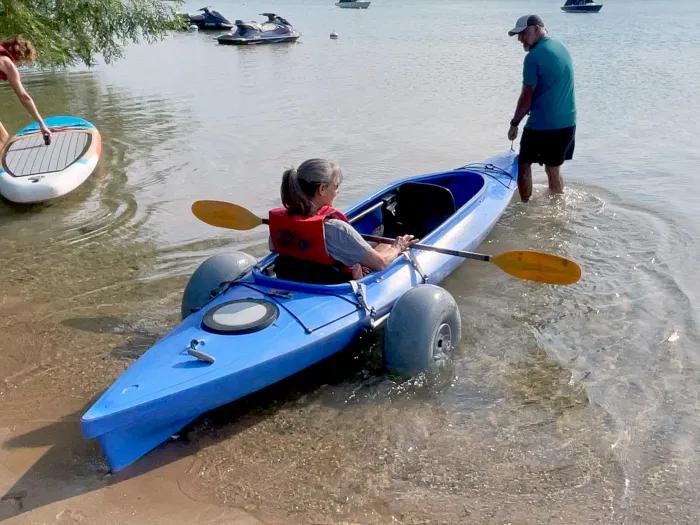
Expanding camp adventure for all
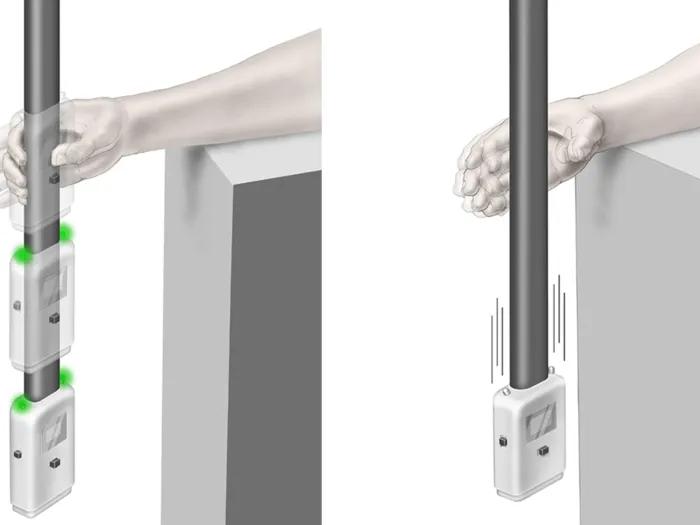
A method to prevent falls before they happen
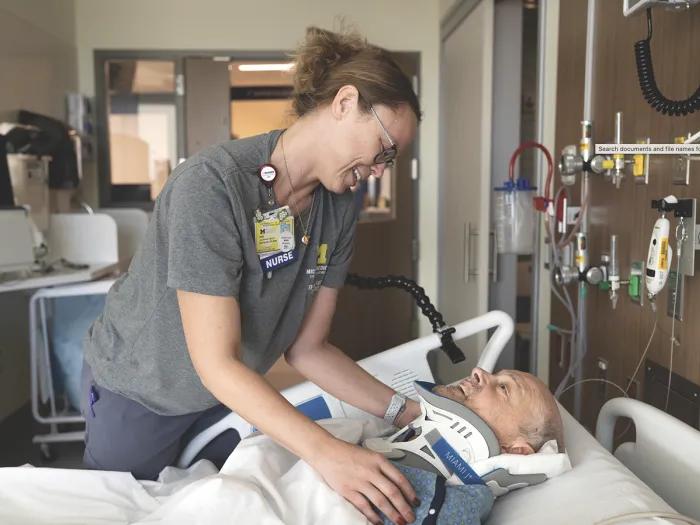
Giving with gratitude: planned gifts support nursing, research, and patient care
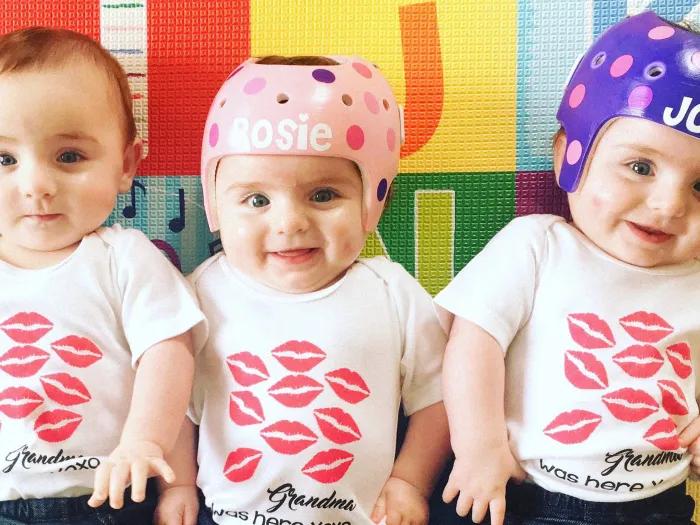
A smarter helmet for the smallest patients