Skull Base Surgery
Skull Base Surgery
What is skull base surgery?
Skull base surgery for tumors involves the removal of benign or malignant growths located at the base of the skull. Treating these tumors is complex. They require a highly skilled, cohesive team with expertise in a variety of surgeries and other treatments. These tumors can affect sensitive nerves and are often challenging and sometimes dangerous to reach, since they sit under the brain and may be entangled with important nerves and blood vessels.
Our Approach
Many programs specialize in only one approach for skull base surgery. At the Skull Base Program, we have experts who can perform every surgical approach used for vestibular schwannomas and related skull base tumors. Our surgeons are also among the most experienced in the nation using the middle fossa approach for hearing preservation.
Our goal is to get you back to living your life, doing everything we can to preserve critical nerves and blood vessels, as well as your appearance.
We will always listen to you, tailoring treatment recommendations to your individual needs. These may vary due to:
- The size and location of the tumor
- Any pre-existing symptoms, such as hearing loss or other nerve damage
- Your overall health
Your skull base treatment team
Our treatment team includes:
- Neurotologists/otologists: Ear, nose, and throat (ENT) doctors who specialize in skull base tumors and operations for hearing loss and balance disturbances
- Neurosurgeons: Doctors who specialize in brain and skull base surgery
- Intraoperative monitoring team: Providers who can monitor hearing, the facial nerve, and other cranial nerves during surgery
Appointment Information
To schedule an evaluation for a tumor or other skull base condition, please call us at 734-936-8051.
Treatments
Our surgeons are experts at removing skull base tumors while preserving nerve function and hearing. Surgery options depend on the tumor and the symptoms it causes. The three types of surgery for vestibular schwannoma are:
- Middle fossa approach: Used to preserve hearing when tumors haven’t spread too far into the brain cavity
- Retrosigmoid approach (suboccipital craniotomy): May preserve hearing on occasion with larger tumors, and sometimes used for very large or recurrent skull base tumors
- Translabyrinthine approach: Used when there is already a significant hearing loss or when deafness is inevitable because of the size of the tumor
After surgery, you will stay for at least a night in our neurointensive care unit as we monitor your recovery. You will move to a regular hospital room for two or three more days. You’ll see our physicians, balance therapists and audiologists as needed after discharge.
Our ear, nose, and throat surgeons use several surgical options to remove nasal and sinus tumors. Options depend on the type of tumor and include:
- Endoscopic surgery: We insert a tiny video camera into the nose and use special tools to remove the tumor. This minimally invasive type of brain surgery uses no incisions on the outside of the nose. It also offers a shorter healing time than traditional surgery.
- Maxillectomy: We remove part or all of the upper jaw to reach the tumor. We may replace the jaw with bone from another part of the body or an artificial prosthesis.
We pay special attention to every aspect of your treatment. Our team focuses on preserving your hearing, balance, and facial nerves and preserving your quality of life.
Hearing preservation
Acoustic neuromas and other skull base tumors frequently affect hearing, so protecting it is one of our top priorities. If your hearing is normal or still relatively intact, we offer surgical options that may be able to preserve it. You’ll see our audiologists before surgery to test hearing and facial function. This preoperative testing helps us make recommendations about surgical options.
In some cases, people may lose most or all hearing after surgery. Your surgeon can estimate the level of risk based on many important factors. Our audiologists can help find the right hearing device to help rehabilitate any loss of hearing.
During surgery, our audiology team monitors for any changes in nerve function and gives our surgeons real-time feedback. This information allows our surgeons to alter their techniques as needed. Teamwork between audiologists and surgeons is a key part of our success at preserving nerve function and hearing.
Facial nerve preservation
Our surgeons do everything possible to maintain the nerves that affect the appearance and function of your face, eyes, and mouth. If someone has lasting nerve damage, we may prescribe physical therapy, additional corrective surgery, or Botox injections to improve facial function and appearance. Botox works by relaxing overactive facial muscles.
Balance therapy
Skull base tumors often affect balance. Some people who struggle with balance before treatment may notice improvements after the tumor is removed. Others may notice new or continuing balance issues after surgery. Our balance therapists help people regain their function with exercises and training. You’ll see a balance therapist before and after surgery as needed. Expectations for recovery depend on the location of the tumor, or tumors:
- Tumors on one side of the skull: fully regain balance
- Tumors on both sides: may need additional balance therapy and coping strategies
Watching for successful treatment
Many people don’t need additional surgery, as most skull base tumors don’t return if when completely removed. Still, to make sure your health is safe, we perform an MRI:
- Several months after surgery
- Two to three years after surgery
- Longer in some cases at the discretion of your doctor
Depending on the type of tumor and your overall health, we may rarely use other treatment methods, including advanced medications and radiation therapy.
Medications
Our neuro-oncologists and neurologists may use chemotherapy or newer agents designed to manage skull base tumors. These medications can destroy cancer cells in malignant tumors or reduce the blood supply to stunt growth. We may also use medications to treat pituitary tumors and adjust hormone secretion.
Interventional radiology
Our interventional radiologists may perform a procedure called embolization before surgery. By blocking blood vessels feeding tumors ahead of time, we can minimize bleeding during the operation.
Radiation therapy
If we can’t remove the entire tumor with surgery, we may use radiation to stop its growth. We may also use radiation therapy on its own for people who:
- Are older and can’t tolerate surgery
- Decline skull base surgery
- Have medical conditions or bleeding issues that prevent a long surgery
Locations
-
Neurosurgery Clinic | Taubman Center 1500 E Medical Center Dr
Floor 2 Reception G
Ann Arbor, MI 48109-5338Get Directions -
Otolaryngology Clinic | Northville Health Center 39901 Traditions Dr
Floor 2
Northville, MI 48168-9493Get Directions -
Otolaryngology Clinic | Taubman Center 1500 E Medical Center Dr
Floor 1 Reception A
Ann Arbor, MI 48109-5312Get Directions
Doctors
David Bernard Altshuler, MD
Clinical Assistant Professor
Neurological Surgery
Hussam Khalil El-Kashlan, MD
Professor
Otology-Neurotology, Otolaryngology
John Thomas Fortunato, MD
Clinical Assistant Professor
Neurology

Amarbir Singh Gill, MD
Clinical Assistant Professor
Otolaryngology

Jason Anthony Heth, MD
Clinical Professor
Neurological Surgery
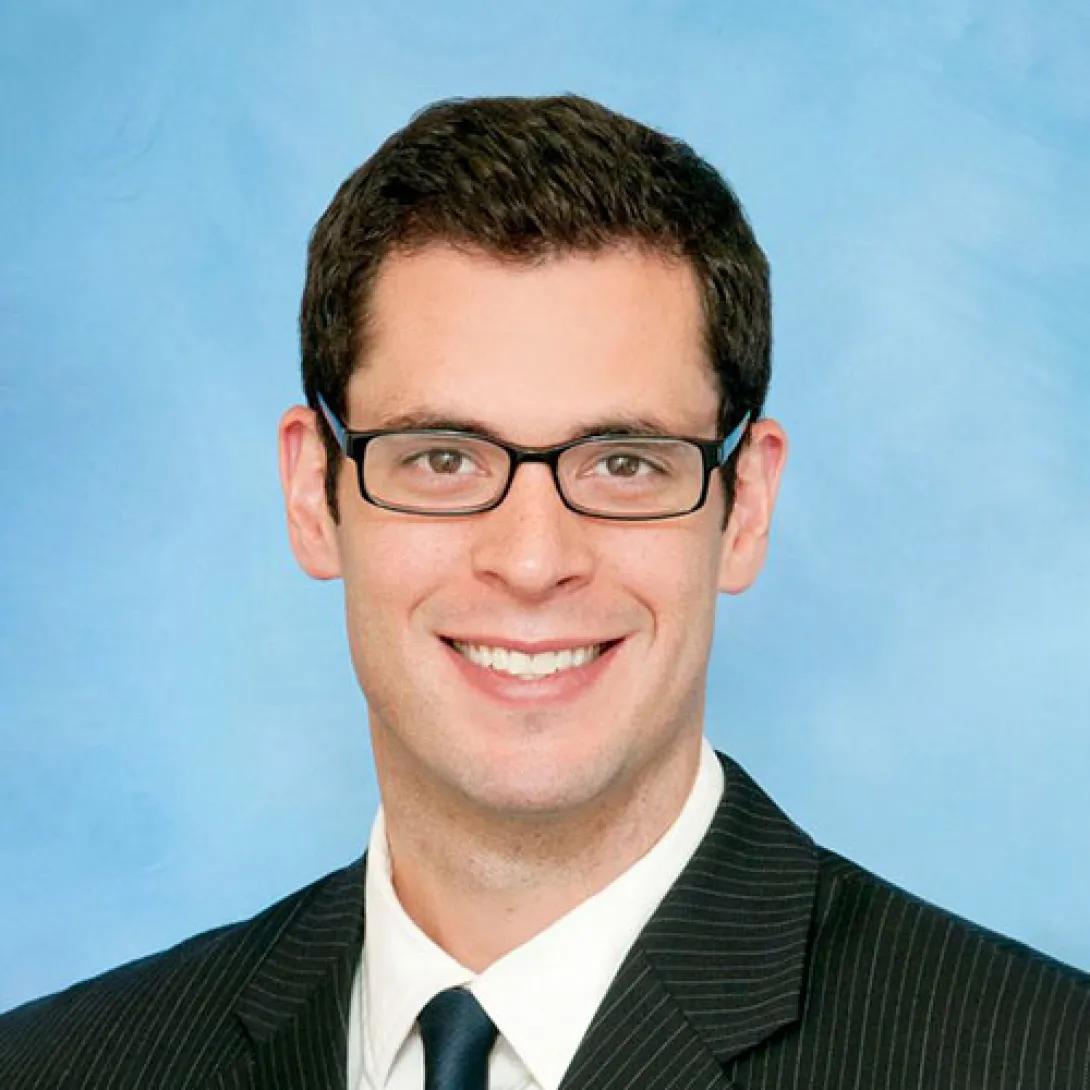
Todd Charles Hollon, MD
Associate Professor
Neurological Surgery
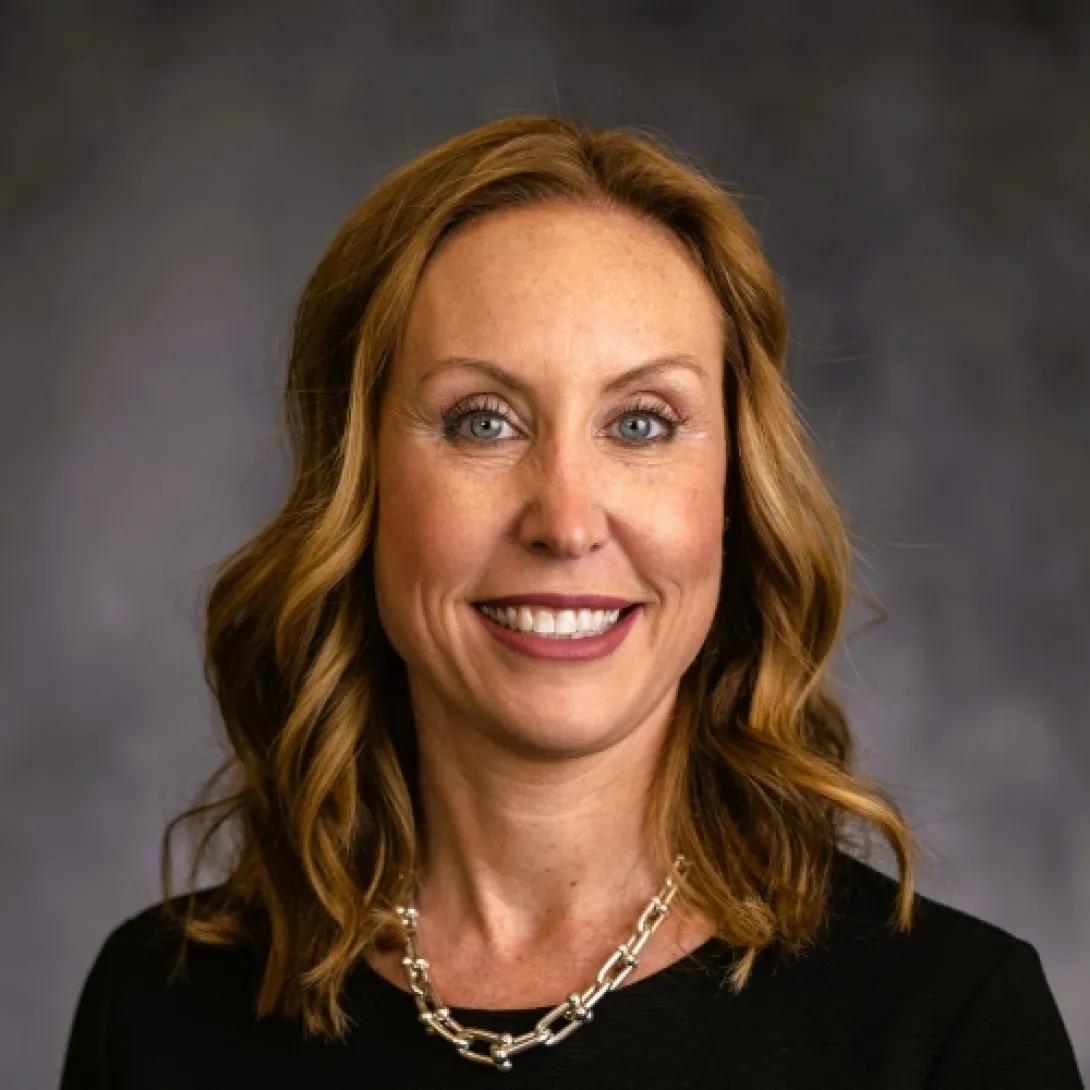
Erin Lynn McKean, MD
Clinical Professor
Otolaryngology, Facial Plastic Surgery

Aditya Swarup Pandey, MD
Professor
Neurological Surgery
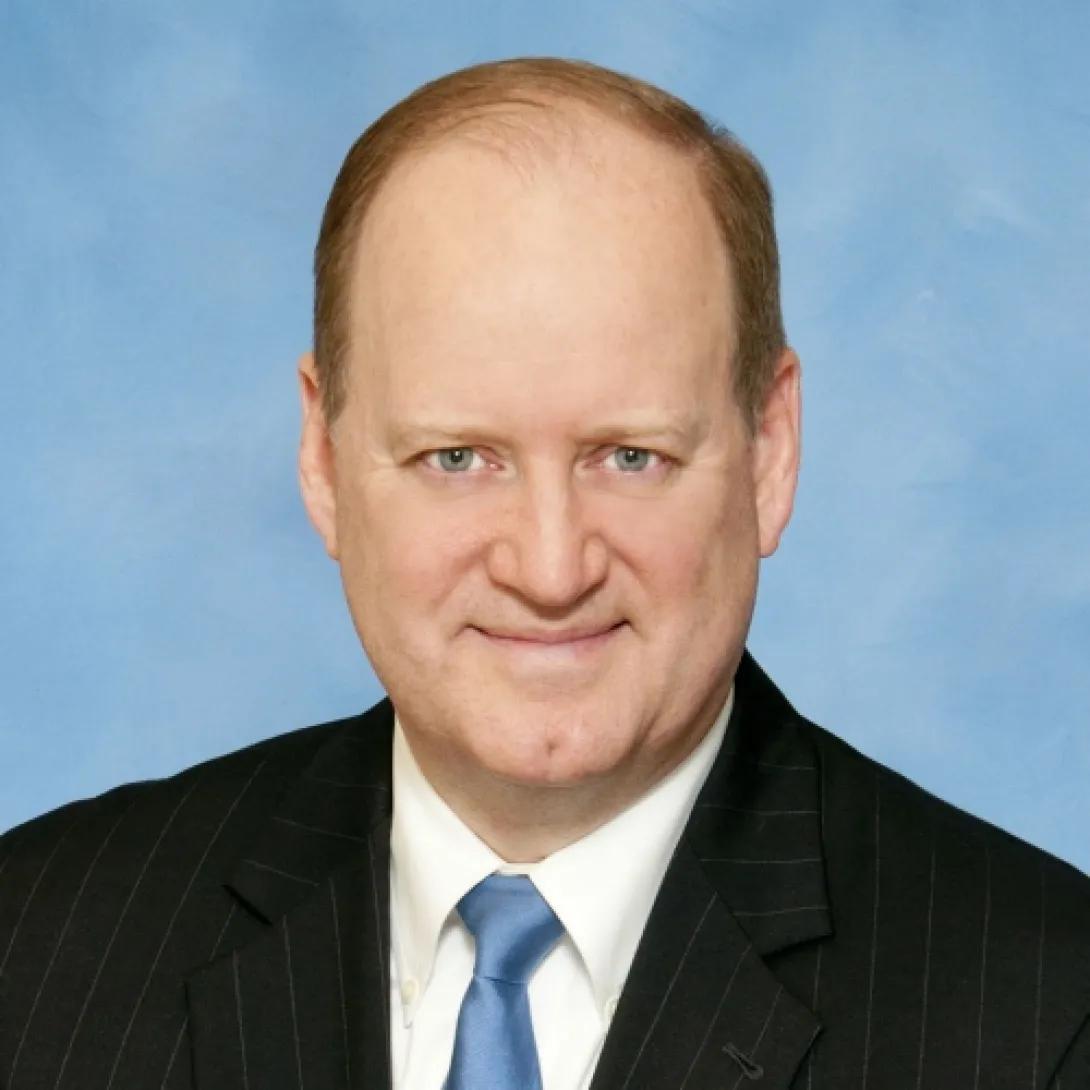
Byron Gregory Thompson, MD
Professor
Neurological Surgery
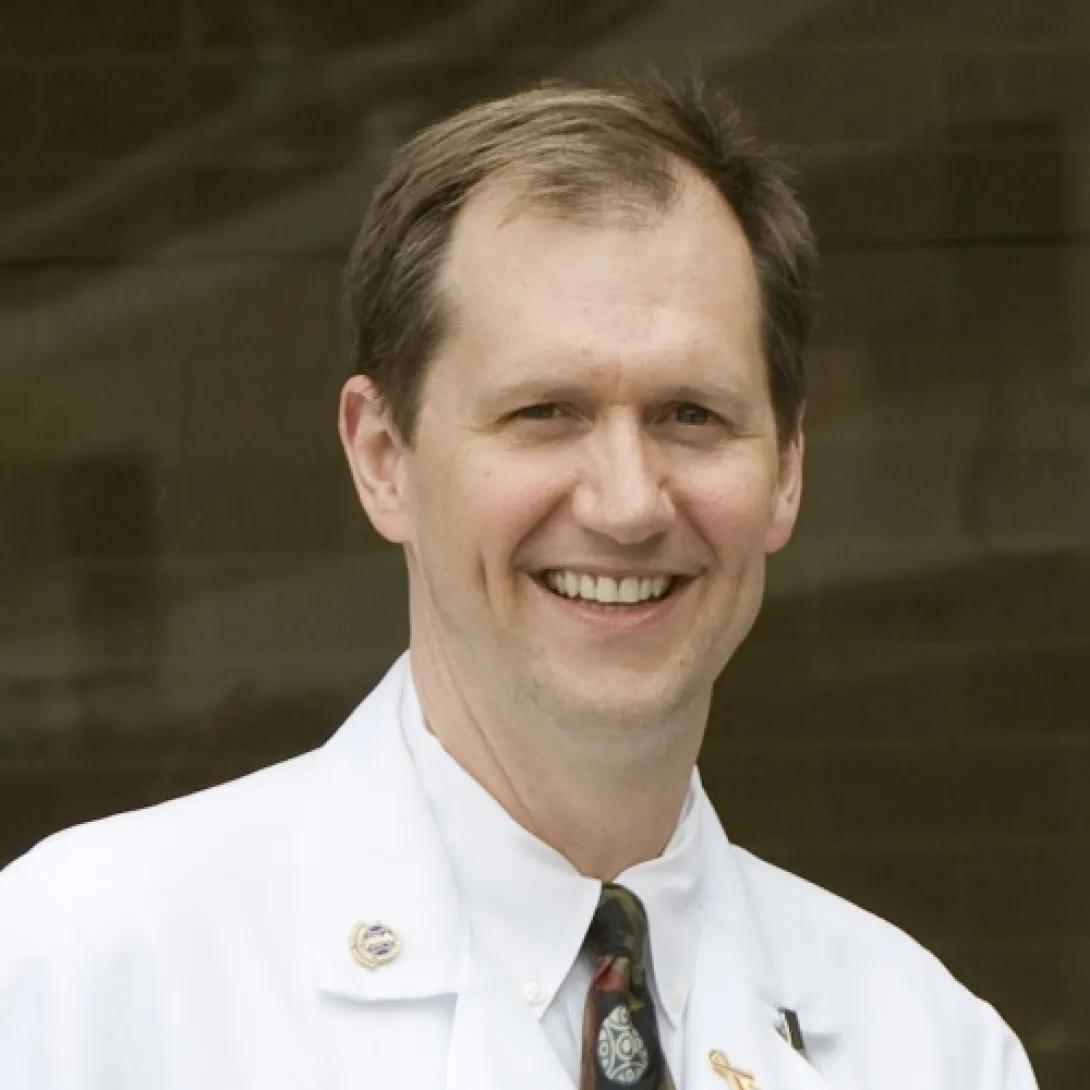
Francis Paul Worden, MD
Clinical Professor
Medical Oncology, Internal Medicine, Pediatrics
News & Stories
Rural-urban disparities in head and neck cancer

Gratitude inspires gift to improve survivorship care
Research may help better predict outcomes in kids with congenital cytomegalovirus

Pollen exposure linked to worse quality of life for chronic sinus infection sufferers
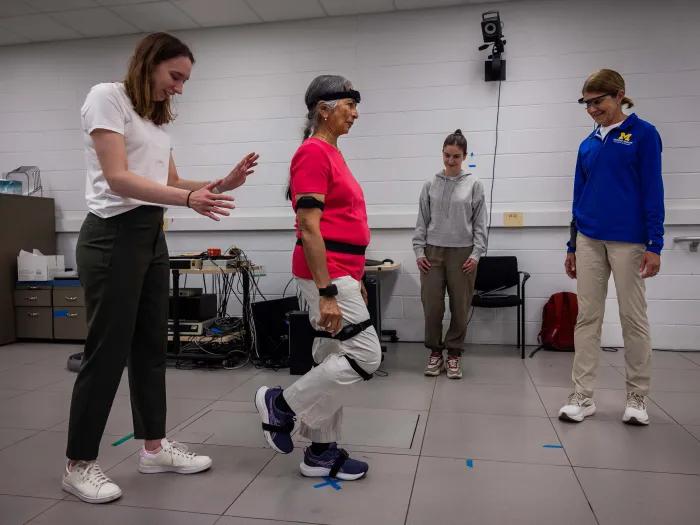
AI supports home-based balance training