Congenital Heart Center
We perform more cardiac surgical and open-heart procedures than nearly every other program in the nation.
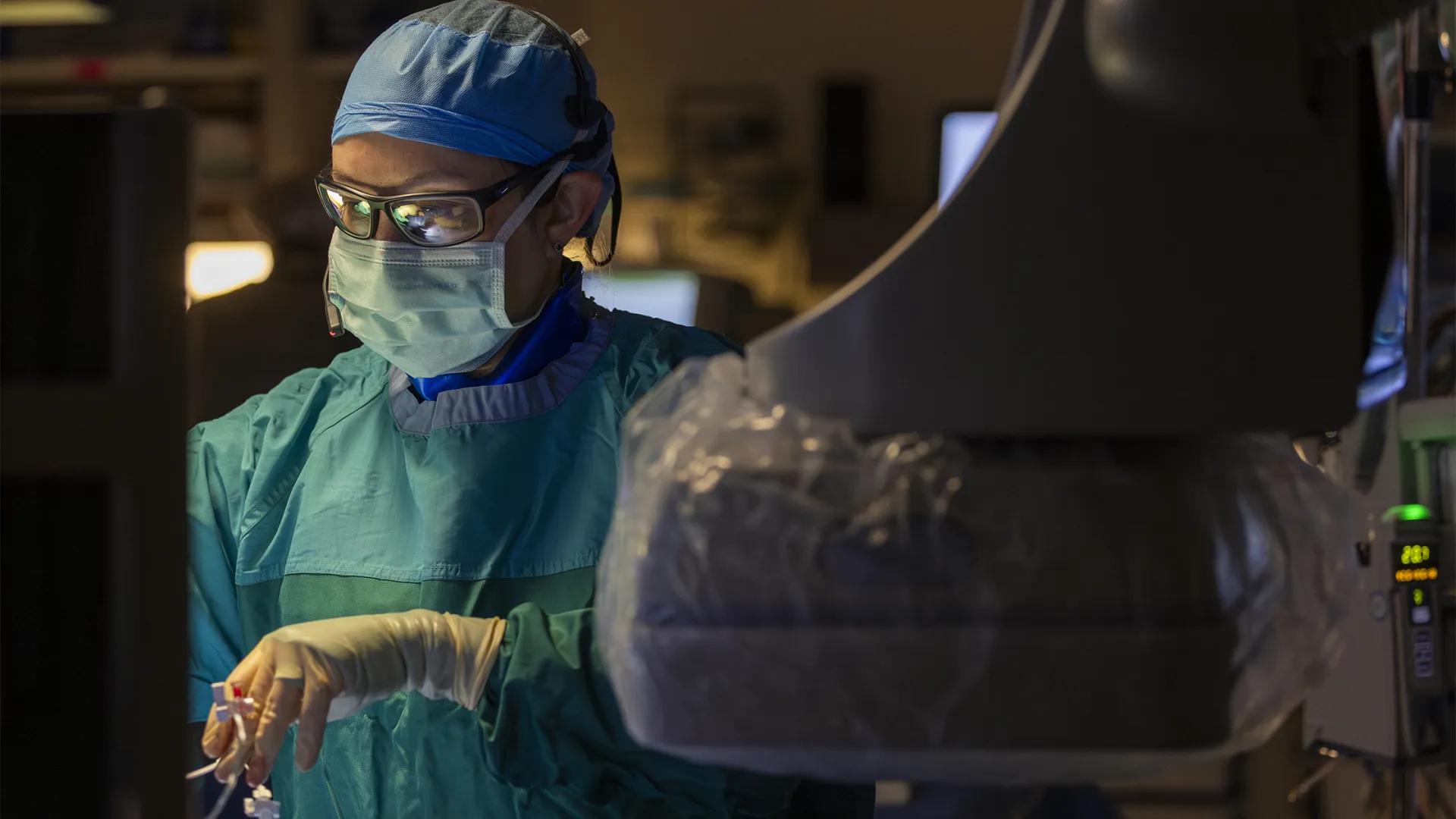
As an international referral center for children with complex congenital heart disease, the University of Michigan Health C.S. Mott Children's Hospital Congenital Heart Center is one of the largest and best pediatric heart programs in the United States.
Learn more about C.S. Mott Children's Hospital
Our Approach
From diagnosis and medical management of common cardiac disorders to groundbreaking therapies for complex congenital heart conditions, our team is committed to providing the most advanced evidence-based care for infants, children and adolescents with all forms of congenital and acquired heart disease, as well as for adults with congenital heart disease.
We perform more cardiac surgical and open-heart procedures than nearly every other program in the nation. Research shows that this experience is a key determinant of quality of care, and our clinical outcomes reflect this expertise.
Explore a digital, flippable copy of our 2025 CHC Outcomes & Highlights brochure
Important discoveries
U-M physicians revolutionized the surgical approach to treating hypoplastic left heart syndrome. We are now a world leader in caring for children with HLHS. Our specialists are leading innovative research into new medicines, procedures, processes and equipment that will revolutionize the outlook for congenital heart patients around the world. The National Institutes of Health respects our work so much that we are one of the nation's best-funded research programs.
Each patient is an individual
We develop an individual care plan for each and every patient. Our internationally recognized team of cardiac surgeons, pediatric cardiologists, cardiac nurses, anesthesiologists and allied health professionals specializes in caring for this special group of patients.
Focused on kids being kids
We were the first pediatric hospital in the country to create a Child Life program where children can still be children even though they are sick.
Appointment Information
Parents, Family Members and Patients: The Congenital Heart Center at University of Michigan Health C.S. Mott Children’s Hospital is just a phone call away. Our highly trained patient care representatives are waiting to serve you in any way we can.
Call us at 734-764-5176 to make an appointment or for the answers to any questions you may have about: treatment options, our doctors and care providers, clinical research trials or support services.
Physicians: We highly value your referral relationship with the C.S. Mott Children's Hospital Congenital Heart Center. To refer a patient, call M-Line at 800-962-3555. For information about admissions, electronic medical records access and forms, visit our For Health Providers section.
Save a Heart
Congenital heart disease is the No. 1 birth defect in the U.S. and requires lifelong care. Help “Save A Heart” by contributing to research, clinical innovation, education and training, and support programs for congenital heart families.
Conditions We Treat
In addition to treating the full spectrum of congenital heart disease (CHD) conditions, we offer special expertise in certain complex conditions only treated by the most advanced congenital heart programs in the country.
Learn more about congenital heart disease
Heart Defects (Congenital)
We treat the full spectrum of congenital heart defects, including:
Arrhythmias & Acquired Heart Diseases
We also treat acquired heart diseases such as hypertrophic cardiomyopathy, and arrhythmias in children including:
Treatments for Congenital Heart Disease
At C.S. Mott Children’s Hospital, our pediatric heart specialists work together with your family to determine the most effective strategy to treat your child's condition. Your physician may choose to closely observe your child for a period of time, if an intervention is not yet necessary. If treatment is necessary, physicians can choose from a variety of therapies:
- Medication
- Physical Therapy
- Surgical Options
- Respiratory Care
- Occupational Therapy
- Pacemakers and Defibrillators
- Radiofrequency (RF) Ablation and Cryoablation Procedures
- Interventional Cardiac Catheterization
Surgical options for children with congenital heart conditions include, but are not limited to:
- Arterial Switch Operation
- Norwood, Hemi-Fontan and Fontan Procedures
- Ross Procedure
- Extracorporeal Membrane Oxygenation (ECMO)
- Ventricular Assist Devices
- Tetralogy of Fallot Repair
- Closure of Atrial and Ventricular Septal Defects
- Repair of Atrioventricular Septal Defect
- Double Switch Operation
- Heart Transplant
- Ventricular Assist Devices
- Repair for Coarctation of the Aorta
Fetal interventions provided at Mott include interventions for the following conditions:
- Critical aortic stenosis
- Hypoplastic left heart syndrome (HLHS) with restrictive atrial septum
- Critical pulmonary stenosis
- Fetal arrhythmia
Visit our Fetal Diagnosis & Treatment Center page for more details about how we treat babies with heart conditions before they are born.
At C.S. Mott Children’s Hospital, our interventional cardiologists and cardiothoracic surgeons work together to perform state-of-the-art hybrid procedures, which combine catheter-based therapies with surgery to perform procedures less invasively, typically without the use of cardiopulmonary bypass. These procedures provide therapeutic options for high-risk surgical patients, including low birth weight and premature infants. The hybrid team performs a wide array of hybrid procedures, including therapies without the use of cardiopulmonary bypass for the following congenital heart defects:
- Hypoplastic left heart syndrome
- Tetralogy of Fallot with pulmonary atresia
- Critical pulmonary stenosis
- Pulmonary atresia with intact ventricular septum
- Muscular ventricular septal defects
Diagnostic Tests
The Congenital Heart Center at C.S. Mott Children’s Hospital diagnoses and treats the full spectrum of heart conditions and diseases, from the most common to the most complex. We employ a wide variety of diagnostic tools to help our medical teams determine (and rule out) possible treatments options for your child.
Diagnostic tools we use include:
- Blood work
- Cardiac catheterization
- Cardiac catheterization with a biopsy — during the cardiac catheterization, a biopsy of the heart tissue is taken to help assess transplant rejection
- Chest X-ray
- Echocardiogram
- Electrocardiogram
- Exercise test
- MRI
- Six-minute walk test — the object of this test is to walk as far as possible in six minutes. It is generally used for patients with pulmonary hypertension. Your nurse practitioner will review how to prepare for this test if it is required.
A member of our care team will thoroughly review each test prescribed and what you and your child can expect in terms of the amount of time each test will take, level of pain to expect (if any), how pain will be controlled and recovery time, as needed.
Most diagnostic tests are scheduled through our Pediatric Cardiology Coordinated Care office. We do our best to move you through the testing day as efficiently as possible, however, please be prepared to spend most of your day with us. Your child should continue taking his/her regularly prescribed medications unless you are informed differently by the nurse practitioner.
Research
We support groundbreaking research and innovation geared toward driving improvements in care and outcomes, and developing new therapies for the next generation.
The Michigan Congenital Heart Outcomes Research and Discovery (M-CHORD) is our unique research core within the Congenital Heart Center fully dedicated to supporting pediatric and congenital cardiovascular research. Congenital Heart Center researchers and physicians participate in many other research initiatives related to congenital heart disease.
Patient Resources
Locations
-
Adult Congenital Heart Clinic | Bronson Children's Hospital 601 John Street, Suite M351
Kalamazoo, MI 49007Get Directions -
Congenital Heart Center | Brighton Center for Specialty Care 7500 Challis Rd
Entrance 1, Level 2
Brighton, MI 48116-9416Get Directions -
Congenital Heart Center | C. S. Mott Children's Hospital 1540 E Hospital Dr
Floor 11 Reception C
Ann Arbor, MI 48109-4284Get Directions -
Pediatric Cardiology Clinic | Munson Healthcare Pediatric Specialty Clinics 106 S Madison St
Traverse City, MI 49684-2320Get Directions -
Pediatric Cardiology Clinic | Trinity Health Oakland Hospital Medical Office Building
44555 Woodward Avenue, Suite 105
Pontiac, MI 48341Get Directions -
Pediatric Cardiology Clinic | U-M Health-Sparrow Professional Building 1200 E Michigan Ave Ste 715
Ste 715
Lansing, MI 48912-1832Get Directions -
Pediatric Congenital Heart Clinic | Northville Health Center 39901 Traditions Dr
Floor 2
Northville, MI 48168-9493Get Directions
Doctors

Ranjit Mohan Aiyagari, MD
Clinical Professor
Pediatric Cardiology, Pediatrics

Sowmya Balasubramanian, MD
Clinical Associate Professor
Pediatric Cardiology, Pediatrics
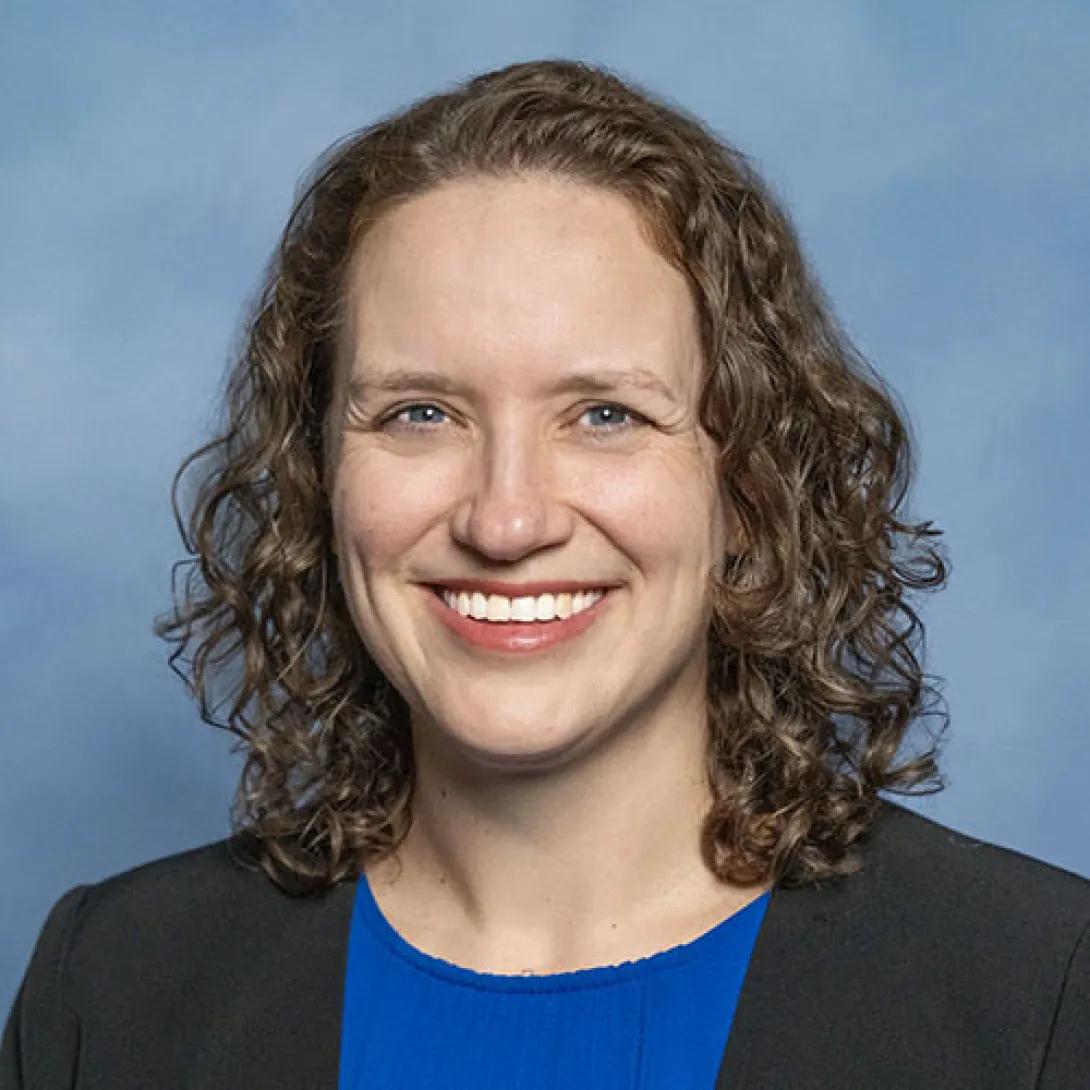
Katherine Elise Bates, MD
Clinical Associate Professor
Pediatric Cardiology, Pediatrics

David James Bradley, MD
Clinical Professor
Pediatric Cardiology, Pediatrics

John Robert Charpie, MD, PhD
Clinical Professor
Pediatric Cardiology, Pediatrics
Clinton Daniel Cochran, MD
Clinical Assistant Professor
Pediatric Cardiology
Patrick Sean Connell, MD
Clinical Instructor
Pediatric Cardiology
Timothy Brett Cotts, MD
Clinical Associate Professor
Adult Congenital Heart Disease, Pediatric Cardiology, Pediatrics, Internal Medicine

Nancy Goldman Cutler, MD
Clinical Assistant Professor
Pediatric Cardiology, Pediatrics
Katherine Jennifer DeWeert, MD
Clinical Assistant Professor
Pediatric Cardiology, Pediatrics, Cardiovascular Disease



















Providers
Samantha Adams, NP
Advanced Practice Nurse
Nurse Practitioner
Alexandra Fay Altschuler, NP
Advanced Practice Nurse
Nurse Practitioner
Louise Callow, NP
Advanced Practice Nurse
Nurse Practitioner - Pediatrics, Nurse Practitioner
Rebecca Sue Chambers, NP
Advanced Practice Nurse
Nurse Practitioner
Amanda Elizabeth Chiti, NP
Advanced Practice Nurse
Nurse Practitioner, Nurse - Pediatric - PNCB

Melissa Kaye Cousino Hood, PhD
Clinical Professor
Clinical Child & Adolescent Psychology, Clinical Psychology
Andrea Michelle Craven, NP
Advanced Practice Nurse
Nurse Practitioner
Izabella Maria De Barbaro, NP
Advanced Practice Nurse
Nurse Practitioner

Brynn Elena Dechert-Crooks, NP
Advanced Practice Nurse
Nurse Practitioner - Pediatrics, Nurse Practitioner
Michelle Elizabeth Dwyer, NP
Advanced Practice Nurse
Nurse Practitioner


Related Services
Programs & Clinics
C.S. Mott Children’s Hospital offers a comprehensive range of programs and clinics for congenital and acquired heart conditions. With an emphasis on keeping care close to home, we are committed to meeting all of your care needs with seamless coordination and compassion every step of the way.
#1 Children's Hospital in Michigan
C.S. Mott Children's Hospital is honored to yet again be the #1 children’s hospital in Michigan and ranked among the nation's best!
Research at the Congenital Heart Center
M-CHORD is our unique research core within the Congenital Heart Center fully dedicated to supporting pediatric and congenital cardiovascular research. The expertise of our faculty and staff spans the spectrum of clinical investigation including translational research, clinical trials of new drugs and devices, outcomes and health services research, and multicenter collaborative quality improvement. Our investigators are highly productive publishing more than 170 scientific manuscripts each year, supported by more than 50 active research grants.
For more information, please contact Dr. Sara Pasquali or Dr. Caren Goldberg.
We are one of nine centers across the country selected to participate in the Pediatric Heart Network (PHN), funded by the National Heart, Lung, and Blood Institute. Through this network, our patients have access to clinical trials of cutting-edge therapies and interventions.
The PHN Single Ventricle Reconstruction Trial, led by U-M Congenital Heart Center investigators, was the first multi-center congenital heart surgery randomized trial ever accomplished. U-M Congenital Heart Center investigators also lead the PHN biorepository, PHN Integrated CARdiac Data and Outcomes (iCARD) Collaborative, and numerous other PHN efforts.
We lead the development and testing of novel devices and treatments tailored toward the pediatric heart population.
Examples include:
3-D airway splints: As reported in the New England Journal of Medicine, we have developed and implanted the first bioresorbable airway splints created using 3-D printing technology. These splints have been implanted in more than 25 patients to date to treat life-threatening airway narrowing, many of whom are impacted by congenital heart disease.
3D Visualization Technologies: Our heart center is developing unique ways of using virtual and printed 3D models to prepare for and even guide cardiac surgery and transcatheter interventions. We have also teamed up with other U-M experts to advance the use of computational fluid dynamics to help predict procedural outcomes in our patients.
Donor heart preservation technology: Our investigators are developing technology to allow prolonged perfusion of donor hearts( with the aim of improving organ availability and viability for heart pediatric transplant.
Regenerative medicine: Our team is leading studies exploring new treatments for children with heart failure through the use of stem cells and tissue engineering.
We lead data coordinating center activities for Cardiac Networks United, which integrates several large networks spanning in total more than two-thirds of the nation’s congenital heart programs. These initiatives bring multiple data sources and expertise together to drive novel research otherwise not possible, and translate discovery to the bedside across hospitals to improve outcomes.
Our investigators lead national efforts geared toward understanding quality of congenital heart care, investigating variation in quality and costs of care across centers, and designing initiatives to reduce this variation and improve care and outcomes.
Through multiple lines of investigation, we aim to study and develop more individualized strategies for prevention, recognition, and treatment of adverse events tailored to the specific traits and needs of each heart patient.
We are one of the first programs in the country to systematically track long-term survival, morbidities, and quality of life for children undergoing heart surgery at our center, regardless of where they live or receive follow-up care. We have developed a novel “patient-reported outcomes” portal that will drive a better understanding of these critical outcomes, conduct numerous studies geared toward optimizing neurodevelopment, and have recently initiated a new program focused on expanding psychosocial care and research.
News & Stories
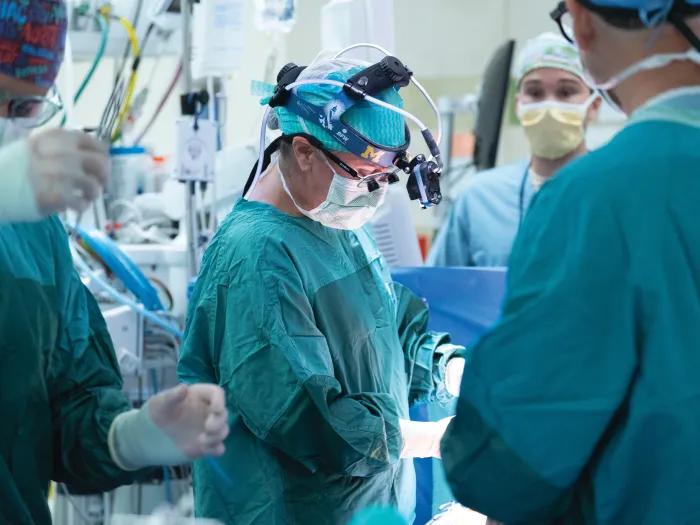
C.S. Mott Children’s Hospital first in country to implant expandable heart valve during FDA review phase

Born with half a heart, headed to college with a full life
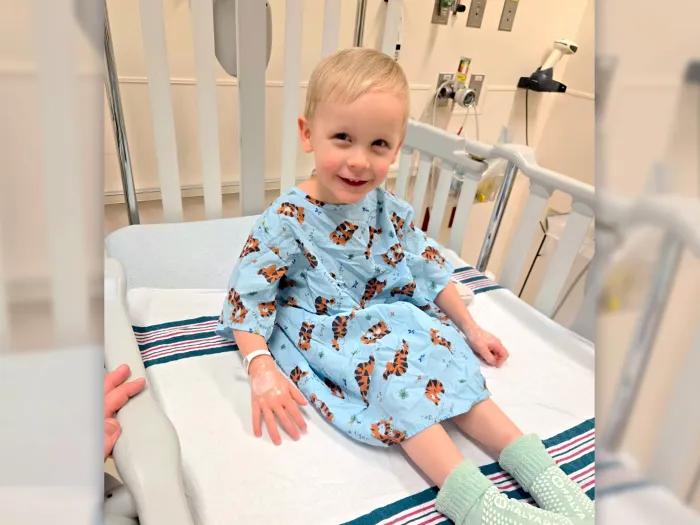
Expert complex heart surgery team saves baby with rare genetic heart condition
Specialized local care gives baby with severe heart condition a stronger start before surgery
How to use an AED in a cardiac emergency