Cardiac Sarcoidosis
Cardiac Sarcoidosis
What is cardiac sarcoidosis?
Cardiac sarcoidosis is a rare disease in which clumps of white blood cells (also called granulomas) form in the heart. These granulomas disrupt normal heart function and could lead to potential life-threatening conditions. Although sarcoidosis most commonly affects the lungs, the heart is affected in about 20% of patients with sarcoidosis. The disease is more common in women than in men.
Our Approach
With Michigan Medicine leading the charge on the Cardiac Sarcoidosis Registry, we are well equipped to treat this disease. Our Cardiology and Heart Surgery program has been ranked #1 in Michigan by U.S. News & World Report, and our cardiologists are working every day to better understand and treat patients with cardiac sarcoidosis. We have also published an article about Cardiac Sarcoidosis on the online journal Circulation.
Research
We have enrolled hundreds of patients and continue to make strides in understanding how to best treat this disease. To join the Cardiac Sarcoidosis Registry to help further CS research efforts, email [email protected].
Appointment Information
To schedule an appointment with us to be evaluated for cardiac sarcoidosis, call us at 888-287-1082 or visit our Make a Cardiovascular Appointment page for more information.
Symptoms & Diagnosis
Symptoms of cardiac sarcoidosis include:
- Dizziness or lightheadedness
- Syncope (fainting)
- Leg Swelling
- Cough
- Shortness of Breath
- Heart beating too quickly, slowly, or irregularly
A definite diagnosis is made through endomyocardial biopsy. This is when a narrow wire is snaked into your heart and a small tissue sample is obtained. The tissue is then tested to see if cardiac sarcoidosis is present or not.
Without a positive tissue sample, the diagnosis is made with a variety of tests. Initial tests performed are electrocardiogram and echocardiogram. These tests assess the heart’s electrical system and pumping ability. X-Rays are also used to look at the lungs, where sarcoidosis is most common.
Cardiac Magnetic Resonance Imaging (MRI) and Positron Emission Tomography (PET) are also used. These tests are able to make very accurate images of your heart that are helpful in identifying granulomas.
How is cardiac sarcoidosis treated?
Patients most often begin on immunosuppression therapy. Prednisone is most commonly used. Often, only this therapy is used and the disease course is halted without needing to take more action. Patients may also be put on other drug therapies to control heart failure and abnormal heart rhythms, or arrhythmias.
Device Implantation
Patients that have abnormal heart rhythms or rates could have a pacemaker or implantable cardiac defibrillator (ICD) placed. These devices are implanted surgically.
Heart Transplant
In rare cases of the disease, patients may be candidates for heart transplant.
Locations
-
Cardiology Clinic | Frankel Cardiovascular Center 1425 E Ann St
Floor 3 Reception C
Ann Arbor, MI 48109-5856Get Directions
Doctors
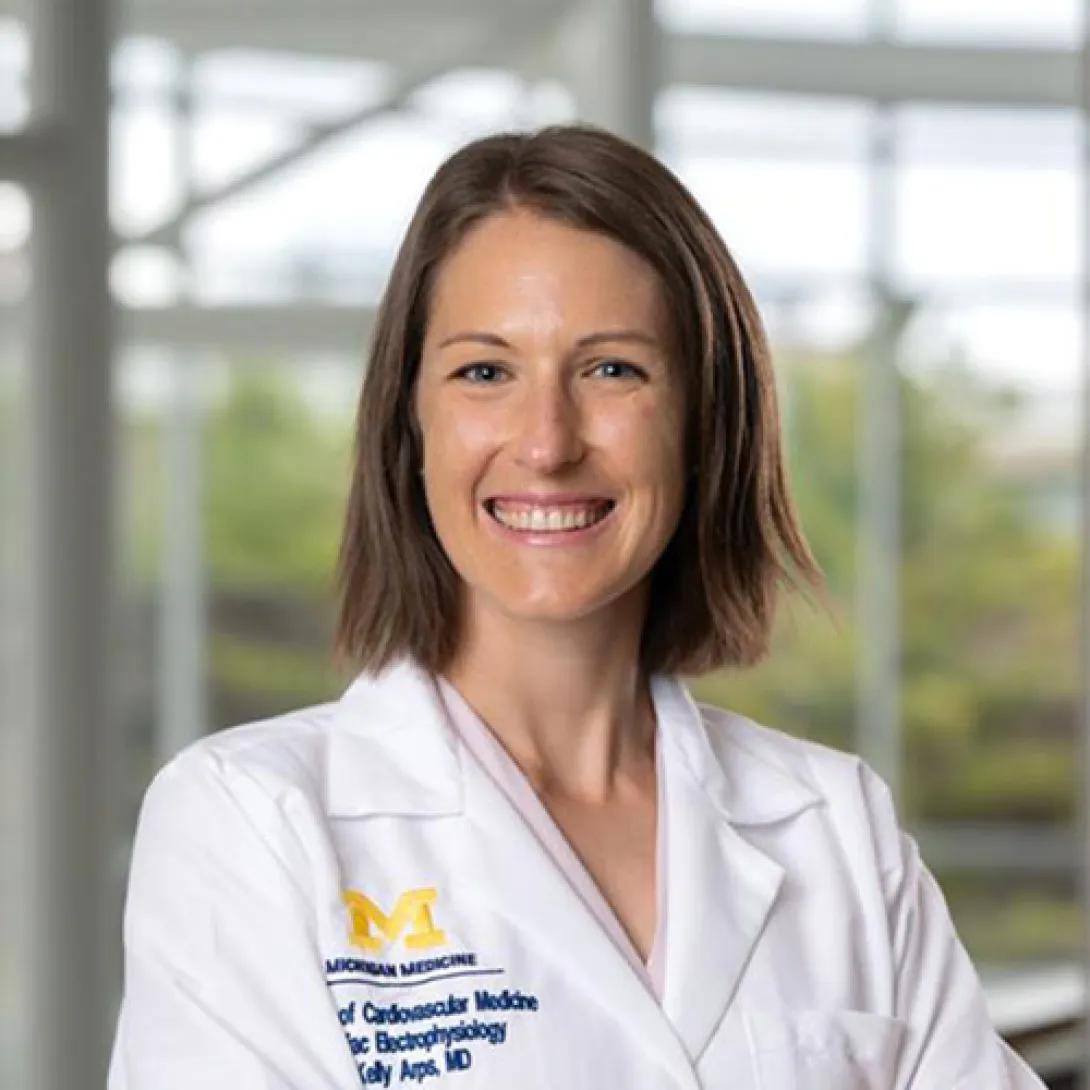
Kelly Arps, MD
Clinical Assistant Professor
Cardiac Electrophysiology, Internal Medicine, Cardiovascular Disease

Thomas Christopher Crawford, MD
Clinical Professor
Cardiac Electrophysiology, Internal Medicine, Cardiovascular Disease
News & Stories

Young father survives aortic dissection after delayed diagnosis

Treating a rare coronary artery aneurysm without open heart surgery

A night of two national titles for U-M, as scientists and basketball players both triumph
Delays in Heart Surgery for Women due to One-Size-Fits-All Criteria
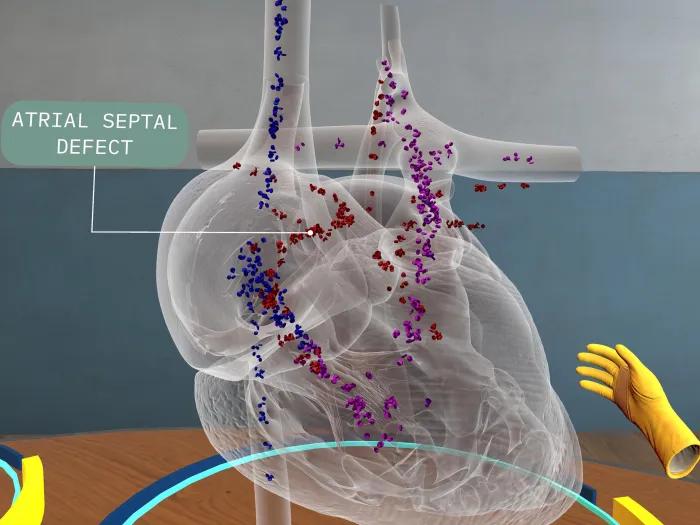
Virtual reality enhances training for pediatric cardiologists