Epilepsy & Seizures (Pediatric)
Epilepsy & Seizures (Pediatric)
What is epilepsy?
Epilepsy is a group of neurological disorders characterized by recurrent seizures. Epilepsy affects children at different ages and to different degrees, from easy-to-control seizures to severe, lifelong challenges.
Our Approach
The Comprehensive Pediatric Epilepsy Program at C.S. Mott Children’s Hospital is recognized by the National Association of Epilepsy Centers (NAEC) as a Level 4 Certified Epilepsy Center, the highest certification available from the NAEC. Level 4 epilepsy centers have the professional expertise, technology and facilities to provide the highest-level medical and surgical evaluation and treatments for patients with complex epilepsy.
We perform more than 1,400 inpatient long-term EEG monitoring studies annually. Scheduled admissions for EEG monitoring are used to decide if your child’s events are epileptic seizures, to further classify those seizures, to assess the between-seizure EEG patterns, and for epilepsy surgery evaluations. We also perform EEG monitoring for children in our intensive care units who are suspected to be having seizures.
Because accurate diagnosis is crucial for an effective treatment plan, we’ve built our program to include consultation with associated pediatric professionals across multiple specialties. This includes genetics, metabolism, neurosurgery, developmental behavioral pediatrics, neuropsychology, psychiatry, psychology, social work, nutrition services, speech-language pathology and rehabilitation medicine.
Appointment Information
Schedule an appointment by calling 734-936-4179.
What are the symptoms of epilepsy?
Seizures are caused by abnormal bursts of electrical activity in the brain. They usually don't last very long, but they can be frightening for families. Symptoms of epileptic seizures can vary, but the following may be signs that your child is experiencing seizures:
- Staring and unresponsiveness
- Loss of consciousness or awareness
- Abrupt or rhythmic movements of the arms and legs
- Stiffening of the body, arms, or legs
- Breathing disruption
- Falling for no apparent reason
- Head nodding
- Periods of rapid blinking
- Unusual behaviors that seem out of place (e.g., mumbling, chewing, wandering)
Seizures may cause problems with:
- Muscle control
- Movement
- Speech and language
- Vision and other senses
- Awareness
- Memory and learning
How is epilepsy diagnosed?
The first step to managing pediatric epilepsy is accurate diagnosis. As part of your initial evaluation, our care team will perform a physical and neurological evaluation and obtain a complete medical history, including information about the seizures your child has experienced.
Diagnostic tests will help us formalize a diagnosis, often including some of the following:
- Electroencephalogram (EEG) to measure brain activity during a seizure or between seizures
- Magnetic resonance imaging (MRI), positron emission tomography (PET scan), functional MRI, computerized tomography (CT scan), and/or single photon emission computed tomography (SPECT) to look for brain abnormalities that may be causing seizures
- Blood tests, including routine labs and metabolic testing
- Genetic testing
- Lumbar puncture (spinal tap) if there is a chance of infection or to rule out other problems
How is epilepsy treated?
Our approach to caring for children with epilepsy is centered on reducing or eliminating seizures in a way that minimizes interference with a child’s development and daily functioning. The good news is that treatment is usually very effective for children with epilepsy.
More than half of children with epilepsy can obtain control of their seizures with one medication. Treatment goals emphasize using the minimum amount of medication necessary to achieve seizure control, and monitoring children on an ongoing basis to minimize side effects. Our neurologists have extensive experience in administering the full spectrum of available medical therapies, ranging from traditional medical protocols to novel pharmacotherapies.
The ketogenic diet is a specialized, medically-supervised diet that may be appropriate for children with certain types of epilepsy and children who do not respond well to standard medication therapies. The diet is high in fat, and low in carbohydrates and protein. Our ketogenic diet team includes neurologists, dietitians, social workers, pharmacists, nurses, and our program coordinator. We also have a nurse practitioner with special expertise working with families adjusting to the ketogenic diet. Our multidisciplinary team meets monthly to review our protocols, plan for our newest patients’ care, and problem-solve any issues arising for our established patients.
In many cases, surgery can either eliminate seizures or significantly improve quality of life for children with continued, disabling seizures that do not respond to other therapies. Our renowned pediatric neurosurgical team has deep expertise with surgical techniques to help control seizures. Our presurgical evaluation is designed to pinpoint where in the brain seizures are starting and assess how removing that tissue might affect the child’s functioning.
Surgery can be used to temporarily implant electrodes on or in the brain to precisely define the part of the brain causing seizures and to confirm what neurological functions that part of the brain performs. If it is determined that the part of the brain causing seizures is not responsible for critical neurological functions, surgical removal of this area is an option and can be highly successful in controlling a child’s seizures. C.S. Mott Children’s Hospital offers an intraoperative MRI operating room for epilepsy surgery patients, which allows for a higher level of precision for surgeons performing these delicate procedures.
When the part of the brain causing seizures cannot be precisely identified or cannot be safely removed, a child may be a candidate for an implantable neurostimulator. These devices all deliver mild electrical stimulation to the brain to stop or reduce epileptic seizures. There are currently three neurostimulation therapies available:
- Vagus Nerve Stimulation (VNS) – A pulse generator is implanted under the skin in the chest. This connects to a lead that wraps around the vagus nerve in the neck. The VNS sends periodic stimulation to the brain throughout the day via the vagus nerve. Additionally, a magnet can be used to deliver on-demand stimulation, and the device can be set to provide stimulation in response to a sudden increase in heart rate (a possible sign of a seizure).
- Deep Brain Stimulation (DBS) – Two leads are inserted into a deep brain structure called the thalamus, which is thought to play a role in many types of epilepsy. These leads are connected to a neurostimulator, implanted under the skin in the chest, that periodically stimulates the thalamus. The device can also deliver on-demand stimulation and record electrical activity in this region of the brain.
- Responsive Neurostimulation (RNS) – The RNS neurostimulator device is embedded in the skull, and electrode strips or depth electrodes are implanted near one or two seizure foci and/or in the thalamus. The device constantly records the electrical activity in the targeted areas and delivers stimulation directly to them when the early signs of a seizure are detected. The timing of this stimulation can be adjusted based on analysis of the recordings.
Two main types of surgery can use a laser or cutting tool to sever connections that allow for the rapid spread of seizure activity. Corpus callosotomy severs a bundle of nerve fibers connecting the two halves of the brain. This surgery is most effective in reducing or eliminating atonic seizures, but it may help reduce other generalized seizures as well.
Hemispherectomy may be considered when all seizures are coming from one side of the brain, and that side is also functioning poorly. The surgery disconnects this hemisphere from the other hemisphere and the rest of the body, often eliminating seizures entirely. This surgery can have a significant impact on vision, strength, and movement, so extensive post-surgical rehabilitation is often needed.
Research
Our pediatric neurologists are actively engaged in research to advance our understanding of the causes of epilepsy and develop more effective ways to treat epilepsy. U-M physicians are involved in research around seizures in newborn infants, effectiveness of treatments, the genetic and electrophysiological foundations of epilepsy, and other important areas. We are among the highest enrolling sites for the Pediatric Epilepsy Research Consortium and the Neonatal Seizure Registry.
Patient Resources
Locations
-
Pediatric Neurology Clinic | Brighton Center for Specialty Care 7500 Challis Rd
Entrance 1, Level 2
Brighton, MI 48116-9416Get Directions -
Pediatric Neurology Clinic | C. S. Mott Children's Hospital 1540 E Hospital Dr
Floor 6 Reception C
Ann Arbor, MI 48109-4234Get Directions -
Pediatric Neurology Clinic | Northville Health Center 39901 Traditions Dr
Floor 2
Northville, MI 48168-9493Get Directions -
Pediatric Neurosurgery Clinic | C. S. Mott Children's Hospital 1540 E Hospital Dr
Floor 3 Reception B
Ann Arbor, MI 48109-4219Get Directions
Doctors
Eric Andrew Armour, MD
Clinical Assistant Professor
Epileptologists, Pediatrics, Neurology, Child Neurology
Giulia Marian Benedetti, MD
Clinical Associate Professor
Epileptologists, Neurology, Pediatrics
Louis Tuong Chinh Dang, MD
Assistant Professor
Epileptologists, Child Neurology, Clinical Neurophysiology

Jonathan Read Gaillard, MD
Clinical Assistant Professor
Epileptologists, Child Neurology
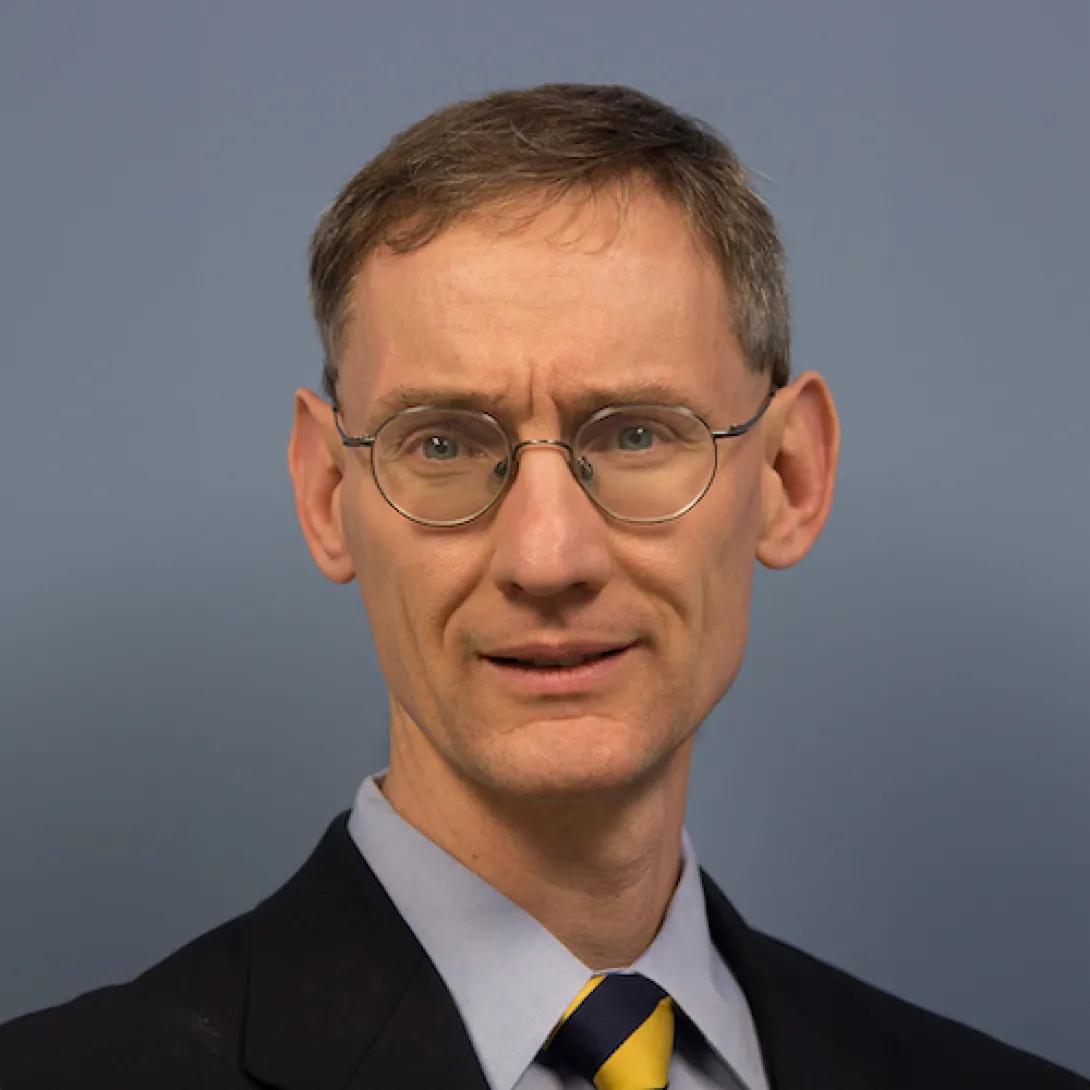
Hugh James Lauriston Garton, MD
Professor
Neurological Surgery

Daniel Kenney-Jung, MD
Clinical Assistant Professor
Epileptologists, Child Neurology, Clinical Neurophysiology

Patrick Nathan Lawlor, MD
Clinical Assistant Professor
Epileptologists, Child Neurology

Neena Ishwari Marupudi, MD
Clinical Associate Professor
Neurological Surgery
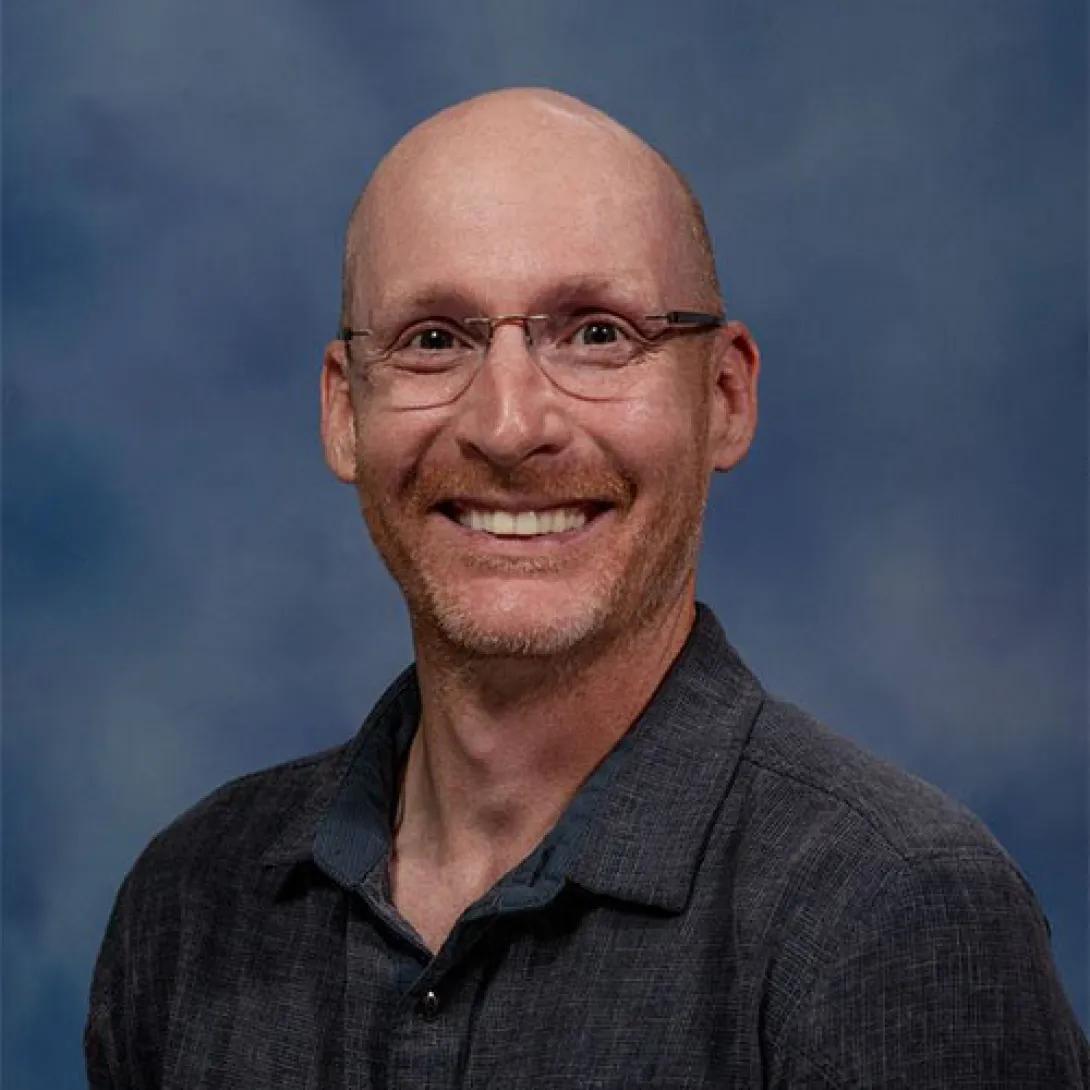
Jared David Mott, DO
Clinical Assistant Professor
Child Neurology, Clinical Neurophysiology
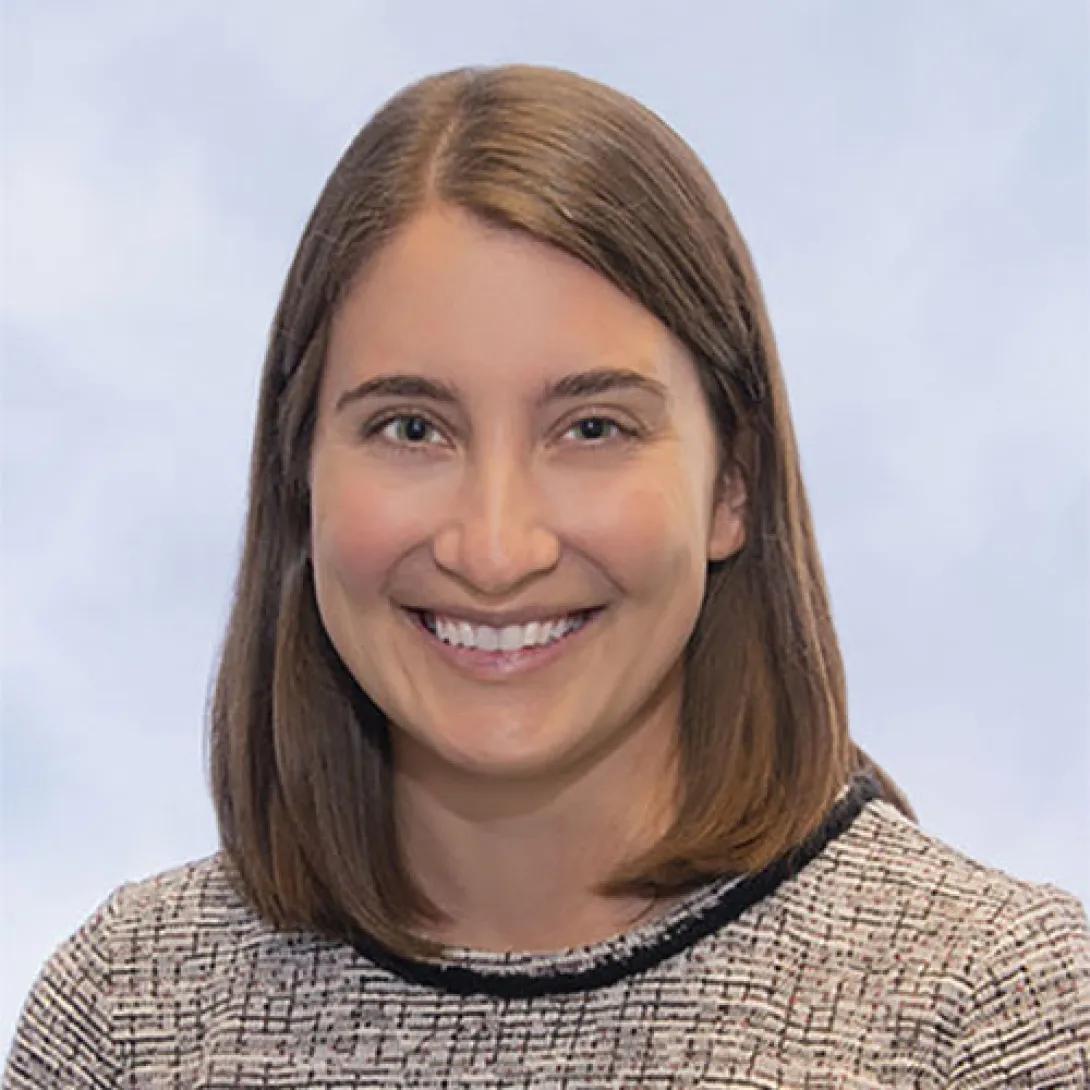
Kerri Lynne Neville, MD
Clinical Assistant Professor
Epileptologists, Child Neurology
Providers

Anne Elizabeth Laurain, NP
Advanced Practice Nurse
Nurse Practitioner
Amy Marie Lozon, NP
Advanced Practice Nurse
Nurse Practitioner

Alexandra Renee Mock, NP
Advanced Practice Nurse
Nurse Practitioner

Ewen George Nicol, PA-C
Physician Assistant
Physician Assistant
Jessica Paige Rieckhoff, NP
Advanced Practice Nurse
Nurse Practitioner

Ally Aja Urso, NP
Advanced Practice Nurse
Nurse Practitioner

Alisa Marie Walterich, NP
Advanced Practice Nurse
Nurse Practitioner

Andrew Wilz, PA-C
Physician Assistant
Physician Assistant
News & Stories
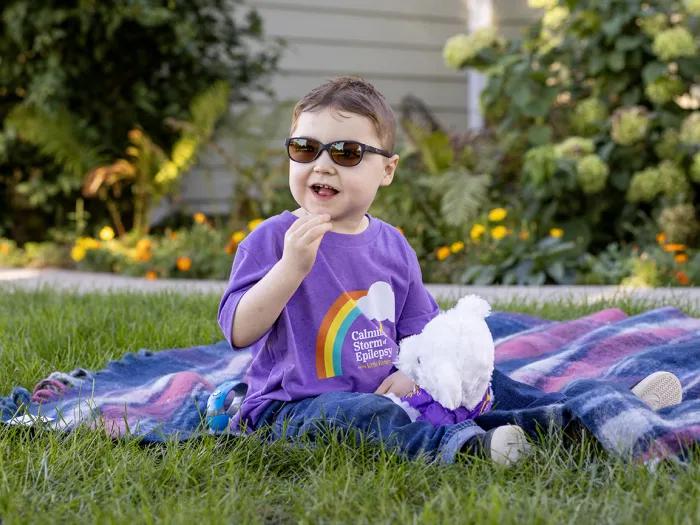
A pediatric epilepsy fundraiser that changes lives
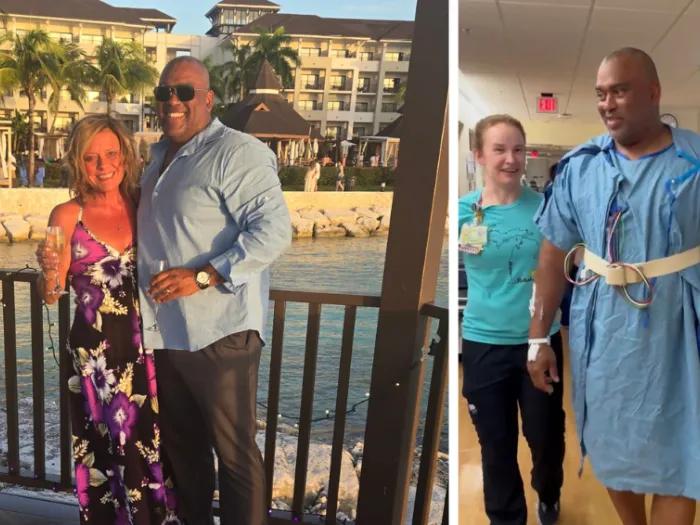
Timely treatment helps former baseball pro survive on-field stroke with no complications
Researchers develop models to help diagnose ALS earlier through blood biomarkers
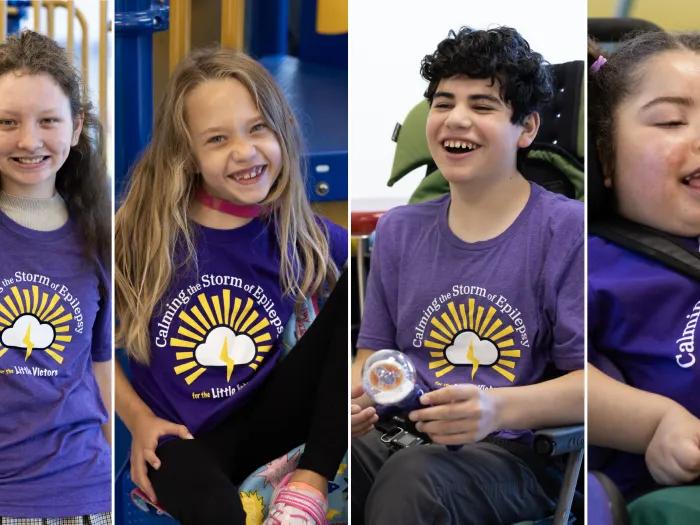
The faces of epilepsy: finding strength in hope
Study reveals the dual role for a protein critical for healing nerve damage