
Emergency Medicine Pharmacy
The PGY2 Emergency Medicine (EM) Pharmacy Residency (fully accredited by ASHP) is designed to build upon a resident’s past learning experiences to become a highly knowledgeable, evidence based, and functional clinical pharmacist in the emergency department (ED).
General Description & Program Purpose
The one-year specialty residency program is designed to provide residents with advanced training in emergency medicine, with a focus on adult & pediatric critical care and urgent care, toxicology, pre-hospital care, emergency medicine practice management, research, teaching, and emergency preparedness.
The resident will be integrated as a core member of the ED pharmacy team in our Level 1 Trauma Center, serving adult, pediatric, and psychiatric patient populations. In this capacity, the resident will work closely with EM physicians, residents, mid-level practitioners, respiratory therapists, and nurses to ensure patients receive the best possible care while in the ED. Training will focus on prioritizing patient care needs and utilization of resources, understanding and applying evidence based recommendations, becoming comfortable with stat bedside medication therapy decisions, and monitoring a patient’s clinical course to ensure goals of therapy are met.
Upon completion of the program, residents will be well-equipped to serve as an integrated member of the interdisciplinary emergency medicine team for both adult and pediatric patients. Training will also ensure the resident will be ready for board certification, teaching, precepting, and managing an emergency department pharmacy practice and/or satellite.
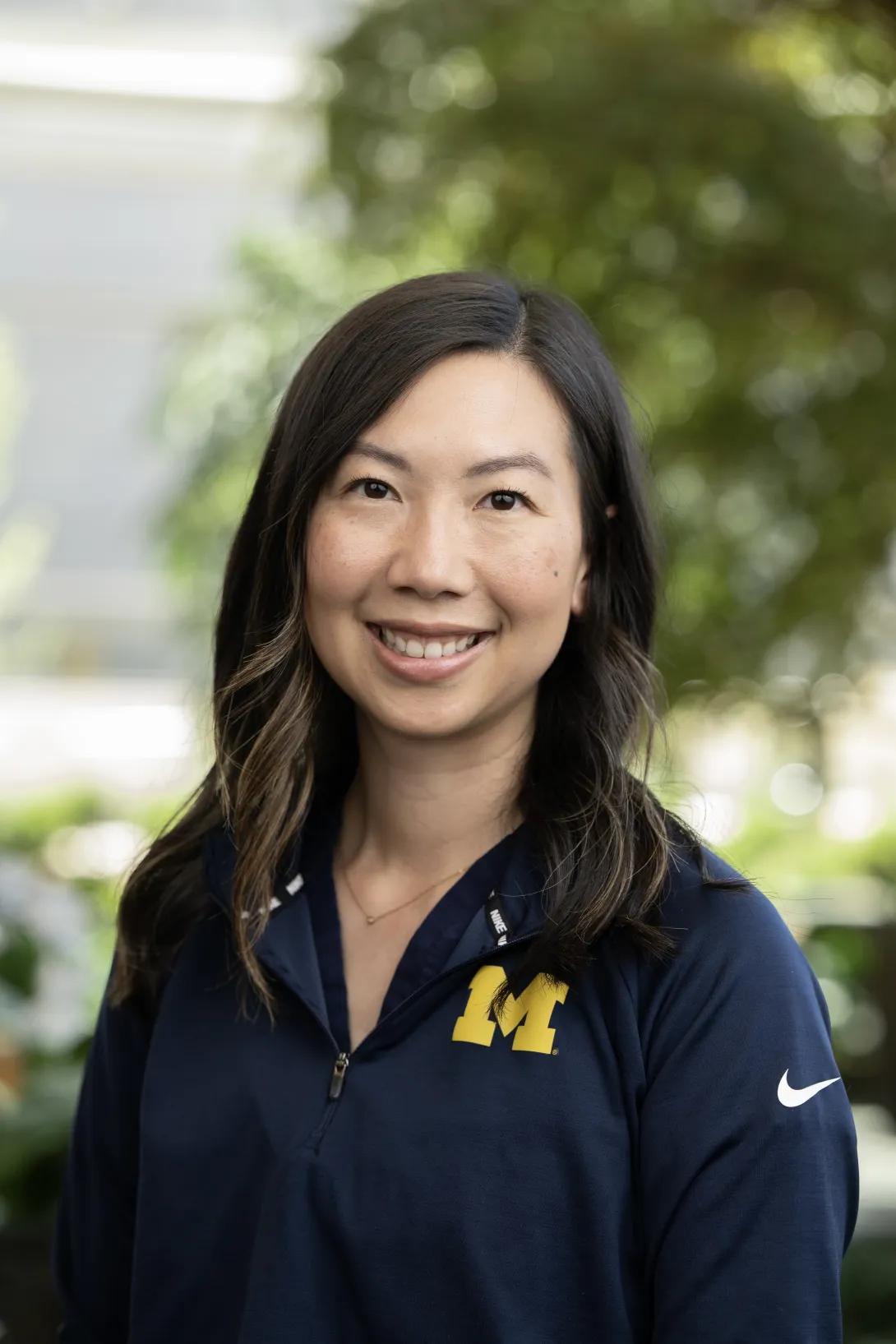
Residency Program Director: Andrea Setiawan, PharmD, BCPS, BCEMP
We would like to inform prospective applicants that our residency position for the 2026–2027 residency year has been filled through early commitment. We appreciate your interest in our program and wish you the very best during this recruitment season.
Please see the PGY2 Emergency Medicine Pharmacy Graduation Requirement Checklist for a list of all program completion requirements.
Required Rotations (1 month each, unless otherwise specified)
- Orientation (July)
- Adult Emergency Medicine I (1.5 months)
- Pediatric Emergency Medicine I (1.5 months)
- Adult ICU
- Pediatric ICU
- Adult Emergency Medicine II
- Adult Emergency Medicine III
- ED Pharmacy Practice management
- Research (December)
Elective Rotations (select 1 from each category, 1 month each)
- 1 ED elective
- Repeat Pediatric or Adult ED
- Urban ED*
- 1 ED-related rotation at U-M Health*
- Options include Trauma/Burn ICU, Surgical ICU, Neurology ICU, Cardiac ICU, Pediatric Cardiology ICU, Infectious Diseases or Psychiatry
*Rotation availability varies year by year
Longitudinal Rotations
- Teaching and Writing
- ED Staffing
- Faculty appointment as Adjunct Clinical Instructor at the University of Michigan College of Pharmacy (COP)
- Teaching at College of Pharmacy
- 1 lecture in the Emergency Medicine elective for 1 semester
- 1 course assigned by the COP for 1 semester
- Rotation based teaching (serve as co-preceptor for one P4 APPE rotation or PGY1 rotation)
- ED focused in-service or lecture
- Instructing the Hospital-Based Pharmacist code training courses
- Design and complete a research project & manuscript suitable for publication
- Complete a writing project (review article or secondary research project) suitable for publication
- Major presentations:
- Completion of an ACPE-accredited 1-hour CE presentation
- Research project results to the pharmacy department
- Research project results at Great Lakes Pharmacy Resident Conference and poster at Midyear/Vizient
- Six journal club presentations
- ED focused in-service or lecture
- 15 weekends per year: Mix of adult and pediatric ED satellite staffing
- Required to work one major and one minor holiday block, plus one gap day between Christmas and New Year Holiday
Minimum qualifications include graduation from an ACPE accredited college of pharmacy with a Doctor of Pharmacy degree and completion of an ASHP-accredited or candidate-status PGY1 pharmacy residency.
Andrea Setiawan, PharmD, BCPS, BCEMP
Residency Program Director – PGY2 Emergency Medicine Pharmacy
Pharmacy Team Lead – Children Emergency Services
College of Pharmacy Adjunct Clinical Instructor
Department of Pharmacy Services and College of Pharmacy
Michigan Medicine
phone: (734) 763-7331
email: [email protected]
