Interventional Radiology Program (Pediatric)
Interventional Radiology Program (Pediatric)
Interventional radiology is used to perform minimally invasive, image-guided procedures for a variety of conditions, which means less pain, less risk, less blood loss, less scarring and faster recovery time as opposed to most corresponding surgical procedures.
Our Approach
Our board-certified pediatric interventional radiologists and support staff are specially trained to help children from newborns to teens feel relaxed and comfortable during their interventional radiology procedures, minimizing discomfort and accommodating any special needs. Most procedures are performed in conjunction with Pediatric Anesthesia, which provides sedation or general anesthesia appropriate for the patient and procedure.
Our program has an interventional radiology room dedicated to pediatric patients. We use a team approach with physicians with specialized training in pediatric cross-sectional imaging (CT, ultrasound) and cross-sectional image guided procedures, pediatric interventional radiology (catheter-based), and pediatric surgery. We collaborate to provide the most comprehensive care for your child.
Appointment Information
Schedule an appointment by calling us at 734-936-4500.
Services
Interventional radiology is used for a variety of procedures, including:
- Needle biopsies
- Radiofrequency ablation procedures
- Placing shunts
- Placing feeding tubes
- Fluid drainage procedures
- Treatment for medical conditions, including blood vessel malformations, cancer, liver and kidney problems
- Vascular access
- G-tube and GJ-tube placement and revision
Imaging tools used in interventional radiology include, computed tomography (CT scanning), ultrasound and fluoroscopy (a type of X-ray). As some procedures utilize X-ray fluoroscopy or CT, we ensure that the radiation dosage is correct for the size of the child. Utilizing the very latest equipment allows for procedures to be done quicker, also lowering radiation exposure. Providing proper imaging for a child can be challenging. Many children are afraid to be separated from their parents during the test. Our experienced and compassionate staff understands how to work with children and put them at ease.
News & Stories
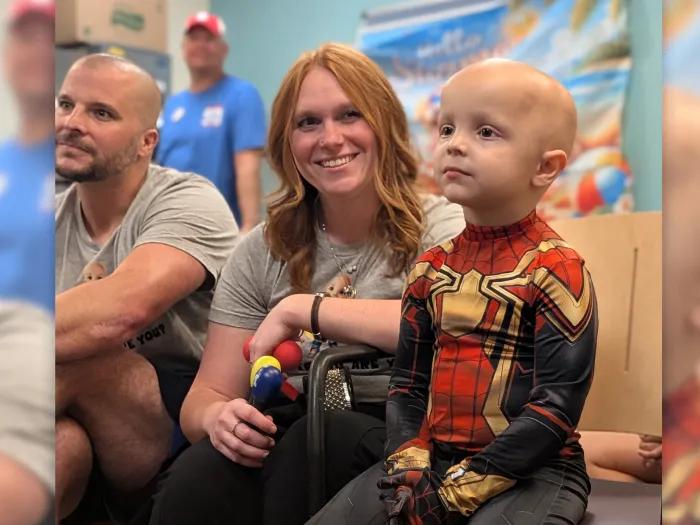
Talent show brings joy to kids at children’s hospital
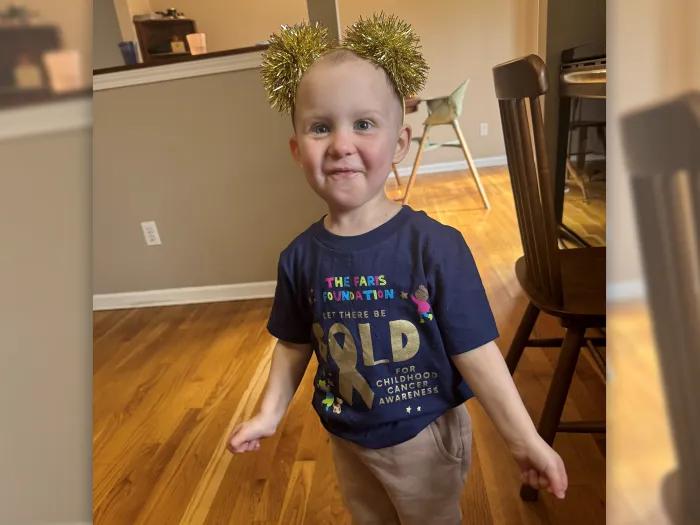
U-M alumni return from Central Asia to seek treatment for their child at Mott
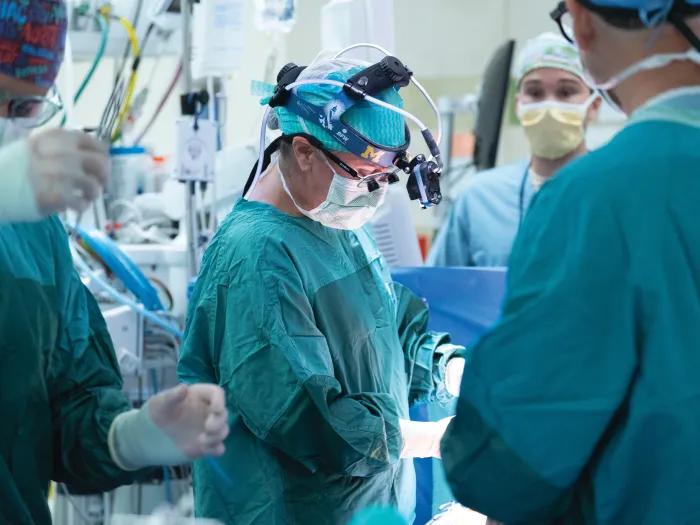
C.S. Mott Children’s Hospital first in country to implant expandable heart valve during FDA review phase

Helping kids with ADHD thrive in school

Born with half a heart, headed to college with a full life