Lymphedema Surgery
Lymphedema Surgery
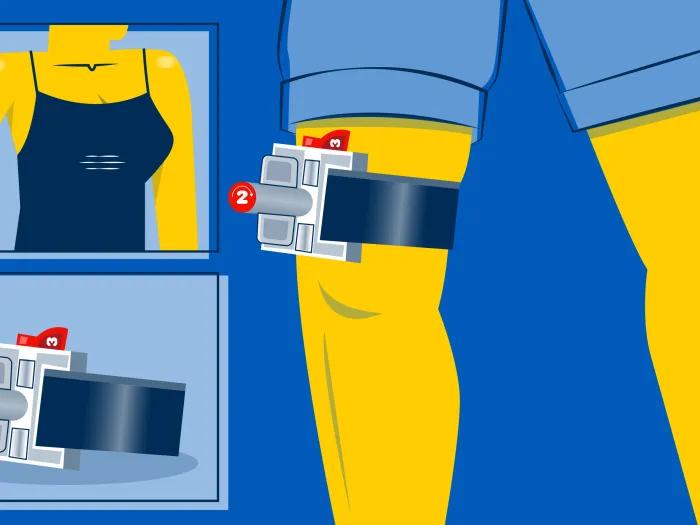
Lymphedema occurs when lymphatic fluid builds up in the arms or legs, causing swelling and discomfort. This can make it more difficult to move and may interfere with daily activities. Lymphedema can develop after cancer treatments like radiation therapy and lymph node removal or after an injury or infection damages your lymphatic system. There are non-surgical ways to treat lymphedema, including manual lymphatic drainage, compression garments, physical therapy and pneumatic compression devices. However, some patients may continue to have symptoms despite these treatments and may benefit from lymphatic surgery.
Our Approach
At University of Michigan Health, our surgeons have special training and experience to treat patients who developed lymphedema in the extremities after cancer treatment, particularly after breast cancer treatment. U-M Health is also a Lymphatic Education & Research Network (LEARN) Center of Excellence, a designation that recognizes our ability to provide continuous, multidisciplinary care for these patients.
FAQ
Who is a good candidate for lymphedema surgery?
Since surgery is not considered a primary treatment for lymphedema, ideal surgery candidates are patients who have been thoroughly evaluated and treated by plastic surgeons and occupational therapists certified in lymphedema treatment.
Which treatment is best for me?
Choosing the right treatment pathway for lymphedema depends on a number of factors. To help plan the best surgical intervention for you, our surgeons use highly specialized imaging techniques, like indocyanine green (ICG) lymphangiography to map lymphatic channels.
What does post-lymphedema surgery recovery look like?
After lymphedema surgery, you will need to continue with non-surgical treatments like compression and physical therapy to maximize the benefits of the procedure.
Appointment Information
To schedule a consultation, call Plastic Surgery at (734) 998-6022.
Surgery Types
We offer a variety of surgical approaches to treat and prevent lymphedema.
Preventative procedures
- Immediate lymphatic reconstruction: This is a procedure to help rebuild damaged lymphatic vessels after your lymph nodes are removed during breast cancer surgery, which can help lymphatic fluid drain properly and lower your chance of developing lymphedema. A plastic surgeon performs this procedure during your breast cancer surgery to minimize the number of surgeries you have to undergo. This is a unique service offered by plastic surgeons and breast oncology surgeons with the Weiser Family Center for Breast Cancer.
Microsurgical procedures
- Lymphaticovenous anastomosis (LVA): Tiny lymphatic channels are connected to small veins so that lymphatic fluid can drain directly into the venous system.
- Vascularized lymph node transfer (VLNT): Healthy lymph nodes from one part of the body are moved to the area of lymphedema to help drain fluid more effectively.
Excisional procedures
- Direct excision: Removing extra tissue from the areas most affected by lymphedema, which includes suction-assisted lipectomy.
Locations
-
Plastic Surgery Clinic | Domino's Farms 24 Frank Lloyd Wright Dr Ste A1200
Lobby A
Ann Arbor, MI 48105-9484Get Directions
Doctors

Theodore Alexander Kung, MD
Clinical Professor
Plastic Surgery

Paige Myers, MD, MPH
Clinical Associate Professor
Plastic Surgery
Rajiv Parikh, MD
Clinical Associate Professor
Facial Plastic Surgery, Plastic Surgery
News & Stories

Lower firework age restrictions leads to increase in pediatric hand injuries
Using creative surgical solutions for creative patients
Plastic surgeons help Ukrainian children in Poland