Vascular Anomalies Program (Pediatric)
Vascular Anomalies Program (Pediatric)
One in every ten children is born with a vascular anomaly. Often, what is considered a birthmark is actually a vascular anomaly. Vascular anomalies are composed of blood vessels, such as arteries, veins, lymphatic vessels or capillaries, which have developed abnormally.
Our Approach
Our team of vascular anomalies specialists consists of specialists in plastic surgery, interventional radiology, hematology and oncology, surgery, otolaryngology (ENT), orthopaedics, oral surgery, ophthalmology, dermatology and other subspecialties as needed. Physicians meet regularly to review each individual patient’s individual case, ensuring comprehensive diagnosis and treatment recommendations for each patient.
Thanks to our tight collaboration with adult specialist colleagues at U-M Health, we can facilitate seamless transition of care for patients from childhood through adulthood. Many members of our team have authored well-recognized journal articles on various vascular anomalies and therapies, and are known for their expertise in this specialized field.
Honored to be designated a Center of Excellence by the Sturge-Weber Foundation.
Appointment Information
To schedule an appointment with the Vascular Anomalies Program at C.S. Mott Children’s Hospital, call 877-475-MOTT.
Who We Treat
University of Michigan Health C.S. Mott Children’s Hospital is one of the leading multidisciplinary programs for comprehensive treatment of vascular anomalies in the country. Our team of specialists treats the full range of vascular anomalies, including:
- Complex hemangiomas
- Infantile hemangiomas
- Congenital hemangiomas
- Capillary malformations
- Venous malformations
- Arteriovenous malformations
- Lymphatic malformations (sometimes called cystic hygromas)
- Klippel-Trenaunay syndrome
- Kasabach-Merritt syndrome/phenomenon
- Tufted angioma
- Kaposiform hemangioendothelioma
- Venous lymphatic malformations (sometimes called mixed vascular anomalies)
- PHACE syndrome
- Multifocal Lymphangioendotheliomatosis with Thrombocytopenia (MLT)
The large volume of conditions seen by our team each year results in a unique level of expertise among our specialists, ensures our patients have access to the highest level of care and latest, most advance therapies.
Services
Between 50-60% of children with vascular anomalies will require some form of treatment, whether it be medical, surgical or laser photocoagulation. Many single hemangionas can be cared for by your primary care provider. If your physician determines a referral to a specialist is appropriate, it is important to seek care at a center with a wide range of expertise across many types of vascular anomalies, including the diagnosis of complex vascular disorders. Because vascular anomalies often affect many organ systems, a multidisciplinary team of experts can be particularly important to achieve the best possible results.
Treatment for vascular malformations depends upon the type, but may include the following:
- Capillary malformations can often be treated with laser therapy using pulse dye lasers or an intralesional laser
- Arterial malformations are often treated by embolization, in which an injection near the lesion blocks blood flow to the malformation
- Venous malformations are usually treated by sclerotherapy, an injection of a medication which causes clotting of the channels
- Surgical resection is also an option for some vascular anomalies
A combination of these various treatments is often used to treat vascular malformations.
Doctors
David Julius Brown, MD
Clinical Professor
Pediatric Otolaryngology, Otolaryngology
Michelle Sugiyama Caird, MD
Professor
Orthopedic Surgery
Glenn Edward Green, MD
Clinical Professor
Pediatric Otolaryngology, Otolaryngology
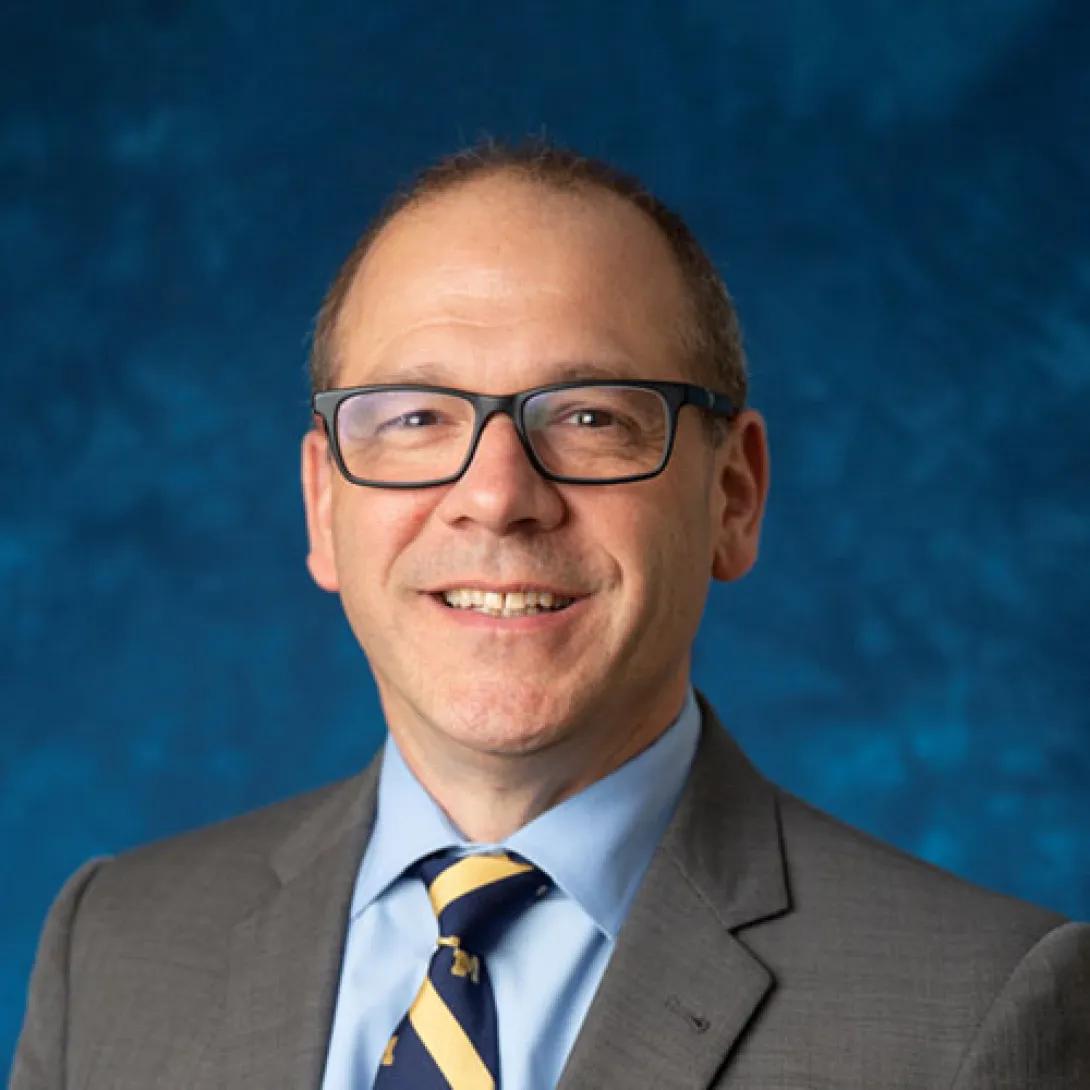
Steven John Kasten, MD
Clinical Professor
Plastic Surgery
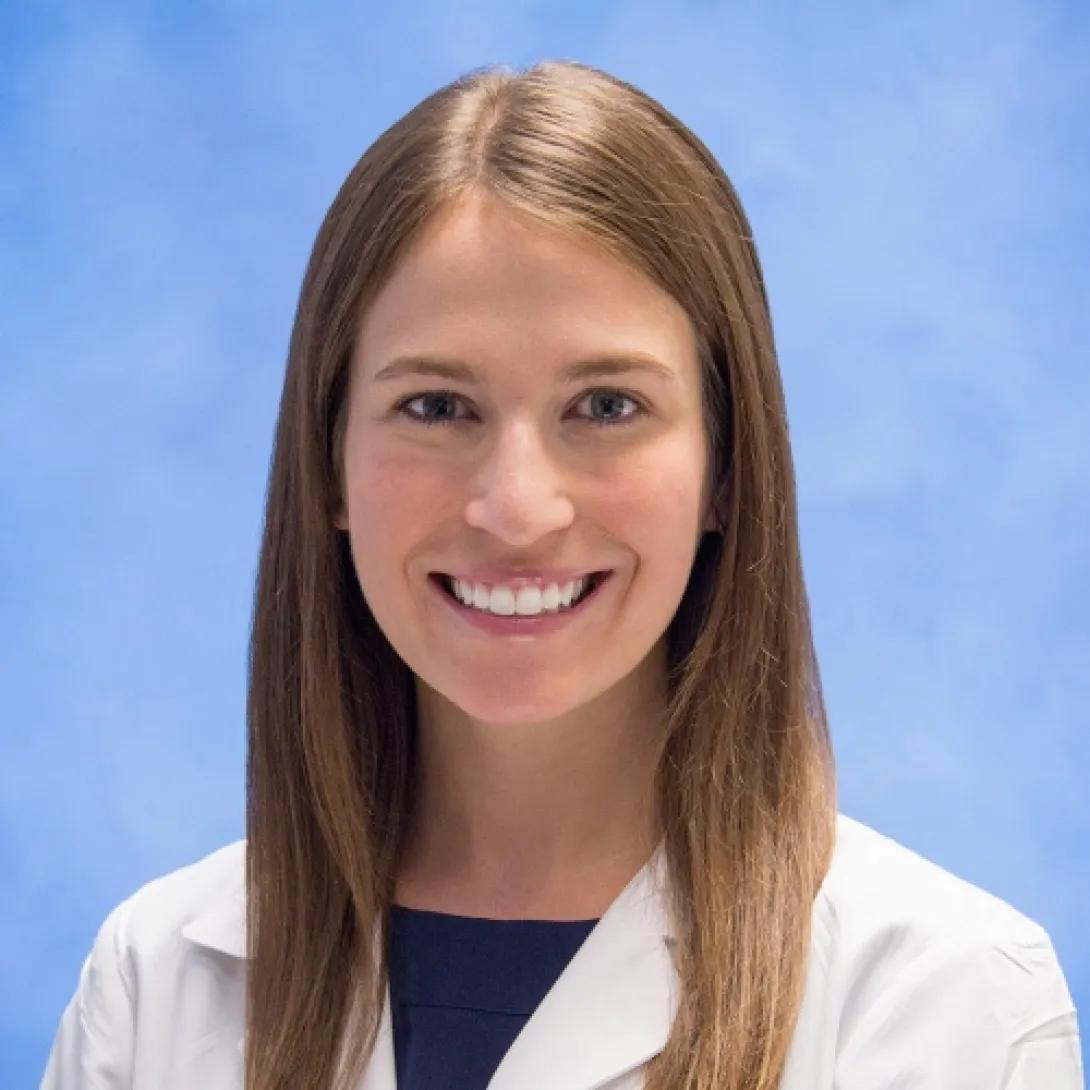
Jennifer Brescoll Mancuso, MD
Clinical Associate Professor
Pediatric Dermatology, Dermatology
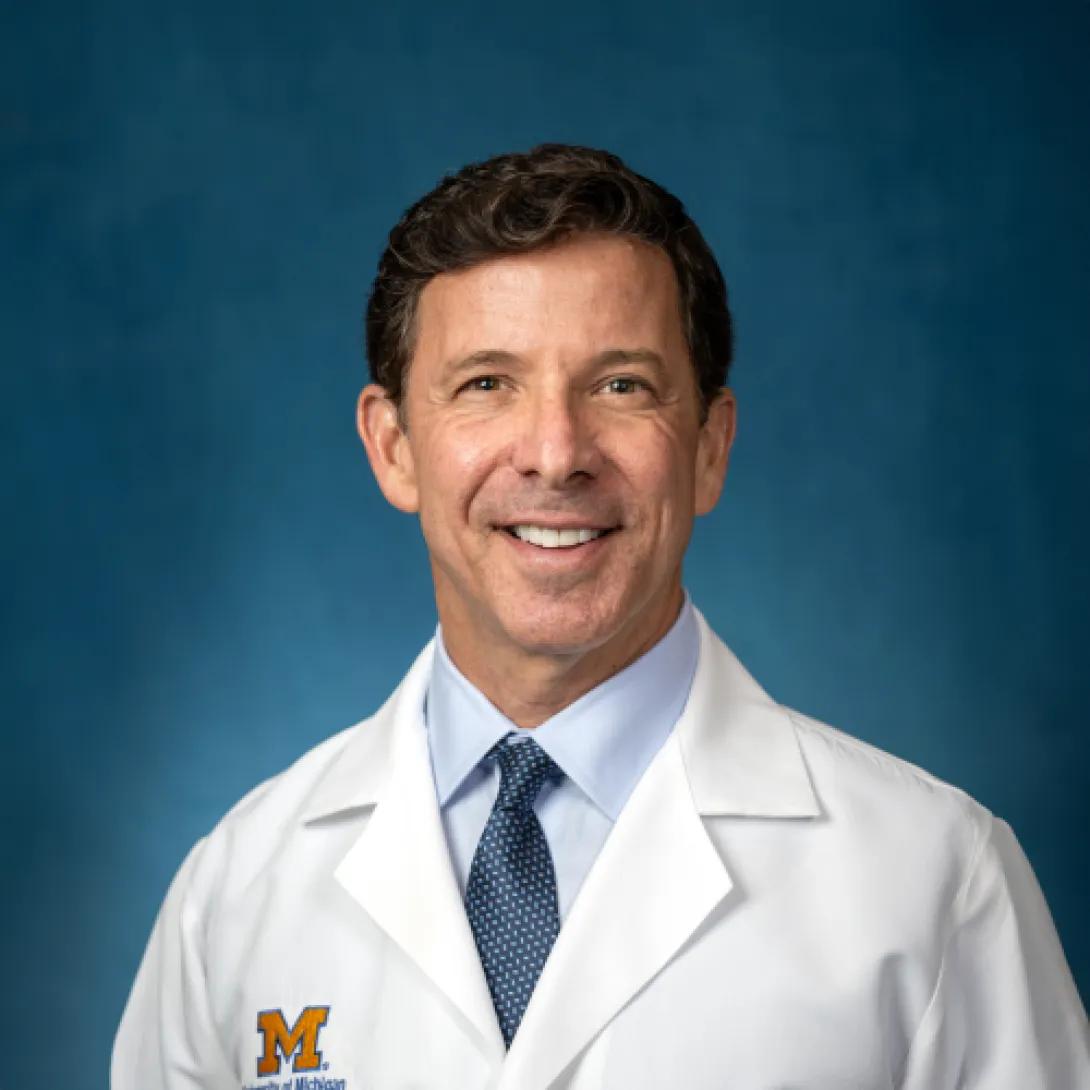
Jeffrey Scott Orringer, MD
Clinical Professor
Dermatology

Steven Wesley Pipe, MD
Professor
Pediatric Hematology-Oncology, Pediatrics

Jordan Adam Shavit, MD, PhD
Professor
Pediatric Hematology-Oncology, Pediatrics
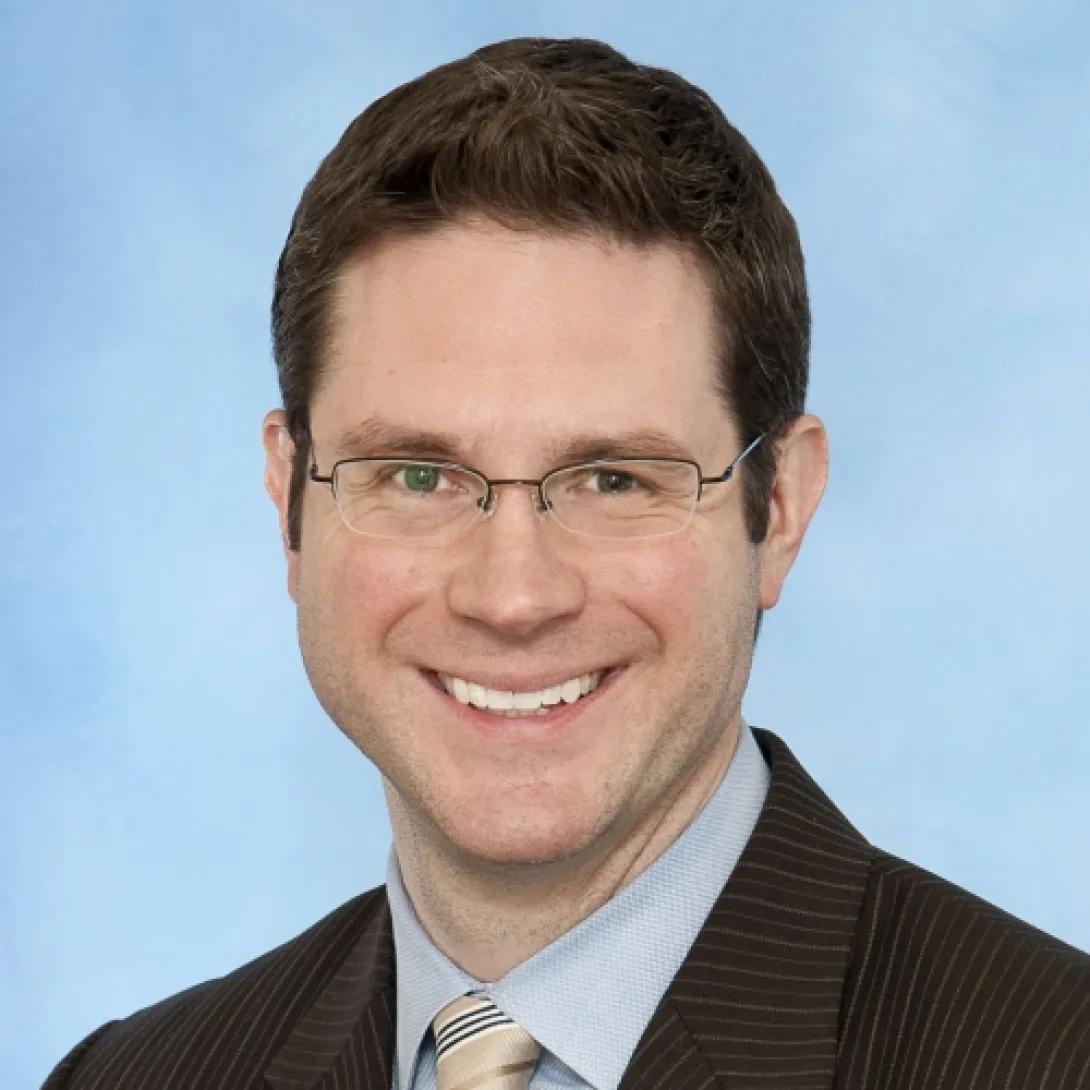
Christian John Vercler, MD
Clinical Professor
Plastic Surgery, Surgery
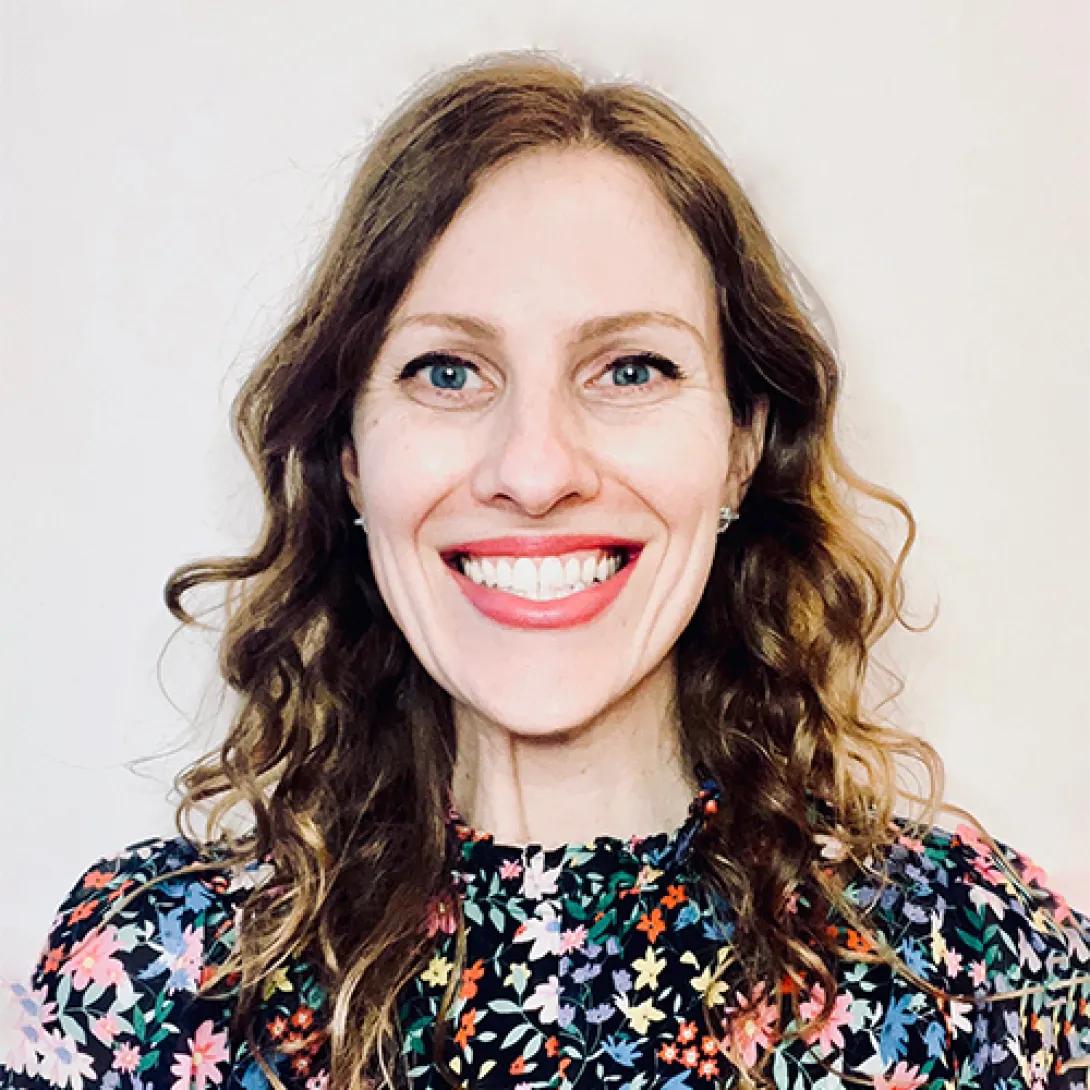
Angela Christine Weyand, MD
Clinical Associate Professor
Pediatric Hematology-Oncology, Pediatrics
News & Stories
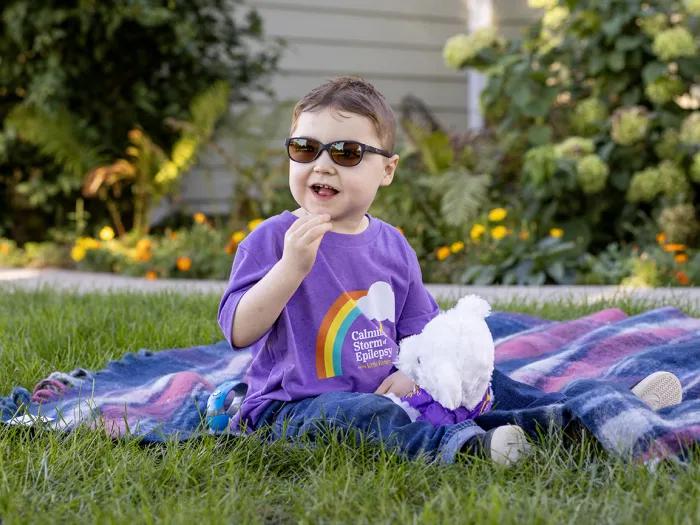
A pediatric epilepsy fundraiser that changes lives
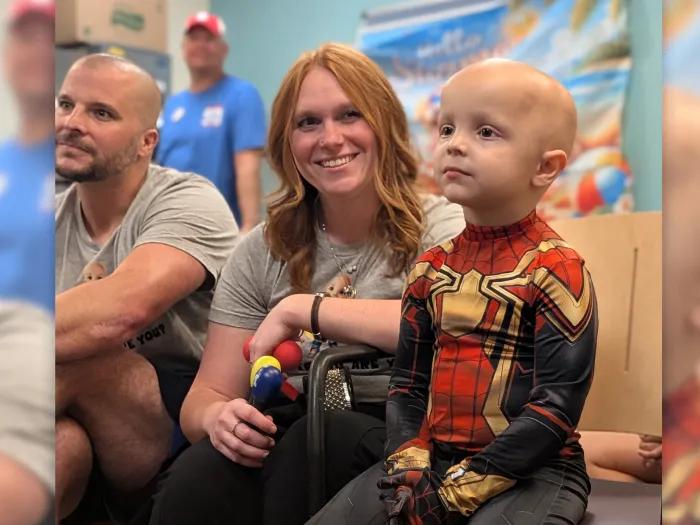
Talent show brings joy to kids at children’s hospital
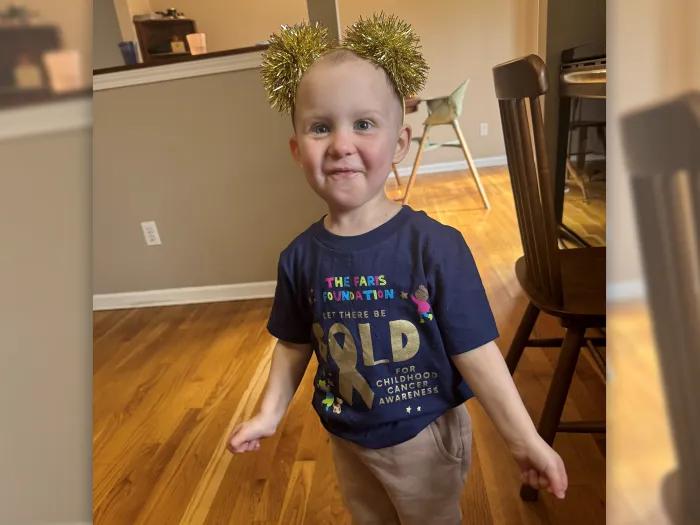
U-M alumni return from Central Asia to seek treatment for their child at Mott
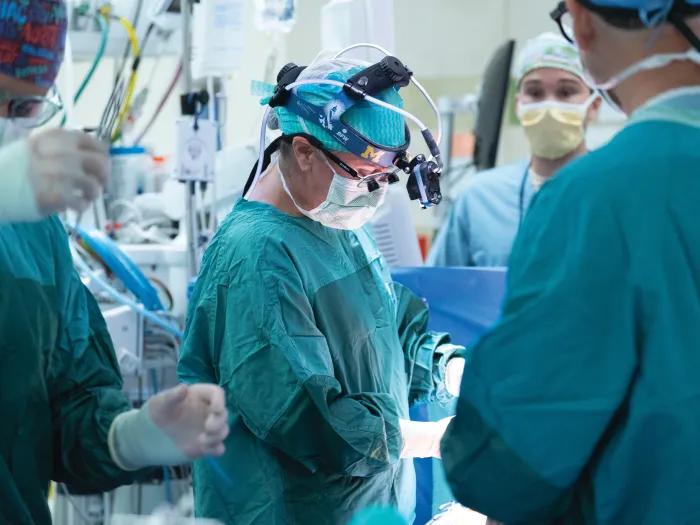
C.S. Mott Children’s Hospital first in country to implant expandable heart valve during FDA review phase

Helping kids with ADHD thrive in school