Leukemia (Pediatric)
Leukemia (Pediatric)
What is leukemia?
Leukemia is a blood cancer that occurs when white blood cells in the bone marrow grow out of control. While it is the most common form of childhood cancer, leukemia is also the most curable form of cancer in children.
Our Approach
The experienced team of multidisciplinary specialists at the University of Michigan Health Pediatric Oncology Program has the diagnostic capabilities and cutting-edge therapies, including novel clinical trials, to provide world-class care for children with leukemia. In addition, our Blood & Marrow Transplantation Program is one of the largest and most innovative in the country.
Appointment Information
Schedule an appointment by calling us at 734-936-9814.
How is leukemia diagnosed?
Common leukemia symptoms include weakness, bone pain, fever, easy bleeding and bruising. Leukemia is diagnosed with a blood test. Other tests, such as flow cytometry, which examines cells and chromosomes under a microscope, are used to identify the type of leukemia, and chromosome studies determine how to best treat the leukemia. We also use newer diagnostic techniques, including minimal residual disease measurement, to help our pediatric oncologists determine how well treatment is working and how to modify the therapy when needed.
How is leukemia treated?
We treat all forms of childhood leukemia, including:
- Acute lymphoblastic leukemia (ALL)
- Acute myelogenous leukemia (AML)
- Other uncommon leukemia types, such as juvenile myelomonocytic leukemia and chronic myeloid leukemia
Our transplant team includes pediatric oncologists, surgeons, radiation oncologists, pathologists, radiologists and nuclear medicine physicians.
Treatments vary depending on type of leukemia as well as other variables, but can include chemotherapy, targeted cellular therapy (using the patient’s immune system to help fight cancer and minimize side effects) and bone marrow transplant.
New forms of cellular therapy, such as CAR-T therapy, are quickly transforming the treatment of relapsed or resistant leukemia, helping a donor’s own blood cells target and fight cancer cells more effectively. Michigan Medicine was the first center in the state to use CAR-T cells to treat childhood leukemia, having first administered CAR-T cells to a pediatric patient in 2014.
Clinical Trials
We also have several clinical trials available for novel therapies, offered in conjunction with the Children’s Oncology Group, our own Blood and Marrow Transplant Consortium, and Therapeutic Advances in Childhood Leukemia (TACL). In fact, we are one of only 16 centers in the country that are part of TACL, a consortium focusing on developing new and innovative trials for relapsed or resistant leukemia.
Through our Stem Cell Initiatives, our researchers are developing a better understanding of leukemia stem cells to create better clinical trials and revolutionize how we treat cancer.
Locations
-
Leukemia Clinic | C. S. Mott Children's Hospital 1540 E Hospital Dr
Floor 7 Reception B
Ann Arbor, MI 48109-4257Get Directions
Doctors
Jennifer Agrusa, MD
Clinical Assistant Professor
Pediatric Hematology-Oncology
Sung Won Choi, MD
Professor
Pediatric Hematology-Oncology, Pediatrics

Joshua William Goldman, MD
Clinical Assistant Professor
Pediatric Hematology-Oncology
Jay Allen Read, MD, PhD
Clinical Assistant Professor
Pediatric Hematology-Oncology, Pediatrics
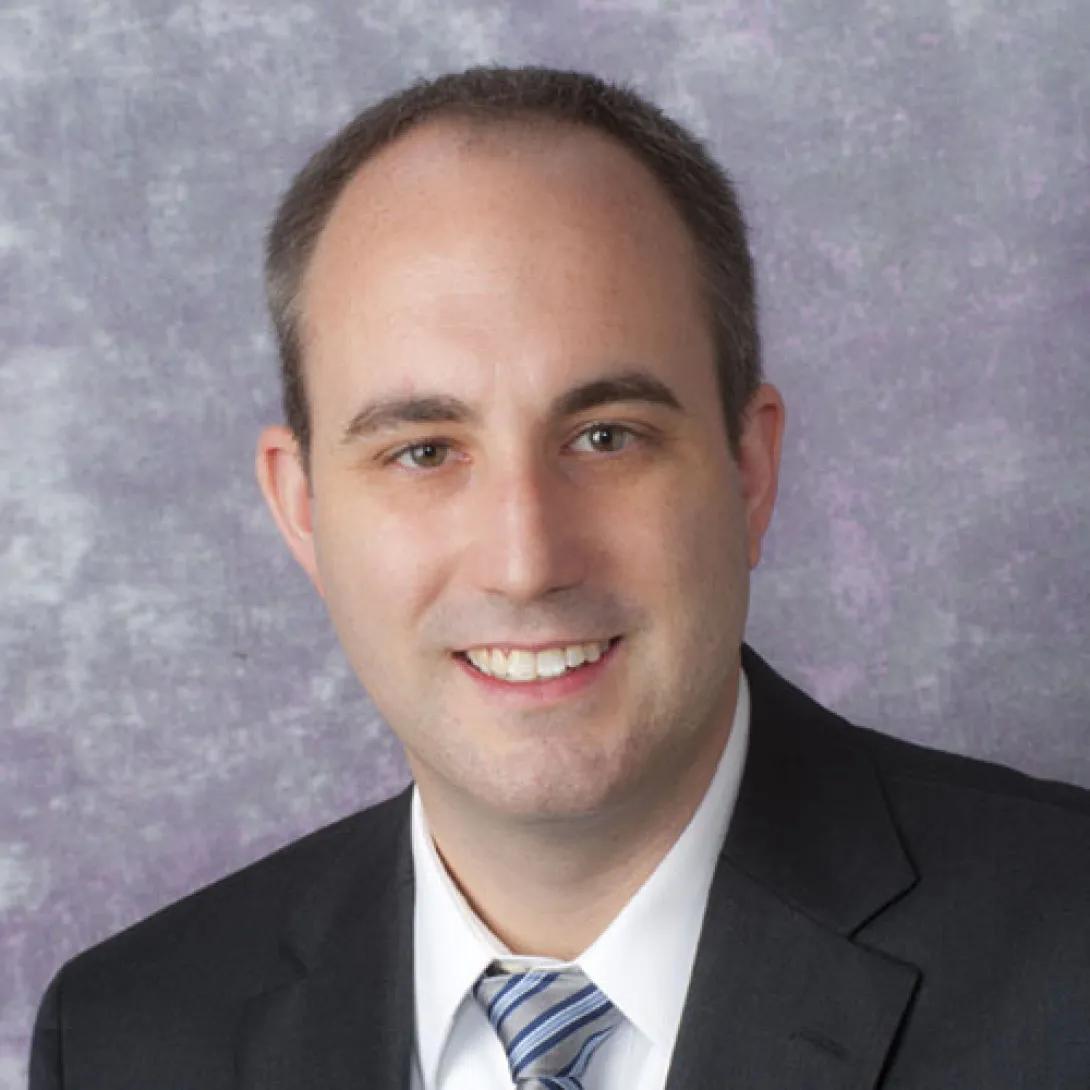
Mark Thomas Vander Lugt, MD
Clinical Associate Professor
Pediatric Hematology-Oncology, Pediatrics

Emily Byrnes Walling, MD, MPHS
Clinical Associate Professor
Pediatric Hematology-Oncology, Pediatrics

Gregory Anthony Yanik, MD
Clinical Professor
Pediatric Hematology-Oncology, Pediatrics, Internal Medicine
News & Stories
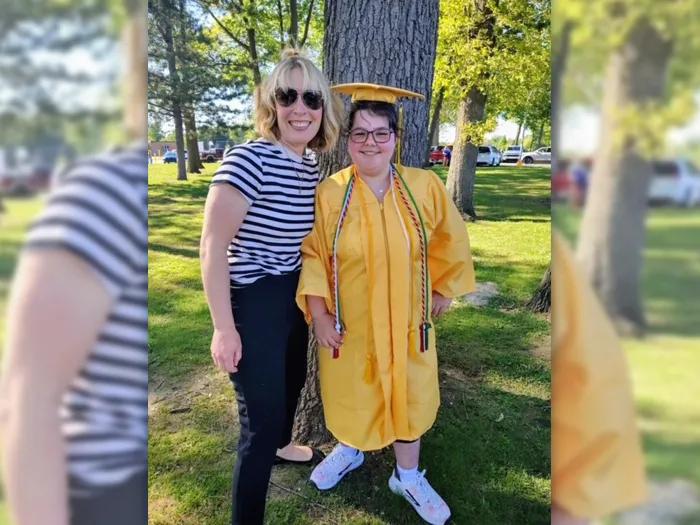
Paralyzed from waist down as a child, patient walks across stage at high school graduation
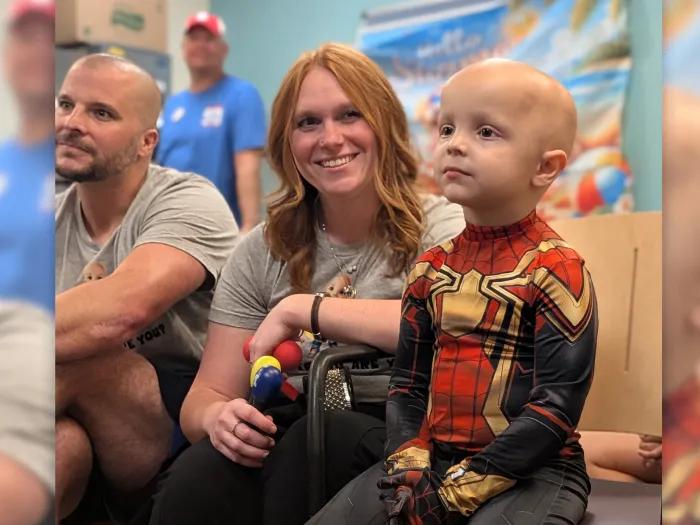
Talent show brings joy to kids at children’s hospital
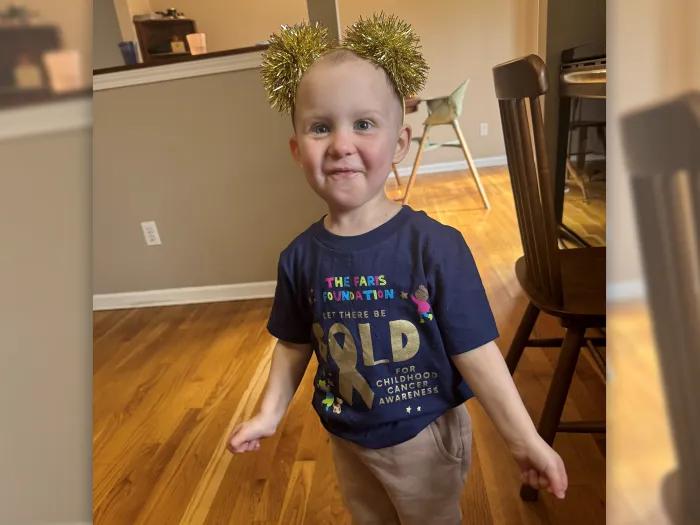
U-M alumni return from Central Asia to seek treatment for their child at Mott

Block Out Cancer: From a crisis abroad to answers at Mott
Path forward for glioblastoma treatment