Congenital Heart Disease (Pediatric)
Congenital Heart Disease (Pediatric)
What is congenital heart disease?
Congenital heart disease refers to heart problems a baby is born with. There are different types of problems. The heart may have a hole between two of its chambers. Blood may not flow the right way because of a problem with a blood vessel. Sometimes, a heart valve may not form correctly. Or, a heart valve or a chamber may not have formed at all.
These heart problems are usually diagnosed at or before birth. But some cases of mild heart problems are diagnosed when a child is older.
It can be scary and stressful to know that your child has a heart problem. But a procedure or surgery can repair many of these problems. Sometimes, a problem gets better on its own as a baby grows. If a problem is very serious, a child could have surgery soon after diagnosis. In deciding about treatment, your doctor will look at your child's age and size, the type of problem your child has, and their overall health.
Appointment Information
The Congenital Heart Center at C.S. Mott Children’s Hospital is just a phone call away. Call us at 734-764-5176 to make an appointment or for the answers to any questions you may have.
Explore the Congenital Heart Center
From management of common heart disorders to groundbreaking therapies for complex congenital heart conditions, we are committed to providing the most advanced care for infants, children and adolescents with all forms of heart disease.
What are the symptoms of congenital heart disease in children?
Congenital heart disease causes a wide range of symptoms. Symptoms will depend on what problem your baby has. Babies with congenital heart disease may have one or more of these symptoms:
- Tiring quickly.
- Trouble breathing when the baby feeds or cries.
- Breathing fast during rest or activities.
- Puffiness or swelling of the skin, often around the eyes and in the hands and feet.
- Sweating easily, especially on the head.
- Not gaining weight as they should.
- Fainting or near-fainting spells, especially related to physical activity.
- Having strong-smelling urine or other signs of dehydration.
- Having a bluish tint to the skin, lips, and fingernails that gets worse when the baby cries or eats.
- Growing or developing more slowly than expected. Your baby may be shorter or take longer to learn skills.
In some cases, a child's congenital heart disease may be so mild that symptoms won't appear until the child is a teenager or young adult.
What causes congenital heart disease?
In most cases, the cause of congenital heart disease isn't known. But genes passed down from a parent are a possible cause. Viral infections also may play a role. Taking some prescription or other medicines during pregnancy may cause congenital heart disease.
How is congenital heart disease diagnosed in children?
Testing for congenital heart disease can be done during pregnancy or after a baby's birth. In many cases, congenital heart disease is found at birth or during a baby's first few months.
Tests during pregnancy
A fetal echocardiogram is the best test before a baby's birth. The test uses sound waves to take pictures of the baby's heart. The fetal echocardiogram may be done if:
- A parent has congenital heart disease.
- The baby may have been exposed to certain chemicals during pregnancy.
- The parent has taken medicines during pregnancy that may increase the baby's risk of developing heart problems.
- Other exams or tests show signs that a baby may have a problem related to the heart's structure.
Tests after a baby is born
A newborn screening test may find a heart problem. The test is called an oximetry test. It checks the oxygen level in the blood.
Congenital heart disease can also be found in the first month after a baby is born. Your doctor may take a medical history, do a physical exam, and ask about the baby's symptoms, appetite, and other habits. Your baby will get other tests to find a heart problem.
Not all problems are found when a child is very young. Some problems don't cause symptoms and aren't life-threatening. These problems may not be found until the teen years or later.
Tests that can help diagnose a heart problem include:
- Echocardiogram. The doctor may use this test to see how blood flows through your child's heart and to look at the valves, thickness, and shape of the heart.
- Cardiac catheterization. This test measures blood pressure in the heart and heart arteries. It can also show how well the heart is pumping.
More tests may be needed, depending on the symptoms and type of problem. These may include:
- Chest X-ray. This is to check the size and blood vessels of the heart.
- Electrocardiogram (ECG, EKG). This test checks for irregular heart rhythms (arrhythmias) that may be related to congenital heart disease.
- Blood tests. These check for anemia, polycythemia, or levels of certain chemicals in the blood.
- Oximetry. This is to see whether oxygen-poor blood is being pumped to the body. The amount of oxygen in the blood can also be measured by an arterial blood gas (ABG).
- CT scan or MRI of the heart and major blood vessels. This is to view abnormal heart structures and/or blood vessels. During these tests, your child will probably be given medicine to help your child relax and sleep.
How is congenital heart disease treated in children?
Treatment is based on the type of problem. Some types of congenital heart disease get better on their own and may not need treatment. Your child's age, size, and general health also are important.
A child may need:
- Medicines. Medicine may be used to help treat certain types of congenital heart disease, help relieve symptoms, or prevent other problems.
- Cardiac catheterization. The doctor threads a thin, flexible tube (catheter) through a blood vessel—typically in the groin—and into the heart. Some problems can be repaired using this procedure.
- Surgery to repair the problem. A baby with a large or complex problem may need one or more heart surgeries.
Your child will also need regular visits to a pediatric cardiologist.
How can you care for your child who has congenital heart disease?
- Have your child take medicines exactly as prescribed. Call your doctor if you think your child is having a problem with a medicine.
- If your child has trouble eating, work with a registered dietitian. Some children may have a hard time eating and getting enough calories.
- Make sure that your child gets all the recommended vaccines, which helps keep your child healthy. Make sure family members and people who are in close contact with your child also get recommended vaccines.
- Congenital heart disease can increase your child's risk of an infection in the heart. Talk to your doctor about your child's risk. Your child may need to take antibiotics before certain dental or surgical procedures to prevent infection. Also be sure your child takes good care of their teeth and gums.
- Ask for support. Your child's care team can help you and your child. They can refer you to a counselor. They can also give you information for support groups of parents who have children with congenital heart disease.
- Learn how to do CPR and rescue breathing. It is important to know this in case your child stops breathing.
- Learn what to do if your child has "blue spells." These may happen if the blood going from the heart to the body is a mix of oxygen-poor and oxygen-rich blood. The body may not get enough oxygen. When this occurs, a child can have a bluish tint to the skin, lips, or fingernails. Tell your child's doctor when a blue spell occurs.
Locations
-
Congenital Heart Center | Brighton Center for Specialty Care 7500 Challis Rd
Entrance 1, Level 2
Brighton, MI 48116-9416Get Directions -
Congenital Heart Center | C. S. Mott Children's Hospital 1540 E Hospital Dr
Floor 11 Reception C
Ann Arbor, MI 48109-4284Get Directions -
Michigan Heart and Vascular Specialists | Burns Professional Building 560 W Mitchell St Ste 400
Petoskey, MI 49770-8895Get Directions -
Pediatric Cardiology Clinic | Munson Healthcare Pediatric Specialty Clinics 106 S Madison St
Traverse City, MI 49684-2320Get Directions -
Pediatric Cardiology Clinic | Trinity Health Michigan Heart 5325 Elliott Dr Ste 201
Ypsilanti, MI 48197-8633Get Directions -
Pediatric Cardiology Clinic | Trinity Health Oakland Hospital Medical Office Building
44555 Woodward Avenue, Suite 105
Pontiac, MI 48341Get Directions -
Pediatric Cardiology Clinic | U-M Health-Sparrow Professional Building 1200 E Michigan Ave Ste 715
Ste 715
Lansing, MI 48912-1832Get Directions -
Pediatric Cardiology | MyMichigan Medical Center Alpena 1501 W Chisholm
Alpena, MI 49707Get Directions -
Pediatric Cardiology | UM Health-West Beltline Health Center 1310 East Beltline Ave SE
Grand Rapids, MI 49506Get Directions -
Pediatric Congenital Heart Clinic | Northville Health Center 39901 Traditions Dr
Floor 2
Northville, MI 48168-9493Get Directions -
UP Health System - Marquette 850 West Baraga Ave.
Marquette, MI 49855Get Directions
News & Stories

C.S. Mott Children’s Hospital first in country to implant expandable heart valve during FDA review phase

Born with half a heart, headed to college with a full life
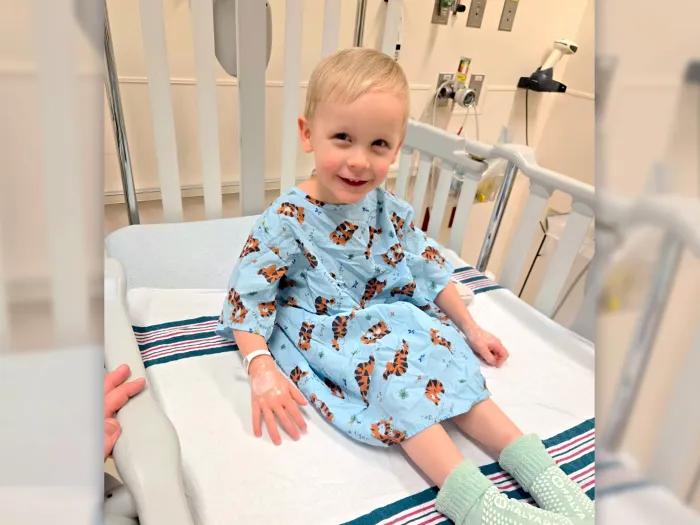
Expert complex heart surgery team saves baby with rare genetic heart condition
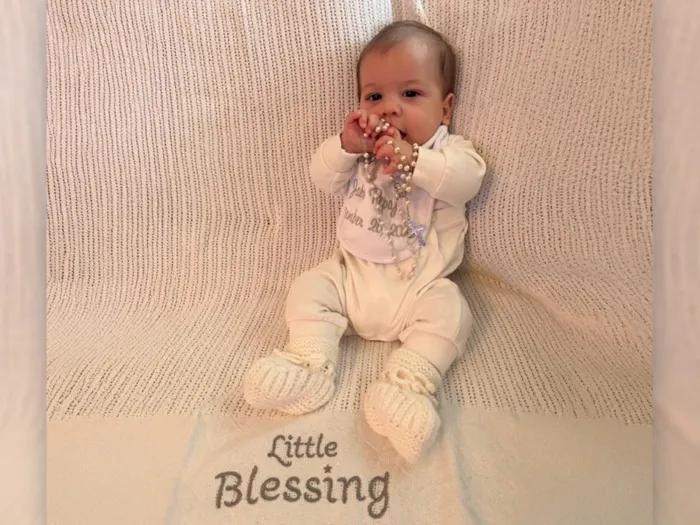
Specialized local care gives baby with severe heart condition a stronger start before surgery

How to use an AED in a cardiac emergency