
Eyelid Surgery (Blepharoplasty)
Eyelid Surgery (Blepharoplasty)
What is eyelid surgery (blepharoplasty)?
Eyelid surgery, or blepharoplasty, is also called an eyelid tuck. University of Michigan Health is a nationally recognized leader in reconstructive surgery. Our team of board-certified plastic surgeons and medical specialists guides patients through every step of the blepharoplasty process to ensure the best results possible.
Is eyelid surgery right for me?
This surgery can help with your self-image if you are self-conscious about eyelid puffiness, wrinkles or droopiness. Blepharoplasty is one of the most common cosmetic surgical procedures performed in the U.S.
Blepharoplasty is best for patients who otherwise in good health, without active diseases or serious, pre-existing medical conditions. Most individuals seeking blepharoplasty are in their mid- to late thirties. If saggy or fatty eyelids are hereditary, you may wish to undergo this procedure at an earlier age. In extreme cases, where patients find that their sight has become impaired due to the drooping of the upper lids, surgery may improve vision.
Appointment Information
Schedule a consultation today by calling our Plastic Surgery Clinic at Domino's Farms at 734-998-6022, or our Center for Facial Cosmetic Surgery at 800-493-3223 (FACE).
Consultation
During your consultation, you will have the opportunity to discuss your goals and the results you would like to achieve. Your surgeon will work with you to reach an understanding about what you can expect from this procedure and the long-term benefits. You should expect to:
- Provide a complete medical history - Include information about any previous surgical procedures; past and present medical conditions; and all medications or herbal supplements you are taking
- Be sure to inform your surgeon about symptoms of dry eyes and eyeglass or contact wear
- Have your surgeon conduct a complete physical examination
- Discuss possible risks and complications
How is eyelid surgery performed?
Blepharoplasty removes fat, excess skin and muscle from the upper and lower eyelid to reduce puffiness below the eyes, decrease wrinkles around the eyelids and correct drooping upper lids.
The exact procedure will depend on your surgeon’s assessment of your anatomy and your desired results. In general, your surgeon will make an incision along the lash line in the lower lid and/or on the upper portion of the upper lid and smile creases. Your surgeon will remove excess fat, muscle and skin. Then the surgeon will use fine sutures to close the incision. Typically, we will remove the sutures one week after surgery.
If you only have pockets of fat beneath your lower eyelids, and do not need to have any excess skin removed, your surgeon may recommend "transconjunctival" eyelid surgery. In this procedure, the incision is made on the inside of your lower eyelid, which leaves no visible scar. Transconjunctival blepharoplasty will not tighten skin, but will reduce puffiness in the lower eyelid region.
We use general anesthetic so that you will sleep and remain comfortable throughout the procedure. Local anesthesia with intravenous sedation is also an option for some patients.
Options to Enhance the Procedure: Some patients choose to have laser resurfacing or a chemical peel in addition to the blepharoplasty. This may minimize fine wrinkles near the eye. A forehead lift may correct sagging or abnormally positioned eyebrows.
Preparation & Recovery
After your consultation and decision about surgery, we will give you pre-operative information that explains everything you should do and know before your procedure. Your surgeon will instruct you on how to prepare. You should arrange for someone to drive you home after your surgery. You also may want to make arrangements for someone to help you out for a day or two while you heal.
During recovery, it’s very important that you follow your surgeon's instructions. This will promote healing and improve progress towards your new physical appearance. Also, it’s important that you attend all follow-up appointments so that your surgeon can assess your long-term results and answer any questions or concerns.
Locations
-
Facial Cosmetic Surgery Clinic | Brighton Center for Specialty Care 7500 Challis Rd
Entrance 1, Level 1
Brighton, MI 48116-9416Get Directions -
Plastic Surgery Clinic | Domino's Farms 24 Frank Lloyd Wright Dr Ste A1200
Lobby A
Ann Arbor, MI 48105-9484Get Directions
Doctors
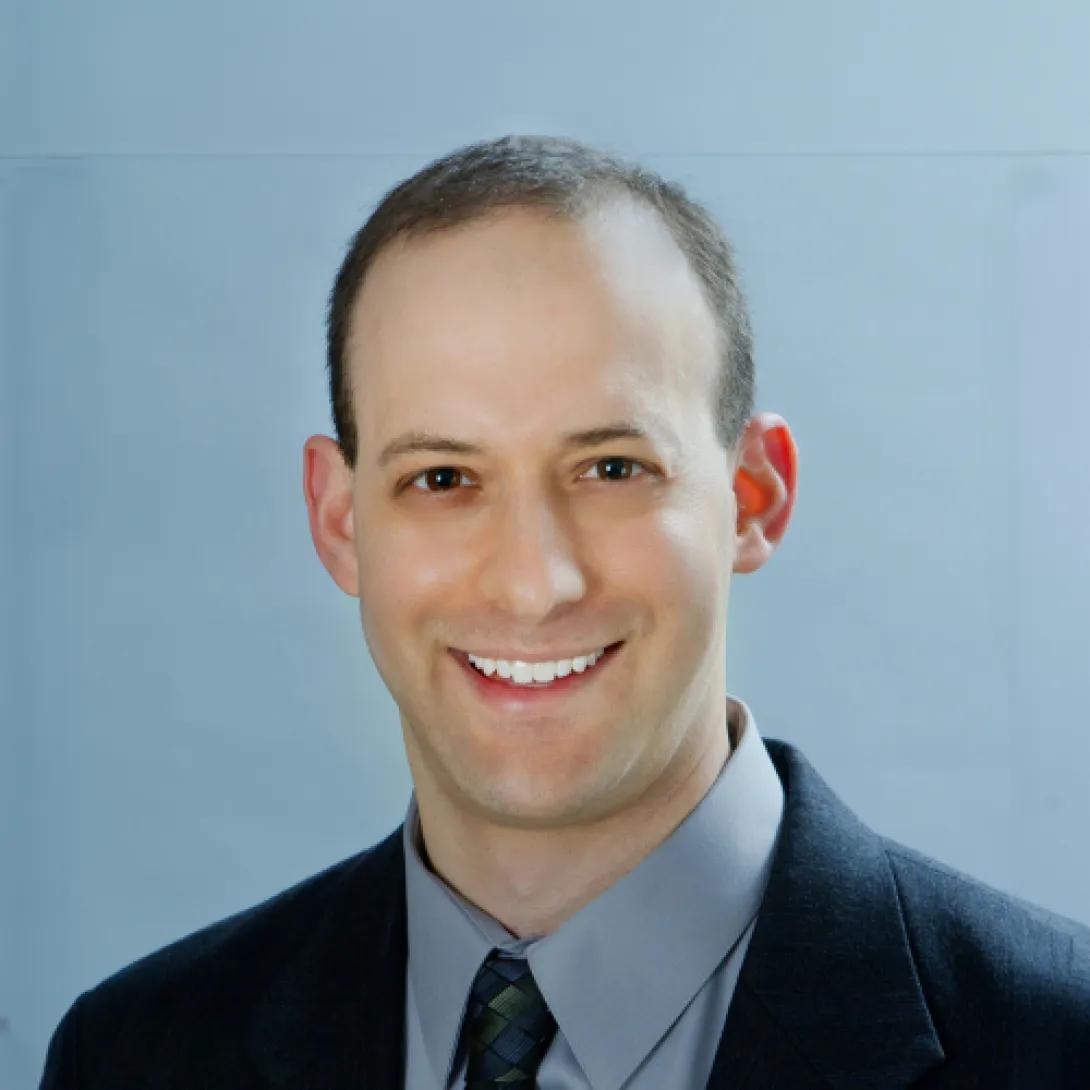
Michael Joel Brenner, MD, FACS
Professor
Facial Plastic Surgery, Otolaryngology, Sleep Medicine
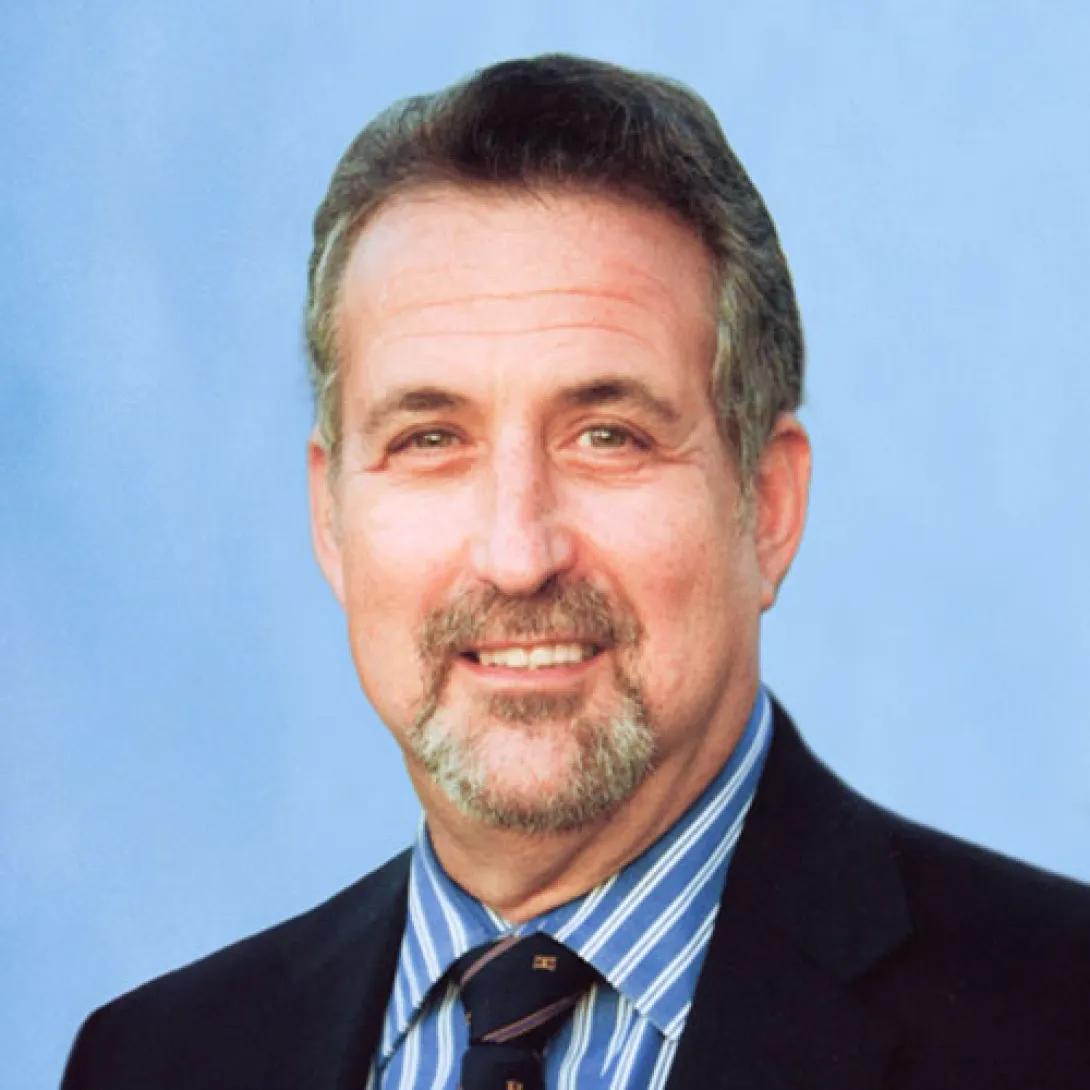
Robert Harris Gilman, MD, DMD
Clinical Associate Professor
Plastic Surgery, Otolaryngology, Surgery
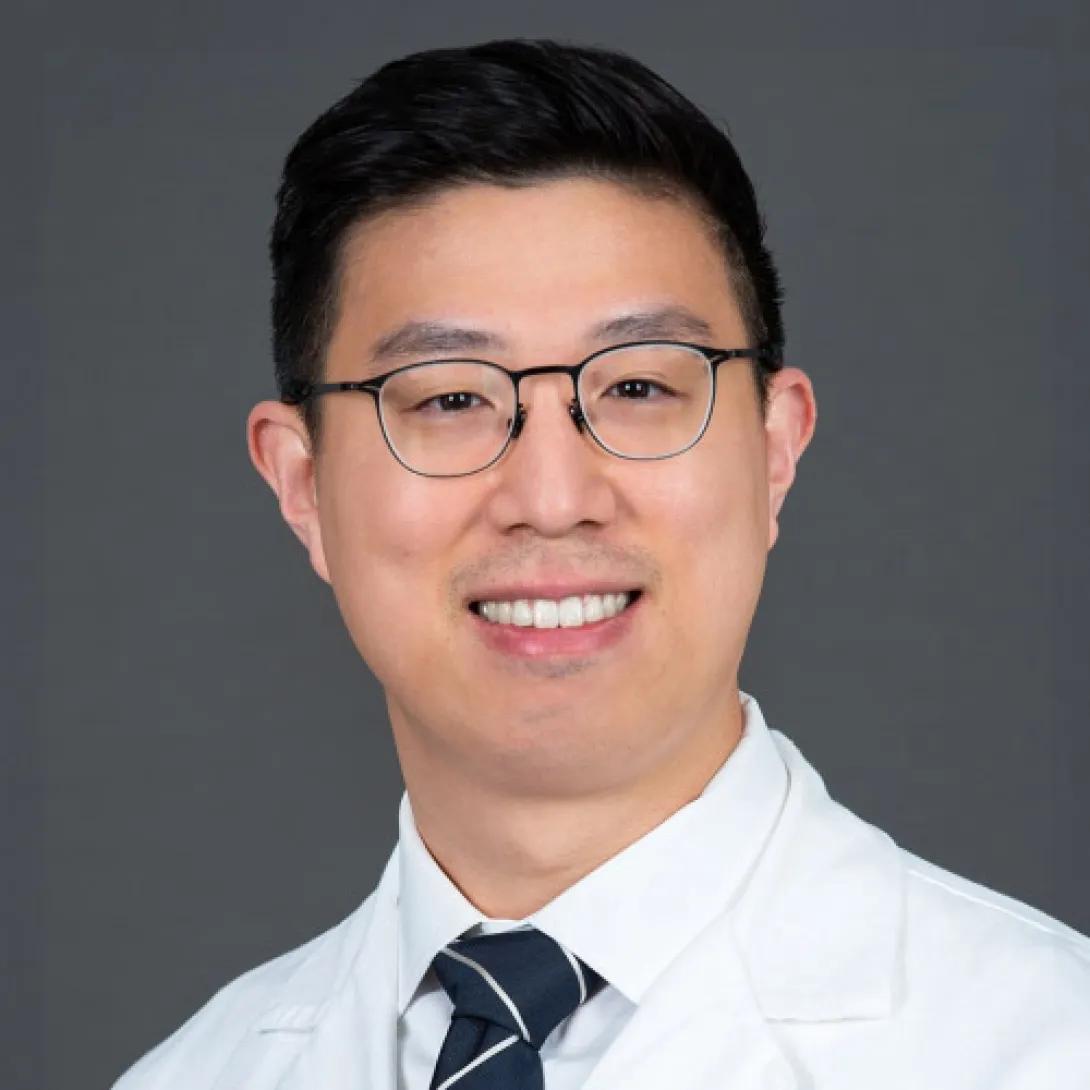
Jeffrey Tan Gu, MD
Clinical Assistant Professor
Otolaryngology, Plastic Surgery-Head & Neck

Jeffrey Scott Moyer, MD
Professor
Facial Plastic Surgery, Otolaryngology
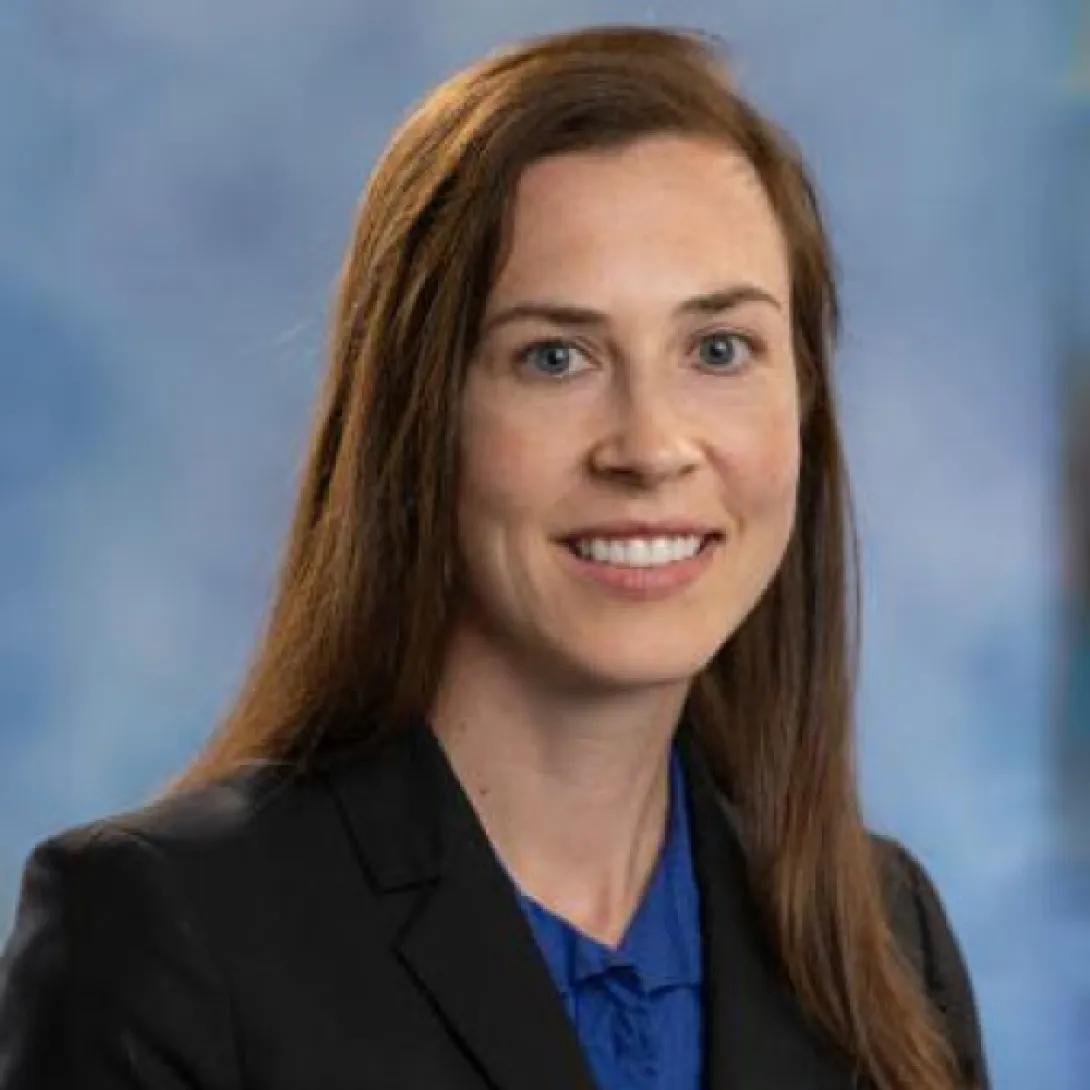
Shannon Flynn Rudy, MD
Clinical Assistant Professor
Facial Plastic Surgery, Otolaryngology
Chaz Luke Stucken, MD
Clinical Associate Professor
Facial Plastic Surgery, Otolaryngology, Plastic Surgery-Head & Neck
