Cochlear Implant Program (Pediatric)
Cochlear Implant Program (Pediatric)
The University of Michigan Cochlear Implant program at C.S. Mott Children’s Hospital is one of the largest, most experienced cochlear implant programs in the nation. Our multidisciplinary team specializes in working with children with hearing loss and their families. We are committed to supporting your family throughout the process of considering cochlear implants, surgery and long-term follow-up care. Established in 1984, we have restored hearing to more than 2,800 children and adults.
Our Approach
Our program is committed to advancing the field of hearing loss management. We participate in clinical trials to evaluate new devices, and our program is part of the federally funded Childhood Development after Cochlear Implant study, aimed at defining variables that contribute to successful performance with a cochlear implant.
Your child will be evaluated and cared for by a multidisciplinary team who specializes in hearing loss and rehabilitation. Each team consists of a Pediatric Neurotologist (a surgeon with specialty training in disorders of the ear) a pediatric audiologist and a certified auditory-verbal speech-language pathologist.
We will work with you to understand the long-term follow-up care that is required, provide guidance on the available implant systems, and discuss the outcomes we expect your child will receive from a cochlear implant. Our goal is to support you through every step of this process.
Who We Treat
Candidates for cochlear implants should have:
- Moderate to profound sensorineural hearing loss in both ears
- Little to no benefit from hearing aids, following an adequate period of training and experience with their use
- Evidence of a functioning auditory nerve
- The ability to provide a conditioned response to auditory or vibrotactile (detection of sound through touch) stimuli
- Family stability and support
- Motivation and willingness to learn to use the implant
- An educational/rehabilitation program that emphasizes auditory skill development
- No other medical issues that would prevent surgery
Appointment Information
Schedule an appointment by calling us at 734-998-8119 or you can email us at [email protected]
Services
Your child will be evaluated and cared for by a multidisciplinary team who specializes in hearing loss and rehabilitation. Each team consists of a Pediatric Neurotologist (a surgeon with specialty training in disorders of the ear) a pediatric audiologist and a certified auditory-verbal speech-language pathologist.
Testing for candidacy includes a standard hearing test, specialized speech recognition tests, and imaging of the inner ear for structural evaluation.
We will work with you to understand the long-term follow-up care that is required, provide guidance on the available implant systems, and discuss the outcomes we expect your child will receive from a cochlear implant. Our goal is to support you through every step of this process.
Surgery
Surgery for a cochlear implant is almost always done on an outpatient basis, with only a small incision hidden behind the ear. Extensive shaving of the hair is not required. A 4- to 6-week period is required to allow adequate healing of the incision site, and then the internal device can be linked with the external processor and turned on. During the activation, the device is adjusted and tuned by an audiologist using a computer. The patient then returns one week later for further programming to monitor any changes in hearing. Monthly visits to the implant center for programming may be necessary until hearing stabilizes. Patients typically return for fine tuning of the device about 6 times during the first year and annually thereafter.
Doctors
Meredith Evelyn Adams, MD
Associate Professor
Otolaryngology, Otology-Neurotology
Renee Michelle Banakis Hartl, MD
Clinical Assistant Professor
Otology-Neurotology, Otolaryngology
Jenna Devare, MD
Clinical Assistant Professor
Pediatric Otolaryngology, Otolaryngology
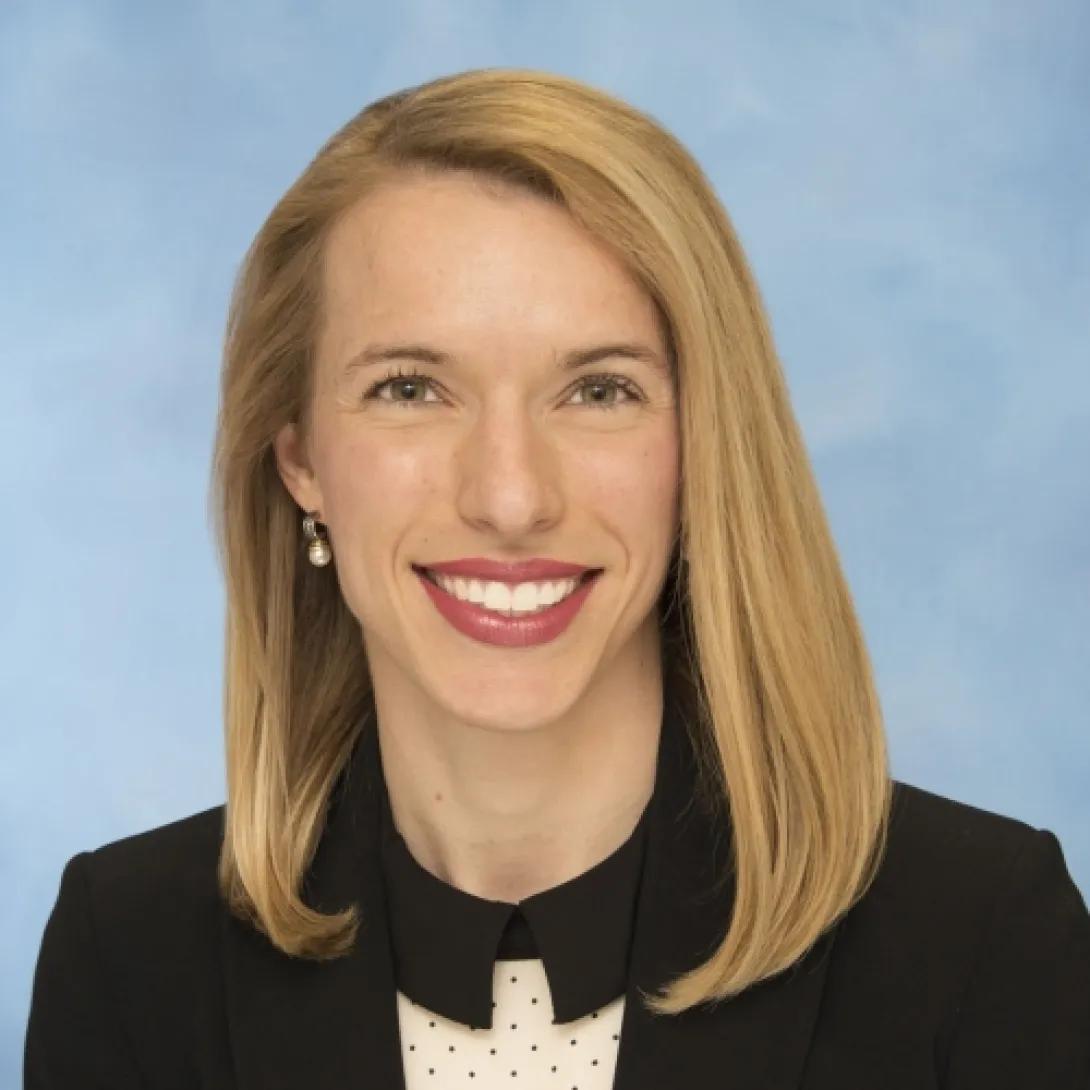
Emily Zambricki Stucken, MD
Clinical Associate Professor
Otology-Neurotology, Otolaryngology, Plastic Surgery-Head & Neck
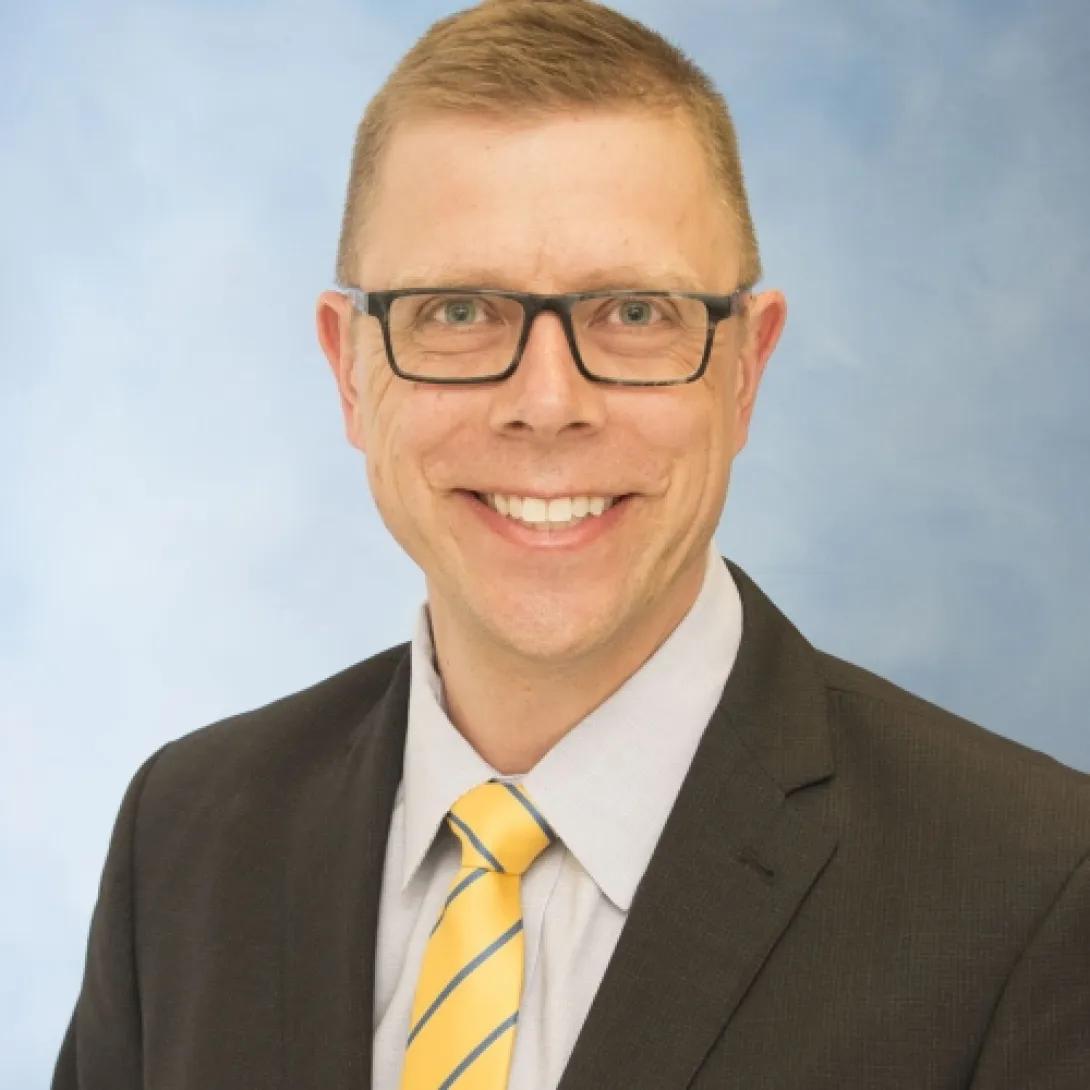
Marc Christian Thorne, MD
Clinical Professor
Pediatric Otolaryngology, Otolaryngology
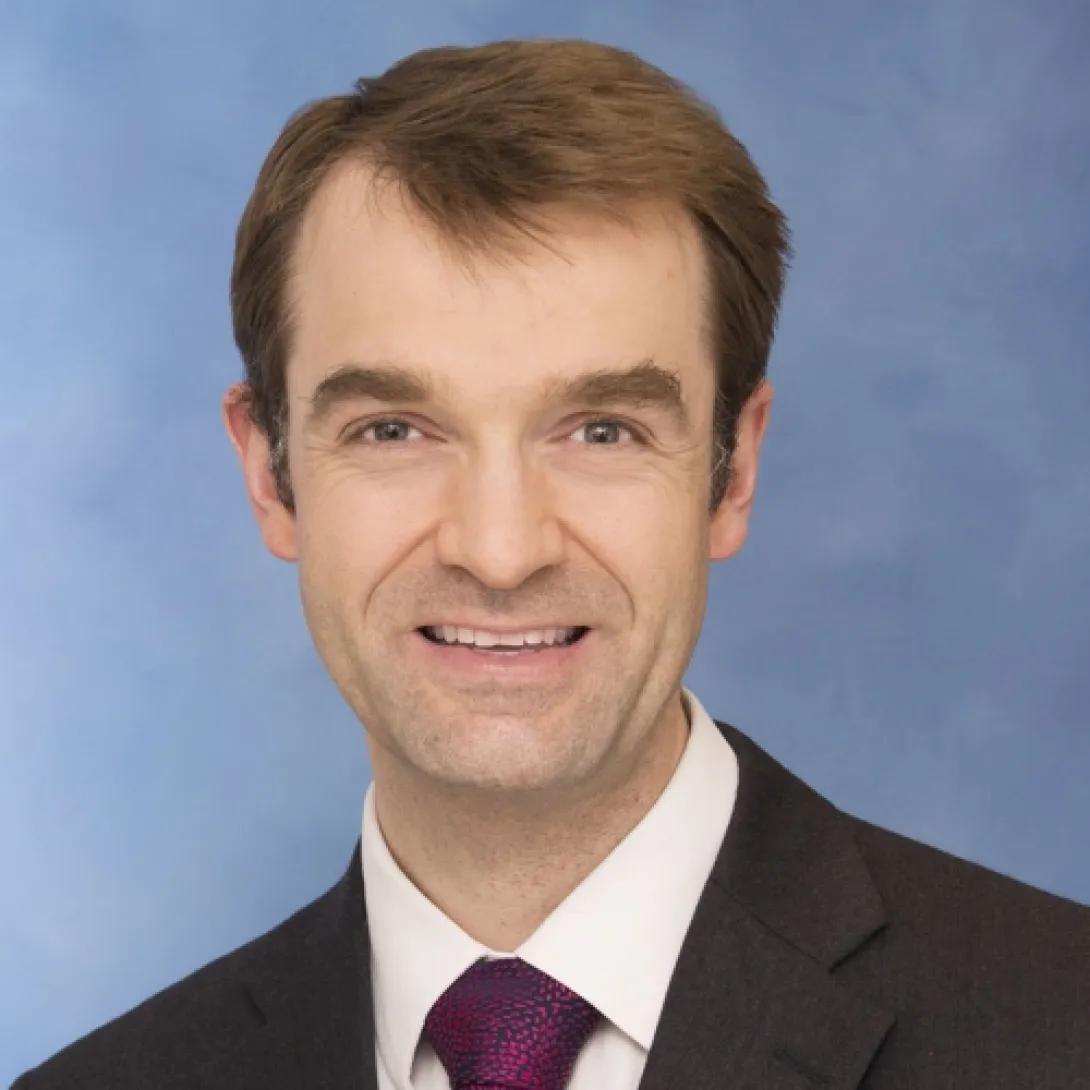
Christopher Michael Welch, MD
Clinical Assistant Professor
Otology-Neurotology, Otolaryngology
Providers
Natalie Anne Hayes, AuD
Audiologist
Audiology
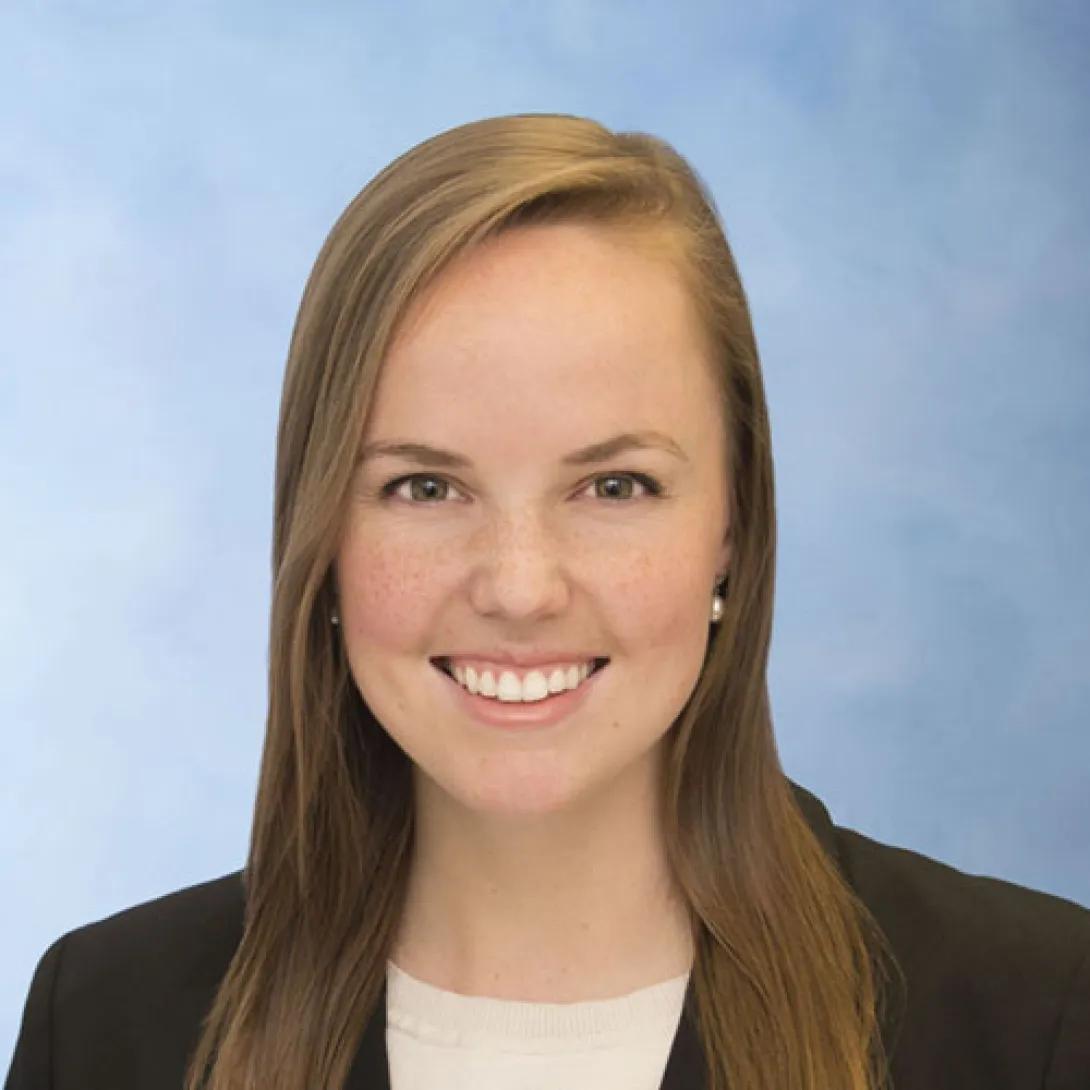
Rachel Fryatt Kooser, AuD
Audiologist
Audiology
Madalyn Jo Norton, AuD
Audiologist
Audiology
Amy Nicole Paoletti, AuD
Audiologist
Audiology
Casey Jean Stach, AuD
Audiologist
Audiology
Kristy Marie Winters, AuD
Audiologist
Audiology
News & Stories
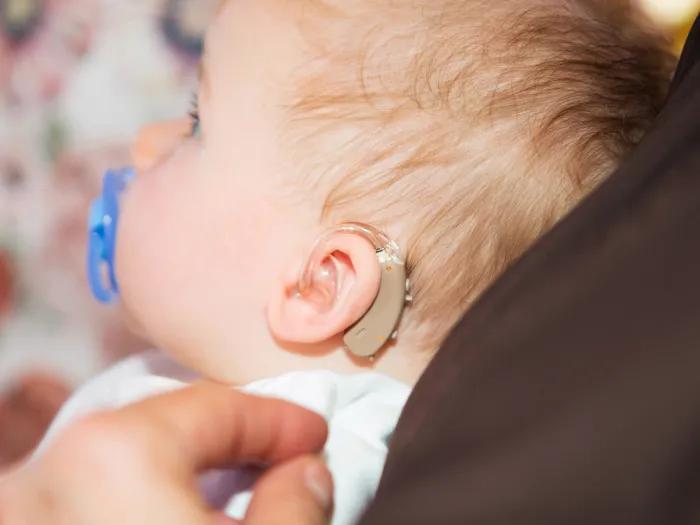
Research may help better predict outcomes in kids with congenital cytomegalovirus
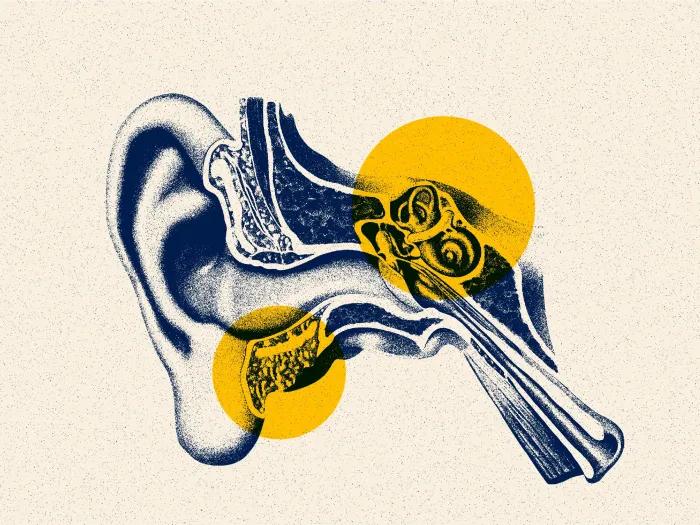
Human ability to focus on specific sounds not found to originate in auditory nerve, brainstem
The Link Between Hearing Loss and Cognitive Decline
Should you try Apple’s hearing aid app? An audiologist weighs in

Creating supranormal hearing in mice