
Breast Cancer Detection
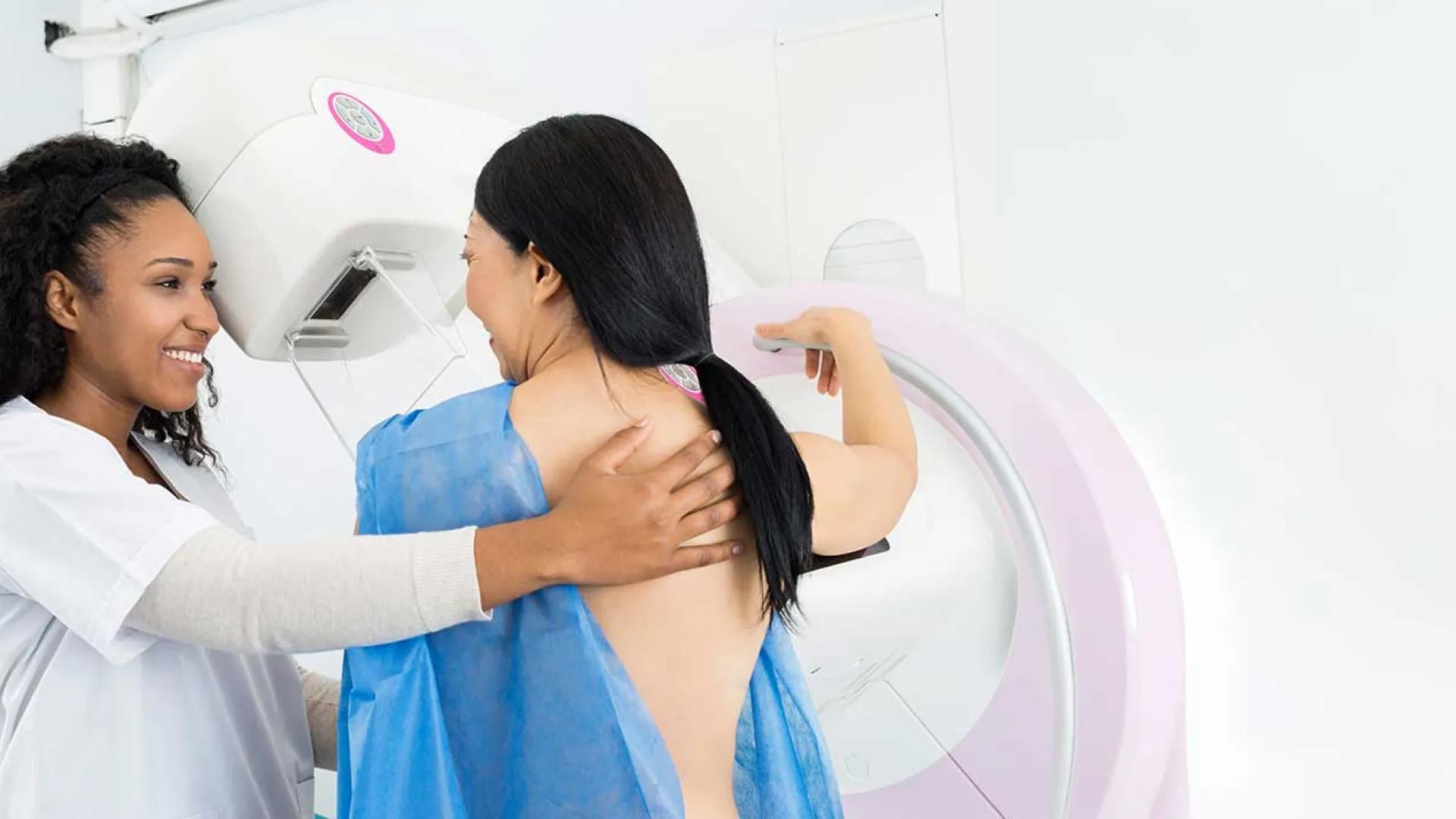
Early detection, through the use of screening methods, finds cancers early when they are most treatable.
Our Approach
Screening guidelines for breast cancer vary depending on your age, family history and other risk factors, such as genetic links to cancer. The Rogel Cancer Center follows guidelines set by the National Comprehensive Cancer Network (NCCN).
Breast cancer screening for average-risk women - Women ages 25 to 39
- Have a breast exam by your doctor every one to three years
- Pay attention to any changes to your breasts
- Ask your doctor for a breast cancer risk assessment
Women 40 and older
- Have a breast exam by your doctor every year
- Pay attention to any changes to your breasts
- Ask your doctor for an ongoing breast cancer risk assessment
- Have a screening mammogram annually
Women with increased risk
Women at increased risk for developing breast cancer may benefit from different screening recommendations that may start at a younger age or include other forms of imaging, such as breast MRI.
Women may be considered high-risk for the following reasons:
- Family history of breast cancer
- Breast Cancer Genetic Syndrome (BRCA1 or BRCA2)
- Personal history of a breast biopsy showing atypical cells or lobular carcinoma in situ (LCIS)
- Receiving radiation therapy to the chest at a young age (for treatment of Lymphoma, for example)
For more information about breast cancer screening -- including guidelines for women at high-risk -- please call the Rogel Cancer AnswerLine at 800-865-1125.
Appointment Information
Discuss with your doctor concerns you may have around breast cancer screening – and share if you have a family history of cancer – so you can decide when it is best for you to begin. If your doctor already has recommended you to schedule a screening, call 734-936-4500.
Resources
The U-M Health Rogel Cancer Center's Weiser Family Center for Breast Cancer enhances lives through early detection, personalized treatment, and survivorship support, while advancing research, education, and advocacy. Learn more about our:
- Breast Care Services
- Breast & Ovarian Cancer Risk Evaluation Program
- Cancer Genetics & Breast Health Program
You can also call Cancer AnswerLine at 800-865-1125 with any breast cancer risk or screening questions.
