Aortic Endocarditis
Aortic Endocarditis
What is aortic endocarditis?
Aortic endocarditis is an infection of the inner lining of the aortic valve in the heart. It can be caused by bacteria that enter the bloodstream and attach to the heart valve, causing inflammation and damage. Artificial or damaged heart valves or other heart defects can make you more susceptible to endocarditis.
What are the causes of aortic endocarditis?
Some common causes of aortic endocarditis include:
- Bacterial infections, such as streptococci, staphylococci, and enterococci
- IV drug use, sharing needles and other equipment
- Previous heart surgery, a congenital heart defect, or a damaged or artificial valve
- Bloodstream infections such as pneumonia, urinary tract infections, or skin infections
Risk factors for aortic endocarditis include:
- Previous endocarditis
- Heart valve disease
- A weakened immune system
- Chronic illnesses, such as diabetes or cancer
- Aging
It's important to seek prompt medical attention if you suspect you may have aortic endocarditis, as it can be life-threatening if not treated promptly and effectively.
Appointment Information
To schedule an evaluation with a Frankel Cardiovascular Center physician, call 888-287-1082. Or visit the Make a Cardiovascular Appointment page.
Physicians: To refer a patient, call M-Line at 800-962-3555.
What are the symptoms of aortic endocarditis?
Common symptoms of endocarditis include:
- Aching joints and muscles
- Chest pain when you breathe
- Fatigue
- Flu-like symptoms, such as fever and chills
- Night sweats
- Shortness of breath
- Swelling in the feet, legs or belly
- A new or changed whooshing sound in the heart (murmur)
Less common endocarditis symptoms can include:
- Unexplained weight loss
- Blood in the urine
- Tenderness under the left rib cage (spleen)
- Painless red, purple or brown flat spots on the soles bottom of the feet or the palms of the hands (Janeway lesions)
- Painful red or purple bumps or patches of darkened skin (hyperpigmented) on the tips of the fingers or toes (Osler nodes)
- Tiny purple, red or brown round spots on the skin (petechiae), in the whites of the eyes or inside the mouth
How is aortic endocarditis diagnosed?
Aortic endocarditis can be difficult to diagnose because its symptoms can be similar to those of other conditions. To diagnose aortic endocarditis, your doctor will usually perform a combination of the following tests:
- Physical examination: Your doctor will listen to your heart and check for signs of a fever, heart murmur, or other symptoms.
- Blood tests and blood cultures to check for an infection, inflammation, or anemia.
- Echocardiogram: An ultrasound of the heart which provides images of the heart chambers and valves to look for signs of damage or inflammation.
- Electrocardiogram (ECG): A test that records the electrical activity of the heart to check for abnormalities.
- Chest X-ray: To check for any fluid buildup in the lungs or changes in the size and shape of the heart.
- CT scan or MRI: Shows detailed images of the heart and blood vessels to check for damage to the aortic valve.
In some cases, a doctor may need to take a blood or heart tissue sample (biopsy) to confirm the diagnosis.
How is aortic endocarditis treated?
Treatment of aortic endocarditis typically involves a combination of antibiotics and, in some cases, surgery. The goals of treatment are to:
- Eliminate the infection: Antibiotics are prescribed to kill the bacteria that is causing the infection and typically must be taken for four to six weeks.
- Repair or replace the damaged valve: In severe cases, surgery may be necessary to repair or replace the aortic valve if it has been seriously damaged.
- Prevent complications: Treatment is also aimed at preventing serious complications, such as heart failure, embolism (a blood clot that travels to another part of the body), and recurrent infections.
The treatment plan will depend on your specific case and overall health. In some cases, treatment may involve hospitalization and close monitoring. After treatment, it is important to follow up with your doctor regularly to monitor for any complications or recurrence.
The University of Michigan boasts a prominent infectious disease team that is readily available for consultation. Our approach is multidisciplinary and involves collaboration from various departments to effectively tackle infectious disease-related concerns.
Locations
-
Cardiac Surgery Clinic | Frankel Cardiovascular Center 1425 E Ann St
Floor 3 Reception C
Ann Arbor, MI 48109-5856Get Directions -
Cardiology Clinic | Frankel Cardiovascular Center 1425 E Ann St
Floor 3 Reception C
Ann Arbor, MI 48109-5856Get Directions
Doctors

Gorav Ailawadi, MD, MBA
Professor
Thoracic Surgery, Surgery

Geoffrey Douglas Barnes, MD, MSc
Associate Professor
Cardiovascular Disease, Internal Medicine

Kim Allen Eagle, MD, MACC
Professor
Cardiovascular Disease, Internal Medicine

James Barklow Froehlich, MD
Clinical Professor
Cardiovascular Disease, Internal Medicine

Shinichi Fukuhara, MD
Clinical Assistant Professor
Thoracic Surgery, Surgery

Barbara Hamilton, MD, MS
Clinical Assistant Professor
Thoracic Surgery, Cardiac Surgery

Robert Bruce Hawkins, MD, MSc
Assistant Professor
Thoracic Surgery

Marion Angelika Hofmann Bowman, MD
Clinical Professor
Cardiovascular Disease

Minhajuddin Syad Khaja, MD
Clinical Professor
Vascular & Interventional Radiology, Diagnostic Radiology, Interventional Radiology & Diagnostic Radiology

Xhorlina Marko, MD
Clinical Assistant Professor
Vascular & Interventional Radiology, Diagnostic Radiology



News & Stories

Young father survives aortic dissection after delayed diagnosis

Treating a rare coronary artery aneurysm without open heart surgery

A night of two national titles for U-M, as scientists and basketball players both triumph
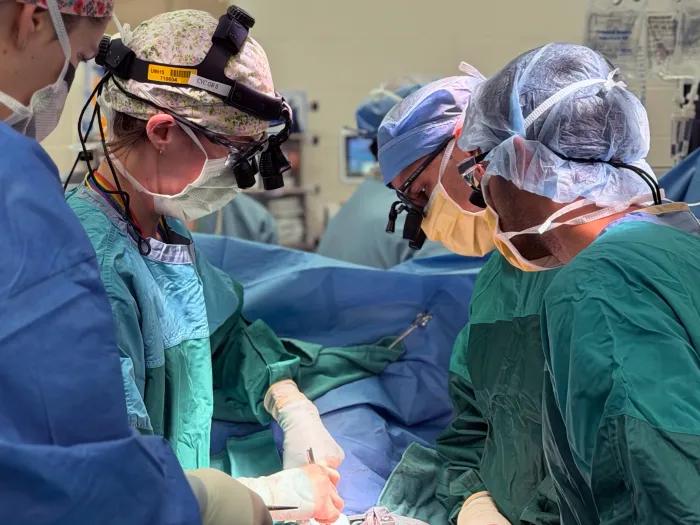
Failed TAVR? Heart surgeons explain TAVR explant, options and risks

Delays in Heart Surgery for Women due to One-Size-Fits-All Criteria