
Sclerotherapy
Sclerotherapy
What is sclerotherapy?
Sclerotherapy is a technique used to minimize or remove unwanted superficial blood vessels in the skin–usually “spider veins” on the legs. Sclerotherapy involves injections of a substance (usually a concentrated form of sterile salt water called hypertonic saline) that irritates the inner lining of the unwanted blood vessels and causes a decrease in diameter of the treated vessels. In many cases, the procedure ultimately results in clearance of the spider veins, typically after a series of treatments.
Appointment Information
At the Cosmetic Dermatology & Laser Center (CDLC), you will experience private and personalized care. Our physicians are board-certified dermatologists with an expert understanding of all skin types and aesthetic needs.
Learn more about the Cosmetic Dermatology & Laser Center
What can I expect with sclerotherapy?
Depending on the extent of the spider veins, many patients are asked to wear custom fit prescription strength support stockings for a couple of weeks after each treatment session in order to enhance results of the treatment.
What are the risks of sclerotherapy?
The risks of sclerotherapy include:
- Skin color changes along the treated vein.
- New spider veins.
- Itching, bruising, pain, and blistering where the veins were treated.
- Scarring from ulcers or death of the tissue around the treated vein (skin or fat necrosis). This can happen if sclerosant is injected outside a vein or if sclerosant escapes through the wall of a weakened vein.
- A mild or severe (anaphylactic) reaction to the sclerosant. (Severe reaction is very rare but can be life-threatening.)
- Blood clots or damage in the deep vein system.
Locations
-
Cosmetic Dermatology & Laser Center | Taubman Center 1500 E Medical Center Dr
Floor 1 Reception B
Ann Arbor, MI 48109-5314Get Directions
Doctors
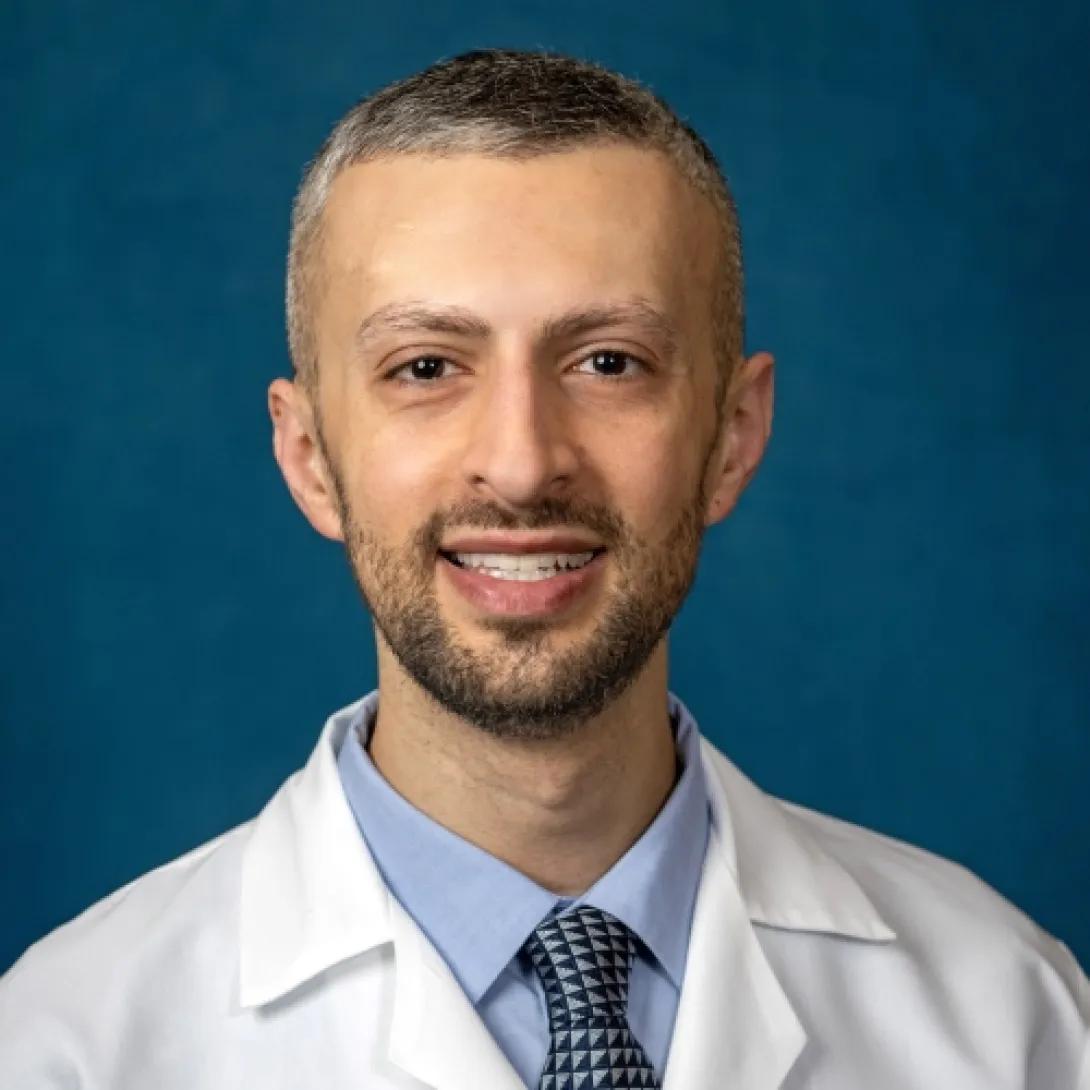
Milad Jalal Eshaq, MD
Clinical Associate Professor
MOHS Micrographic Surgery, Dermatology
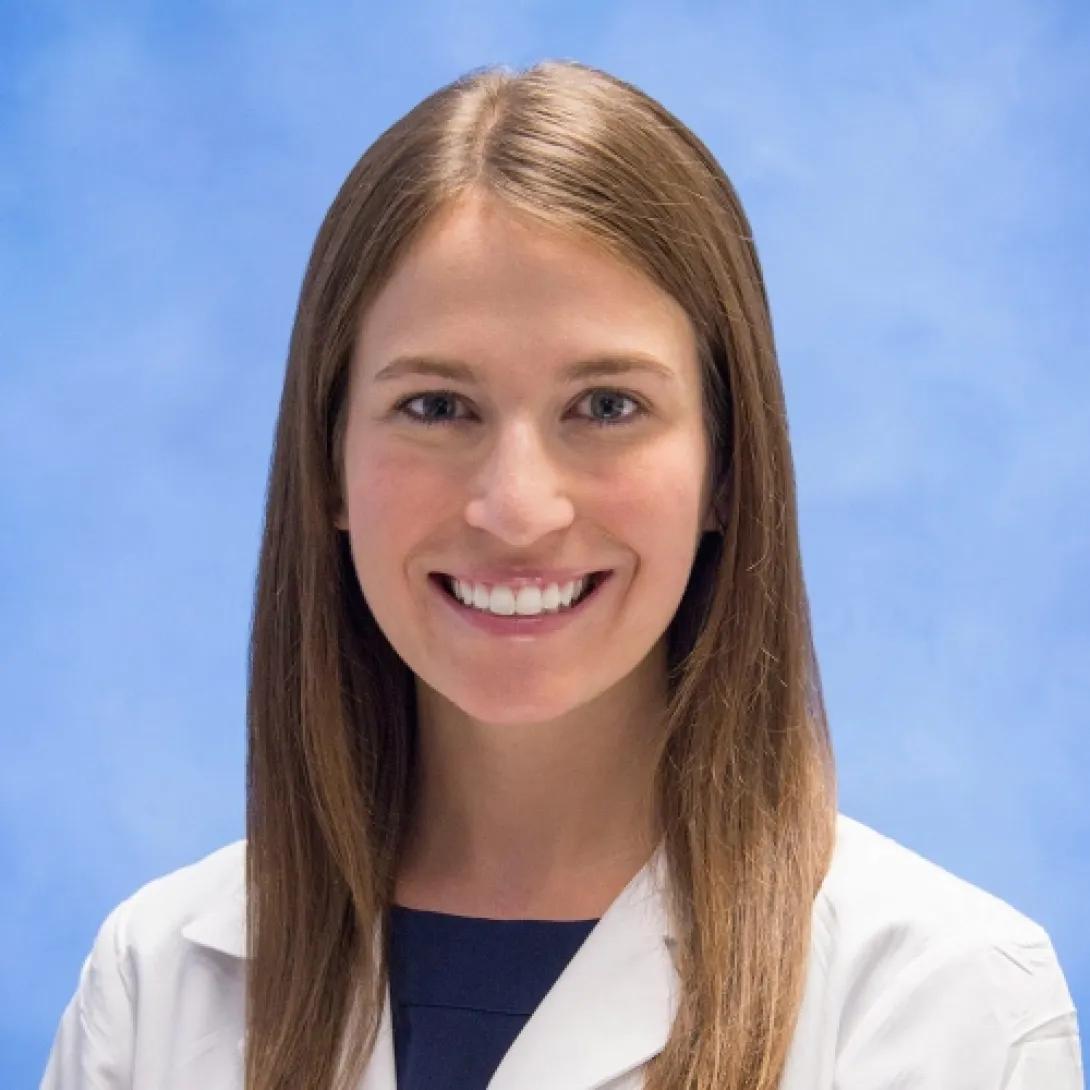
Jennifer Brescoll Mancuso, MD
Clinical Associate Professor
Pediatric Dermatology, Dermatology

Jeffrey Scott Orringer, MD
Clinical Professor
Dermatology
