Breast Cancer & Sexual Health
Breast Cancer & Sexual Health
Breast cancer and its treatments can significantly affect a woman’s sexual health and intimacy. Addressing these concerns is crucial for the overall well-being and quality of life of breast cancer survivors. Below is a comprehensive overview of how breast cancer can affect sexual health and what can be done to manage these challenges.
Impact of Breast Cancer and Its Treatments on Sexual Health
- Surgery:
- Mastectomy or Lumpectomy: These procedures can lead to changes in body image and self-esteem. Scarring, loss of a breast, or changes in breast shape can impact a woman's sense of femininity and attractiveness.
- Nerve Damage: Surgery can lead to loss of sensation in the breasts, which may affect sexual arousal and pleasure.
- Chemotherapy:
- Hormonal Changes: Chemotherapy can induce early menopause or disrupt menstrual cycles, leading to symptoms such as vaginal dryness, hot flashes, and decreased libido.
- Fatigue and Nausea: Side effects of chemotherapy can reduce energy and desire for sexual activity.
- Hair Loss and Skin Changes: These can affect body image and self-confidence.
- Radiation Therapy:
- Skin Changes and Fatigue: Radiation can cause skin irritation and fatigue, which may affect sexual comfort and desire.
- Nerve Damage: Similar to surgery, radiation can lead to changes in sensation.
- Hormone Therapy:
- Vaginal Dryness and Atrophy: Hormone therapies like tamoxifen, aromatase inhibitors, or ovarian suppression treatments can lead to vaginal dryness, atrophy, and discomfort during intercourse.
- Mood Changes: These therapies can also contribute to mood swings, anxiety, and depression, which can affect sexual desire and intimacy.
Addressing Sexual Health Concerns
- Communication:
- Open Dialogue: Encourage open communication with partners about changes in sexual health and emotional well-being. Honest conversations can help rebuild intimacy and find new ways of experiencing pleasure.
- Professional Support: Consulting a mental health professional, sex therapist, or counselor can be beneficial for managing emotional and psychological impacts on sexual health.
- Medical and Therapeutic Interventions:
- Lubricants and Moisturizers: Using water-based or silicone-based lubricants can help reduce vaginal dryness and pain during intercourse.
- Vaginal Estrogen: Low-dose vaginal estrogen creams, tablets, or rings may be prescribed to alleviate dryness and atrophy. Discuss with your oncologist, as hormone-sensitive cancers require careful consideration.
- Pelvic Floor Physical Therapy: Specialized physical therapy can help improve pelvic floor function and alleviate pain during intercourse.
- Lifestyle and Behavioral Strategies:
- Exercise: Regular physical activity can help increase energy levels, improve mood, and boost self-esteem.
- Healthy Diet: Maintaining a balanced diet can support overall health and energy levels.
- Stress Management: Techniques like yoga, meditation, and mindfulness can help reduce stress and improve emotional well-being.
- Body Image and Self-Esteem:
- Support Groups: Joining support groups for breast cancer survivors can provide emotional support and practical advice.
- Reconstructive Surgery: Considering breast reconstruction or prosthesis can help some women regain confidence in their body image.
- Self-Compassion: Practicing self-compassion and focusing on self-care can foster a positive body image and self-acceptance.
- Partner Support and Intimacy:
- Intimacy Without Intercourse: Exploring non-sexual forms of intimacy, such as cuddling, kissing, and massage, can help maintain a close connection with a partner.
- Educating Partners: Partners may benefit from understanding the physical and emotional changes associated with breast cancer, fostering empathy and support.
Professional Resources
- Oncologists: Discuss any concerns or symptoms related to sexual health with your cancer care team. They can provide guidance and referrals to specialists.
- Gynecologists: Offer support for managing menopause symptoms, vaginal health, and other gynecological concerns related to breast cancer treatments.
- Sex Therapists: Specialize in addressing sexual health issues and can provide strategies to adapt sexual practices and improve intimacy.
- Michigan Medicine Sexual Wellness Program: Designed to address various aspects of sexual health and provide comprehensive care and support. The program aims to assist individuals experiencing sexual health concerns.
Sexual health is an important aspect of overall well-being and quality of life for breast cancer survivors. At the Weiser Family Center for Breast Cancer, we understand addressing these issues requires open communication with healthcare providers and partners, as well as being proactive in seeking support and exploring medical and therapeutic options.
Patient Resources
The psychosocial impacts of breast cancer are profound and multifaceted, necessitating a comprehensive approach to care that addresses emotional, psychological, and social needs. At the Weiser Family Center for Breast Cancer, we understand by leveraging a range of support services and resources, breast cancer patients can better cope with their diagnosis, treatment, and post-treatment phases, enhancing their overall quality of life.
For more specific information on symptoms, diagnosis and treatment information, please visit the following pages on the different types of breast cancer:
- Ductal Carcinoma in Situ
- Inflammatory Breast Cancer
- Invasive Ductal Carcinoma (IDC)
- Invasive Lobular Carcinoma (ILC)
- Male Breast Cancer
- Hereditary Breast Cancer
- Metastatic Breast Cancer
- Tumor Receptors & Breast Cancer
- Aromatase Inhibitors Musculoskeletal Symptoms (AIMSS)
- Breast Cancer & Young Women
- Breast Cancer & Older Adults
Visit our online library
Lumpectomy & Axillary Surgery: A Patient Care Guide for Before and After Surgery
Lumpectomy & Sentinel Lymph Node Biopsy: A Patient Care Guide for Before and After Surgery
Mastectomy: A Patient Care Guide for Before and After Surgery
Mastectomy & Axillary Surgery: A Patient Care Guide for Before and After Surgery
Related services offered by U-M Health:
News & Stories
New oral nanomedicine boosts effectiveness of cancer immunotherapies

Heart transplant gives 10-year-old cancer survivor new life

5-year survival rate has increased for all cancers, according to American Cancer Society

Breast cancer patient encourages women to commit to their health
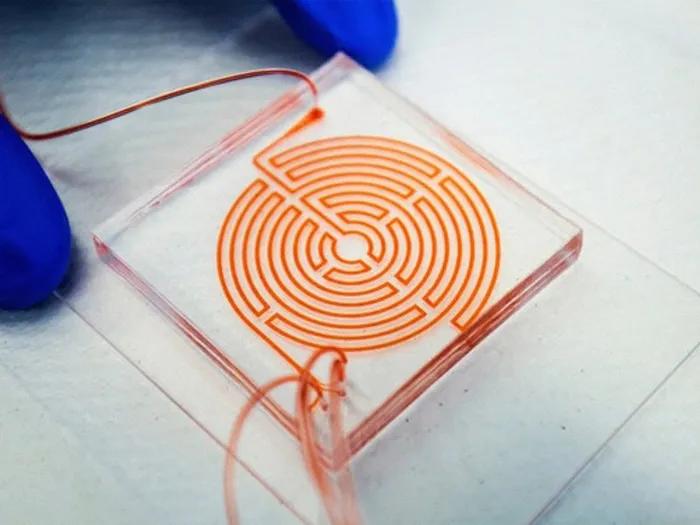
Capturing cancer cells from blood could help doctors choose the right breast cancer treatment