Bile Duct Leaks
Bile Duct Leaks
What are bile duct leaks?
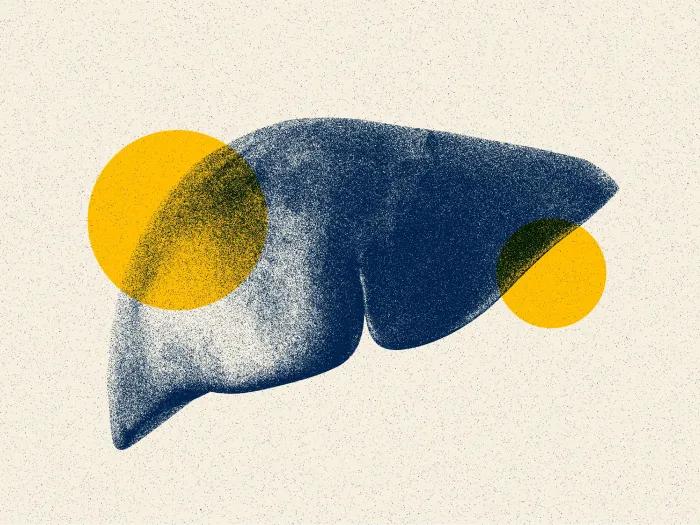
A small hole anywhere along the bile ducts can cause bile to leak into the abdominal cavity. A bile duct leak can arise either as a complication of a surgery, such as gallbladder removal or liver transplant, or from trauma to the biliary system. Bile is a digestive fluid produced by the liver and stored in the gallbladder, and is used by the body to break down fats so they can be absorbed. The biliary system—which includes the gallbladder and bile ducts—produces and transports bile into the duodenum (the first part of the small intestine) to aid in digestion. A bile duct leak can cause pain, inflammation and infection in the abdominal cavity where the bile has leaked.
Our Approach
Our multidisciplinary team provides the newest minimally invasive treatments for bile duct leaks. These treatments are not widely available, and are performed by experienced gastroenterologists with high volumes in these procedures.
Appointment Information
To schedule an appointment to discuss your need for bile duct stone treatment, call us at 888-229-7408.
What are the symptoms of a bile duct leak?
- Severe abdominal pain
- Nausea
- Vomiting
- Fever
- Jaundice
How is a bile duct leak diagnosed?
To diagnose a bile duct leak, we begin with a comprehensive exam and collecting a thorough history. Blood work is typically ordered to look at issues including elevated liver enzymes.
A biliary study called a hepatobiliary (HIDA) scan may be ordered. A HIDA scan shows the flow of bile from the liver to the small intestine. To perform this test, a radioactive tracer is injected into a vein in the arm and then a special camera takes pictures of the tracer as it moves through the bile ducts.
A leak can also be diagnosed by using a needle to remove a small amount of abdominal fluid. If the fluid contains bile, then a bile duct leak is confirmed.
How is a bile duct leak treated?
Our standard treatment for a bile duct leak is an endoscopic retrograde cholangiopancreatography (ERCP) with placement of a temporary bile duct stent (which looks like a plastic straw).
An endoscopic retrograde cholangiopancreatography is a minimally invasive procedure that combines x-ray and upper endoscopy—an exam of the upper gastrointestinal tract, consisting of the esophagus, stomach, and duodenum (the first part of the small intestine)—using an endoscope, which is a lighted, flexible tube, about the thickness of a finger. The doctor passes the tube through the mouth and into the stomach, then injects a contrast dye into the ducts to view the bile ducts, which can be seen on x-ray. Special tools can be guided through the endoscope to insert a stent to stop the leak.
Patients can typically go home same day, once their sedation wears off.
Locations
-
Gastroenterology Clinic | Taubman Center 1500 E Medical Center Dr
Floor 3 Reception D
Ann Arbor, MI 48109-2435Get Directions
News & Stories
Identifying avoidant, restrictive food intake disorder in gastroenterology patients

As probiotic use surges, microbiome-supportive food consumption stagnates

How gastroenterology nutrition therapy has evolved
IBS treatment response predicted by gut microbiome in new study
Understanding esophageal cancer