
Endocrine Tumor Syndromes
Endocrine Tumor Syndromes
What are endocrine tumor syndromes?
Endocrine tumor syndromes are caused by genetic mutations that can be passed on in families from generation to generation. Some types of neuroendocrine tumors are found much more frequently in patients with these genetic mutations. Genetic testing can help identify and treat patients and their families and can prevent complications from advanced neuroendocrine tumors. The most common familial neuroendocrine syndromes are outlined below with their respective genetic mutations and the types of tumors found in these patients.
Types of Endocrine Tumor Syndromes
MEN1 is a genetic mutation of the menin gene which plays a role in suppressing tumor formation. Patients with MEN1 are at increased risk for developing pituitary tumors, pancreatic neuroendocrine tumors and hyperparathyroidism.
- Multiple Endocrine Neoplasia Type 2a (MEN2a)
MEN2a is a genetic mutation of the RET protooncogene which increases a patient's risk for developing medullary thyroid cancer, hyperparathyroidism and pheochromocytoma - Multiple Endocrine Neoplasia Type 2b (MEN2b)
MEN2b is also a genetic mutation of the RET protooncogene which increases a patient's risk for developing medullary thyroid cancer at a very young age, pheochromocytoma and mucosal neuromas of the lips, tongue and eyelids. - Familial Medullary Thyroid Cancer (FMTC)
FMTC is also caused by a mutation in the RET gene. Families will have several family members affected with a rare thyroid tumor called medullary thyroid cancer. Because medullary thyroid cancer is rare and often caused by mutations in the RET gene, everybody with this diagnosis should discuss genetic testing for the inherited condition.
Succinate dehydrogenase (SDH) is an enzyme which is important for the metabolic function of mitochondria. Patients with mutations of these genes have increased risk of pheochromocytomas, paragangliomas, stomach tumors and kidney tumors.
Von Hippel Lindau disease (VHL) is a hereditary genetic condition and patients carry a mutation in the VHL gene, which predisposes them to develop several different tumors. Patients with VHL are at a higher risk to develop central nervous and retinal hemangioblastomas, pheochromocytomas, renal cell cancers, pancreatic neuroendocrine tumors and tumors of the inner ear.
As these tumors develop over the life time of a patient, anybody carrying the diagnosis of VHL or having a mutation in the VHL gene will need life-long surveillance to diagnose these tumors early, so they can be easily treated (e.g surgery). The VHL family alliance (please link out) has put forward very detailed information on VHL and recommended screening.
How are endocrine tumor syndromes diagnosed?
The diagnosis of a syndromes requires blood and urine tests as well as imaging studies which often include a CT scan.
Depending on the location of the tumor and whether the tumor has spread throughout the body, treatment options can include medication treatment and/or surgical removal of the tumor.
Due to the genetic nature of these syndromes, family diagnosis, surveillance and follow-up visits are offered through the Cancer Genetics Clinc at the UM Health.
This clinic is specialized in the care and surveillance of families with other related conditions predisposing to pheochromocytomas and paragangliomas (Multiple Endocrine Neoplasia Type2, Neurofibromatosis Type 1 and Hereditary Paraganglioma syndrome), von Hippel-Lindau disease, renal cell cancers (Hereditary Leiomyomatosis and Renal Cell Cancer, Birt-Hogg-Dube etc.) and neuroendocrine tumors (Multiple Endocrine Neoplasia Type 1).
Appointment Information
We offer diagnosis and treatment for those with endocrine tumor syndromes through our Endocrine Oncology Program. For those with von Hippel Lindau Disease, we have the VHL Comprehensive Clinical Care Center.
If you have been diagnosed, or suspect you one of these syndromes, patients, please call 734-647-8902.
Healthcare professionals, please contact our M-LINE service: 800-962-3555.
How are endocrine tumor syndromes treated?
Patients and their families who have been diagnosed with endocrine tumor syndromes require care across several different medical specialties including genetics, medicine, surgery, oncology and radiology. The multidisciplinary approach of the Multidisciplinary Endocrine Tumor Clinic at the University of Michigan can address all aspects of care to provide the most innovative and technologically advanced care available.
In addition, U-M Health is a designated Comprehensive Clinical Care Center for VHL by the von Hippel-Lindau Family Alliance.
Locations
-
Endocrine Oncology Clinic | Rogel Cancer Center 1500 E Medical Center Dr
Floor B1 Reception A
Ann Arbor, MI 48109-5911Get Directions
Doctors

Tobias Else, MD
Associate Professor
Endocrinology, Internal Medicine

Paul Glenn Gauger, MD
Professor
Surgery, Surgical Critical Care
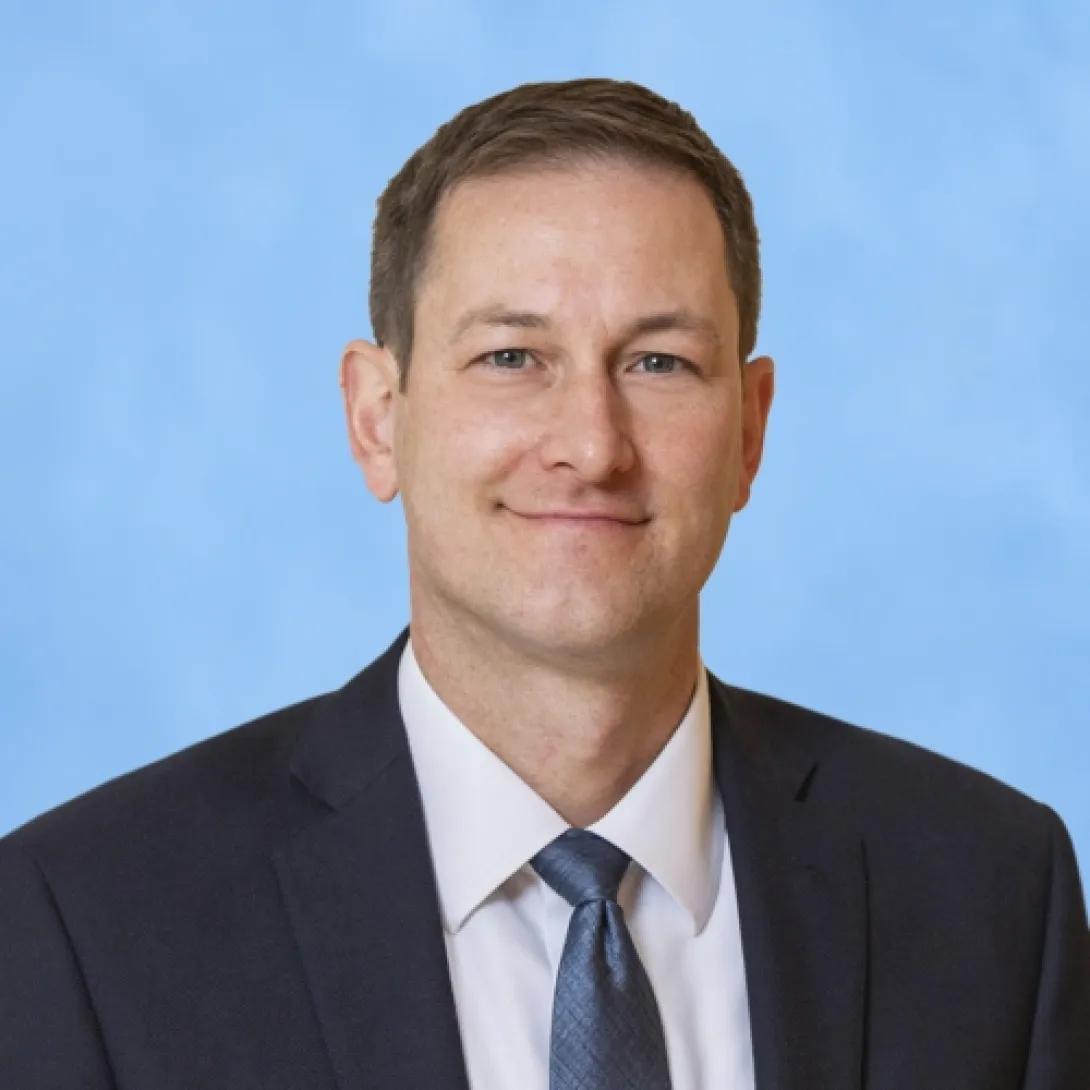
David Thomas Hughes, MD
Clinical Professor
Surgery
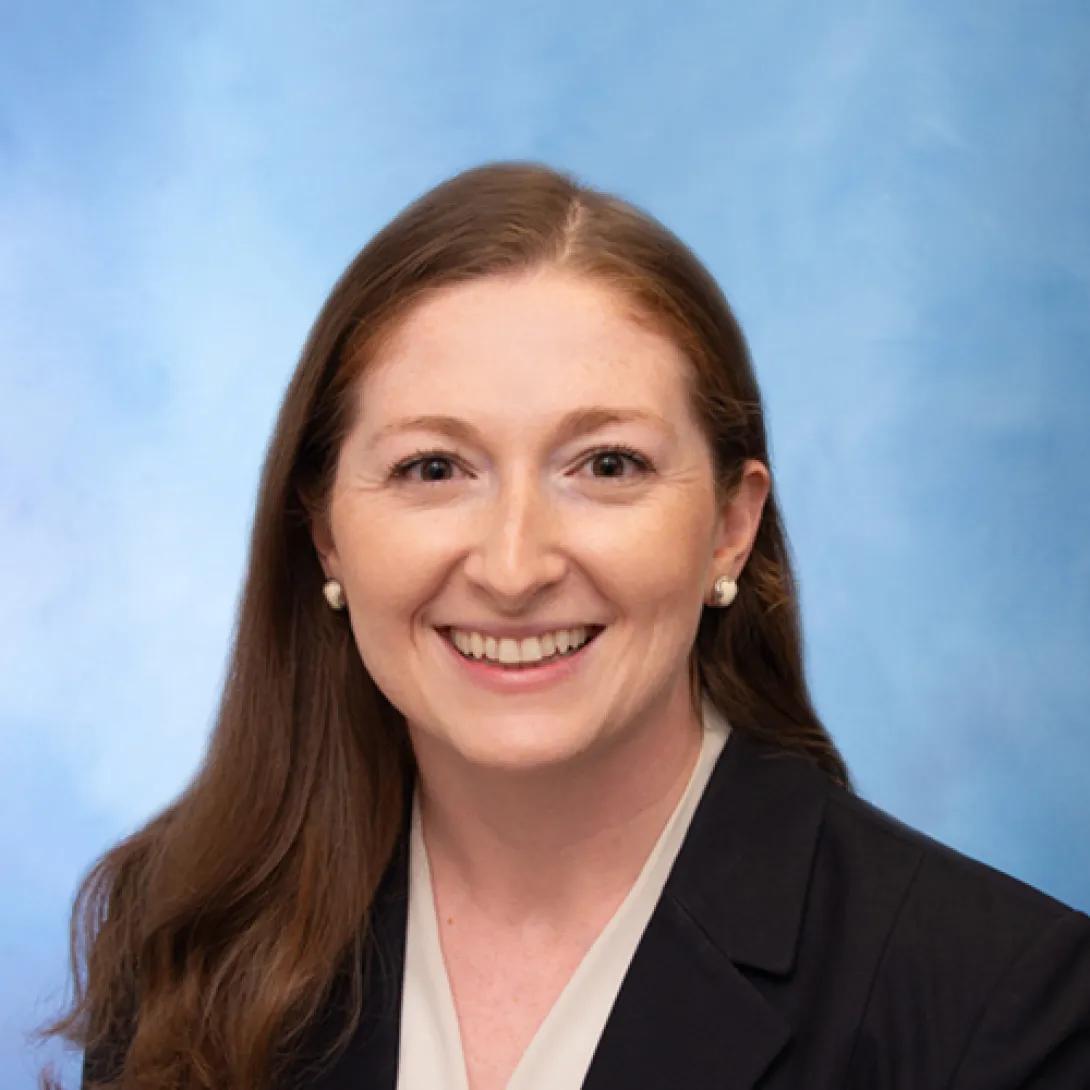
Lauren Krumeich, MD, MS, FACS
Assistant Professor
Surgery
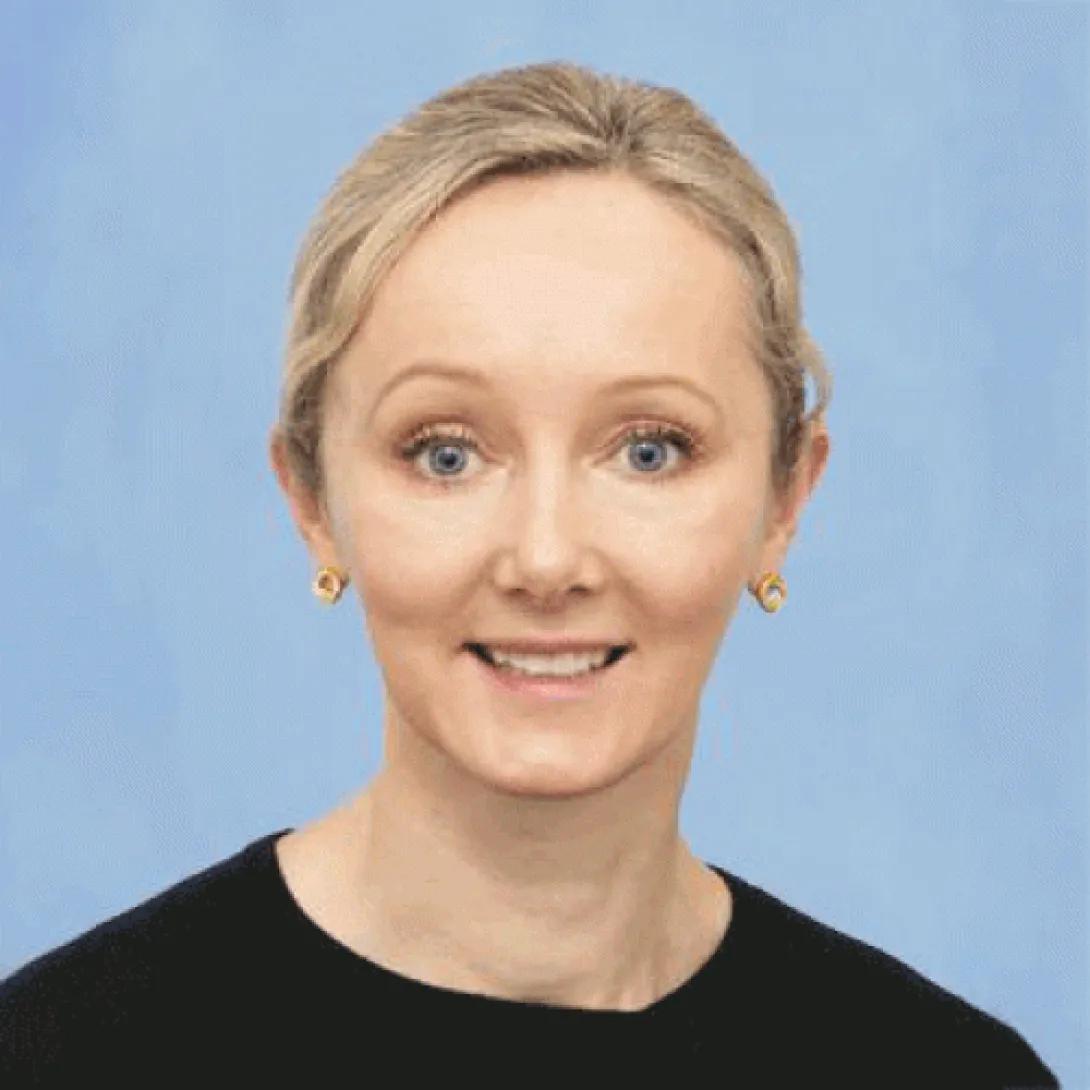
Susan Clare Pitt, MD
Associate Professor
Surgery
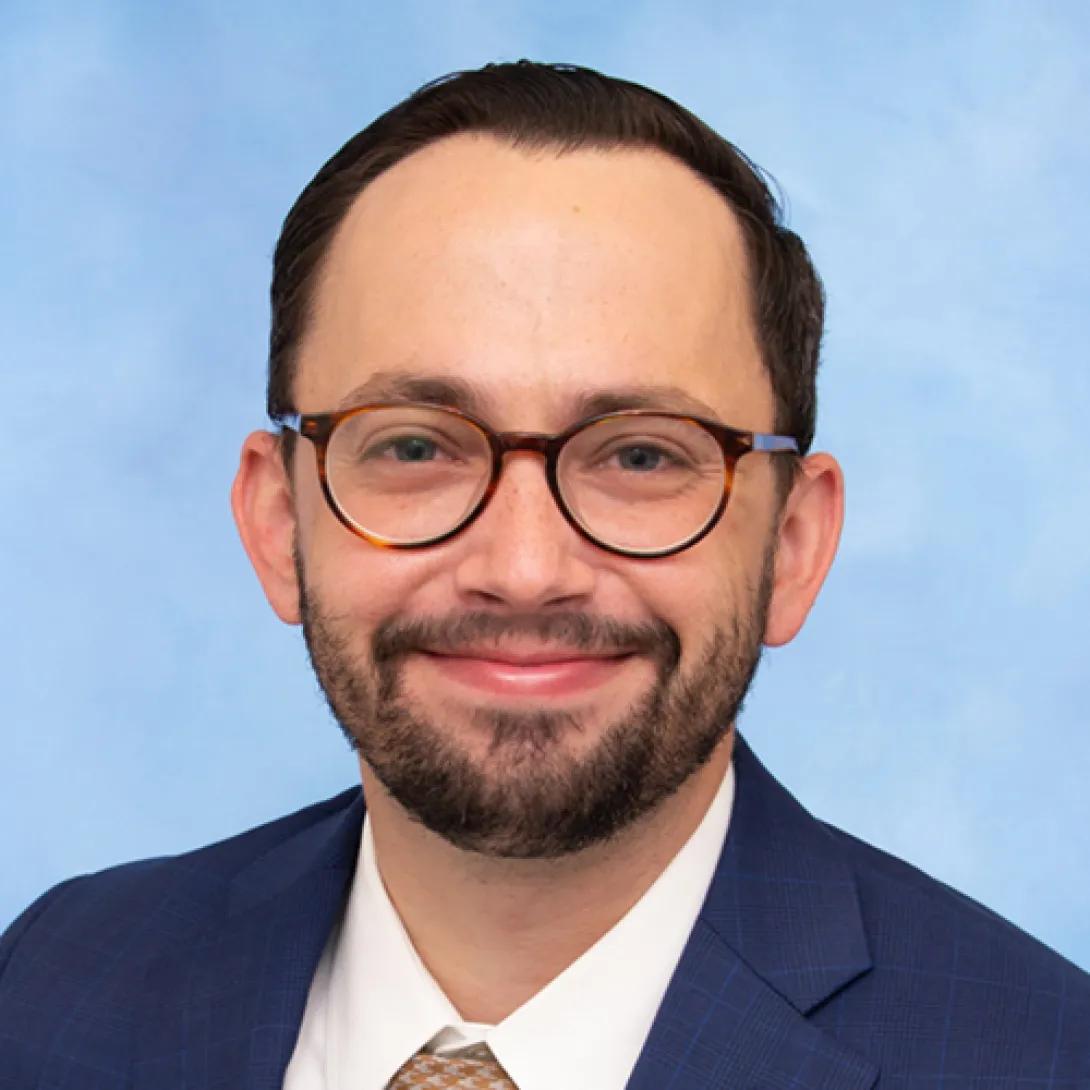
Hunter J Underwood, MD
Assistant Professor
Surgery
Providers

Elizabeth A Hesseltine, NP
Advanced Practice Nurse
Nurse Practitioner
