Eczema (Atopic Dermatitis)
Eczema (Atopic Dermatitis)
What is eczema?
Eczema, also known as atopic dermatitis, is a chronic inflammatory skin condition characterized by itchy, red, and inflamed skin. It is a common condition - particularly in children. While it can improve over time, it's often a long-lasting disease. There are several types of eczema.
What causes eczema (atopic dermatitis)?
The cause of eczema isn't clear, but it involves a problem with the skin's ability to hold in moisture. Most people who have it have a personal or family history of allergies and asthma. It can be triggered by harsh soaps, temperature changes, and stress.
Appointment Information
To make an appointment for eczema (atopic dermatitis), call 734-936-4054.
What are the symptoms of eczema (atopic dermatitis)?
Eczema starts with dry skin that is often very itchy. Scratching causes the dry skin to become irritated. Tiny bumps that look like little blisters may appear and ooze fluid or crust over. This can happen when the skin is rubbed or scratched or if a skin infection is present.
These symptoms may come and go. Over time, a recurring rash can become tough and thick from constant scratching.
Eczema may be mild, moderate, or severe. How much your symptoms affect you will depend on how much of your skin has a rash and how itchy it is. It also depends on how much the eczema affects your daily activities, sleep, and well-being.
The areas most often affected are the face, scalp, neck, arms, and legs. The rash is also common in areas that bend, such as the back of the knees and the inside of the elbows.
How is eczema (atopic dermatitis) diagnosed?
A doctor can usually tell if you have eczema by doing an exam and asking questions about your health. You may also be asked about your family health history. Sometimes a skin biopsy or allergy testing is recommended.
How is eczema (atopic dermatitis) treated?
Eczema is usually treated with medicines that are put on your skin (topical medicines). Gentle skin care, including using plenty of moisturizer, is also important. Early medical treatment may keep your symptoms from getting worse. If the topical medicines don't help, your doctor may prescribe other treatments, such as pills, phototherapy, or injections.
How can you care for yourself when you have eczema (atopic dermatitis)?
- Use moisturizer at least twice a day.
- If your doctor prescribes a cream, use it as directed. If your doctor prescribes other medicine, take it exactly as directed.
- Wash the affected area with warm (not hot) water only. Soap can make dryness and itching worse. Pat dry.
- Apply a moisturizer after washing your hands or after bathing. Use petroleum jelly or a cream such as Cetaphil, Lubriderm, or Moisturel that does not irritate the skin or cause a rash. Apply the cream while your skin is still damp after lightly drying with a towel.
- Use cold, wet cloths to reduce itching.
- Keep cool, and stay out of the sun.
- If itching affects your sleep, ask your doctor if you can take an antihistamine that might reduce itching and make you sleepy, such as diphenhydramine (Benadryl). Be safe with medicines. Read and follow all instructions on the label.
- Control scratching. Keep your fingernails trimmed and smooth to prevent damage to the skin when you scratch it. Wearing cotton mittens or gloves can help you stop scratching.
- Try to avoid things that trigger your rash. These may include things like allergens, such as pollen or animal dander. Harsh soaps, scratchy clothes, and stress are other examples.
News & Stories
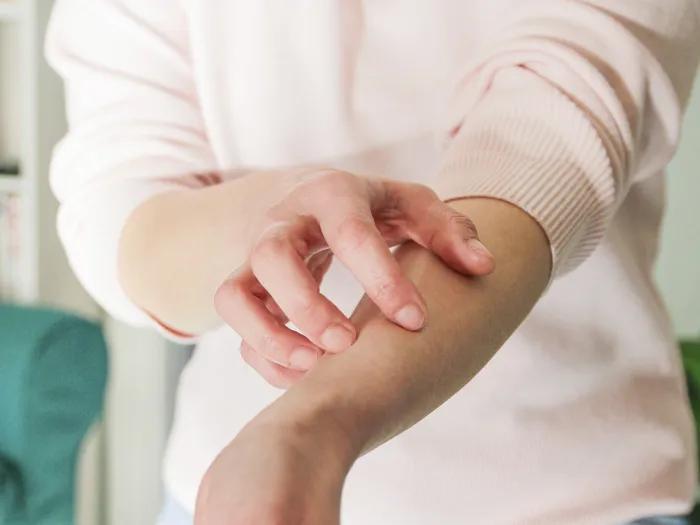
A metabolic “switch” that could help reset scar-producing cells in scleroderma

Researchers identify a potential “Achilles heel” of psoriasis
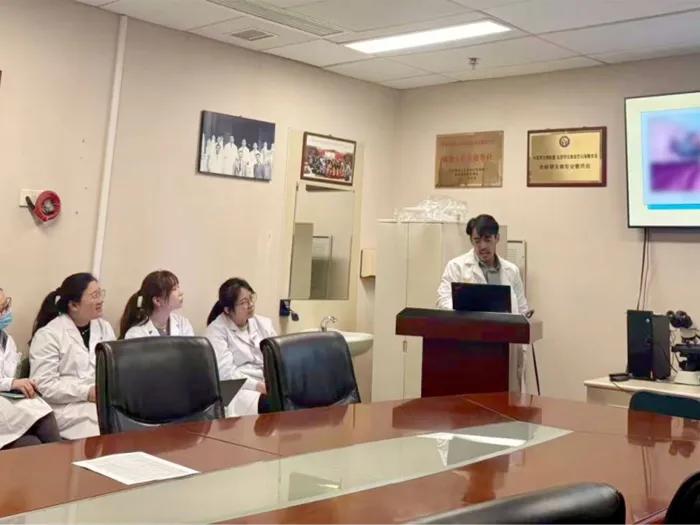
Dermatology resident’s China rotation highlights value of global training

New study hints at cause of pachyonychia congenita and a long-awaited potential treatment
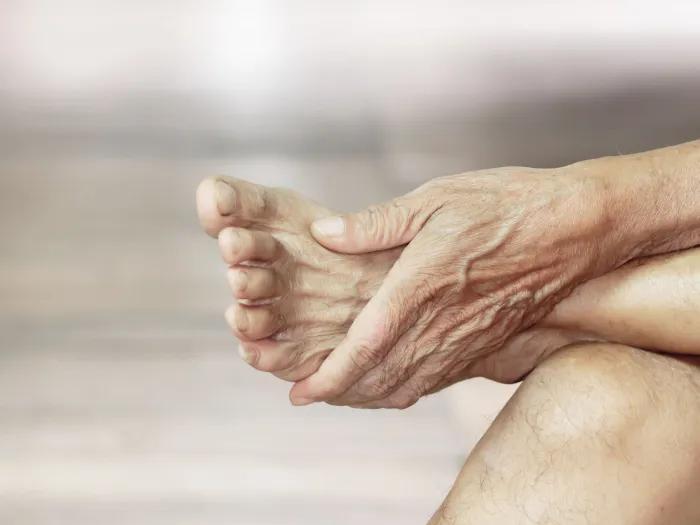
New study hints at the cause of a painful skin condition—and at a long-awaited potential treatment