Elbow Fractures
Elbow Fractures
What are elbow fractures?
The elbow is a joint between the upper arm and forearm. It is made up of three bones: the humerus in the upper arm, and the ulna and radius in the forearm. A fracture occurs when there is enough force on the elbow to break any of these bones.
University of Michigan Health is a leading provider in the treatment of elbow fractures, from simple to complex. Our fellowship trained orthopaedic surgeons specialize in hand, wrist, and elbow surgery. Our goal is to restore mobility and function of the elbow as soon as possible with minimal impact on the patient’s quality of life.
Risk Factors for Elbow Fractures
There are several risk factors that cause elbow fractures:
- Falling onto an outstretched arm, especially from a standing position
- Direct impact to the elbow
- Twisting injury to the arm
Our Approach
Our team of specialists at the Comprehensive Hand Center is dedicated to providing comprehensive care for a variety of hand problems. From arthritis injuries, to congenital hand conditions, to the most complex reconstruction, our hand specialists approach each case individually, with a specific plan designed to maximize the restoration of both form and function. Depending on the types of hand conditions our patients face, our physicians will help determine the best therapies or procedures to maximize hand functionality and normal hand appearances. Visit the Comprehensive Hand Center page to learn more about the program and to contact our hand specialists.
Sports Medicine at U-M Health
Do you have a sports injury that's affecting your performance or ability to play? Learn more about our sports medicine care and how to make an appointment with one of our experts.
Appointment Information
If you are considering treatment for an elbow fracture, U-M Health hand surgeons will guide you, from consultation to recovery, to the best procedures for your individual needs. Our hand surgeons have dual appointments in Orthopaedic and Plastic Surgery with a specialization in Hand. Patients may be seen in the Orthopaedic Clinic for treatment of elbow conditions.
- Orthopaedic Call Center: 734-936-5780
What are the symptoms of elbow fractures?
An elbow fracture should be evaluated for immediate treatment. Common signs and symptoms of elbow fractures include:
- Recent trauma to the arm
- Pain, swelling, bruising at or around the elbow
- Limited motion at the elbow
How are elbow fractures diagnosed?
Whether it takes place in an emergency room or office visit, a physical examination of the affected area is needed to diagnose an elbow fracture. Additional imaging may also be needed to confirm the presence and extent of the injury:
How are elbow fractures treated?
Treatment will depend on severity and location of the elbow fracture. Fractures that are out of place or not lined up are more likely to require surgery. Dislocations of the elbow joint, or cartilage surface, need to be put back into place. Fractures that are lined up and unlikely to shift may be treated in a cast, splint, or sling.
There are multiple factors that help determine the best treatment for elbow fractures:
- Location of fracture
- Age of the patient
- Health of the patient
- Timing of the Fracture
Non-surgical treatment options require immobilization of the elbow for 4-6 weeks:
- Setting of the bone
- Splint/cast/ling
- Limitation of activity
If the fracture is more complex, surgery may be required. Surgical options include:
- Pinning of the elbow
- Fixing the elbow with screws and plates
Hand Therapy & Rehabilitation
Therapy for elbow fractures is provided on site at the Hand Program by our team of occupational and physical therapists under the direction of a trained hand therapist. Referrals to local providers can be coordinated closer to home as a more convenient option for patients.
The ultimate goal of therapy and rehabilitation is the restoration and optimization of elbow function, renewed independence and improved overall quality of life. We offer treatment plans that are tailored to fit each patient’s condition, living and work requirements:
- Non-surgical option: For patients who do not require surgery but would benefit from therapy
- Post-operative rehabilitation: To help patients as they recover from surgical procedures
Locations
-
Orthopaedic Surgery Clinic | Huron Valley Professional Center 2098 S Main St
Entrance 1, Level 1
Ann Arbor, MI 48103-5827Get Directions -
Orthopaedic Surgery Clinic | Northville Health Center 39901 Traditions Dr
Floor 1
Northville, MI 48168-9493Get Directions
Doctors
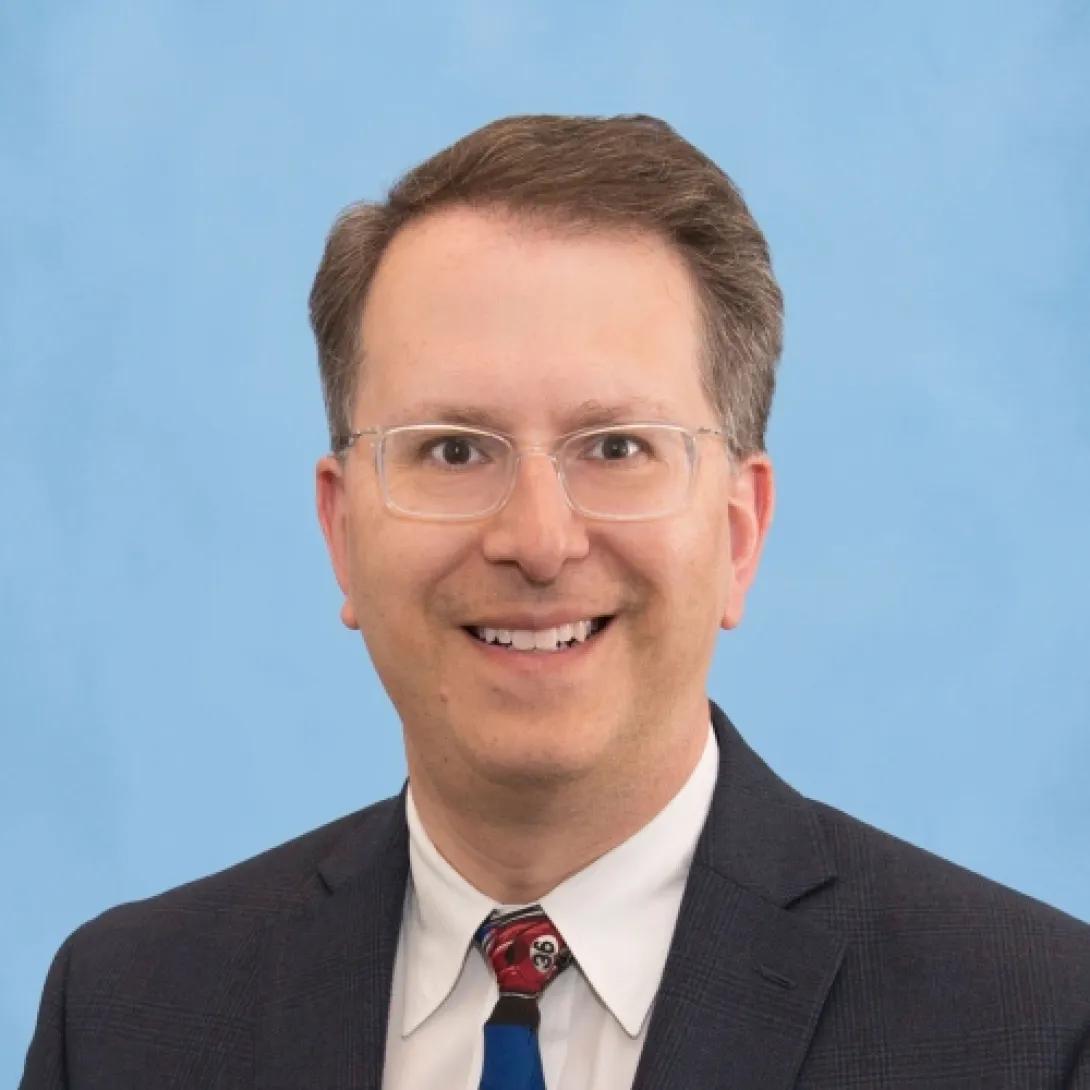
Jeffrey Nathan Lawton, MD
Clinical Professor
Hand Surgery, Orthopedic Surgery
Providers

Cecilia Margaret Fagan, PA-C
Physician Assistant
Physician Assistant
Alisa W Stager, PA-C
Physician Assistant
Physician Assistant

Mikeal David Wdowiak, PA-C
Physician Assistant
Physician Assistant
News & Stories
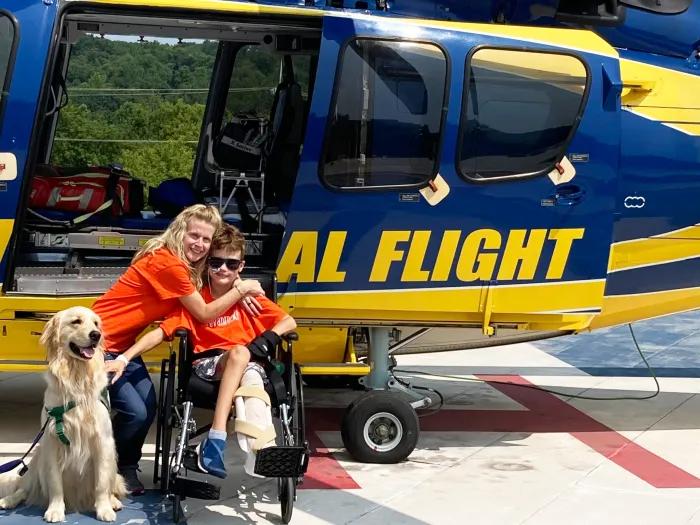
Therapy dog supports teen through recovery after serious dirt bike accident