Hemophilia & Coagulation Program (Pediatric)
Hemophilia & Coagulation Program (Pediatric)
The University of Michigan Health Pediatric Hemophilia and Coagulation Disorders Program is the beginning of a lifetime of care. We are a member of a network of federally funded Hemophilia Treatment Centers. Our patients include infants, children, adolescents, and young adults, who are then transitioned to our adult program.
Our Approach
We are renowned for our expertise in the treatment of hemophilia, bleeding disorders and thrombosis (inappropriate or excessive blood clotting). Our physicians are members of local, national, and international organizations dedicated to the care of these disorders, with many clinical trials open at this center. They also perform research in a variety of areas, including novel gene therapeutic approaches for the treatment of hemophilia and studies of the complex genetics of bleeding and clotting disorders.
Appointment Information
For more information regarding the program, or to schedule an appointment, please call 734-936-9814 or email [email protected].
Locations
-
Hemophilia & Coagulation Disorders Clinic | C. S. Mott Children's Hospital 1540 E Hospital Dr
Floor 7 Reception C
Ann Arbor, MI 48109-4257Get Directions -
Pediatric Hematology Clinic | C. S. Mott Children's Hospital 1540 E Hospital Dr
Floor 7 Reception C
Ann Arbor, MI 48109-4257Get Directions
Doctors
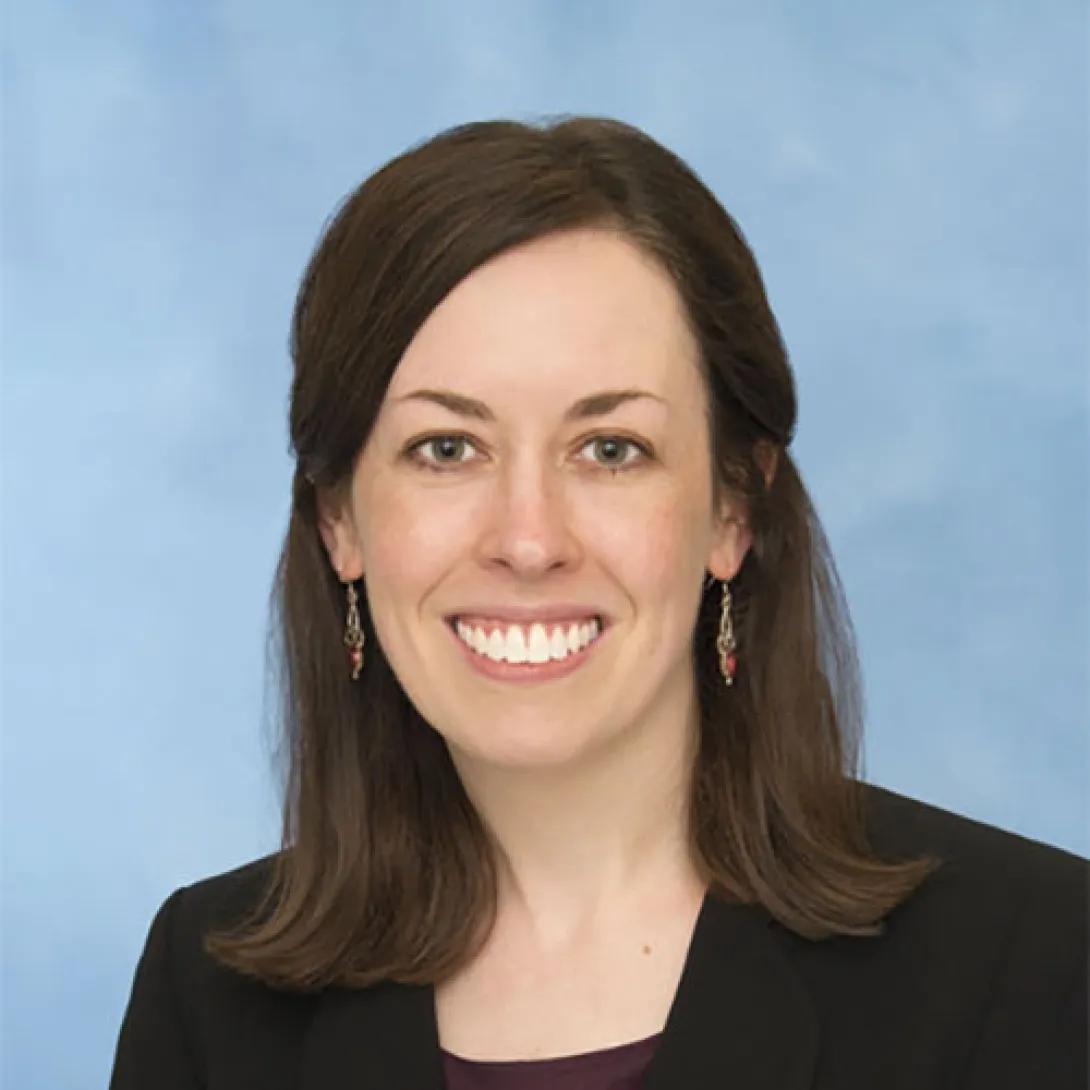
Mary McGrath, MD
Clinical Assistant Professor
Pediatric Hematology-Oncology, Pediatrics

Steven Wesley Pipe, MD
Professor
Pediatric Hematology-Oncology, Pediatrics
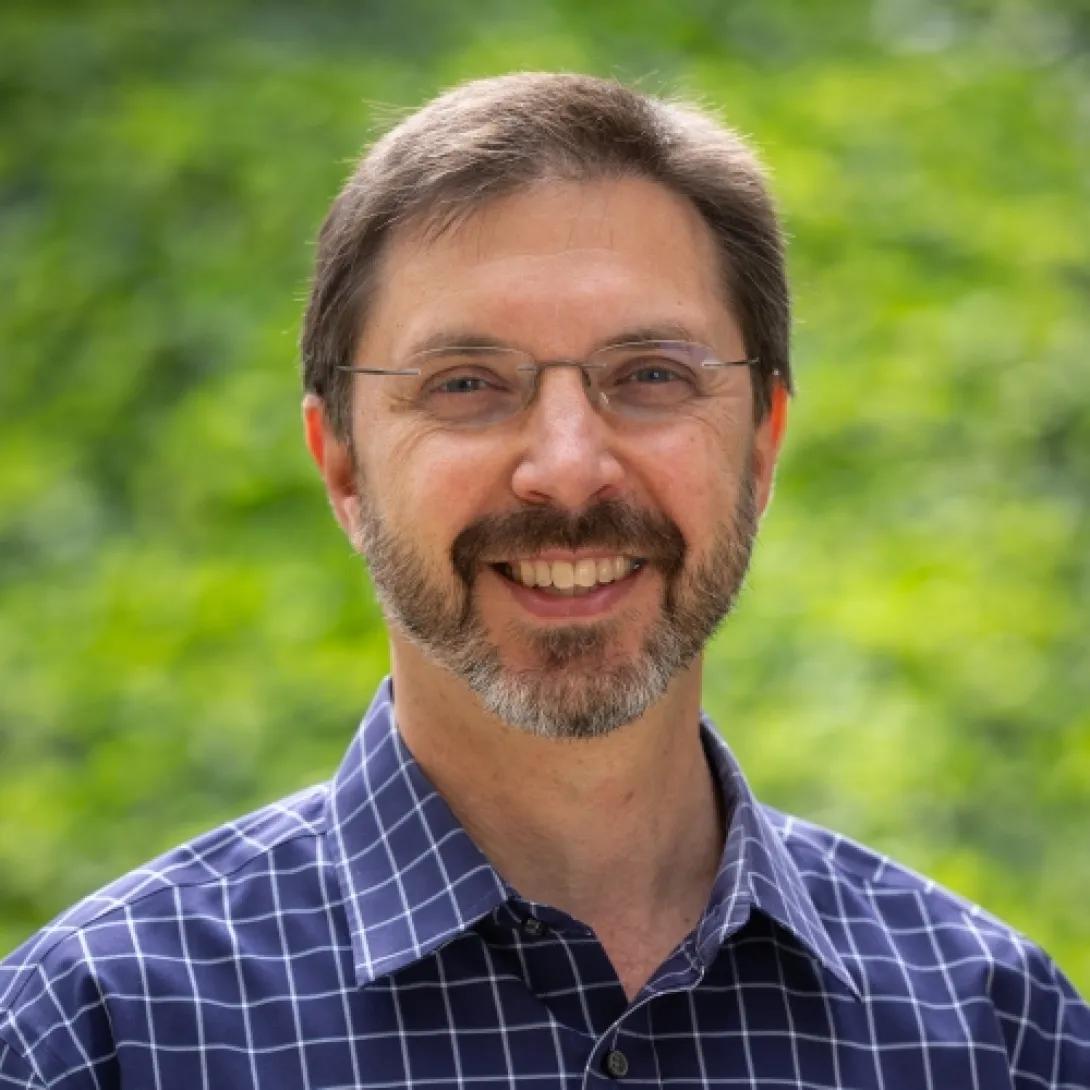
Jordan Adam Shavit, MD, PhD
Professor
Pediatric Hematology-Oncology, Pediatrics
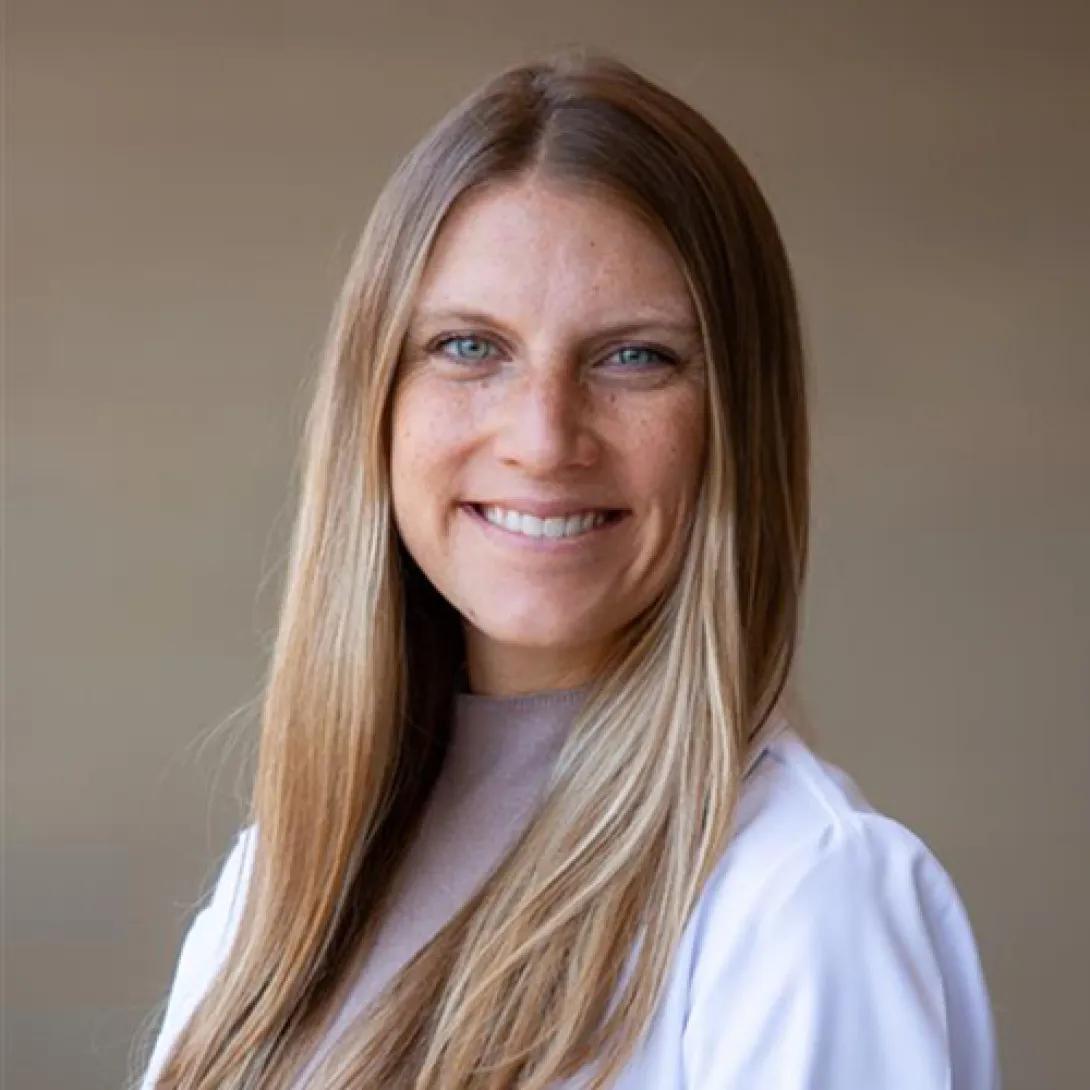
Jillian Simoneau, MD
Clinical Instructor
Pediatric Hematology-Oncology, Pediatrics

Angela Christine Weyand, MD
Clinical Associate Professor
Pediatric Hematology-Oncology, Pediatrics
News & Stories
FDA-approved drug offers hope for patients with polycythemia vera, a rare bone marrow disorder
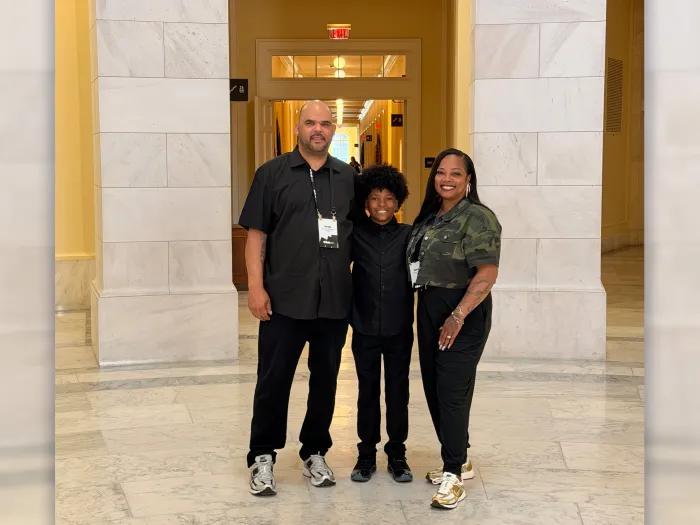
12-year-old shares journey with sickle cell anemia on Capitol Hill
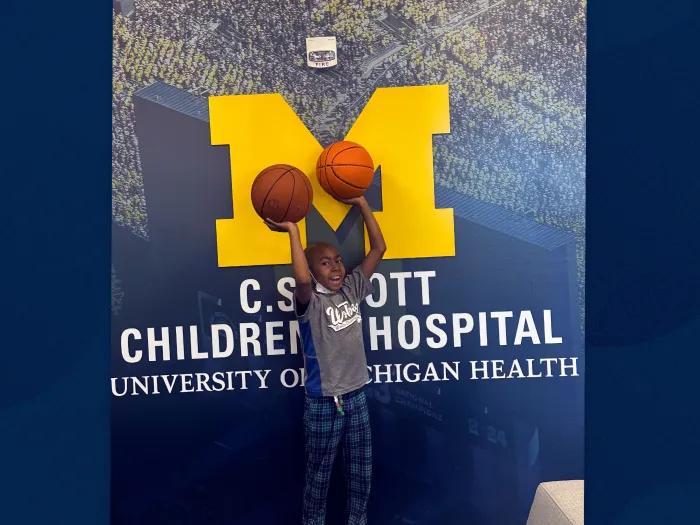
First U-M patient receives newly FDA-approved stem cell therapy for sickle cell anemia
CAR T-cell Therapy

Two Big Ten schools connected by one bone marrow donation