Head & Neck Cancer Program
Head & Neck Cancer Program
Head and neck cancer refers to a group of related cancers. These cancers can affect all areas of the head and neck, including the:
- Mouth
- Nose
- Throat
- Voice box
- Glands that make saliva
At U-M Health, our specialty trained ear, nose and throat physicians diagnose and treat more head and neck cancers than any head and neck oncology program in Michigan and is one of the largest programs in the Midwest. In addition to providing diagnosis for those who suspect they may have a form of head and neck cancer, we also offer evaluations for people seeking second opinions, along with the option of staying with us for your care. As part of the Rogel Cancer Center, you’re in skilled, capable hands with our multidisciplinary team.
Our Approach
- Top care: Our ear, nose, and throat program is ranked among the country’s best by U.S. News & World Report. U-M Health also offers one of the region’s few comprehensive cancer centers. This designation from the National Cancer Institute (NCI) recognizes the Rogel Cancer Center’s exceptional care and scientific leadership.
- Coordinated care: Head and neck cancer is complex. We coordinate imaging, biopsies, and consultations to reduce your travel burden. This approach helps us shorten the time it takes to make a diagnosis and start treatment. When possible, we can offer telemedicine appointments, for both initial appointments and follow-up appointments.
- Surgical expertise: We specialize in complex surgeries, including robotic surgery for hard to reach areas in the throat and voice box. We also help restore your appearance and function via microvascular surgery. We perform more head and neck reconstructions than any other program in the Midwest. We frequently use 3D modeling and computer assistance to achieve precise results.
- Supportive care: Our highly dedicated team ensures you feel supported during treatment and works to protect your quality of life. For example, our speech therapists help you recover so you can talk and eat the way you want. And our social workers provide guidance for concerns such as financial aid and housing. In addition, the Rogel Cancer Center offers a Patient and Family Support Services Program.
A team approach is crucial when delivering head and neck cancer care. These complex cancers often require more than one type of treatment, as well as intensive, ongoing support.
We meet regularly to determine the most effective treatment for each person we help. We take a thoughtful, personalized approach, with recommendations that account for an individual’s health, tumor type, tumor stage, symptoms, and personal preferences.
Our team has a wide range of expertise and includes:
- Head and neck surgeons (otolaryngologists, or ENTs): Specialize in ear, nose, and throat conditions and have additional training in head and neck cancer surgery and reconstruction
- Radiation oncologists: Offer special expertise in the latest radiation technology to precisely treat your tumor
- Medical oncologists: Provide specialized chemotherapy treatment to target tumors
- Imaging and pathology specialists: Use imaging to precisely define the extent of tumors and pathology to evaluate tumor cells and provide an exact diagnosis
- Speech and physical therapists: Treat physical challenges of head and neck cancer, including speech and swallowing concerns and lymphedema
- Nurse coordinators: Coordinate care and appointments throughout treatment
- Social workers: Offer support and a connection to community resources, including housing and financial aid
- Physical medicine and rehabilitation: Evaluate and treat lymphedema, neck fibrosis, and other conditions and long-term side effects
- Dentistry: Manage tooth removal and implants, if needed, and ongoing dental care after treatment
At U-M Health, we don’t use a one-size-fits-all approach. We interpret all the evidence and analyze all the options to find the best way forward. We tailor our recommendations to your needs, to find the approach that provides effective treatment while maintaining your quality of life. Our cure rates surpass those found at many centers with smaller volumes.
Conditions
Oral cancer -- also known as mouth cancer -- forms in the tissues of the lip or mouth. This includes the front two thirds of the tongue, the upper and lower gums, the lining inside the cheeks and lips, the bottom of the mouth under the tongue, the bony top of the mouth, and the small area behind the wisdom teeth.
Larynx (Voice Box) Cancer begins in the neck, just above the wind pipe (trachea). This is area of the throat where the voice box is located.
Sinus cancer is better defined as paranasal sinus and nasal cavity cancer.
Paranasal Sinuses: "Paranasal" means near the nose. There are several paranasal sinuses named after the bones that surround them:
- The frontal sinuses are in the lower forehead above the nose.
- The maxillary sinuses are in the cheekbones on either side of the nose.
- The ethmoid sinuses are beside the upper nose, between the eyes.
- The sphenoid sinuses are behind the nose, in the center of the skull.
Nasal Cavity: The nose opens into the nasal cavity, which is divided into two nasal passages.
The most common type of paranasal sinus and nasal cavity cancer is squamous cell carcinoma. This type of cancer forms in the squamous cells (thin, flat cells) lining the inside of the paranasal sinuses and the nasal cavity.
Salivary gland cancer is a rare disease in which cancer cells form in the tissues of the salivary glands.
There are hundreds of minor (small) salivary glands lining parts of the mouth, nose, and larynx that can be seen only with a microscope. Most small salivary gland tumors begin in the roof of the mouth (palate).
Some thyroid cancers don’t need treatment, especially if the tumor is very small. We still watch you carefully for signs of tumor growth. If we do need to treat thyroid cancer, we use surgery to remove all or part of the thyroid.
Advanced thyroid cancers may require removal of the lymph nodes around the gland or the side of the neck. We usually follow up surgery for advanced thyroid cancer with radioactive iodine to treat any remaining cancer cells.
Throat cancer (also called pharyngeal or pharynx cancer) forms in the tissues of the hollow tube inside the neck which starts behind the nose and ends at the top of the windpipe and esophagus.
Services
We consider you an essential part of the treatment team. We listen to you and make sure treatments suit your individual needs. Some head and neck cancers will benefit most from surgery, while others may be better treated with radiation and chemotherapy. Treatments will vary based on the stage and type of cancer, as well as your health, and may include:
- Surgery
- Radiation therapy
- Chemotherapy
- Clinical trials
Below are the specific types of treatments provided by our program:
We often use robotic-assisted surgery when treating head and neck cancers, particularly those in the larynx, throat, and tonsils. We use tiny instruments and high-definition imaging during these operations, which are known as transoral robotic surgery (TORS).
Robotic surgery allows us to see and reach areas that are otherwise hard to access. It also provides additional benefits, including:
- Fewer incisions and less invasive surgery
- Reduced recovery time
- Less need for reconstructive surgery
Reconstructive surgery is an important part of some treatment plans and can restore appearance and function.
We can use skin, fat, muscle, or bone from another part of the body to rebuild the tongue, jaw, or other areas of the head and neck that were removed during cancer surgery. We use microvascular surgical techniques to reattach blood vessels and restore circulation. This technique allows us to attach blood vessels together with the aid of a microscope.
Sophisticated 3D computer modeling helps us plan out reconstructive surgery. Our surgeons work with an engineer to carefully outline each step of the surgery and personalize it for your individual needs.
We develop and conduct our own unique clinical trials. Through trials, we can offer therapies you won’t find at other hospitals. We also take part in nationwide trials.
We’ll talk to you about available clinical trials and ask if you’re interested in participating. Clinical trials may focus on new ways of treating head and neck cancers, including:
- Different doses of radiation and chemotherapy
- New immunotherapy drugs that target cancer cells
You may need support from speech therapists, who are specially trained to care for the unique needs of people with head and neck cancer. They are a crucial part of our care team. Speech therapists help people who have difficulty swallowing, talking, and eating because of cancer or treatment. Speech therapists can:
- Perform assessments before and after treatment
- Set short- and long-term expectations and goals
- Offer exercises to improve function
- Provide strategies for chewing and swallowing
- Recommend special diets or feeding tubes

Learn about clinical trials
Discover how clinical trials at the Rogel Cancer Center are driving the future of cancer care. Our researchers work every day to find better ways to detect, treat, prevent cancer, and clinical trials are a key part of that progress.
Appointment Information
To schedule an evaluation for head and neck cancer, patients please call us at 734-936-8051.
Healthcare professionals, please contact our M-LINE service: 800-962-3555.
Locations
-
Otolaryngology Clinic | Northville Health Center 39901 Traditions Dr
Floor 2
Northville, MI 48168-9493Get Directions -
Otolaryngology Clinic | Taubman Center 1500 E Medical Center Dr
Floor 1 Reception A
Ann Arbor, MI 48109-5312Get Directions -
Otolaryngology Clinic | UM Health-West Healthpark 2093 Health Drive SW
Wyoming, MI 49519Get Directions
Doctors
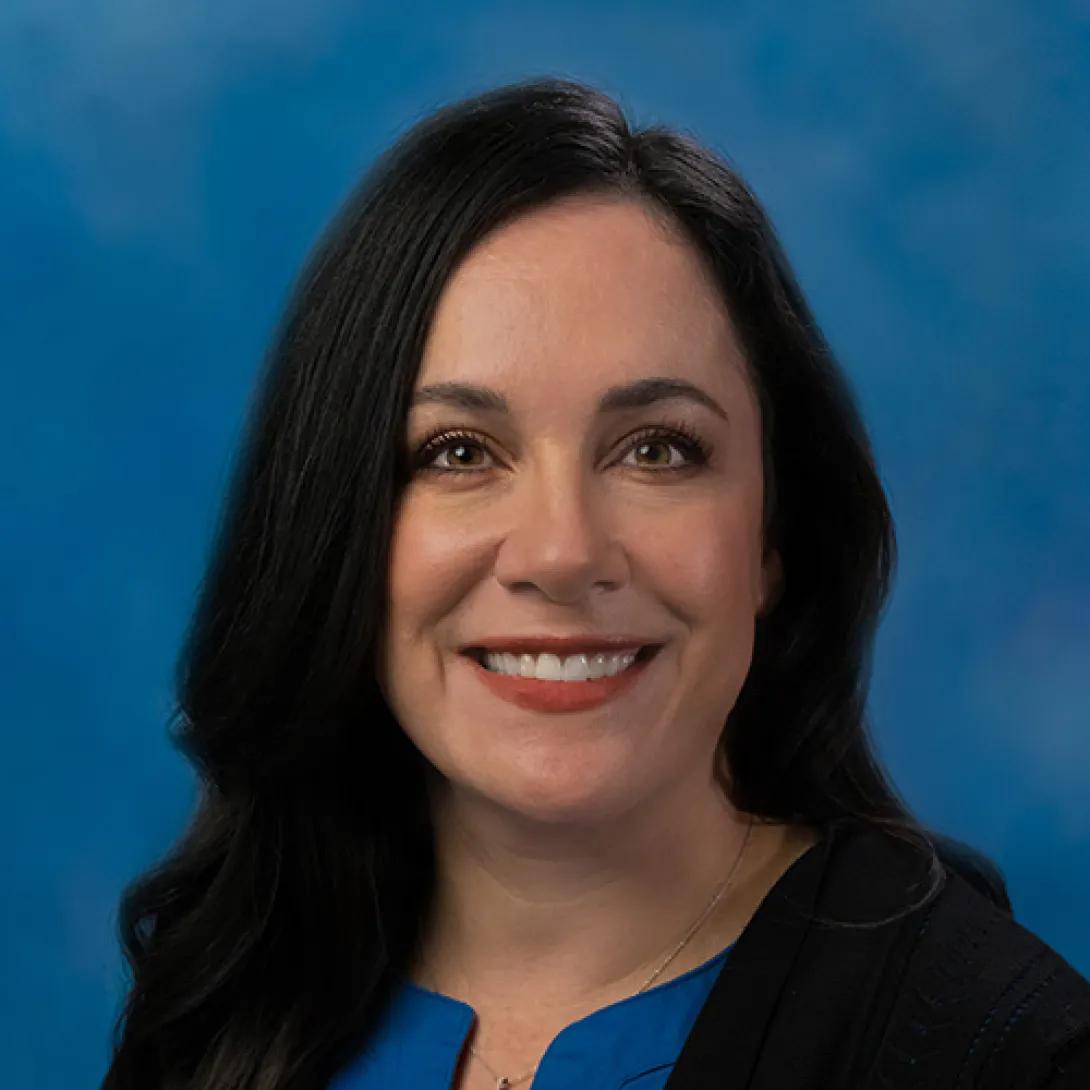
Marisa Rae Buchakjian, MD, PhD
Clinical Assistant Professor
Otolaryngology
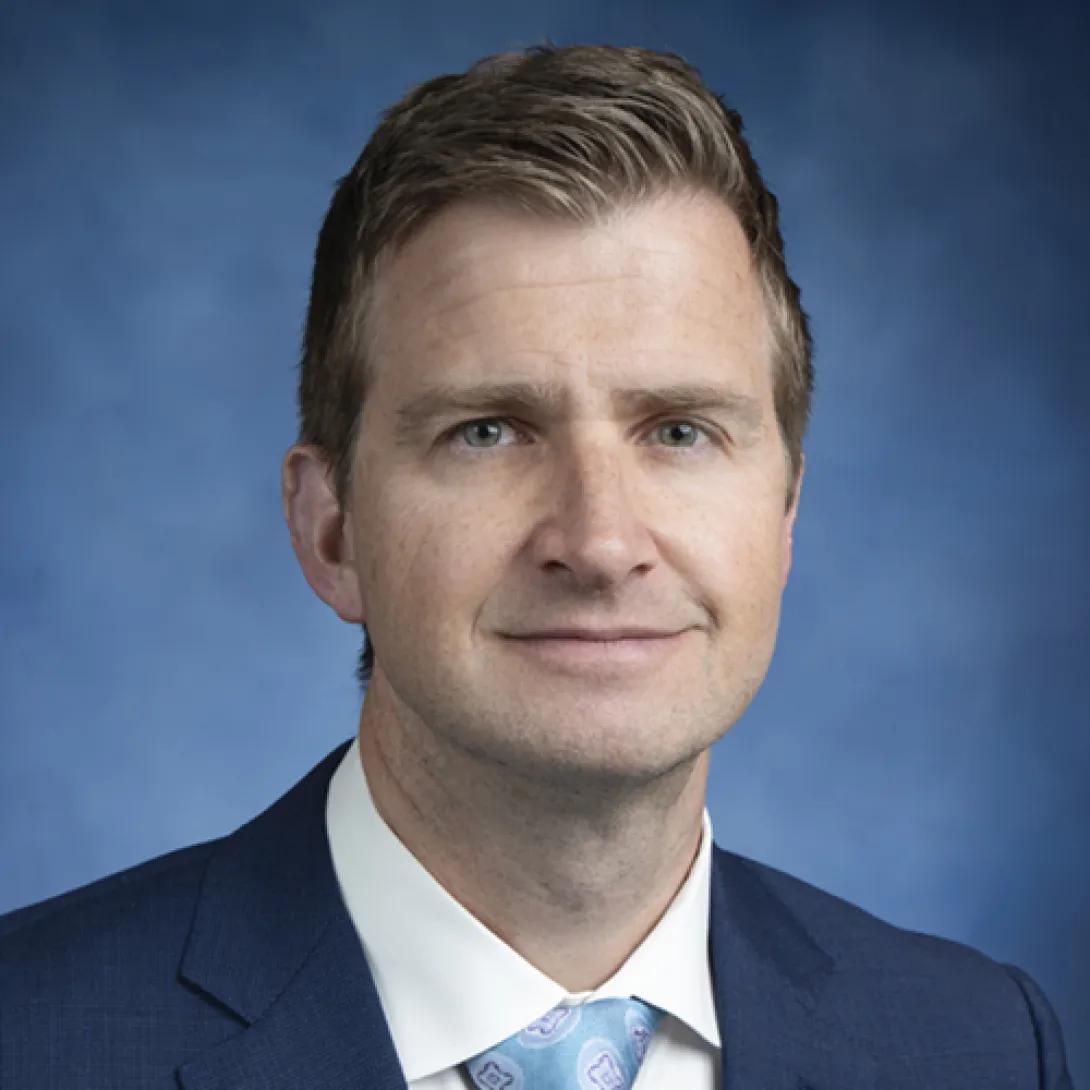
Keith Andrew Casper, MD
Clinical Associate Professor
Otolaryngology
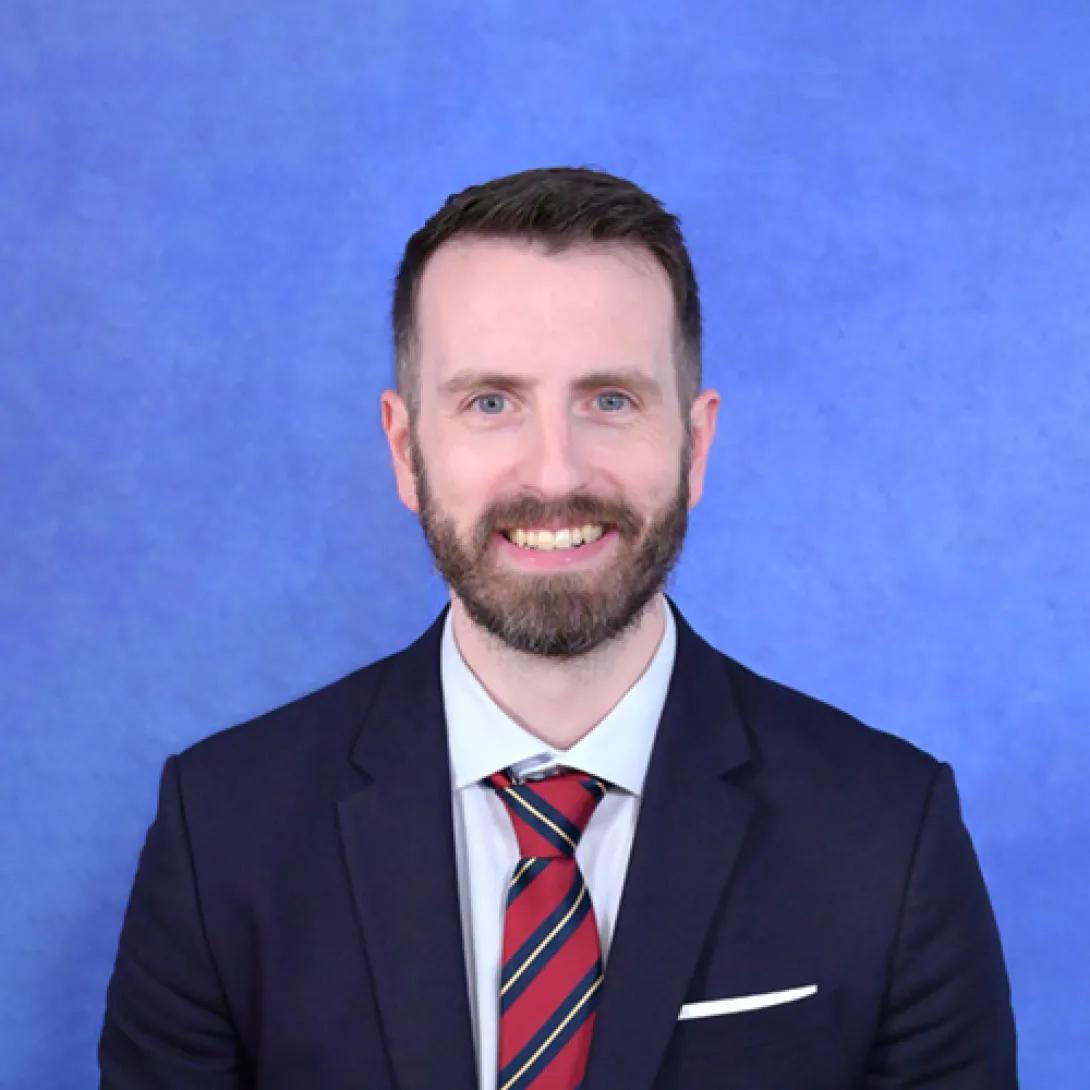
David WA Forner, MD, MSc, FRCSC
Clinical Assistant Professor
Otolaryngology
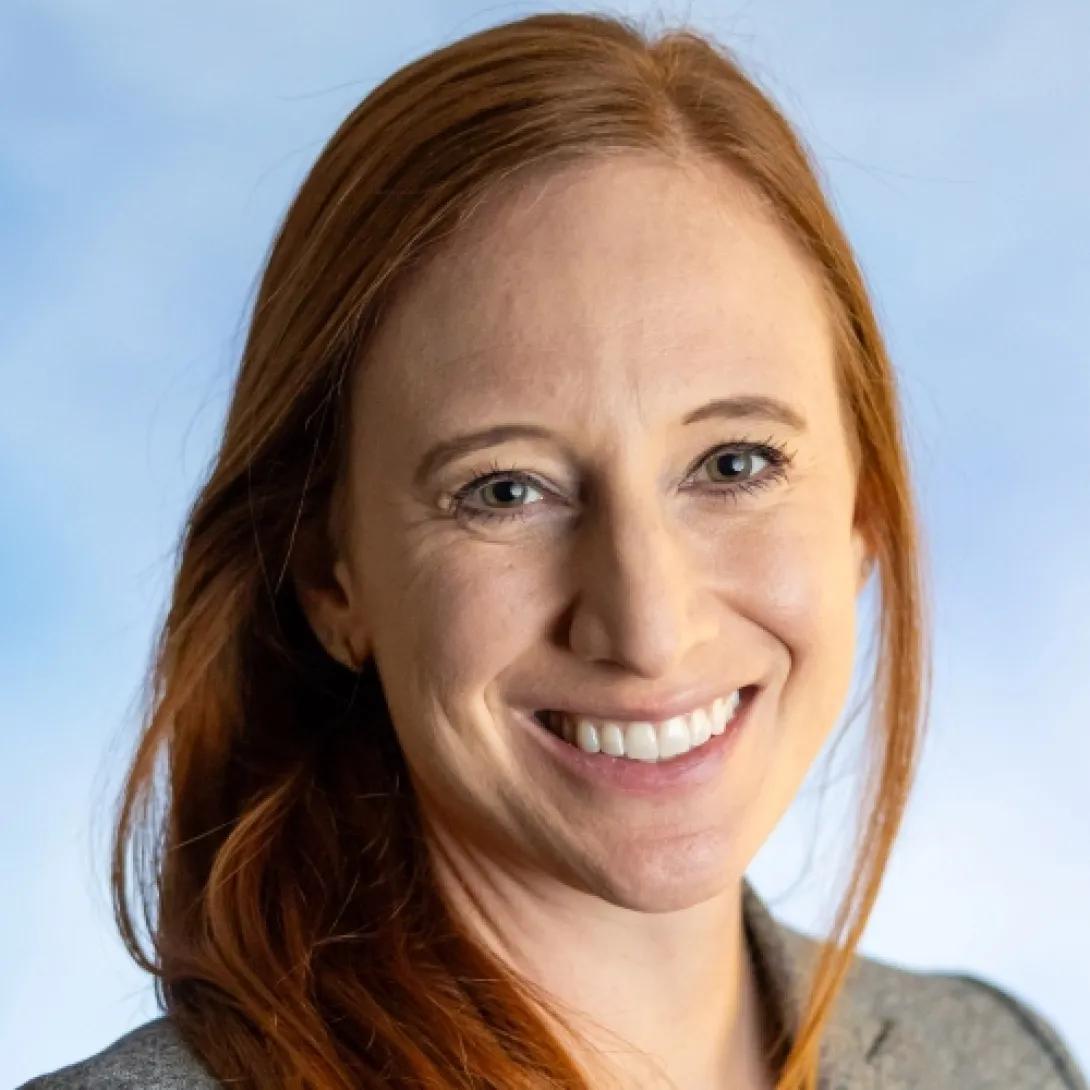
Molly Elaine Heft Neal, MD
Clinical Assistant Professor
Otolaryngology
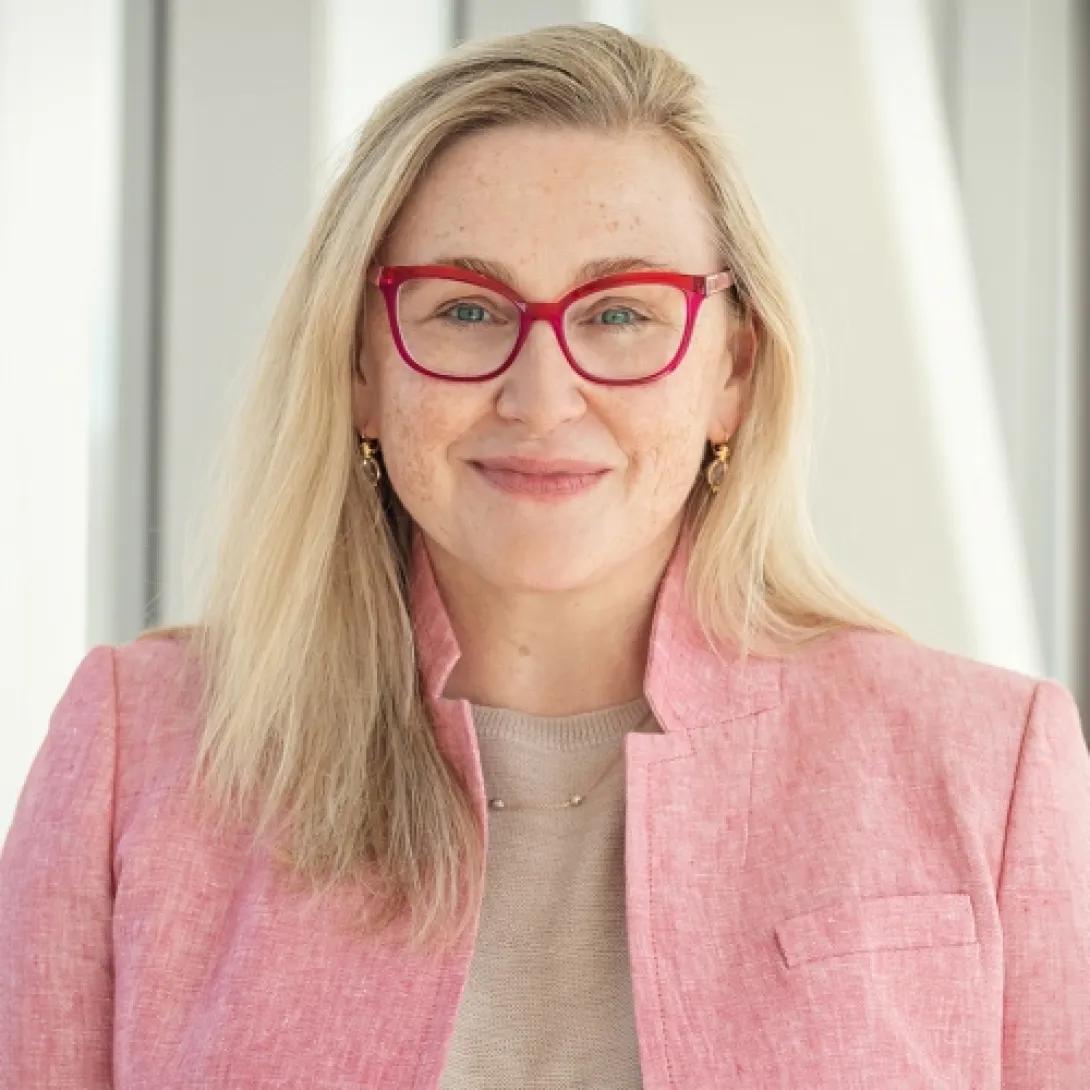
Kelly Michele Malloy, MD
Clinical Professor
Otolaryngology
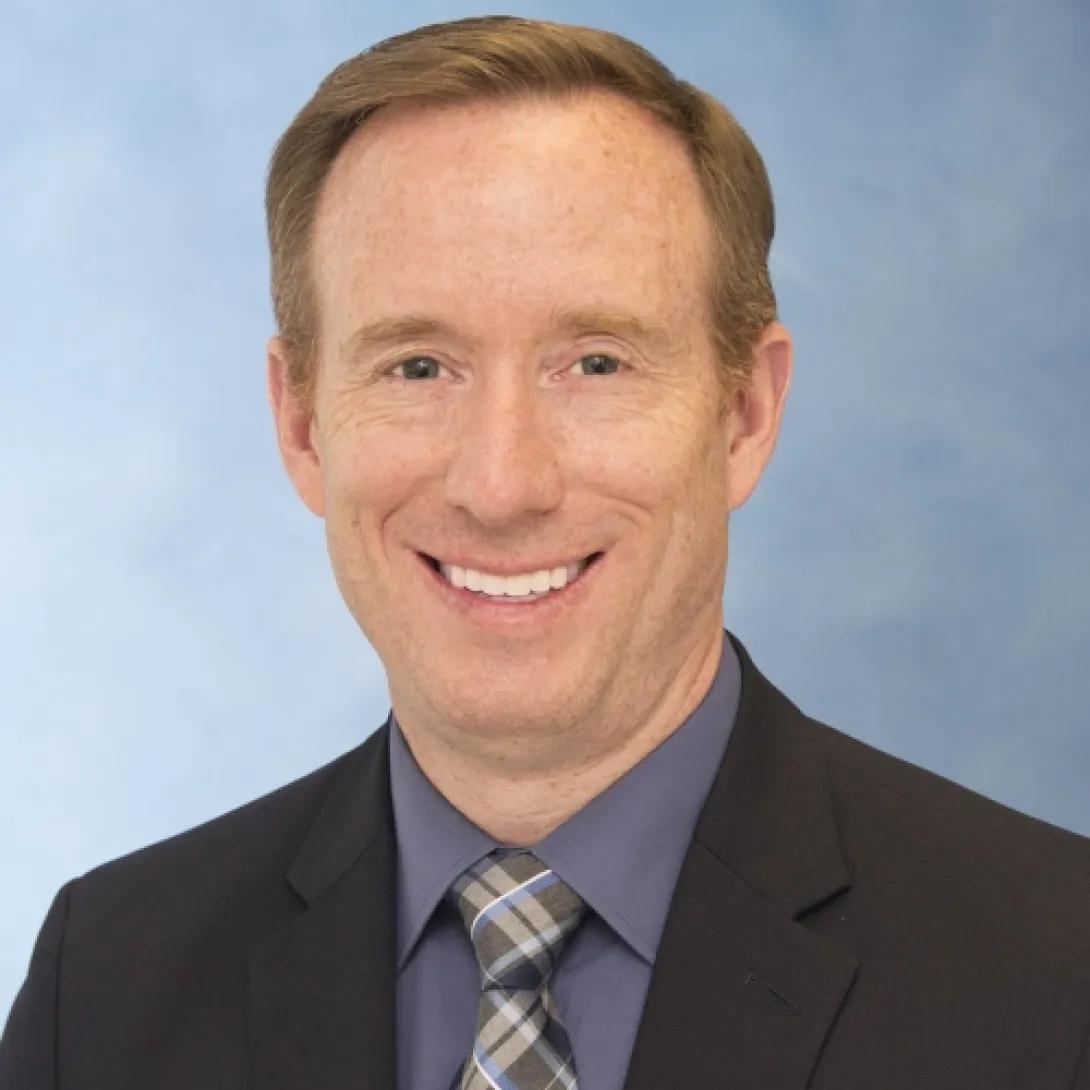
Scott Alan Mclean, MD, PhD
Clinical Associate Professor
Otolaryngology, Facial Plastic Surgery
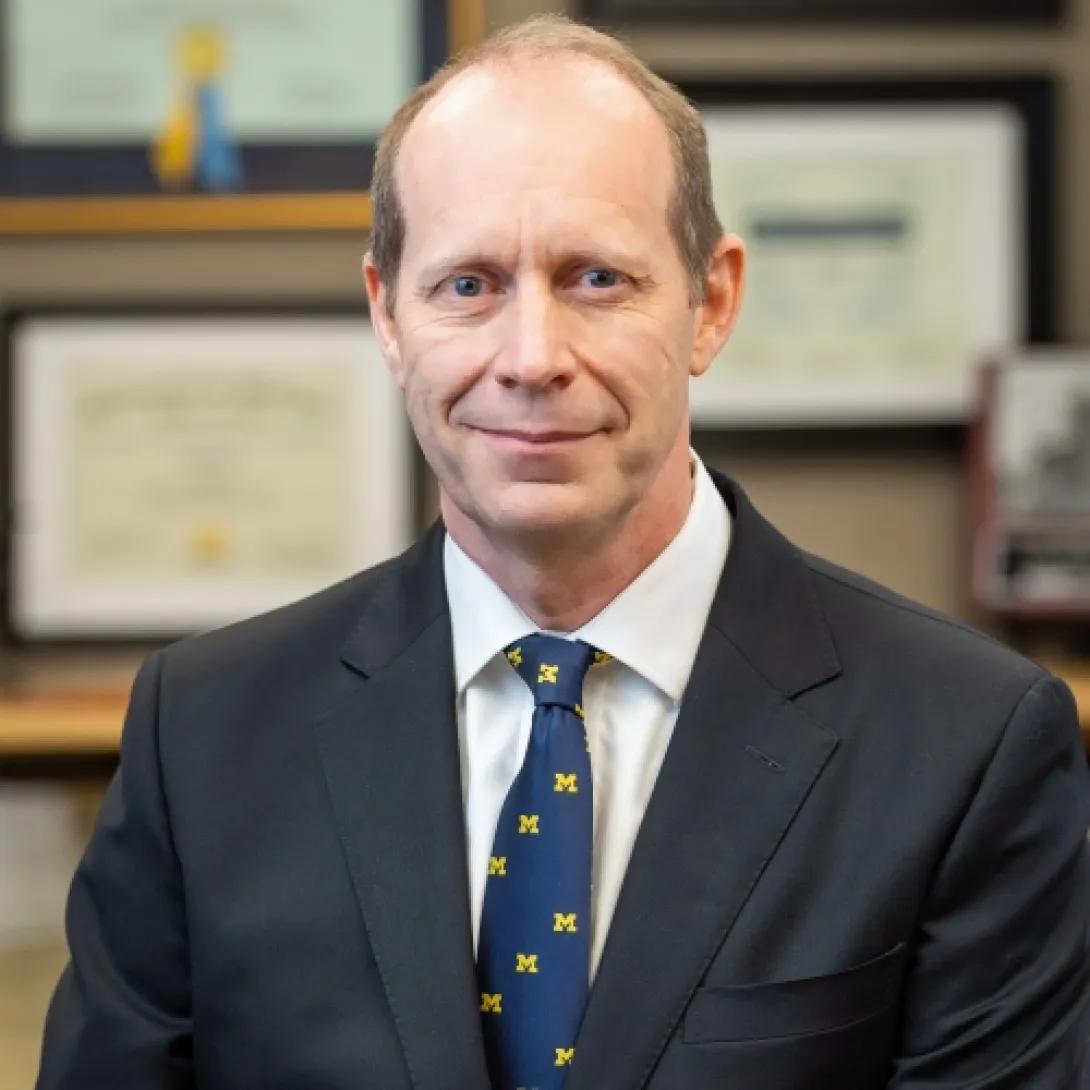
Mark Edward P Prince, MD
Professor
Otolaryngology

Jennifer Lobo Shah, MD
Clinical Assistant Professor
Radiation Oncology
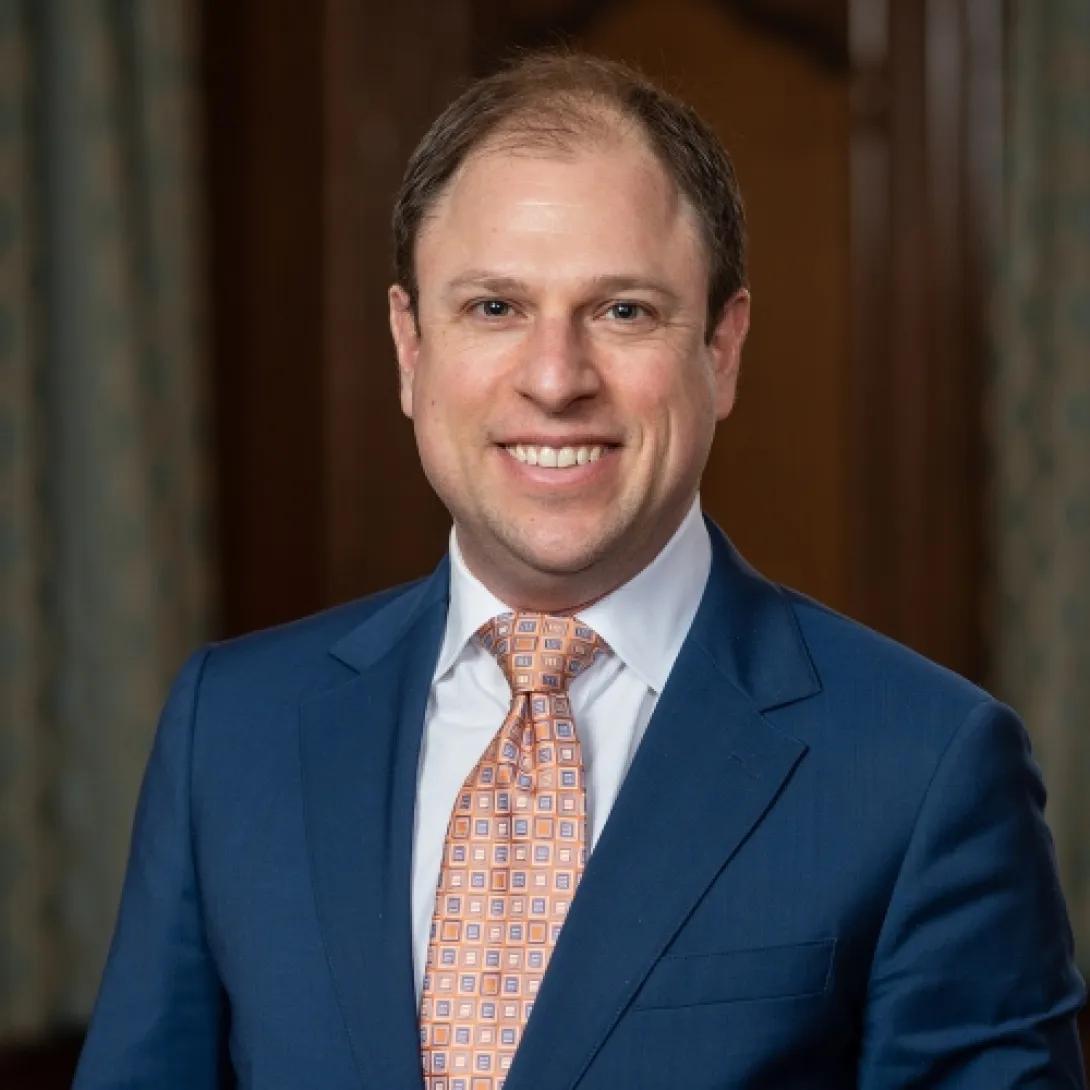
Andrew Gregg Shuman, MD
Professor
Otolaryngology
Chaz Luke Stucken, MD
Clinical Associate Professor
Facial Plastic Surgery, Otolaryngology, Plastic Surgery-Head & Neck
News & Stories
Overcoming cancer and a lifelong phobia

Comprehensive DNA sequencing reveals hidden drivers of cancer

‘Molecular glue’ stabilizes protein that inhibits development of non-small cell lung cancer and uterine cancer
FDA-approved drug offers hope for patients with polycythemia vera, a rare bone marrow disorder