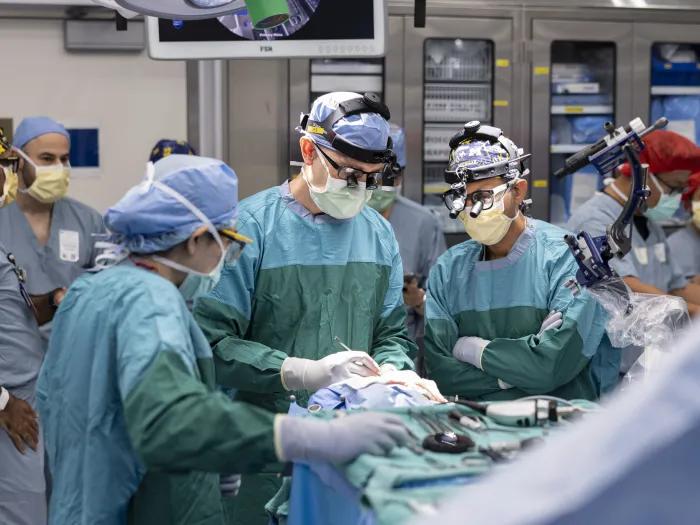
NeuroSport Concussion Care Program
NeuroSport Concussion Care Program
The NeuroSport program at U-M Health is one of only a handful of comprehensive programs in the country dedicated to the neurological concerns of athletes. By drawing on the resources of our health system as well as the rich athletic tradition of a historic NCAA program, NeuroSport specializes in the treatment and prevention of neurological sports injuries - such as concussion - as well as the management of primary neurological diseases that affect athletic performance.
In addition, NeuroSport provides neurologic care to approximately 1600 NCAA Division 1 and Olympic athletes, including at Eastern Michigan University and the University of Michigan. In conjunction with U-M MedSport Athletic trainers, NeuroSport provides direct neurologic care for 17 regional high schools.
Our Approach
The mission of the multidisciplinary NeuroSport outpatient clinic is to provide optimal individualized patient centered care for athletes of all levels with an emphasis on acute concussion care and potential long-term consequences of mild head trauma.
NeuroSport’s multidisciplinary care team evaluates the physical, cognitive and emotional components of athletes who have suffered a concussion. The team consists of sports neurologists, sports medicine physicians, physiatrists, neuropsychologists, physical therapists, social workers and athletic trainers.
The program provides state-of-the-art diagnostic and treatment options with a focus on returning patients to competition safely and expeditiously. Our multidisciplinary approach allows for personalized evaluation, targeted treatment, and a safe, individualized return to activity plan for each athlete.
Services
Some of the tests and treatments we offer include:
- Medical examination in the NeuroSport clinic to evaluate and treat concussion and its associated symptoms
- Individualized return-to-play and return-to-learn plans for athletes
- Partnerships with local schools and their athletic trainers who assist with a safe return to sport after concussion
- Coordination of care with schools, employers, athletic staff, and other personnel
- Referrals to physical therapy, behavioral health, and other medical specialists
- Education for patients, parents, athletes, coaches, and other health care providers to help prevent, recognize and treat concussion, as well as other neurological conditions in athletes
- Referral to neuropsychological testing to assess cognitive skills that can be affected by a concussion and to identify psychosocial factors than can interfere with recovery
Appointment Information
To request an appointment or to get more information about NeuroSport, call 734-615-7246.
Research
Concussion (mild traumatic brain injury) has received increased recognition and concern among clinicians, researchers, military personnel, sporting organizations, athletes and parents, and the general population. It is now a major public health concern facing the medical community and society at large in the United States and worldwide. In many ways, concussion research is in its infancy relative to moderate and severe brain injury with substantial gaps in our basic understanding of injury prevention, pathophysiology, diagnostics, management, outcomes, and financial impact.
Our research focuses on discovering optimal care for acute concussion, as well as understanding and preventing long-term complications of mild head trauma. NeuroSport is partnering with the Michigan Concussion Center to undertake cutting-edge concussion research. The mission of our research program is to undertake research that will answer fundamental questions on concussion prevention, identification, diagnosis, management, and long-term outcomes and provide the necessary infrastructure to advance concussion knowledge and health care.
Locations
-
NeuroSport Clinic | Brighton Center for Specialty Care 7500 Challis Rd
Entrance 1 Level 1
Brighton, MI 48116-9416Get Directions -
NeuroSport Clinic | Burlington Office Center 325 E Eisenhower Pkwy Ste 100
Ann Arbor, MI 48108-3364Get Directions
Doctors
James TRAVIS Eckner, MD
Professor
Physical Medicine & Rehabilitation, Electrodiagnostic Medicine
Ingrid Karen Ichesco, MD
Clinical Assistant Professor
Sports Medicine, Pediatrics
Matthew Thomas Lorincz, MD, PHD
Clinical Professor
Neurology
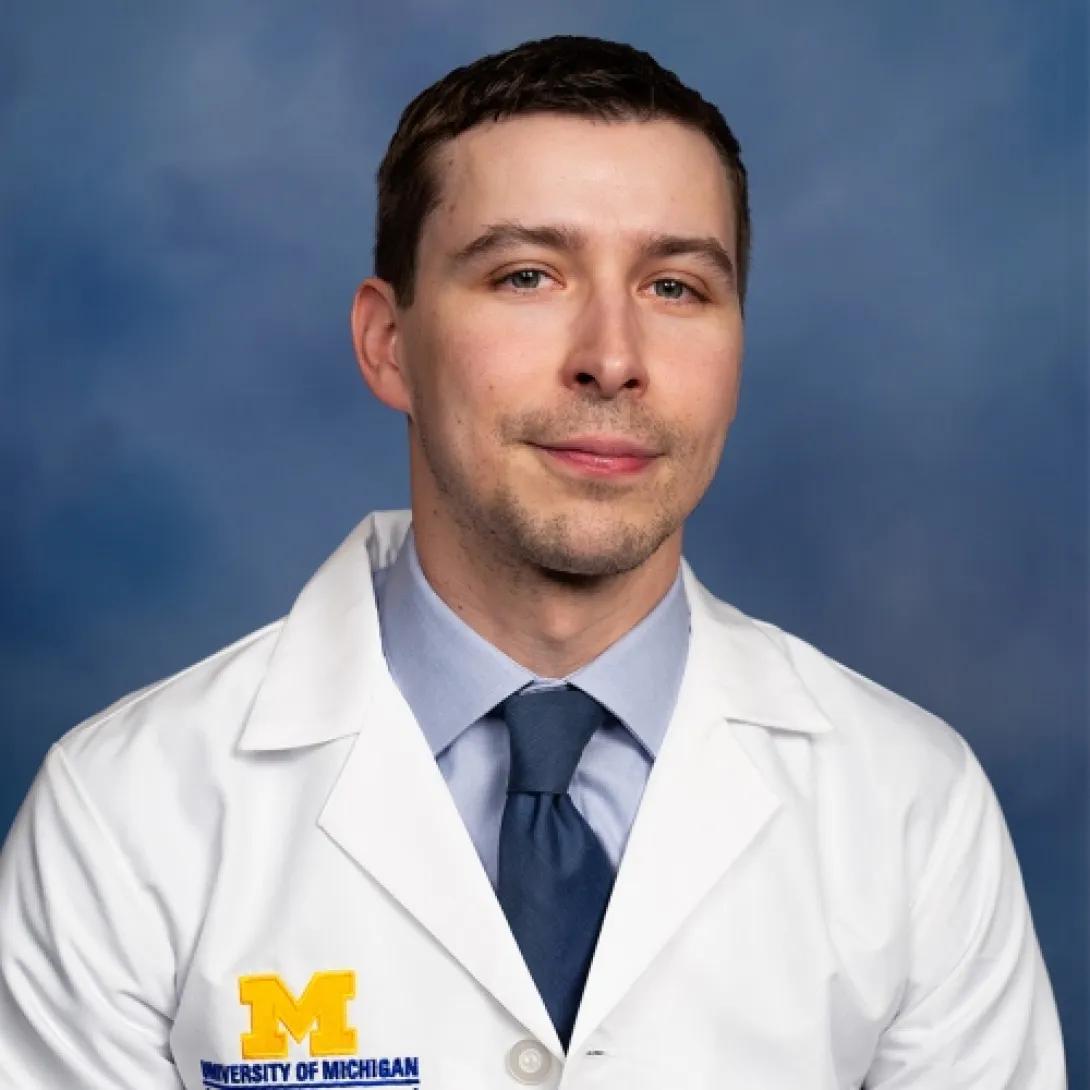
Michael James Popovich, MD
Clinical Associate Professor
Neurology
News & Stories
A pediatric epilepsy fundraiser that changes lives
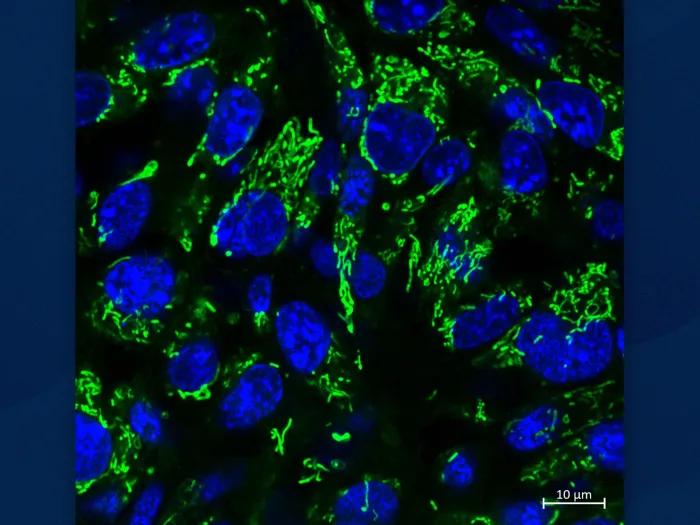
Engineered nanoparticles sensitize gliomas to radiotherapy

A concussion expert and football father discusses why he values teamwork over zero-risk
Trial focuses on duration of therapeutic hypothermia for out-of-hospital cardiac arrests

E-bikes are faster than ever. Are families prepared for the risks?