Posterior Cruciate Ligament (PCL) Injuries
Posterior Cruciate Ligament (PCL) Injuries
What are Posterior Cruciate Ligament (PCL) injuries?
The posterior cruciate ligament (PCL) is the strongest ligament in the knee. It keeps the tibia (lower leg bone) from sliding behind the femur (thigh bone). A PCL tear or injury is a partial or complete tearing or stretching of any part of the ligament. The most common causes of PCL tears are a direct blow to the knee such as a fall on the knee or a car accident. A PCL tear can also occur as a result of overextending the knee (hyperextension), which can happen if you land awkwardly after jumping, for example. PCL injuries can often occur with other ligament tears or severe injuries such as knee dislocation.
We treat hundreds of patients who have PCL tears every year. Pain doesn't have to be a part of your life, we can help. Note: If you suspect a PCL injury, it is important to be seen by a healthcare professional immediately. Waiting can make matters worse, and it is easier for us to repair any damage early on.
Sports Medicine at U-M Health
Do you have a sports injury that's affecting your performance or ability to play? Learn more about our sports medicine care and how to make an appointment with one of our experts.
Appointment Information
You're about to make an important decision, and we want to help you make a good one. We have decades of experience successfully diagnosing and treating knee injuries and conditions. Our staff will be glad to talk with you about your options and how we can help.
- MedSport: 877-877-9333
- Orthopaedics: 734-936-5780
- Physical Medicine & Rehabilitation (PMR): 734-936-7175
What are the symptoms of a PCL injury?
Typical symptoms include:
- Pain, swelling and instability
- A pop is felt or heard
- Sometimes occurs with other ligament or cartilage injuries
How is a PCL injury diagnosed?
We will take your complete medical history, ask you about your pattern of symptoms and conduct a medical exam. We can diagnose an PCL injury during a medical exam. We may conduct tests such as X-rays and may need to order an MRI. Then we will use all of this information to develop an individualized treatment plan for you.
How is a PCL injury treated?
Partial PCL tears and some isolated complete tears can be treated without surgery. This can only be determined during an examination by an experienced physician. You should know and consider the short- and long-term consequences of your options. Your doctor may recommend:
- Rest
- Ice
- Elevating the joint above the level of the heart
- NSAIDs (non-steroidal anti-inflammatory drugs) for pain
- Physical therapy
- Splinting or a brace
Surgical Treatment
If pain and instability persist after treatment and physical therapy, your doctor may recommend surgery to reconstruct the PCL. We offer PCL reconstruction either with an allograft (uses donor tissue) or an autograft (using your own tissue, typically a portion of the quadriceps tendon).
Postoperative Care
- Patients having an isolated PCL reconstruction can typically go home the same day. If the PCL reconstruction is done as part of a multiple ligament reconstruction (e.g., after a knee dislocation), patients may stay in the hospital for 1-2 days to ensure they have adequate pain control and mobility before going home.
- Crutches and a brace are used for about 6-8 weeks after surgery.
- Physical therapy begins soon after surgery to regain range of motion and strength. Most patients need physical therapy for 3-6 months.
- Full recovery is 6-12 months after surgery depending on the work and recreational demands the patient wants to be able to place on their knee..
Locations
-
Orthopaedic Sports Medicine Clinic | Northville Health Center 39901 Traditions Dr
Floor 1
Northville, MI 48168-9493Get Directions -
Orthopaedic Sports Medicine Program | Domino's Farms 24 Frank Lloyd Wright Dr Ste 1000
Lobby A
Ann Arbor, MI 48105-9484Get Directions -
Orthopaedic Surgery Clinic | Brighton Center for Specialty Care 7500 Challis Rd
Entrance 1, Level 1
Brighton, MI 48116-9416Get Directions -
Orthopaedic Surgery Clinic | Northville Health Center 39901 Traditions Dr
Floor 1
Northville, MI 48168-9493Get Directions -
Pediatric Rheumatology Clinic | Northville Health Center 39901 Traditions Dr
Floor 2
Northville, MI 48168-9493Get Directions -
Rheumatology Clinic | Northville Health Center 39901 Traditions Dr
Floor 1
Northville, MI 48168-9493Get Directions
Doctors
Andrea Lynn Aagesen, DO
Clinical Associate Professor
Physical Medicine & Rehabilitation, Sports Medicine
Asheesh Bedi, MD
Professor
Orthopedic Surgery, Sports Medicine
James Ely Carpenter, MD, M.H.S.A.
Professor
Orthopedic Surgery, Sports Medicine
Eileen Aidan Crawford, MD
Clinical Associate Professor
Orthopedic Surgery, Sports Medicine
John Andrew Grant, MD
Clinical Associate Professor
Orthopedic Surgery, Sports Medicine
Ann Therese Laidlaw, MD
Clinical Assistant Professor
Physical Medicine & Rehabilitation, Electrodiagnostic Medicine, Sports Medicine

Bruce Scott Miller, MD
Professor
Orthopedic Surgery, Sports Medicine

David Parker Patterson, MD
Clinical Assistant Professor
Orthopedic Surgery, Sports Medicine
Edward Michael Wojtys, MD
Professor
Orthopedic Surgery, Sports Medicine
News & Stories
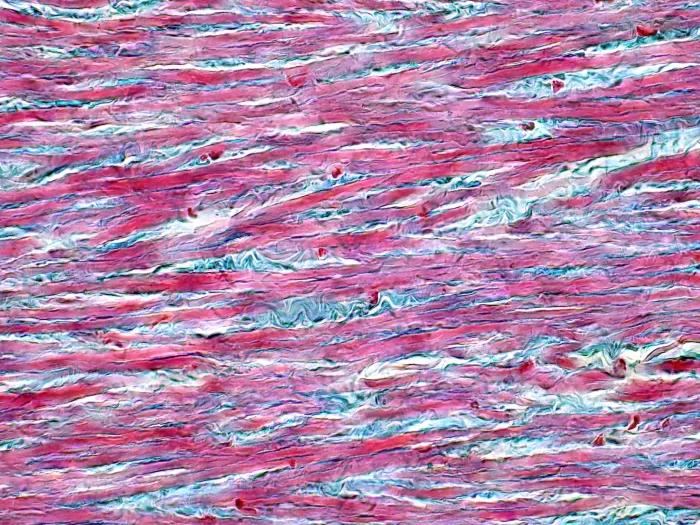
Why tendons heal so poorly and how researchers hope to fix them
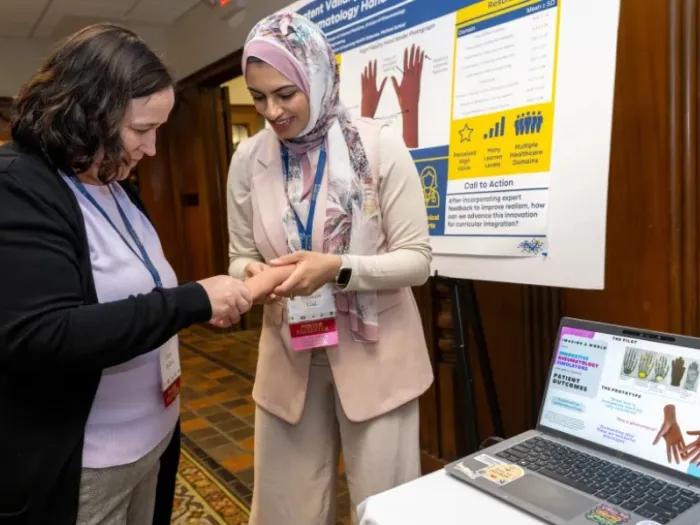
Rethinking how clinicians learn to feel disease
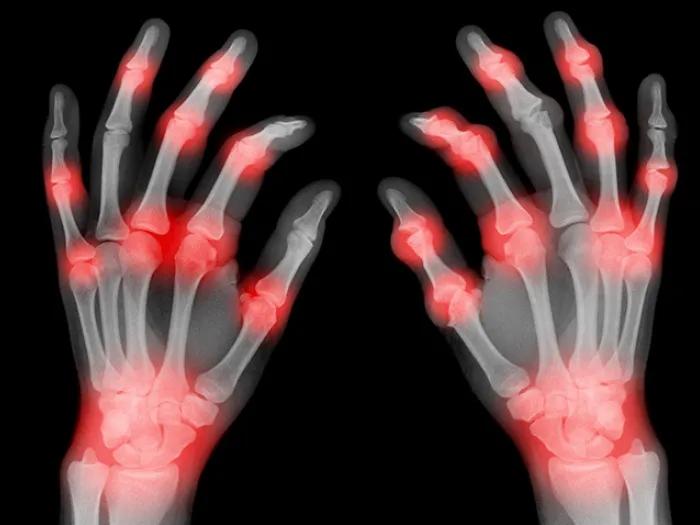
Treating arthritis of the hands
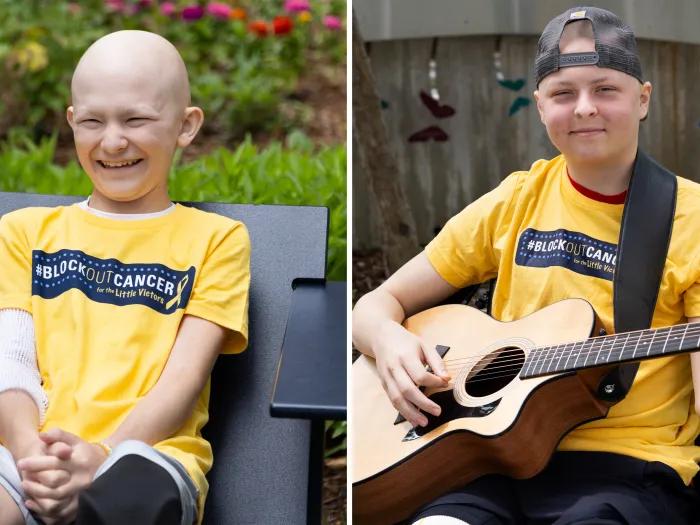
Two pediatric cancer patients become close friends during treatment
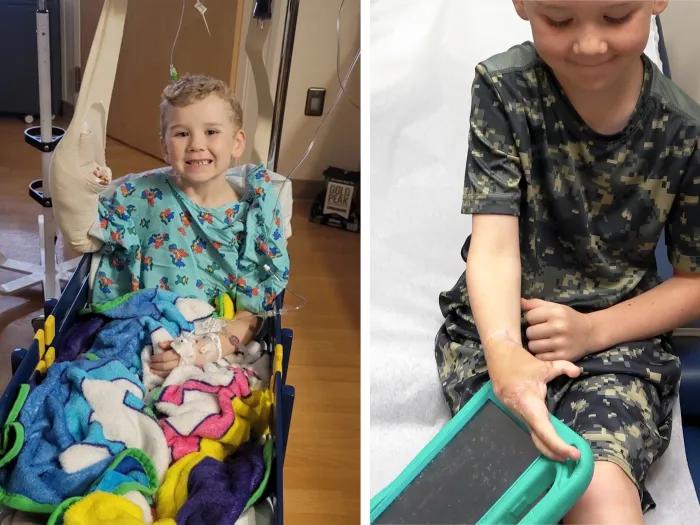
Using a toe for a thumb: Lawn mower accident results in 6-year-old's new digit