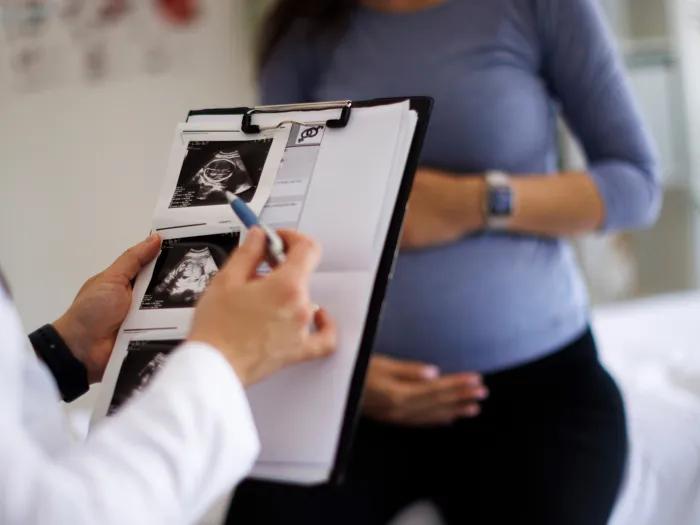
Premature Ventricular Contractions (PVCs) & Premature Atrial Contractions (PACs)
Premature Ventricular Contractions (PVCs) & Premature Atrial Contractions (PACs)
What are premature ventricular contractions (PVCs) and premature atrial contractions (PACs)?
Premature ventricular contractions (PVCs) are extra, abnormal heartbeats that begin in the ventricles, or lower pumping chambers, and disrupt your regular heart rhythm, sometimes causing you to feel a skipped beat or palpitations. PVCs — also called also called premature ventricular complexes, ventricular premature beats and extrasystoles — are very common and usually harmless.
Premature atrial contractions (PACs) are premature heartbeats that are similar to PVCs, but occur in the upper chambers of the heart, an area known as the atria.
PACs do not typically cause damage to the heart and can occur in healthy individuals with no known heart disease.
What are the symptoms and causes of PVCs?
PVCs occur when ventricle contractions beat sooner than the next expected regular heartbeat, often interrupting the normal order of pumping. The extra beat is followed by a stronger heartbeat, which creates the feeling of a skipped beat or a flutter. These extra beats are usually less effective in pumping blood throughout the body.
PVCs can be caused or triggered by:
- Heart disease or scarring, which can interfere with the normal electrical impulses
- Low blood oxygen, which could happen if you have chronic obstructive pulmonary disease (COPD) or pneumonia
- Some medications, including decongestants
- Elevated levels of adrenaline, which could be caused by caffeine, exercise or anxiety
- High blood pressure
- Alcohol
- Anemia
- Tobacco use
What are the symptoms of PACs?
Patients with PACs often do not experience symptoms and are diagnosed incidentally. Those who do experience symptoms often complain of a skipped heartbeat or extra beat, also known as palpitations. These are caused by the contraction coming prematurely in the heart’s cycle, resulting in an ineffective pulse or heartbeat. These symptoms frequently occur at night or during relaxation, when the heart’s natural pacemaker, the sinus node, slows down. PAC patients may also experience dizziness or chest pain.
Appointment Information
Call us at 888-287-1082 to schedule an appointment with a U-M Cardiovascular Center physician, get a prescription refill, or request to speak with your nurse or visit the Make a Cardiovascular Appointment page.
How are PVCs and PACs diagnosed?
PVCs and PACs may be diagnosed during an electrocardiogram (ECG), which is a routine heart test, or through a portable ECG such as a Holter monitor, a portable device worn for a period of time to capture abnormal heart rhythms.
How are PVCs and PACs treated?
In those with healthy hearts, occasional PVCs are harmless and usually resolve on their own without treatment. Some PVC symptoms can be managed through lifestyle changes — limiting caffeine, tobacco and alcohol and stress, for example.
Treatment for patients who experience PVCs on a regular basis includes medication such as beta blockers and calcium blockers. For patients whose symptoms are severe, a catheter ablation may be recommended. During catheter ablation, an electrophysiologist uses radiofrequency energy to cauterize the area of the heart where the PVCs originate.
Treatment for symptomatic PAC patients includes medications such as beta blockers or calcium blockers.
Locations
-
Cardiology Clinic | Brighton Center for Specialty Care 7500 Challis Rd
Entrance 1, Level 2
Brighton, MI 48116-9416Get Directions -
Cardiology Clinic | Northville Health Center 39901 Traditions Dr
Floor 2
Northville, MI 48168-9493Get Directions -
Electrophysiology Services | Cardiovascular Center 1425 E Ann St
Floor 3 Reception C
Ann Arbor, MI 48109-5856Get Directions
Patient Resources
Doctors

Kelly Arps, MD
Clinical Assistant Professor
Cardiac Electrophysiology, Internal Medicine, Cardiovascular Disease

Frank Matthias Bogun, MD
Professor
Cardiac Electrophysiology, Internal Medicine, Cardiovascular Disease

Apurba Kent Chakrabarti, MD
Clinical Assistant Professor
Cardiovascular Disease, Internal Medicine

Aman Chugh, MD
Professor
Cardiac Electrophysiology, Internal Medicine, Cardiovascular Disease

Thomas Christopher Crawford, MD
Clinical Professor
Cardiac Electrophysiology, Internal Medicine, Cardiovascular Disease

Amrish Deshmukh, MD
Clinical Assistant Professor
Cardiac Electrophysiology, Cardiovascular Disease, Internal Medicine

Hamid Ghanbari, MD
Clinical Associate Professor
Cardiac Electrophysiology, Internal Medicine, Cardiovascular Disease
Michael Ghannam, MD
Clinical Associate Professor
Cardiac Electrophysiology, Internal Medicine, Cardiovascular Disease

Emma Hegwood, DO
Clinical Assistant Professor
Cardiac Electrophysiology, Cardiovascular Disease, Internal Medicine

Krit Jongnarangsin, MD
Clinical Professor
Cardiac Electrophysiology, Internal Medicine, Cardiovascular Disease






Providers
Caitlin Sommer Boyak, NP
Advanced Practice Nurse
Nurse Practitioner

Mellissa Katrin Brieger, PA-C
Physician Assistant
Physician Assistant
Erin Christine Judge, NP
Advanced Practice Nurse
Nurse Practitioner
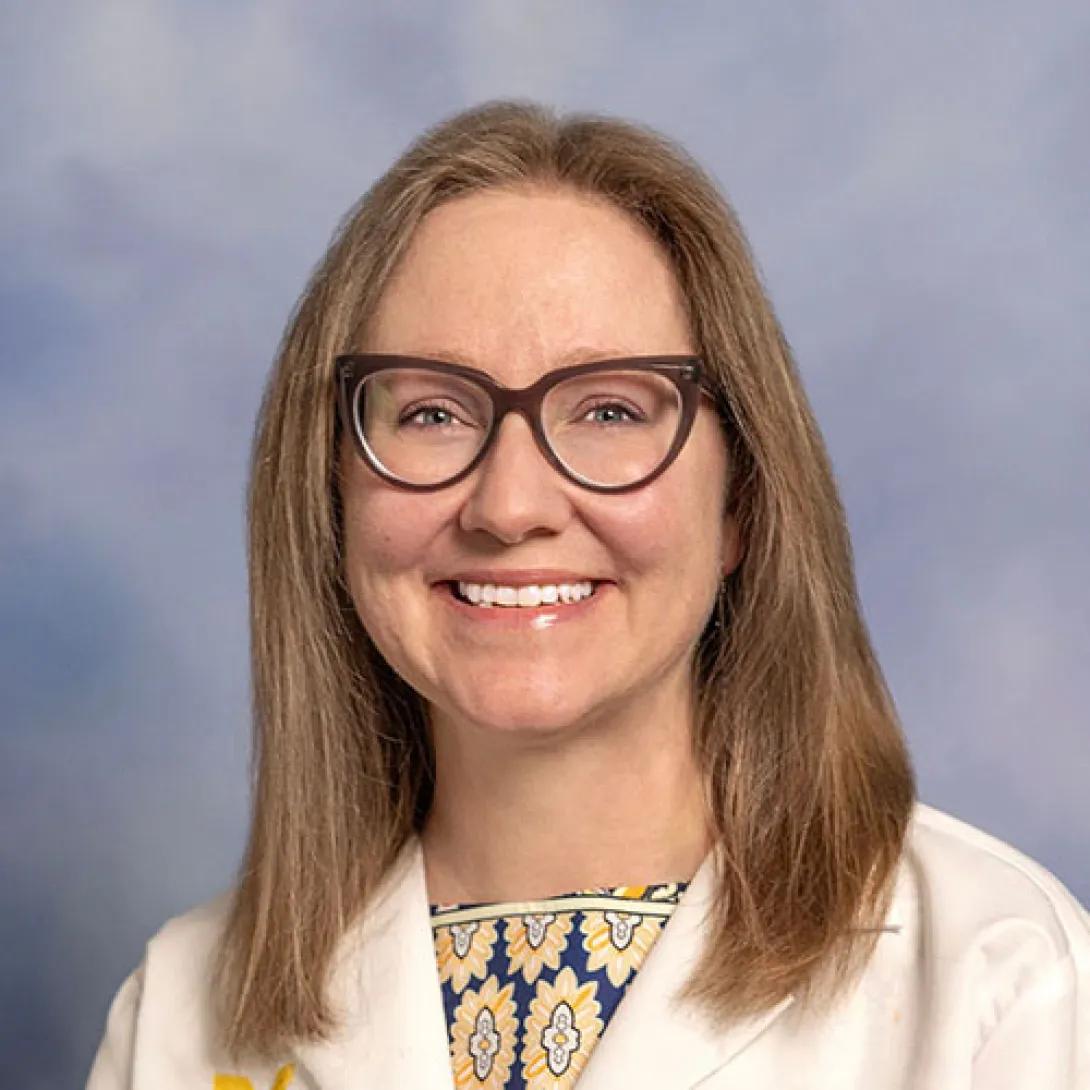
Caroline Michelle Lawson, NP
Advanced Practice Nurse
Nurse Practitioner

Tiffany Lee Luke, NP
Advanced Practice Nurse
Nurse Practitioner

Nimita Mahadev Mehta, NP
Advanced Practice Nurse
Nurse Practitioner
Theresa Maureen Montney-Dowell, NP
Advanced Practice Nurse
Nurse Practitioner

Eryn Kyle Smith, PA-C
Physician Assistant
Physician Assistant
Meredith Victoria Smith, NP
Advanced Practice Nurse
Nurse Practitioner
Patricia Anselmo Sovitch, NP
Advanced Practice Nurse
Nurse Practitioner
News & Stories

Cellular and Molecular Biology program welcomes new associate director

Dr. Cornelius James and his team develop Physician Readiness Report for AI in Clinical Practice

A pediatric epilepsy fundraiser that changes lives
Liver cancer can be preventable. Do you know the treatable risk factors?
New grant targets gaps in care for mood and substance use disorders