Pediatric Comprehensive Sickle Cell Program
Pediatric Comprehensive Sickle Cell Program
At the Pediatric Comprehensive Sickle Cell Program, part of University of Michigan Health C.S. Mott Children's Hospital, we provide coordinated, comprehensive health care and resources to children and families affected by sickle cell disease.
Our Approach
To optimally address medical issues related to sickle cell disease, a multidisciplinary team consisting of a physician (pediatric hematologist), pain specialist (anesthesiologist), registered nurse, social worker, psychologist, dietician, school liason, and clinic coordinator collaborate to spearhead each patient’s specific issues, providing expert consultations and long-term management for the most comprehensive care. A written comprehensive plan is completed with recommendations from our multidisciplinary team.
We carefully review with you and your family the meaning of a positive newborn sickle cell screen. We provide in-depth education, and also provide genetic counseling, which includes a discussion of implications of future pregnancies.
For more information about our multidisciplinary approach to caring for kids with sickle cell disease, view the video “Multidisciplinary Approaches to Caring for Sickle Cell Patients: An Interview With Dr. Sharon Singh".
School Support
We frequently communicate with patients’ schools (preK through college) throughout the calendar year to help educate teachers, principals and school/college counselors about sickle cell disease and its impact on school performance, absences, and ways to keep the student safe and healthy (staying warm, drinking lots of fluids, allowing rest between activities).
Appointment Information
Schedule an appointment by calling us at 734-936-9814.
A Pediatric hematology nurse is available during the week by phone to discuss home management or minor illnesses as well as provide support or education between visits. A pediatric hematologist/oncologist is available by paging 24 hours/day 365 days/year at 734-936-6267 (ask for the pediatric hematologist/oncologist on-call).
Research
We are leaders in research and innovative work that aims to better understand the complications of sickle cell disease and find new treatments for patients. Recent studies from the laboratories of James Douglas Engel, Ph.D., and Rami Khoriaty, M.D., have focused on identifying strategies to increase fetal hemoglobin (the type of hemoglobin that babies have, which has natural anti-sickling effects). Their studies are uncovering new important pathways for fetal hemoglobin regulation with the goal of testing new medicines to prevent sickling.
Another major effort is led by Sarah Reeves, Ph.D., M.P.H., who is in charge of a statewide surveillance system funded by the Centers for Disease Control and Prevention (CDC). The objectives of this program are to identify and follow individuals with sickle cell disease, strengthening relationships in the sickle cell disease community across the state.
In addition, collaborative sickle cell research is ongoing in various laboratories and clinics across our campus to study chronic pain, bone marrow transplantation, vaccine response, blood flow, use of lung ultrasound and quality improvement, among others. Patients also have access to selected clinical trials testing promising new treatments for sickle cell disease.
Locations
-
Pediatric Hematology Clinic | C. S. Mott Children's Hospital 1540 E Hospital Dr
Floor 7 Reception C
Ann Arbor, MI 48109-4257Get Directions
Doctors

Ghada Ahmed Yousif Abusin, MD
Clinical Associate Professor
Pediatric Hematology-Oncology, Pediatrics
Vanessa Kathleen Dalton, MD, MPH
Professor
Obstetrics & Gynecology
Charisse Marie Loder, MD, MSc
Clinical Associate Professor
Obstetrics & Gynecology

Sharon Abigail Singh, MD
Clinical Associate Professor
Pediatric Hematology-Oncology, Pediatrics

Patrick Everett Young, MD
Clinical Assistant Professor
Pain Medicine, Anesthesiology
Providers

Eric Lee Scott, PhD
Clinical Professor
Clinical Child & Adolescent Psychology, Clinical Psychology
News & Stories
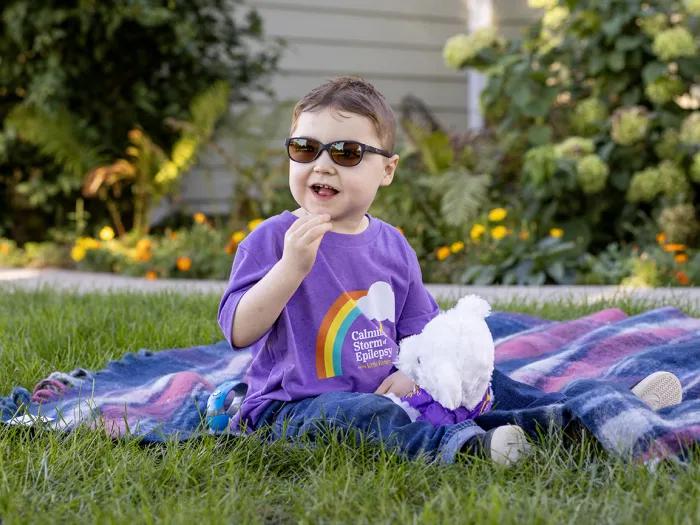
A pediatric epilepsy fundraiser that changes lives
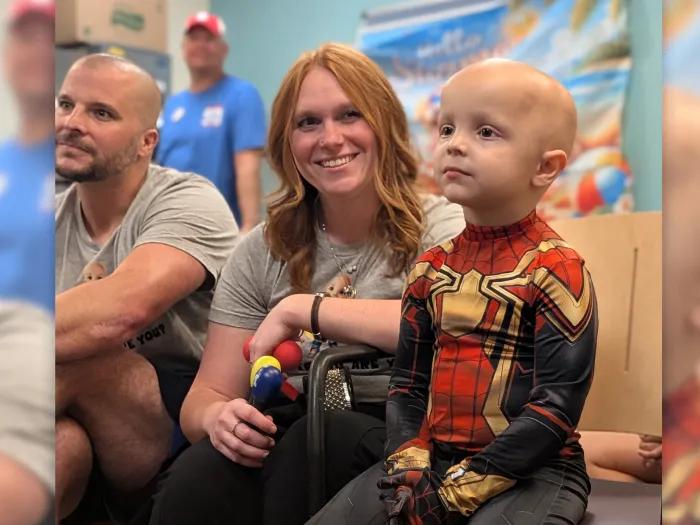
Talent show brings joy to kids at children’s hospital
U-M alumni return from Central Asia to seek treatment for their child at Mott

C.S. Mott Children’s Hospital first in country to implant expandable heart valve during FDA review phase

Helping kids with ADHD thrive in school