
Scar Revision
Scar Revision
What is scar revision?
Whether caused by injury, surgery, or burn, scars can be disfiguring and uncomfortable. Scar tissue can be itchy or painful and more visible because of protrusion or depression on the skin, color and how the tissue pulls on other structures. Scar revision can help restore a more natural look and function as well as relieve some discomfort.
As nationally recognized leaders in reconstructive and cosmetic surgery, our plastic surgeons at University of Michigan Health can offer a variety of surgical and non-surgical options to help you get the best possible results from your scar revision.
Am I a candidate for scar revision?
The severity of a scar depends on many factors, including the size and depth of the wound, the blood supply to the area, and the thickness and color of the skin.
Examples of scars most commonly treated include:
- Hypertrophic: Scars within the boundaries of the wound or incision which generally appear thick, red and raised.
- Keloid: Similar in appearance to hypertrophic scars, these are often found on the earlobe, shoulder and breastbone. These commonly appear on people with deeper skin tones.
- Contracture: The most severe form of a scar which usually occurs after loss of a large area of skin, when edges of skin are pulled together and can restrict movement. People with burn injuries commonly have this type of scar.
Appointment Information
To schedule a consultation with a plastic surgeon, call 734-998-6022.
What is the treatment for scar revision?
Depending on the severity of your scar, there are several treatment options that may work for you, including both surgical and non-surgical options.
Steroids are applied or injected into the scar to break down the skin's collagen. This is especially effective on hypertrophic and keloid scars, which continue to form collagen after the wound has healed. These injections can also help reduce any itching or pain associated with these scars.
Silicone gel sheets can help flatten hypertrophic and keloid scars. These clear sheets are placed on the scar and worn 24 hours a day.
Z-Plasty is a surgical technique used to re-orient scars. The scar is oriented by cutting the skin around the scar in small triangular flaps. These flaps usually follow a z-shape, but the technique your doctor chooses will depend on the shape of the scar. The flaps are repositioned to follow natural lines and creases of the skin to make the scar less noticeable and relieve any pressure from contracture scars. This technique is commonly used in reconstructive burn surgery.
Dermabrasion smoothes out surface irregularities from scars by removing the topmost layers of the skin. The afflicted area will be injected with anesthetic and then carefully "sanded" with a rotating wire brush or a diamond wheel until the desired amount of skin is removed.
A vascular laser works by shrinking the blood vessels that feed the scar, thus improving the coloration of red scars. This treatment is done without anesthetic. During the process, the sensation is much like that of a rubber band snapping on the skin.
A balloon-like expander is inserted under a patch of healthy skin near a scar and then filled with a saline solution to stretch the skin. The scar is then surgically removed, and the balloon-stretched skin is pulled over the previously scarred area and carefully closed. This is commonly used for breast reconstruction surgery and burn surgery.
In this procedure, skin from a healthy part of the body is transplanted to the injured area. Grafts aren't always cosmetically pleasing because the grafted skin may not match the surrounding skin's color or texture. The area where the graft came from will also scar, but skin grafts can greatly restore function to a severely scarred area.
Collagen injections can help fill in sunken scars. Collagen is a natural animal protein, so you should take an allergy test to ensure that you are not allergic to the substance. The results of collagen injections are immediate but not permanent, so the scars will eventually have to be refilled as the body slowly absorbs the collagen.
There are two types of lasers used for reducing the uneven surface of scars: the CO2 Laser and the Erbium: YAG Laser. The CO2 laser is typically used for deeper scars, while the Erbium is used for superficial scars and deeper skin tones. Both lasers remove the topmost layers of skin, allowing new, smooth skin to form.
Locations
-
Plastic Surgery Clinic | Domino's Farms 24 Frank Lloyd Wright Dr Ste A1200
Lobby A
Ann Arbor, MI 48105-9484Get Directions
Doctors
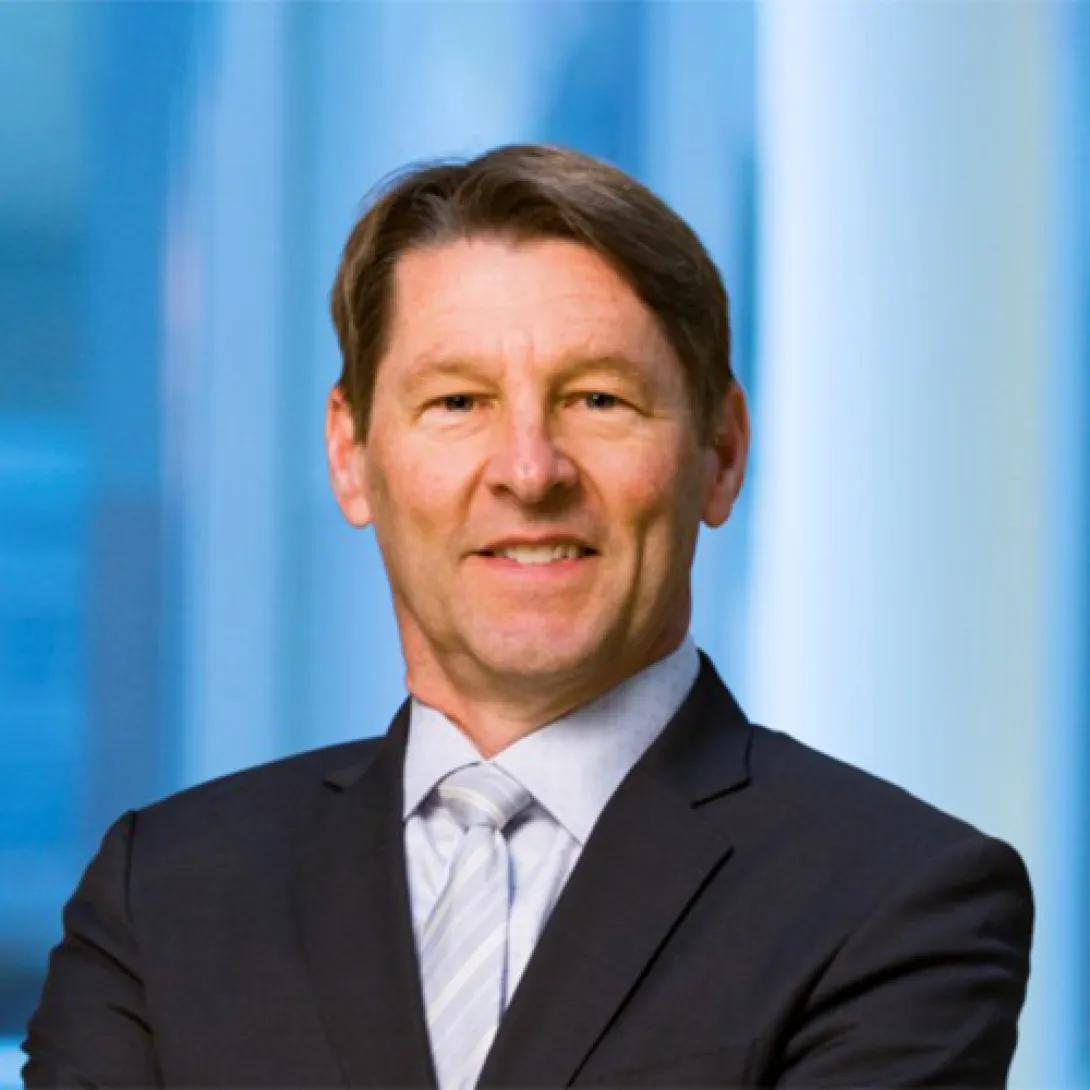
Paul Stephen Cederna, MD
Professor
Plastic Surgery

Jessica Jen-Tau Hsu, MD
Clinical Associate Professor
Plastic Surgery
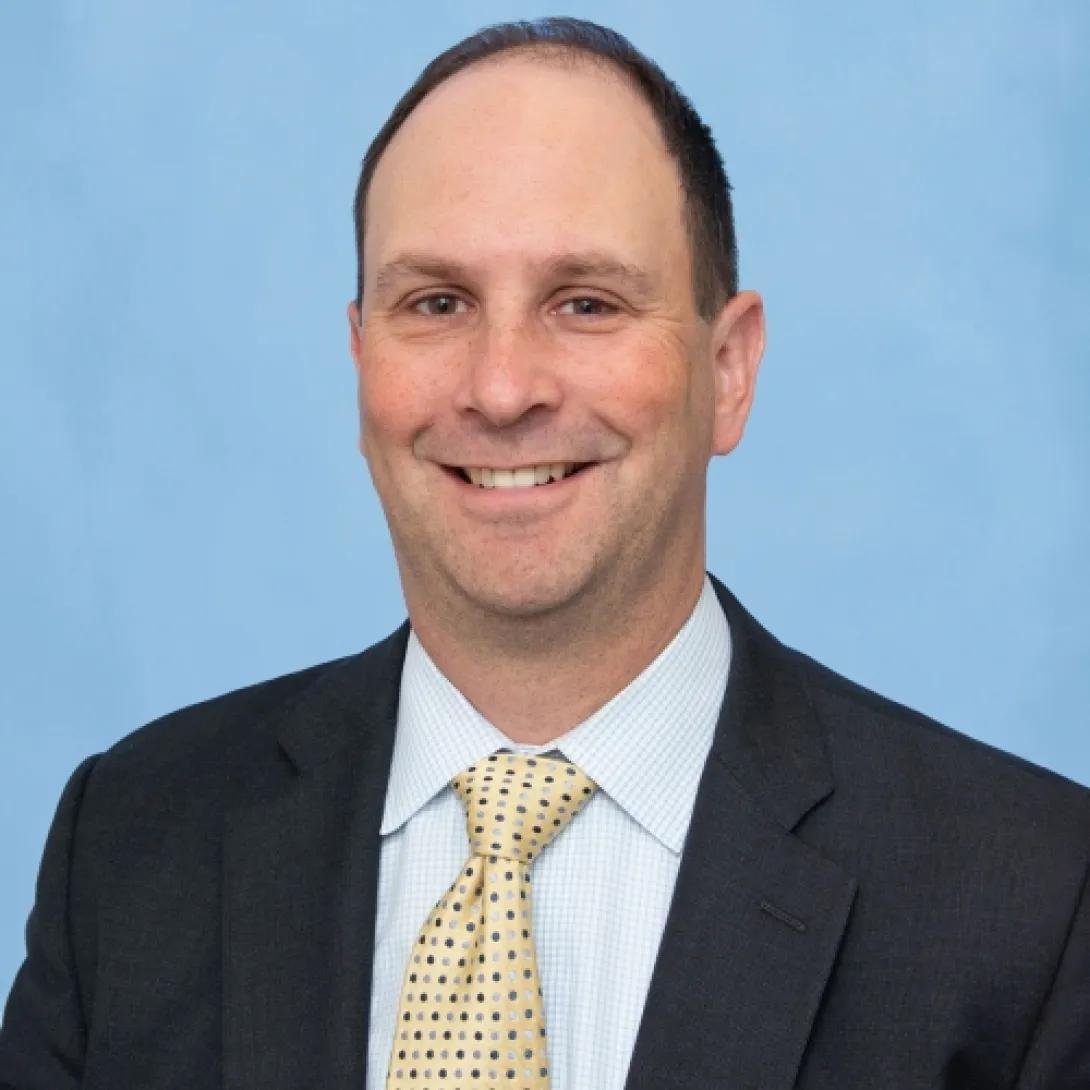
Jeffrey Hall Kozlow, MD
Clinical Professor
Plastic Surgery, Surgery
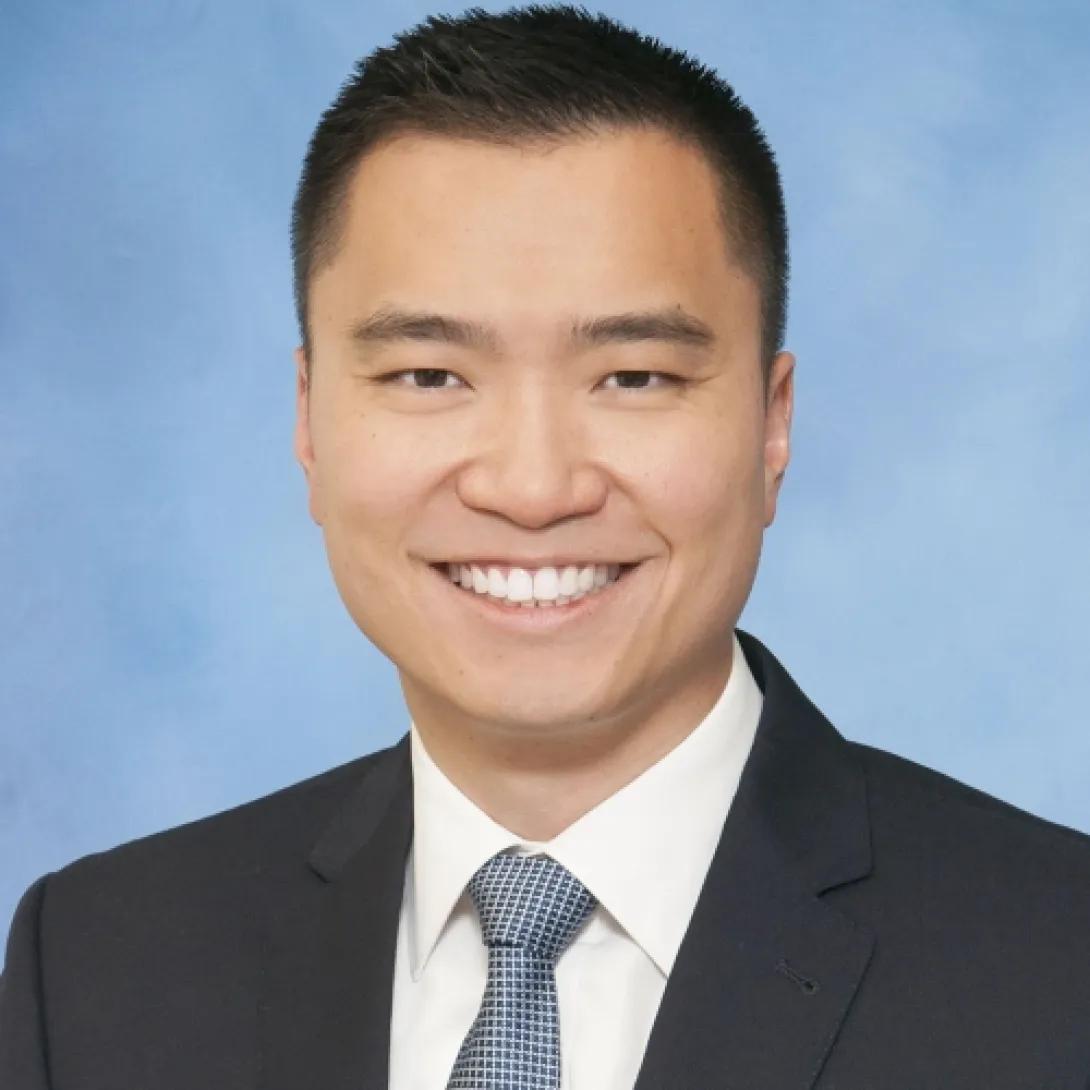
Theodore Alexander Kung, MD
Clinical Professor
Plastic Surgery
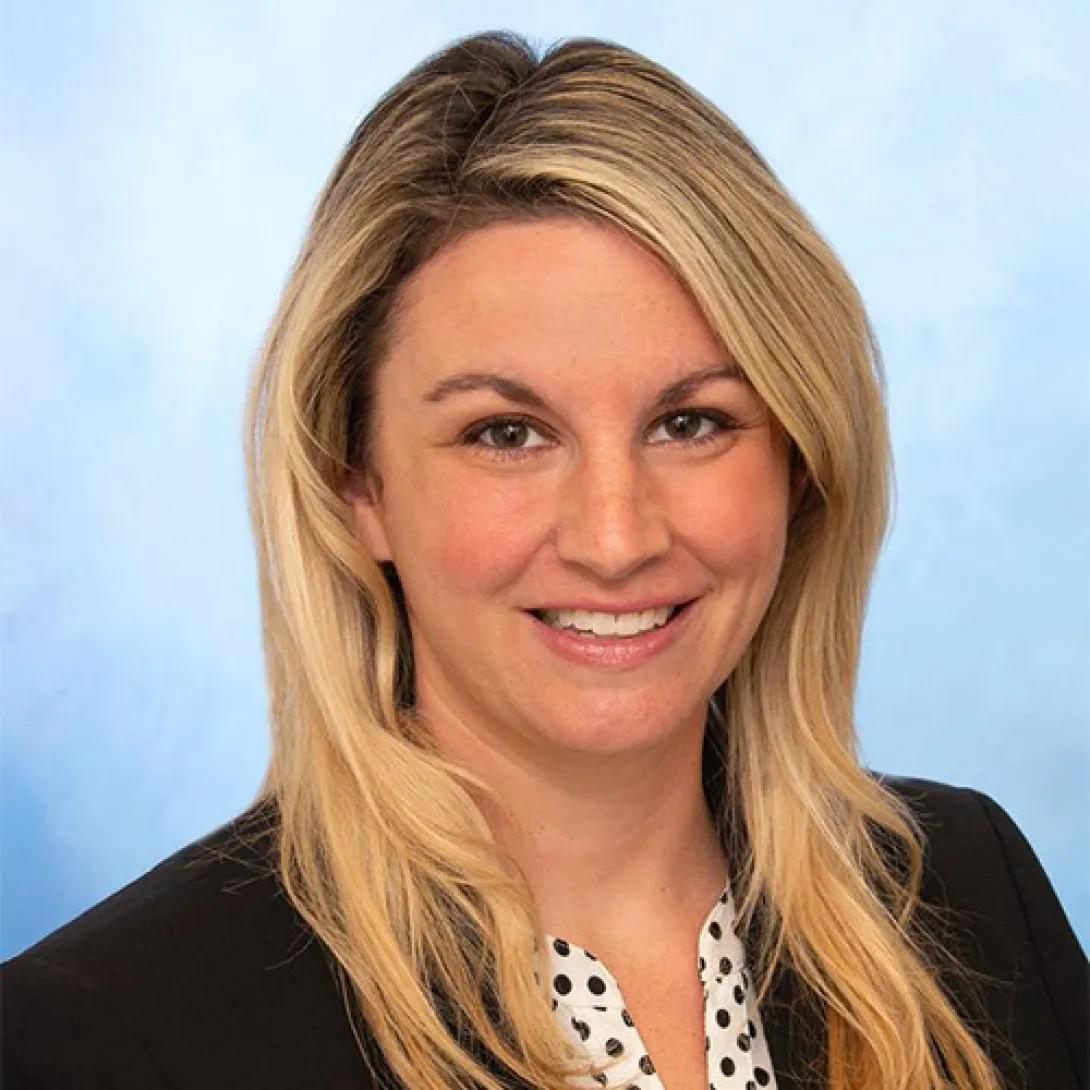
Lauren Elizabeth Marquette, MD
Clinical Assistant Professor
Plastic Surgery, Surgery
Paige Myers, MD, MPH
Clinical Associate Professor
Plastic Surgery
Noah Saad, MD
Clinical Assistant Professor
Plastic Surgery, Surgery
