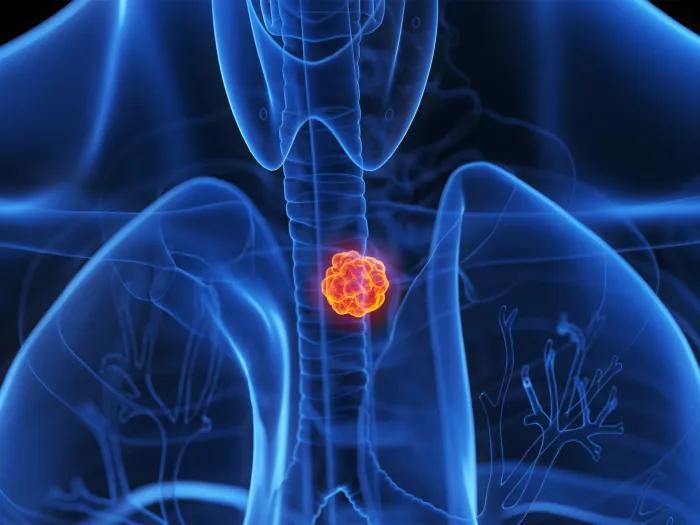
Pancreatitis & Pancreatic Disorders
Pancreatitis & Pancreatic Disorders
What is pancreatitis?
Pancreatitis is the inflammation of the pancreas and usually begins as a sudden (acute) attack. When the pancreas becomes acutely inflamed, its digestive enzymes attack the tissue that produces them. In some cases, attacks may recur repeatedly, which may cause chronic inflammation and scarring known as chronic pancreatitis.
The two most common causes of pancreatitis are gallstones and alcohol/tobacco abuse. There are a variety of rare causes, including medication induced, birth defects, cancer, pancreatic cysts, and hereditary. For some, no cause for pancreatitis can be found, which is known as idiopathic pancreatitis.
Severe chronic pancreatitis can be painful and lead to food malabsorption and diabetes. Other complications of both acute and chronic pancreatitis can include pseudocyst formation (fluid around the pancreas), bile duct blockage, pancreatic duct leaks, bacterial infection, and blood vessel involvement of the fluid collections, which can cause causing pseudoaneurysms (a false aneurysm that can cause bleeding).
What are the types of pancreatitis and pancreatic disorders?
Acute pancreatitis – intermittent episodes of pancreatitis, usually requiring hospitalization, separated by periods of time with no symptoms. Acute recurrent pancreatitis has about 20 percent chance of becoming chronic pancreatitis over several years.
Chronic pancreatitis – due to chronic scarring of the pancreas from inflammation over the course of many years.
- Autoimmune pancreatitis
- Hereditary pancreatitis
Other pancreatic disorders include:
- Exocrine pancreatic insufficiency (EPI)
- Cystic Fibrosis (CF): associated GI disorders
- Pancreatic Cancer
Appointment Information
To schedule an appointment to discuss your need for pancreatitis treatment, call us at 888-229-7408.
What are the symptoms of pancreatitis?
Symptoms for acute and chronic pancreatitis are the same; however, those with chronic pancreatitis experience more frequent symptoms. Symptoms may include:
- Abdominal pain
- Tenderness in the abdomen
- Fever
- Chills
- Nausea
- Vomiting
- Weakness
- Clay-colored stools
- Oily stools (chronic pancreatitis only)
- Weight loss (chronic pancreatitis only)
How is pancreatitis diagnosed?
To diagnose pancreatitis, we begin with a comprehensive exam and collect a thorough history. Acute pancreatitis is diagnosed with blood tests and an abdominal CT scan. Chronic pancreatitis can be diagnosed by imaging tests, such as a CT scan; however, viewing small duct inflammation and blockages may require endoscopic ultrasound. Endoscopic ultrasound uses a thin, flexible tube called an endoscope passed through the mouth to examine the digestive tract. The ultrasound component produces sound waves that create quality, detailed images.
How is pancreatitis treated?
We partner with our multidisciplinary team, including pancreatic surgeons, to provide the most comprehensive care as well as an individualized treatment plan for each patient. Our first goal is to figure out the cause of pancreatitis and treat it if possible. Treatments may include:
- Alcohol and/or tobacco cessation programs
- Gallbladder removal – if gallstones are the cause of pancreatitis
- Pancreas surgery – if fluid needs to be drained from the pancreas
For improving pancreatic duct drainage or removing bile duct stones (which can cause pancreatitis), we can use endoscopic retrograde cholangiopancreatography (ERCP). This is a procedure that combines x-ray and upper endoscopy, using an endoscope, which is a lighted, flexible tube, about the thickness of a finger. The doctor passes the tube through the mouth and into the duodenum, identifies the small opening to the bile and pancreatic ducts, then places a wire or injects contrast dye into the ducts to view the ducts, which can be seen on x-ray. Treatment can then take place by passing small tools through the endoscope. If we cannot correct the cause of pancreatitis, we try to improve symptoms using:
- Pancreatic enzymes – tablets to improve digestion and treat malabsorption
- A low-fat diet – our dietician works with patients to create a healthy meal plan
- Chronic neuromodulators – inhibits the transmission of nerve impulses to reduce pain
- Octreotide injections – an injected drug, not FDA-approved for this indication
- Surgical drainage or removal of part of the pancreas
News & Stories
Identifying avoidant, restrictive food intake disorder in gastroenterology patients

As probiotic use surges, microbiome-supportive food consumption stagnates

How gastroenterology nutrition therapy has evolved
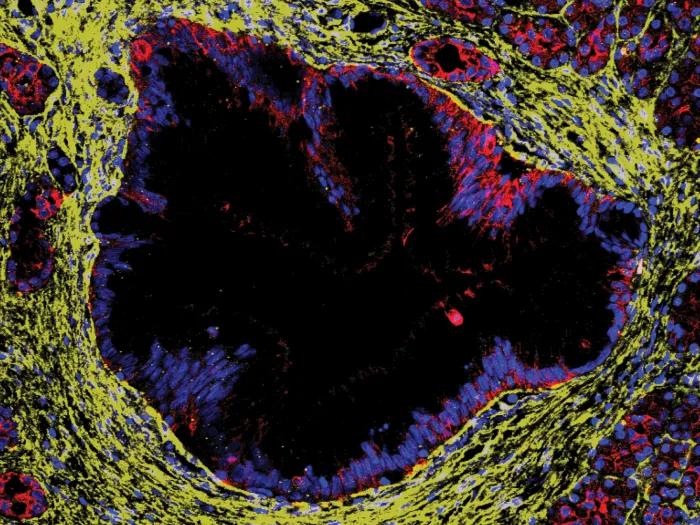
Study sheds light on how early pancreas lesions become cancerous
New dual-target drug may help overcome immunotherapy resistance in pancreatic cancer