Reconstruction after Skin Cancer Surgery
Reconstruction after Skin Cancer Surgery
Our mission is to restore both form and function following the removal of skin cancers. We understand that a diagnosis of skin cancer on the face, head, or neck brings unique concerns regarding appearance and healing. Our multi-disciplinary team is dedicated to providing specialized reconstructive techniques tailored to each patient's unique anatomy.
As an academic medical center, our surgeons are at the forefront of reconstructive innovation. Our team-based approach between the departments of Otolaryngology and Dermatology allows for an optimized transition between the removal of your skin cancer and facial reconstruction procedures.
Types
Before reconstruction can begin, the cancer must be completely removed with "clear margins." We work closely with our colleagues in Dermatology to ensure the highest cure rates using precise surgical techniques to preserve as much healthy tissue as possible.
Mohs Micrographic Surgery
Mohs micrographic surgery is the most effective treatment for non-melanoma skin cancers (such as basal cell or squamous cell carcinoma) on the head and neck. A Mohs surgeon removes the tumor in stages, examining 100% of the surgical margins under a microscope while you wait. Once the cancer has been fully removed, reconstruction of the remaining "defect" may be completed by the Mohs surgeon or by our facial plastic surgeons.
Melanoma “Square" Procedure
For certain types of melanoma, a specialized technique colloquially known as the "Square" procedure may be utilized. This procedure is performed to precisely identify the margin and avoid a large open wound during the evaluation of the margins. Unlike Mohs surgery, in which the tissue is frozen and processed immediately, these samples are processed in the pathology lab to allow for highly detailed pathological analysis. The margins define the periphery of the melanoma, and once these are clear, our team coordinates removal of the central square and reconstruction at the same time.
Appointment Information
For more information, you can request a consultation at our Center for Facial Cosmetic Surgery or call 800-493-3223 (FACE).
Treatment Options
The goal of reconstruction is to hide scars within the natural contours and "relaxed skin tension lines" of the face.
- Local Flaps: This is the most common method for facial reconstruction. A local flap involves rearranging adjacent healthy tissue to cover the wound. Because the donor tissue comes from the immediate area, it provides the best match for skin color, thickness, and texture.
Skin Grafts: When a local flap is not feasible, a skin graft may be used. This involves taking a thin layer of skin from a "hidden" donor site (such as behind the ear or above the collarbone) and transplanting it to the surgical site.
Healing by Secondary Intention: In specific anatomical locations where the body heals exceptionally well on its own, we may allow the wound to close naturally. This can sometimes result in a less noticeable scar than a complex surgical closure.
Post-Surgical Scar Management
Reconstruction is a journey that often continues after the initial surgery. We offer several adjunct procedures to refine the appearance of scars and improve skin quality.
- Intralesional Steroid Injections: Used to flatten thickened or "hypertrophic" scars and reduce redness or itching during the healing phase.
- ProFractional™ Laser Resurfacing: This laser creates narrow channels in the scar tissue, stimulating the body’s natural collagen remodeling process to smooth out texture and "blend" the scar into the surrounding skin.
- BroadBand Light (BBL™) Therapy: A non-invasive light treatment used to target the redness (vascularity) or brown discoloration (pigment) often seen in maturing scars.
Locations
-
Facial Cosmetic Surgery | Brighton Center for Specialty Care 7500 Challis Rd
Entrance 1, Level 1
Brighton, MI 48116-9416Get Directions
Doctors
Michael Joel Brenner, MD, FACS
Professor
Facial Plastic Surgery, Otolaryngology, Sleep Medicine
Jeffrey Tan Gu, MD
Clinical Assistant Professor
Otolaryngology, Plastic Surgery-Head & Neck
Jeffrey Scott Moyer, MD
Professor
Facial Plastic Surgery, Otolaryngology
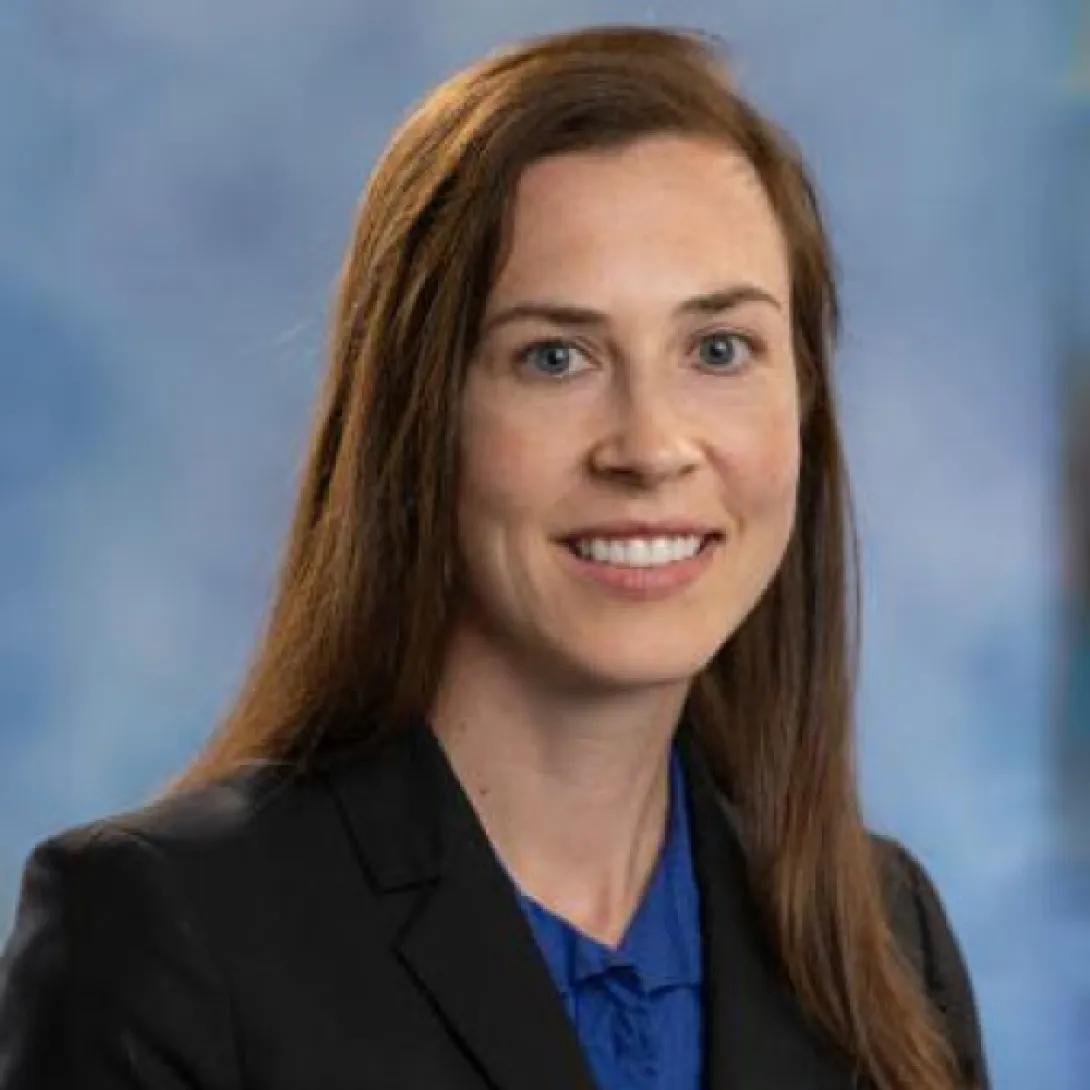
Shannon Flynn Rudy, MD
Clinical Assistant Professor
Facial Plastic Surgery, Otolaryngology
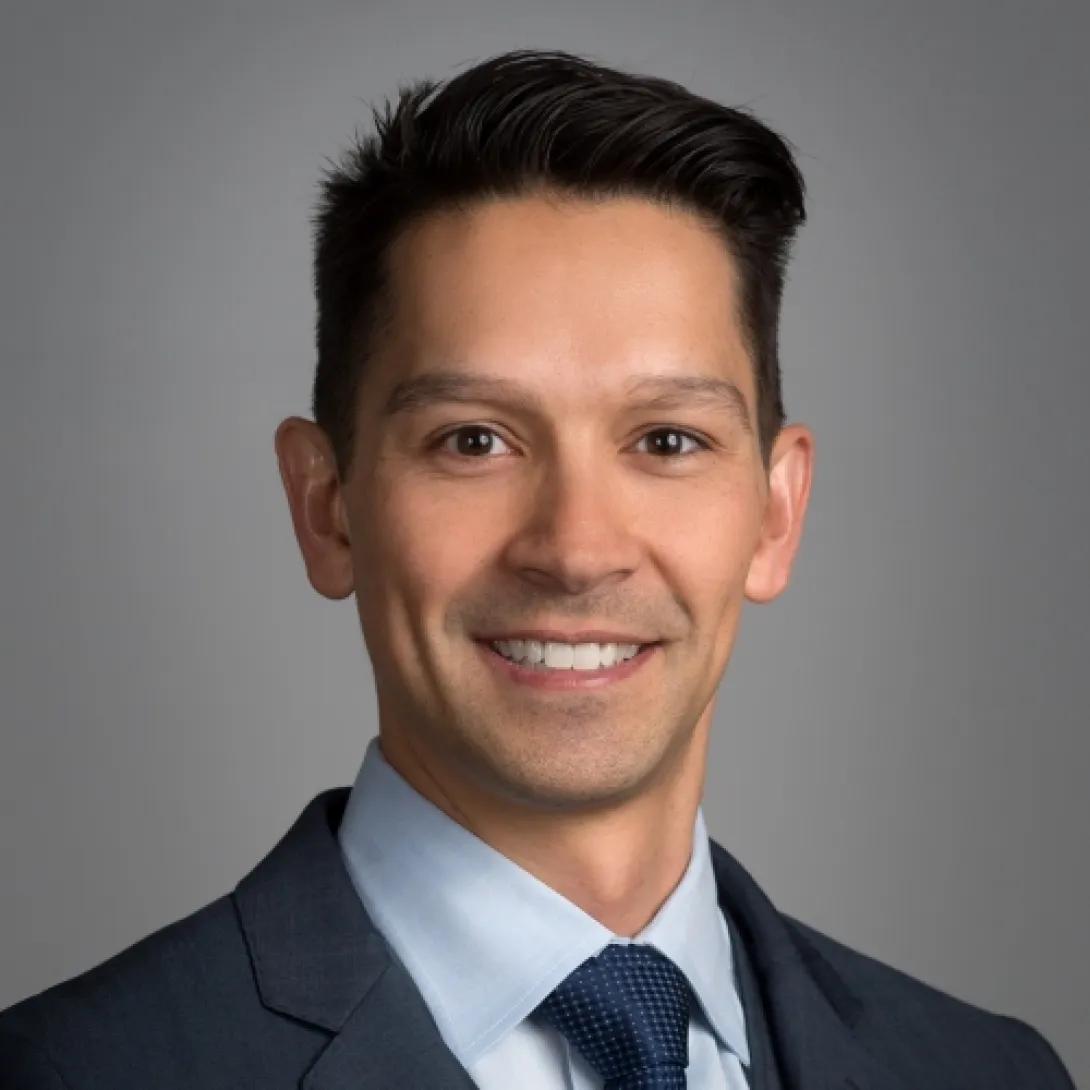
Chaz Luke Stucken, MD
Clinical Associate Professor
Facial Plastic Surgery, Otolaryngology, Plastic Surgery-Head & Neck
News & Stories

Researchers identify a potential “Achilles heel” of psoriasis
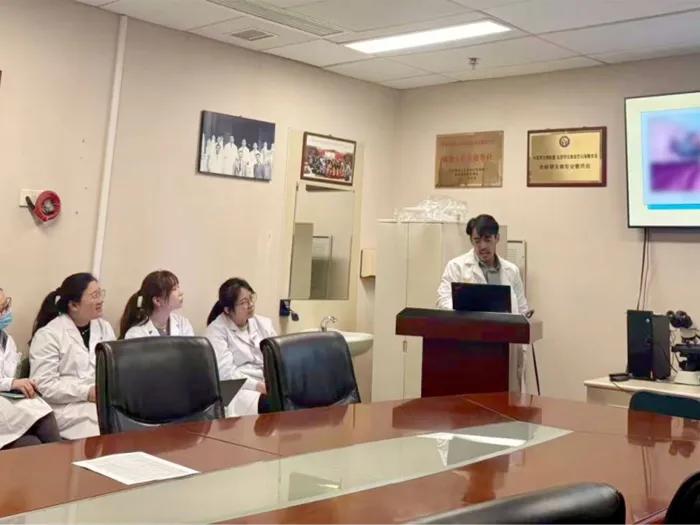
Dermatology resident’s China rotation highlights value of global training

New study hints at cause of pachyonychia congenita and a long-awaited potential treatment

Lower firework age restrictions leads to increase in pediatric hand injuries

New study hints at the cause of a painful skin condition—and at a long-awaited potential treatment